Let’s be honest: a 101-question FAQ is not exactly a beach novel. But when you are comparing red light therapy devices, checking safety details, or trying to understand what this technology can actually do, one clear answer can save a lot of time.
Use this page like a toolbox, not a textbook. You do not need to read every question from top to bottom unless you really enjoy long scrolls and strong coffee.
Helpful tip: On this page, press Ctrl + F on Windows or Command (⌘) + F on macOS, then type the keyword you care about. You can jump directly to the answer you need.
Benefits & Use Cases
What Does Red Light Therapy Do
Red light therapy (RLT) uses specific low-wavelength red and near-infrared light to penetrate the skin and stimulate cellular activity. By supporting your cells’ mitochondria, it may help cellular energy production, repair, circulation, and inflammation balance.
Common, research-backed applications of RLT include:
- Skin Rejuvenation: Minimizes wrinkles, fine lines, and sun damage by boosting collagen.
- Wound and Scar Healing: Speeds up cellular recovery, making it useful for minor wounds and acne.
- Pain and Inflammation Management: Alleviates muscle soreness, joint pain, and inflammation associated with conditions like arthritis.
- Hair Growth: Stimulates hair follicles to combat hair loss and androgenic alopecia.
- Dermatological Conditions: Helps calm symptoms of eczema, psoriasis, and rosacea.
Because it does not utilize ultraviolet (UV) rays, RLT is generally considered safe and non-damaging to the skin. That is why it is widely used as a supportive wellness technology, not as a UV-based tanning method.
Device Selection & Buying Guide
What Is The Best Red Light Therapy Device
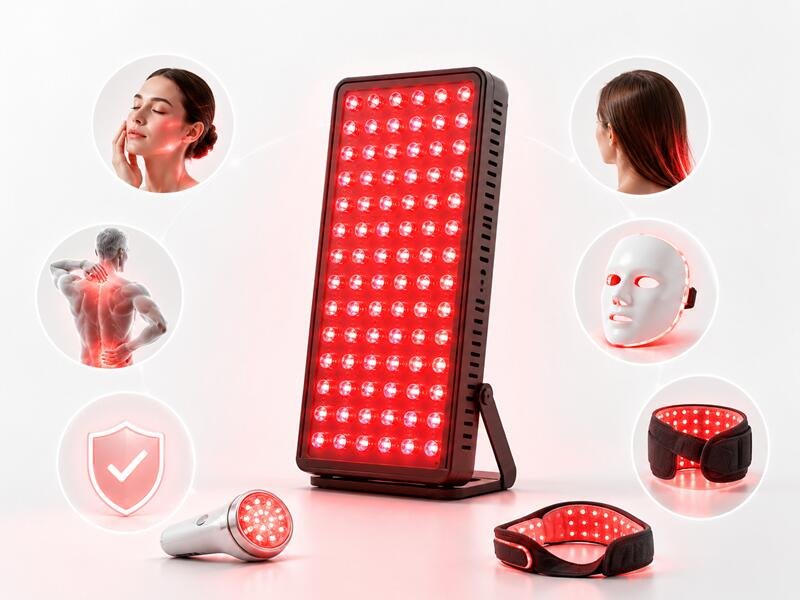
The best red light therapy (RLT) device depends on your goal. A mask suits facial skincare, a cap supports hair growth, a belt targets joints, and a larger panel works better for back, muscle recovery, or broader wellness use.
Before buying, compare wavelength range, output power, treatment area, safety certification, warranty, and manufacturer support.
How Much Does Red Light Therapy Cost
The cost of red light therapy ranges from $25 to $200 per individual session at professional clinics, or from $100 to over $3,000 for a one-time purchase of an at-home device. Because red light therapy requires consistent, ongoing use to see results, your long-term costs will depend heavily on whether you choose professional treatments or a home setup.
Does Any Red Light Work For Red Light Therapy
No, not just any red light works. Red light therapy requires specific, therapeutic wavelengths. Generic red bulbs, heat lamps, or decorative lights usually lack the correct wavelength, optical power, and treatment distance, so they will not deliver reliable health benefits.
Think of red light therapy like a lock, and the specific wavelength as the only key that fits. If you use the wrong key (a generic bulb), nothing happens. To get real results, your device must emit specific light waves:
- 630nm to 660nm: Visible red light works closer to the skin surface. It supports collagen production and may help with acne-prone skin, wrinkles, and general skin repair.
- 810nm to 850nm: Near-infrared light is mostly invisible. It penetrates deeper into tissues and is often used for muscle pain, joint discomfort, and recovery.
Where Can I Get Red Light Therapy
You can get red light therapy at dermatology clinics, wellness centers, med spas, sports recovery studios, or physiotherapy offices. For home use, you can also buy masks, belts, handheld devices, or panels from trusted manufacturers and retailers.
Choose the place based on your goal: skin care, pain relief, recovery, or full-body wellness.
Does At Home Red Light Therapy Work
Yes, at-home red light therapy (RLT) does work, but it is not as strong as the treatments you get in a doctor’s office. It works best for reducing fine lines, calming redness, and boosting hair growth. You must use the device for several weeks to see results.
Doctors use high-power lasers and clinical panels. Home devices (like masks or wands) use smaller LED lights. Home devices are safer and cost less, but they take more time and patience to work.
What Is A Red Light Therapy Bed
A red light therapy bed is a full-body, tanning-bed-like device lined with hundreds of low-level LED bulbs. It exposes your skin to safe, non-UV red and near-infrared light. This process supports cellular energy, which may help muscle recovery, joint comfort, and skin health.
Is Infrared Sauna Red Light Therapy
No, they are different. Infrared saunas use deep, thermal heat to raise your core temperature and induce sweating. Red light therapy panels use targeted, low-level light to stimulate cellular repair and collagen production without causing significant heat or sweat.
- Infrared Saunas use invisible infrared light (mid to far-infrared waves) to heat your body directly, inducing a heavy, sweat-filled, whole-body thermal experience. The primary goals are systemic detoxification, cardiovascular support, and relaxation. Sessions typically last 30 to 60 minutes.
- Red Light Therapy (RLT) uses visible red and near-infrared light delivered via low-level LEDs. It penetrates cells without generating significant heat. The primary goals are cellular repair, collagen production, wound healing, and localized pain relief. Sessions are usually much shorter, lasting only 10 to 20 minutes.
Do Red Light Therapy Devices Work
Yes, red light therapy devices work when they use proper wavelengths and enough optical power. They deliver safe, low-level light to the skin, where it may support cellular energy, collagen production, and normal inflammation balance.
To see results, you must be very patient. You cannot just use the device once. You need to use it for several minutes a day, three to five times a week, for several weeks or months. Once you stop using the device, your skin will slowly go back to normal over time.
Is Red Light Therapy Hot
Red light therapy is not hot. Devices emit gentle, low-level light that feels like a warm, sunny day or a cozy heated blanket. That warmth is usually normal. It does not use the type of heat that causes sweating, burning, or tanning.
Do Red Light Therapy Belts Work
Red light therapy (RLT) belts do work for pain relief, muscle recovery, and circulation. The belts use Light Emitting Diodes (LEDs) to beam red and near-infrared light into your skin. Your cells absorb this light and turn it into energy. This speeds up tissue repair and reduces swelling.
However, many belts claim to “melt fat” or shrink waistlines. While some studies show tiny changes in body measurements, these belts do not burn significant calories. You should not expect them to replace a healthy diet and exercise.
Effectiveness & Evidence
Does Red Light Therapy Work
Yes, it works, but its effectiveness depends entirely on your goals. Backed by science, RLT works by exposing the skin to red (630–700 nm) or near-infrared (700–1100 nm) light, which penetrates the skin without causing burns or UV damage. The light is absorbed by mitochondria, the energy-producing parts of cells, enhancing their function. This increases ATP (cellular energy) production, stimulates reactive oxygen species (ROS), and promotes nitric oxide (NO) release, which collectively improve cell repair, regeneration, and circulation. These cellular effects can accelerate healing, reduce inflammation, and improve tissue function.
Does Red Light Nasal Therapy Work
Yes, red light nasal therapy may support comfort for allergic rhinitis (hay fever) and sinus inflammation. It uses low-level red and near-infrared light that may help calm swollen tissue, support circulation, and promote normal repair in the nasal area. It should not replace medical care for persistent symptoms.
For nasal and sinus relief, you can typically use red light therapy 1 to 2 times daily, with sessions lasting 3 to 15 minutes per nostril. Consistency is more important than duration, and many people see significant improvements in congestion or allergies after using it 3 to 5 times per week.
General Education
What Is Red Light Therapy
Red light therapy (RLT) is a non-invasive, painless treatment that exposes your skin to low-level wavelengths of red and near-infrared light. Often called photobiomodulation, the light boosts cellular energy to help your body repair damaged cells, reduce inflammation, and stimulate collagen production.
This is quite a broad topic, so it may be better to explain it step by step from different perspectives. For an in-depth exploration, you can check out the comprehensive overview on the blog name.
Are Red Light Therapy Devices FDA Approved, FDA Cleared, Or FDA Registered
Most red light therapy devices are FDA cleared, not FDA approved. “Approval” is for high-risk medical devices. “Clearance” means a device is safe and works the same as another legally sold device. “Registration” only means the maker told the FDA their name and location.
Here are the key differences to know:
- FDA Cleared: The FDA reviewed the device through the 510(k) pathway. It is safe and works as well as an older device for specific uses, such as reducing wrinkles or healing muscle pain.
- FDA Approved: This is a very long, strict process with human tests. It is reserved for high-risk items like pacemakers. Wellness lights do not need this.
- FDA Registered: The company told the FDA they make the device. This does not mean the FDA tested or endorsed it. It is just a business list.
In simple terms: An FDA-cleared light means the government checked it and found it safe and effective for what it advertises. An FDA-registered light has not been checked by the agency.
How Long Has Red Light Therapy Been Around
Red light therapy has been around in various forms for centuries. However, the specific medical and cosmetic treatment we know today began in 1967 when scientist Endre Mester discovered its healing properties. It grew from early laser experiments to popular LED wellness panels used for skin and pain.
The timeline of red light therapy breaks down into three key stages:
- Ancient Times: For thousands of years, ancient cultures used natural sunlight to heal skin diseases.
- The 1960s and 1980s (Medical Start): In 1967, a Hungarian doctor used low-level lasers to heal wounds and regrow hair in mice. By the 1980s, doctors were using it for human patients.
- The 1990s and 2000s (NASA and LEDs): In the 1990s, NASA tested red LEDs to grow plants in space and heal astronauts’ injuries. This NASA research made treatments safer and cheaper.
2010s to Present (Home Use): Advancements in LED technology allowed companies to build affordable, at-home red light therapy devices.
Does Red Light Therapy Make You Tired
Red light therapy can make you feel sleepy right after a session. This is normal. The light boosts cellular energy, shifting your nervous system into a “rest and repair” state. Over time, however, consistent use usually leads to increased energy.
If the tiredness is too strong, you might be overdoing it. Try these steps to balance your energy:
- Drink Water: Hydrate well before and after your session to help your body process cellular repair.
- Adjust Time: Switch your sessions to the evening. The resulting relaxation will help you sleep better at night.
- Shorten Sessions: Reduce your time under the light to give your body a chance to adjust.
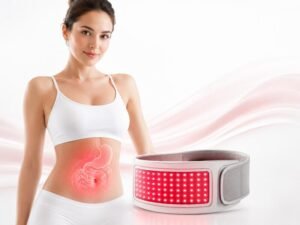
Does Using A Red Light Therapy Light Help A Stomach
Red light therapy may support stomach and gut health when applied to the abdomen. By stimulating mitochondrial activity, it may help reduce local inflammation and oxidative stress, improve circulation, support the intestinal barrier, and create a healthier environment for beneficial gut bacteria. However, most evidence in humans is still limited and based on early-stage research. It should complement, not replace, medical care, especially for persistent digestive symptoms or diagnosed gastrointestinal conditions.
Hair Growth & Hair Loss
Does Red Light Therapy Work For Hair Loss
Yes, red light therapy may support hair growth for some people. It is a non-invasive option that uses low-level light to stimulate weakened hair follicles and scalp circulation. Use it 3 to 5 times a week, with each session lasting 10 to 25 minutes. Spacing sessions evenly gives your scalp time to rest while maintaining consistent cellular stimulation. Avoid daily overuse, as it can irritate the scalp. Many users need 4 to 6 months of consistent use to notice thicker-looking hair.
What Is A Red Light Therapy Hat
A red light therapy hat is a wearable device lined with LED lights or lasers that shine red or near-infrared light onto your scalp. Research suggests that red light therapy hats (or “laser caps”) can work for mild to moderate hair loss, particularly pattern baldness (androgenetic alopecia). It is designed to support hair follicles, increase blood circulation, and reduce inflammation, which can lead to thicker and denser hair over time.
Pain, Recovery & Rehabilitation
How Soon After Surgery Can You Use Red Light Therapy
You can usually start red light therapy 3 to 14 days after surgery. The exact time depends on the procedure. Your doctor must clear you to begin. Always wait until your incisions are completely closed. Do not place lights directly on open or bleeding wounds.
Here is a general timeline for starting therapy:
- Minor procedures: 3 to 5 days post-surgery.
- Orthopedic surgeries: 3 to 5 days post-surgery (once staples or sutures are set).
- Plastic surgery: 5 to 7 days post-surgery (after stitches are removed).
- Abdominal/C-sections: 10 to 14 days post-surgery (after wound closure).
Is Red Light Therapy Good For Arthritis
Yes, red light therapy may help support arthritis pain management in a safe, drug-free way. Also called photobiomodulation or LLLT, it uses gentle light to support tissue repair, reduce inflammation, and ease stiffness. It works best for knee osteoarthritis.
It should be used as a supportive option, not a replacement for medical arthritis care.
How Does Red Light Therapy Work For Pain
Red light therapy (RLT) may help with pain by using low-level light waves to stimulate the “power plants” inside your cells. It may support cellular energy, encourage repair, reduce swelling, and help the body release natural pain-modulating chemicals.
Here is a breakdown of how it works:
- Boosts Cell Energy: Light enters the skin and hits the cell’s “power plant” (the mitochondria). This makes the cell produce more ATP (adenosine triphosphate). ATP is the fuel your body uses for repair.
- Reduces Swelling: RLT may trigger the release of nitric oxide. This can widen blood vessels so more blood and oxygen reach the sore area. Better circulation helps remove waste products related to swelling and stiffness.
- Triggers Pain Blockers: RLT may stimulate the body to release endorphins. These natural chemicals can help reduce the perception of pain.
- Calms Nerves: The therapy may help soothe sensitive or irritated nerve endings, which can reduce some pain signals traveling to the brain.
Think of it like jump-starting a weak car battery. When cells are tired or stressed, RLT gives them a gentle light signal so they may power up and support repair more efficiently.
Does Red Light Therapy Help Neuropathy
Yes, red light therapy may help manage neuropathy symptoms. It uses specific light wavelengths to penetrate the skin and support cellular repair. While it is not a cure, some people report less pain, tingling, burning, or numbness. Always follow professional advice for nerve-related conditions.
Does Red Light Therapy Help With Inflammation
Yes, red light therapy may help reduce inflammation for some acute issues, such as muscle soreness, within a few sessions. Chronic conditions usually require consistent, multi-week use and professional guidance. Think of RLT like giving your body a quiet “time out” to recover, much like an ice pack but without the cold. The exact response depends on what you are treating, device quality, and consistency.
Does Red Light Therapy Help Broken Bones
Yes, red light therapy (or photobiomodulation) may support broken bone recovery. Research suggests that near-infrared wavelengths stimulate bone-forming cells (osteoblasts), boost local blood flow, increase ATP production for faster cellular repair, and reduce inflammation and pain.
While it is not a standalone cure and you must follow your doctor’s casting or stabilization instructions, light therapy can safely act as an adjunctive treatment. Because protocols for wavelength and dosage vary, you should discuss this with your orthopedic doctor or a physical therapist to ensure it is appropriate for your specific fracture.
Does Red Light Therapy Help Lymphedema
Yes. Red light therapy may help support lymphedema management by promoting lymphatic drainage, reducing swelling and inflammation, softening fibrotic tissue, and easing discomfort. It is especially used as a complementary option after surgery, cancer treatment, or radiation, but it should be combined with professional care, not used as a standalone treatment.
Does Red Light Therapy Help With Back Pain
Yes. Red light therapy may help support back pain relief. It uses red and near-infrared wavelengths to reach muscles and soft tissues, where it may reduce inflammation and soreness. Results vary from person to person, and persistent or severe back pain should be checked by a healthcare professional.
Safety & Eye Protection
Is Red Light Therapy Bad For Your Eyes
Red light therapy (RLT) is generally considered safe for the eyes when used properly and does not contain harmful UV rays. Some clinical eye applications use specific light settings, but improper use of bright devices can still cause discomfort or strain.
Follow these safety guidelines to protect your vision:
- Wear goggles: Use the protective goggles provided with your device if recommended by the manufacturer.
- Keep eyes closed: If not using goggles, simply keep your eyes closed gently.
- Avoid staring directly: Never look directly into an intense, bright light source with open eyes.
- Limit exposure: Do not exceed the manufacturer’s recommended session times, which are typically between 3 to 5 minutes
Is Red Light Therapy Good For Your Eyes
Red light therapy may support certain aspects of eye wellness when used under proper guidance. Some studies suggest potential benefits for dry eyes, inflammation, and retinal cell support. However, direct exposure to intense, high-power lights without protection can cause strain or damage, so professional advice is important.
Safety, Risks & Contraindications
Can Red Light Therapy Cause Cancer
No, red light therapy (RLT) does not cause cancer. It uses safe, non-ultraviolet (UV) light that does not damage your DNA.
Here is the difference:
- UV Light (Sun, Tanning Beds): This is like a tiny hammer. It breaks DNA strands. This causes mutations that lead to skin cancer.
- Red Light Therapy: This is like a gentle signal. It does not carry enough energy to damage DNA. It uses light to help cells make energy.
Because it supports cellular repair, doctors may use carefully controlled light-based therapies to help manage certain side effects of cancer treatments. This should always be done under medical supervision.
Is Red Light Therapy Safe
Yes, red light therapy (RLT) is generally considered safe when used correctly. It uses low-level wavelengths of red and near-infrared light and does not contain UV rays. Unlike tanning beds, RLT does not cause sunburn, but overuse or poor-quality devices can still irritate skin.
Here is how you can use it safely:
- Wear eye protection: Direct exposure can hurt your eyes. Always wear proper safety glasses when using an RLT face mask or panel.
- Follow the timer: Do not leave your RLT bed or device on for too long. Overuse can cause redness and blisters.
- Check your medicines: Some medicines (like acne creams or antibiotics) make your skin sensitive to light. Ask your doctor first.
- Look for a seal: Buy FDA-cleared devices to ensure they meet basic safety standards.
RLT works in a similar way to how plants respond to sunlight. In your body, red light gives cells a gentle signal that may support normal repair and recovery processes.
Can You Use Red Light Therapy While Pregnant
While red light therapy (RLT) uses non-ionizing, non-UV light that does not typically enter the bloodstream, there is not enough specific research to guarantee it is 100% safe for a developing fetus. Always clear its use with your obstetrician or healthcare provider first.
If your doctor approves the treatment, follow these key safety rules:
- Avoid the Belly & Torso: Never apply red light panels, wands, or masks directly to your abdomen, pelvis, or lower back.
- Treat Extremities Only: If approved by your doctor, limit use to areas such as the face, neck, arms, or legs for issues like swelling, acne, or muscle tension.
- Skip the First Trimester: Many experts advise avoiding all light therapies during the first three months of pregnancy when the baby’s vital organs are forming.
- Watch for Heat: Your skin is more sensitive when pregnant. Avoid high-intensity devices that produce excess heat.
- Avoid Blue Light: Never use devices with a blue light setting (often used for acne) while pregnant, as they may interact with medications.
Is Red Light Therapy Safe For Cancer Patients
If you have cancer, you should only use red light therapy (RLT) under direct supervision from your oncology team. Because the therapy stimulates cellular activity, it is generally avoided over areas with active tumors or suspicious lesions unless your doctor specifically approves it.
RLT is not a standalone treatment for cancer. In some medical settings, controlled light-based therapies may help manage treatment side effects, but this requires professional approval.
Can Red Light Therapy Burn Your Skin
Red light therapy does not burn your skin when used correctly. It uses gentle, low-level light without UV rays. Burns are rare. They usually happen from misuse, very cheap devices, or using a panel too close for too long.
Most “burns” are a sign your settings were off, not that red light therapy is unsafe. If your skin stays red or hurts, pause your routine and reevaluate how you’re using the device.
Can Red Light Therapy Shrink Tumors
Red light therapy alone cannot cure, treat, or safely shrink tumors. Some specialized medical light treatments, such as photodynamic therapy (PDT) and photothermal therapy, are used by doctors for specific cancer-related applications. Always talk to an oncologist before trying any light therapy around tumors.
Science, Wavelengths & Technology
How Does Red Light Therapy Work
Red light therapy (RLT) works by exposing your skin to low-level, specific wavelengths of red and near-infrared light (usually 600-850 nanometers). This process is known as photobiomodulation.
Here is how the biological process works:
- Cellular Charging: When these specific light waves penetrate the skin, they are absorbed by the mitochondria, the “power plant” of your cells.
- Energy Boost: This absorption stimulates the mitochondria to produce more adenosine triphosphate (ATP), which is the primary energy source for cellular activity.
- Repair & Rejuvenation: With this extra energy, cells can function, repair, and regenerate much more efficiently.
Is Red Light Therapy The Same As Infrared
They are not the same, but they are closely related. Both belong to photobiomodulation, which means they use light energy to support cellular repair and healthier function.
The main difference is wavelength and penetration depth.
Red Light Therapy
- What it is: Visible red light, usually 620 to 750 nanometers.
- How it works: It reaches shallower skin layers, roughly 8 to 10 millimeters deep.
- Best for: Skin health, collagen support, wrinkles, wound repair, redness, and surface-level concerns.
Infrared Therapy
- What it is: Infrared light is invisible and uses longer wavelengths, usually 780 to over 1,000 nanometers.
- How it works: It travels deeper into muscles, joints, and nerves, and may create gentle warmth.
- Best for: Muscle recovery, joint discomfort, deep tissue pain, and circulation support.
Many devices combine both because red light and near-infrared light work at different tissue depths.
Skin, Face & Beauty
What Does Red Light Therapy Do For Your Face
Red light therapy (RLT) uses low-level light waves to safely penetrate your skin. It stimulates your cell’s mitochondria (the “powerhouses”) to support repair and rejuvenation. This may support collagen, calm inflammation, and improve circulation.
These cellular changes provide several benefits for your face:
- Smooths wrinkles: Increased collagen and elastin proteins fill in fine lines and make your skin firmer.
- Calms redness: It may reduce inflammation linked to redness-prone skin, rosacea-prone skin, or irritation.
- Acne support: RLT may help calm inflamed blemishes and support smoother recovery for acne-prone skin.
- Scar appearance: Faster cellular repair may help acne marks, scars, and dark spots look softer over time.
- Improves skin tone: Better blood flow leads to brighter, more glowing skin.
Unlike ultraviolet (UV) light, RLT does not burn your skin or increase skin cancer risk. You can get this treatment in a dermatologist’s office or use at-home devices like LED Face Masks. Consistency is important, and it typically takes several weeks to see visible results.
What Does Red Light Therapy Do For Your Skin
Red light therapy (RLT) uses low-level red or near-infrared light to target your skin. It supports cellular energy to smooth the look of wrinkles, calm inflammation, support wound-related repair, and promote a firmer, more even-looking complexion. Home devices include LED masks and handheld wands, while professional treatments use stronger devices.
The main benefits of RLT for your skin include:
- Boosts Collagen: Light energy stimulates mitochondria (the cell’s “powerhouse”) to produce more collagen. Collagen is a protein that keeps your skin firm and youthful. This helps to smooth fine lines and wrinkles.
- Reduces Inflammation: Its anti-inflammatory properties calm redness, swelling, and irritation. This helps manage conditions like eczema, rosacea, and acne.
- Improves Skin Tone: By increasing blood flow and cell renewal, RLT can smooth your skin texture and brighten a dull complexion.
- Speeds up Healing: It helps tissue repair itself more quickly. This can help heal wounds, minimize scars, and fade sun damage.
Do Red Light Therapy Masks Work
Yes, red light therapy masks do work when used consistently. They use safe, non-UV wavelengths of light (usually 630 to 850 nm) to penetrate the skin. This stimulates the cell’s mitochondria to support energy production, skin repair, collagen activity, and inflammation balance. However, results are subtle, gradual, and require consistent, long-term use.
What Is The Best Red Light Therapy Mask
The best red light therapy mask depends on your skin goals. These masks use LEDs (Light Emitting Diodes) to send safe, painless light waves into your skin. This light helps cells make energy, support collagen, and calm redness.
For wrinkles or dullness, look for red wavelengths around 630-660 nm. For deeper repair or recovery, masks with near-infrared support can be useful. Also compare comfort, fit, eye protection, treatment time, certification, and warranty.
Does Red Light Therapy Tan You
No, red light therapy does not tan your skin. It operates entirely outside the ultraviolet (UV) spectrum. Tanning happens when UV rays trigger your skin to make melanin (a dark pigment) to protect against damage. Red light has zero UV rays, so it cannot cause tanning.
While red light lacks the UV radiation that causes tanning, darkening or brown spots can happen for a few specific reasons, such as Heat Overstimulation, Melanin Absorption, or Increased Blood Flow.
Does Red Light Therapy Help Rosacea
Yes, red light therapy may be a useful, non-invasive supportive option for rosacea. It uses gentle wavelengths (630-850 nm) that may soothe inflammation, support the skin barrier, and reduce facial flushing. It will not cure rosacea or remove prominent broken blood vessels, but it may help calm flare-ups.
Does Red Light Therapy Tighten Skin
Yes, red light therapy can tighten skin, but in a gradual and natural way. It will not give you a dramatic plastic-surgery lift. Instead, it uses safe, low-level light waves to reach your skin’s deeper layers.
Think of your skin cells like a smartphone. Over time, the battery becomes weaker. Red light therapy acts like a charger by stimulating the mitochondria inside your cells.
- Collagen: Works like the support structure of the skin, helping it look firmer and smoother.
- Elastin: Works like tiny rubber bands, helping skin bounce back more easily.
As collagen and elastin improve, fine lines may soften, pores may look tighter, and the skin may appear plumper over time.
Does Red Light Therapy Help With Cellulite
Yes, red light therapy (RLT) can help reduce the appearance of cellulite, but it is not a “cure” or a quick fix. It works by stimulating collagen and elastin production, which firms and thickens the skin, making the underlying dimpling less noticeable. It also boosts blood flow and lymphatic drainage, which helps reduce localized fluid retention.
Does Red Light Therapy Help Acne
Yes, red light therapy may help support acne care. It can reduce inflammation, calm redness, support skin repair, and help active blemishes heal more smoothly. It works best as a supportive skincare tool, especially for inflammatory breakouts, and should not replace professional acne treatment when needed.
Does Red Light Therapy Help Eczema
Yes. Red light therapy may help eczema by reducing skin inflammation, calming itching and discomfort, and supporting cellular repair. It may also improve circulation, collagen production, and skin barrier function, helping damaged skin heal more effectively. However, it should be used as a supportive option, not a complete replacement for medical eczema treatment.
Does Red Light Therapy Work For Wrinkles
Yes, red light therapy (RLT) can help subtly reduce wrinkles and fine lines over time. By using specific wavelengths (usually 630-850 nm) to stimulate cellular energy and collagen production, it helps plump the skin and improve elasticity. However, results are gradual, and it works best as a supportive treatment rather than an overnight fix.
Does Red Light Therapy Help Stretch Marks
Yes. Red light therapy may help improve the appearance of stretch marks over time. Red and near-infrared light can support collagen activity and skin repair, which may soften and flatten visible scarring. A series of consistent sessions is usually needed, and results vary by skin condition and mark age.
Is Red Light Therapy Good For Psoriasis
Yes, red light therapy is an emerging supportive option for psoriasis, but it should be used cautiously. Low-level wavelengths may help reduce inflammation, calm irritation, and support healthier skin turnover. It should not replace dermatologist-recommended psoriasis treatment.
Research is still developing, and the National Psoriasis Foundation focuses more on traditional ultraviolet (UV) phototherapy. Some studies suggest promising results for mild-to-moderate plaques with repeated use. RLT is non-thermal and non-UV, but anyone with psoriasis should consult a dermatologist first.
Does Red Light Therapy Help With Scars
Yes. Red light therapy may support scar improvement by encouraging the skin’s repair process. It can support collagen activity and reduce inflammation, which may help surgery marks, injuries, and acne scars look smoother over time.
Does Red Light Therapy Help With Hyperpigmentation
Yes, red light therapy may help support hyperpigmentation care by calming inflammation, supporting cell turnover, and helping skin look more even. It is not a quick bleaching treatment. Think of it as a low-level workout that supports your skin’s natural repair process.
Does Red Light Therapy Kill Fungus
Red light therapy does not directly kill fungus on its own. However, it may support skin and nail recovery by improving blood flow, reducing inflammation, and helping tissue repair. For fungal infections, use it only as a supportive option alongside proper antifungal care recommended by a doctor.
Does Red Light Therapy Help Cold Sores
Yes, red light therapy may help cold sores heal faster and reduce discomfort for some people. Specific wavelengths (630-850 nanometers) can support cellular energy and tissue repair. However, it does not remove the herpes virus and should not replace medical antiviral treatment when needed.
It may support cold sore management, but it does not completely get rid of the herpes virus.
Does Red Light Therapy Help With Acne Scars
Yes, red light therapy (RLT) may help improve acne scars. It uses low-level light to support collagen activity and reduce redness. RLT is best for flat red marks and mild indented scars, while deeper scars may require professional treatments.
Does Red Light Therapy Help Varicose Veins
Red light therapy (RLT) does not eliminate varicose veins or repair damaged vein valves. However, it may help manage symptoms like swelling, aching, and inflammation by supporting local blood flow and tissue repair. Ask a vein specialist for proper diagnosis and treatment options.
Does Red Light Therapy Help Sunburn
Yes, red light therapy (RLT) may help support sunburn recovery. It uses safe, non-UV light rays that may calm redness, reduce inflammation, and support damaged skin cells as they repair. Avoid using any device on severe burns without medical advice.
Think of your skin cells like tired workers. Sunburn damages the cells. Red light therapy acts like an energy drink for these cells, known as mitochondria. This extra energy allows them to recover faster.
Does Red Light Therapy Help With Dark Circles
Yes, red light therapy may help with dark circles by supporting collagen production, which can make thinning under-eye skin look firmer so underlying blood vessels appear less visible. It may also support microcirculation and reduce puffiness.
When treating the sensitive eye area, eye safety is crucial. Always keep your eyes closed during treatment and choose an FDA-cleared or CE-approved at-home device to ensure safe and accurate wavelengths.
Special Health Questions
Can Red Light Therapy Regrow Gums
Red light therapy cannot regrow gums that have already receded. However, it may support gum health by reducing inflammation, improving blood flow, and stimulating collagen-related cellular activity. This can help create a healthier environment, but gum recession needs professional dental evaluation.
Think of your gum cells like tiny batteries. Just as a battery needs energy to recharge, cells absorb light energy and convert it into ATP. This extra energy may support healing and repair, but it cannot replace dental care.
Does Red Light Therapy Help With Seasonal Depression
Emerging research suggests that red light therapy-also known as photobiomodulation (PBM)-may support mood and seasonal depression as a complementary wellness tool. By delivering red and near-infrared wavelengths to the head or body, it may influence cellular energy, serotonin pathways, and inflammation. Professional mental health care remains important.
Does Red Light Therapy Help Migraines
Red light therapy may help prevent migraines by reducing inflammation, boosting cellular energy, and improving blood flow. However, clinical evidence is mixed. While it can serve as a supportive wellness tool, some people find that red light actually triggers migraine auras or pain.
Does Red Light Therapy Increase Estrogen
Red light therapy (RLT) does not directly increase estrogen. Instead, it may support general hormonal balance by helping cellular energy and circulation. However, hormone-related symptoms should be discussed with a qualified healthcare professional.
Think of your body’s hormone system like a music band. Red light therapy does not force one instrument to play louder. It may act more like gentle support for the whole system, but it should not be treated as hormone therapy.
Does Red Light Therapy Help With Vitamin D
No, red light therapy does not help your body produce vitamin D. Vitamin D synthesis requires specific UVB wavelengths (280-315 nm) from sunlight. Red light therapy uses visible red and near-infrared wavelengths (typically 630-850 nm), which lack the energy required to trigger vitamin D production in the skin.
However, both can complement a healthy routine. While RLT will not raise vitamin D levels, it may support overlapping wellness areas, such as cellular energy, skin appearance, and general wellbeing.
Does Red Light Therapy Help With Sleep
Yes. Red light therapy may help with sleep by supporting the body’s circadian rhythm and improving sleep quality, especially when used as part of a calming evening routine. Unlike blue light, red light is less likely to suppress melatonin. However, research is still limited, so it should not replace good sleep habits or medical advice.
Does Red Light Therapy Work For Tinnitus
Current clinical evidence shows that red light therapy is not a proven or reliable cure for tinnitus. While proponents suggest it may help repair inner ear cells and reduce inflammation, many large trials show results are no better than a placebo. Major guidelines do not recommend it.
Does Red Light Therapy Help Thyroid
Red light therapy may help support thyroid function by reducing inflammation and increasing cellular energy. Small studies show it can lower thyroid antibodies in people with Hashimoto’s disease. However, it is not a cure and should never replace prescribed medications like levothyroxine.
Does Red Light Therapy Increase Testosterone
Red light therapy may support testosterone-related wellness indirectly, but it is not a proven direct testosterone booster. Some early research suggests possible cellular and circulation benefits, but it should not replace lifestyle changes, lab testing, or medical treatment when hormone issues are suspected.
You may have heard of “testicle tanning” to increase testosterone. Do not do this. Tanning beds and direct sunlight emit harmful UV radiation. UV exposure increases the risk of skin cancer on a very sensitive part of the body. Red light therapy devices use low-level wavelengths without dangerous UV rays.
Does Red Light Therapy Help With Colds
Red light therapy is not a cure for a cold. However, it may help some people feel more comfortable by supporting circulation, reducing local inflammation, and giving cells a gentle energy boost.
To use red light therapy (RLT) for a cold, treat specific symptoms rather than trying to cure the virus itself. Use red or near-infrared light on targeted areas (like sinuses or the neck) for 10 to 20 minutes daily. Avoid using RLT if you have a fever.
Does Red Light Therapy Work For Sinuses
Yes, red light therapy may support sinus comfort. Specific wavelengths (630 to 850 nanometers) can reach superficial tissues around the nasal passages and may help reduce swelling, improve local blood flow, and calm irritation. It should not replace medical care for serious or recurring sinus infections.
Does Red Light Therapy Help Anxiety
Red light therapy (RLT) may help support relaxation and anxiety management for some people. It uses low-level red and near-infrared light to stimulate cell activity. Experts suggest it may influence stress response, brain cell energy, cortisol, and serotonin pathways, but it should not replace mental health care.
Usage, Dosage & Routine
How Often Should You Do Red Light Therapy
Do red light therapy 3 to 5 times per week for 10 to 20 minutes per session. This schedule stimulates your cells while giving them time to rest and heal. Consistent use for 4 to 8 weeks is usually needed to see noticeable benefits.
How to Adjust Your Schedule
- Anti-Aging & Skin: Use 3 to 5 times weekly.
- Pain & Muscle Recovery: Use 3 to 5 times weekly.
- Acne & Inflammation: Use 2 to 3 times weekly.
- Maintenance: Reduce to 1 to 3 times weekly once you see results.
How To Use Red Light Therapy
Red light therapy (RLT) uses low-level wavelengths of light to stimulate your cells. It may support recovery, pain management, and collagen production for better-looking skin.
To use it safely at home, follow these four simple steps:
- Prep your skin: Wash your face or body. Remove all dirt, oil, and makeup so the light can reach your cells.
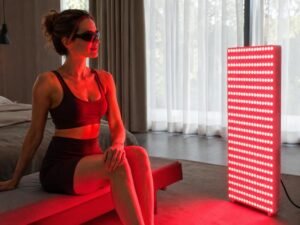
- Position the light: Keep the device 6 to 12 inches away from your skin. For larger panels, you may need to sit 1 to 3 feet away.
- Protect your eyes: Always wear safety goggles if the light is bright or close to your face.
- Set a timer: Relax for 10 to 20 minutes. Do this 3 to 5 times per week to see the best results.
Think of RLT like charging a battery. Your cells have tiny power plants called mitochondria. Just as a battery needs to sit on a charger, your cells need to soak in the light to make energy (ATP). This extra energy may support healthier-looking skin and more comfortable muscles.
Consistency is the key to success. You will not see results overnight. It usually takes 4 to 12 weeks of steady use to notice changes.
How Long To Use Red Light Therapy On Face
Use your red light therapy device on the face for 10 to 20 minutes per session, 3 to 5 times per week. Do not exceed the recommended time, because too much exposure may make skin dry, red, or irritated.
Think of red light therapy like watering a plant. A little helps it grow. Too much does not make it grow faster.
How to Adjust Your Time
- Total Session Time: Many LED masks run for 10 minutes. Lower-powered panels may need up to 20 minutes.
- Anti-Aging & Wrinkles: Aim for 15 to 20 minutes, 3 to 5 times weekly.
- Acne & Redness: Use 10 to 20 minutes, 3 to 5 times weekly until results improve.
- Beginner Tip: Start with 5 to 10 minutes, 3 days weekly, so your skin can adjust.
How Long Should You Do Red Light Therapy
Sessions typically last 10 to 20 minutes. The best duration depends on your device’s power, your treatment distance, and your goal. Consistency matters more than one long session. Most visible results take 4 to 12 weeks of regular use.
Adjust by Device Intensity
- Low-Intensity Devices: Usually need 15 to 20 minutes per session.
- Medium-Intensity Devices: Usually need 10 to 15 minutes per session.
- High-Intensity Devices: Usually need 5 to 10 minutes per session.
How To Use Red Light Therapy On Face
Use red light therapy on clean, dry skin. Wear eye protection. Place your LED mask or handheld device 6 to 12 inches away, unless the manufacturer gives different instructions. Treat for 10 to 20 minutes, 3 to 5 times per week.
Red Light Therapy Steps
- Wash your face: Remove makeup, sunscreen, and lotions so the light can reach the skin.
- Dry your face: Pat the skin dry before starting.
- Protect your eyes: Close your eyes or wear safety goggles, especially with bright panels.
- Use the light: Wear the mask or hold the device over the treatment area for 10-20 minutes.
- Moisturize: Apply serum or moisturizer after treatment to support hydration.
Does Red Light Therapy Work Through Clothes
Red light therapy works best on bare skin. You can wear clothes during red light therapy, but it is not recommended. For optimal results, you should expose bare skin on the areas you want to treat. Fabric acts as a barrier, absorbing and scattering light so that only a fraction of the therapeutic energy reaches your skin.
Can You Do Too Much Red Light Therapy
Yes, you can overdo red light therapy. While it is generally safe, doing too much usually causes the cells to overstimulate. This limits the benefits. More time does not mean better results. In science, this is called a biphasic dose response. Moderate amounts heal, but too much causes stress. Think of it like watering a plant: moderate amounts help, but too much at once will drown it.
Signs you are using too much light include:
- Plateaued results: Your skin or muscle stops getting better.
- Skin irritation: Temporary redness, peeling, or itching.
- Headaches: Using bright panels too close to the head for too long.
- Fatigue: Feeling unusually tired after treatment.
How To Use Red Light Therapy At Home
The best way to use red light therapy at home is to stay consistent with short, focused sessions. For optimal results, treat clean, bare skin for 10-20 minutes, 3-5 times per week, while keeping the device at the manufacturer’s recommended distance.
How Often To Use Red Light Therapy On Face
General guidelines for red light therapy typically suggest using the device 3 to 5 times per week for 10 to 20 minutes per session. Consistency is often cited as the key to seeing results. Some high-intensity devices may only require 3 minutes per day. It is important to review the manufacturer instructions for each specific brand.
Can I Use My Phone During Red Light Therapy
Yes, you can use your phone, but it is best to avoid it. Phone screens emit blue light. This can stress your eyes and may interfere with the red light, reducing the therapy’s benefits.. The light wavelengths will not damage your phone’s hardware. However, avoid using your phone inside a high-heat infrared sauna, as extreme temperatures can ruin the battery.
How Often To Use Red Light Therapy For Hair Growth
For red light therapy on hair, each session should last between 10 to 20 minutes. Aim for 3 to 5 sessions per week. Avoid daily overuse, because your scalp needs rest days. Many people need 3 to 6 months to notice results, and using extra time will not speed up hair growth.
How To Use Red Light Therapy For Brain
Red light therapy for the brain uses near-infrared (NIR) light to reach tissues through the scalp and may support brain cell activity. Also known as photobiomodulation (PBM), it may help cellular energy, inflammation balance, and blood flow. Use specialized helmets, panels, or caps only as directed.
Think of your brain cells like tiny cars. The energy factories inside the cells are called mitochondria. NIR light acts like high-quality fuel, helping the engines produce more ATP. This may support brain wellness, but it should not be used as a treatment for neurological disease without medical guidance.
Can You Use Red Light Therapy With Retinol
Yes, you can safely use red light therapy with retinol. However, applying them at the exact same time or one immediately after the other can overload your skin and cause irritation. The best practice is to separate your treatments.
When used carefully, these two can be good partners. Retinol works on the surface to speed up cell turnover, while red light therapy works deeper in the cells to support recovery and calm inflammation. Think of it like two coaches training your skin: one pushes for strength, and the other supports recovery.
How Often Can You Use Red Light Therapy For Pain
For red light therapy for pain, a common routine is 3 to 5 sessions per week, with each lasting 10 to 20 minutes per area. For acute pain or new injuries, follow manufacturer guidance and professional advice instead of simply increasing frequency.
Can You Do Red Light Therapy After Botox
Yes, you should wait at least 24 to 48 hours after your Botox appointment before using red light therapy. Botox needs this window to bind to the targeted muscles. Using red light therapy or other LED devices too soon can increase blood flow and generate gentle heat, which might accidentally diffuse the neurotoxin to unintended areas.
When To Use Red Light Therapy
The best time to use RLT depends on your wellness goals.
- Morning: Use shortly after waking to support cellular energy, mental clarity, and morning skin care.
- Pre-Workout: Use 3-6 hours before exercise to prime muscles and support athletic performance.
- Evening: Use it to reduce tension, soothe muscles, and promote relaxation. For better sleep, finish the session 60-90 minutes before bed.
For skincare and pain relief, consistency matters more than the exact time of day. Sessions usually last 10 to 20 minutes, 3 to 5 times weekly.
How To Use Red Light Therapy For Hair Growth
Use a specialized cap, helmet, or comb emitting 630-670 nm wavelengths. Wear it for 10-20 minutes, 3 to 5 times weekly on a clean scalp. You will likely see thicker hair in 4 to 6 months. Consistency is key; if you stop treatment, hair loss resumes.
Spacing sessions evenly gives your scalp time to rest while maintaining the consistent cellular stimulation needed to promote growth.
What Serum To Use With Red Light Therapy
Use water-based serums with red light therapy. The best options contain hyaluronic acid for deep hydration, peptides for collagen support, or niacinamide to soothe inflammation. Apply your serum after the light treatment for the best results, or before if you use a gliding wand.
Avoid serums that contain high concentrations of retinol, vitamin C, and some acids like glycolic acid, which may be too harsh on your highly vulnerable skin. You may also want to look for other potential ingredients that may trigger breakouts, such as fragrances, parabens, and phthalates.
Can I Use Red Light Therapy After Microneedling
Yes, you can often use red light therapy (RLT) after microneedling, but timing matters. Microneedling creates tiny controlled injuries, while RLT may support healing, reduce redness, calm swelling, and encourage collagen activity. Follow your skincare professional’s advice, especially after deeper treatments.
When to Start Red Light Therapy
- Shallow at-home needling (0.5mm): You can often use RLT right after the session if your skin is calm.
- Deep professional needling (1.0mm+): Wait 24 to 48 hours so the normal inflammatory repair process can begin.
- Severe redness or swelling: Wait until the skin no longer feels raw. This usually takes 3 to 5 days.
Can You Shower After Red Light Therapy
Yes, you can shower after red light therapy. It is usually best to wait 20 to 30 minutes. This gives your cells time to absorb the light energy and continue the repair process.
Best Practices
- Before your session: Shower first to remove dirt, sweat, and lotions. Dry off completely, because water and oil can block the light.
- After your session: Wait at least 20 minutes before showering. If you used essential oils, wait around 30 minutes. Use warm water instead of hot water to avoid drying the skin.
What To Do After Red Light Therapy
After red light therapy, your skin may be more receptive. Apply hydrating products like hyaluronic acid serum, peptides, or a gentle moisturizer to lock in comfort. Avoid harsh chemicals, retinoids, and direct sun for at least 24 hours. Drink plenty of water and support normal recovery.
What Not To Do After Red Light Therapy
Immediately after red light therapy, avoid applying harsh skincare (like retinoids and AHAs/BHAs), strenuous exercise, hot showers, and unprotected sun exposure. The skin is highly permeable and in a state of cellular repair, so applying harsh chemicals or excessive heat can trigger unwanted inflammation.
Follow this specific aftercare to maximize your results:
- Skip Active Skincare: Do not use retinoids, AHAs, BHAs, or strong Vitamin C serums for at least 24-48 hours. Applying harsh products to sensitive post-treatment skin can cause irritation or redness.
- Wait to Exfoliate: Avoid all physical scrubs and chemical exfoliants immediately. Wait at least 24 to 48 hours before safely reintroducing mild acids.
- Avoid Intense Heat and Sweating: Steer clear of hot baths, saunas, and strenuous workouts that cause excessive sweating for 24 hours.
- Protect From the Sun: Do not go out into direct sunlight without protection. Skin can be more reactive to UV, so apply a broad-spectrum, mineral-based sunscreen of at least SPF 30.
- Opt for Gentle Hydration: Instead of harsh ingredients, focus on soothing hydration. Use a mild cleanser and apply products with calming ingredients like hyaluronic acid, ceramides, and peptides.
How Long To Use Red Light Therapy For Wound Healing
For wound healing, common red light therapy sessions last 10 to 20 minutes, 3 to 5 times per week. However, always check with your doctor before using any light therapy on open, healing, infected, or surgical wounds. Stop or adjust treatment if irritation occurs.
Can You Do Red Light Therapy With Makeup On
You can do red light therapy with makeup on, but it is not recommended. Cosmetics, sunscreens, and even skincare products act as a physical barrier that prevents the light from penetrating your skin effectively. Furthermore, ingredients like mineral pigments and SPF can actively reflect or absorb the light, diminishing your results.
How To Use Red Light Therapy For Back Pain
Use a red light therapy device with wavelengths of 630-850 nanometers. Expose clean, bare skin directly to the light. Place the device 4 to 12 inches away, or follow the manufacturer’s distance guide.
Limit sessions to 10-20 minutes. Treat 3 to 5 times per week for 4 to 8 weeks before judging results. If back pain is severe, persistent, or injury-related, seek medical advice.
Red light therapy works like charging a battery. Your cells absorb the light and turn it into ATP, the body’s natural fuel. This extra fuel may support back muscle recovery and help reduce swelling-related discomfort.
Should I Do Red Light Therapy Before Or After Workout
You can do both. Many athletes use red light therapy before training for preparation and after training for recovery. A short pre-workout session may support performance, while a longer post-workout session may reduce soreness.
- Before a workout: Use it 10-20 minutes before exercise. It acts like a battery boost for cells, warms up muscles, fights fatigue, and supports energy.
- After a workout: Use it for 10-20 minutes after exercise. It may help reduce soreness and support faster recovery.
Pets & Veterinary
Is Red Light Therapy Good For Dogs
Yes. Red light therapy may be a safe, drug-free supportive option for dogs when used correctly. It uses gentle light waves to support cellular activity and blood flow, which may help comfort and recovery. Always consult your veterinarian first for dosage, frequency, eye protection, and tumor-related safety.
How To Use Red Light Therapy On Dogs
Brush your dog’s fur, make sure the skin is dry, and place the dog red and near-infrared device over the treatment area. For chronic joint pain, follow your veterinarian’s advice; many routines use 10 to 20 minutes, 3 to 5 times per week.
Always protect the eyes. Do not use the light over malignant tumors, a pregnant abdomen, or open wounds unless your veterinarian approves it.
Safe Session Steps
- Environment: Keep the room quiet and calm so your dog can relax.
- Prep: Brush or part long fur so the light reaches the skin more effectively.
- Position: Hold handheld devices 2 to 4 inches away, or place therapy pads flat on the back, hip, or joint area.
- Duration: Start with 2 to 5 minutes to build comfort, then slowly increase to 10 to 20 minutes.
- Safety Rules: Never leave your dog unattended, and never shine the light directly into the eyes.
- Positive Association: Keep treats or toys nearby so the session feels calm and rewarding.
Weight Loss & Body Contouring
Does Red Light Therapy Help With Weight Loss
Red light therapy (RLT) may help reduce inches, but it does not cause major weight loss on the scale. It is mainly a body contouring support tool for stubborn areas like the waist or thighs. For overall weight loss, you still need a calorie deficit and healthy lifestyle habits.
Think of your fat cells like tiny, over-stuffed balloons. Red light passes through your skin and gently pokes tiny, temporary holes in the fat cell walls. This makes the cells “leak” their stored fat. Your body then flushes this fat out naturally as waste.
How To Use Red Light Therapy For Weight Loss
Use red light therapy (RLT) by exposing bare skin to LED panels (660nm and 850nm wavelengths) for 10 to 20 minutes. Do this 3 to 5 times per week on trouble spots. It may temporarily affect fat cells, but diet and exercise are still needed for meaningful body composition changes.
Important safety note: This FAQ is for general education only. For medical conditions, disease-related concerns, cancer, pregnancy, eye health, hormones, recent surgery, open wounds, or pet treatment, red light therapy should be discussed with a qualified healthcare professional or veterinarian. In these areas, it is best understood as a supportive wellness option, not a guaranteed treatment or cure.
A Friendly Final Word
If you reached this line after reading all 101 questions, congratulations – your coffee deserves a refill. If you used Ctrl + F and found exactly what you needed, that also counts as smart work.
Still have a question about red light therapy wavelengths, dosage, safety, or device selection? Send it to us. Our team will review it carefully, discuss it with our engineers when needed, and get back to you with a clear, practical answer as quickly as possible.