
Red Light Therapy for
Veterinary Clinics
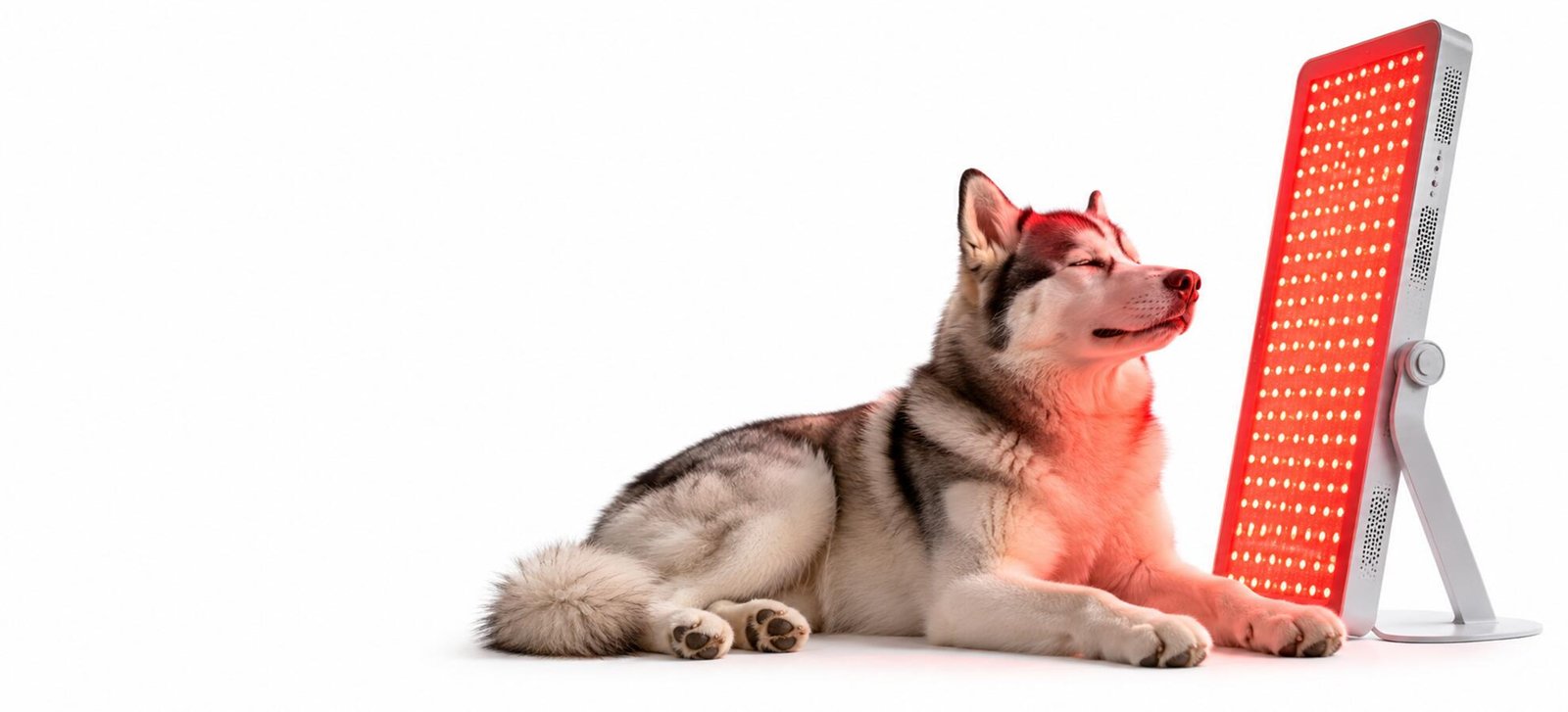
Photobiomodulation therapy (PBMT) is gaining clinical adoption in veterinary practice for pain management, wound healing, and post-operative recovery. This page outlines how MedLight's OEM-ready devices support veterinary clinic operators and distributors serving this sector.
Application Overview
Why Veterinary Clinics Use PBMT
Photobiomodulation therapy uses specific wavelengths of red and near-infrared light to stimulate cellular repair processes in animal tissue. It is non-invasive, drug-free, and applicable across a wide range of companion and equine animal conditions.
Pain & Inflammation Reduction
Red and near-infrared light penetrates tissue to reduce pro-inflammatory cytokines, providing adjunct pain relief for arthritic, post-surgical, and injured animals without pharmacological side effects.
Accelerated Tissue Healing
PBMT stimulates ATP production and collagen synthesis, supporting faster closure of wounds, incisions, and skin lesions. This is clinically relevant for post-operative care and dermatological cases.
Musculoskeletal Rehabilitation
Targeted irradiation of joints, tendons, and muscles supports recovery from orthopaedic injuries, improving mobility outcomes in dogs, cats, and horses undergoing rehabilitation programs.
Usage Environments
Where Devices Are Used
Veterinary PBMT devices are deployed across a range of clinical and care settings. The following environments represent the primary purchasing contexts our distribution partners serve.
General Veterinary Clinics
Handheld or panel devices used in consultation rooms for wound care, post-surgical recovery, and pain management in routine clinical practice.
Specialist Rehabilitation Centers
Dedicated animal physiotherapy facilities using PBMT as part of structured rehabilitation protocols, often alongside hydrotherapy and manual therapy.
Equine & Large Animal Practices
High-power panel and flexible pad devices adapted for tendon, ligament, and joint treatment in horses and other large animals in stable or barn environments.
Veterinary Product Distributors
Distributors supplying clinics across a region or country, requiring private-label devices with consistent specifications, packaging, and compliance documentation.
630-850nm
Therapeutic wavelength range
5-30min
Typical session duration
Device Categories
Recommended Product Types
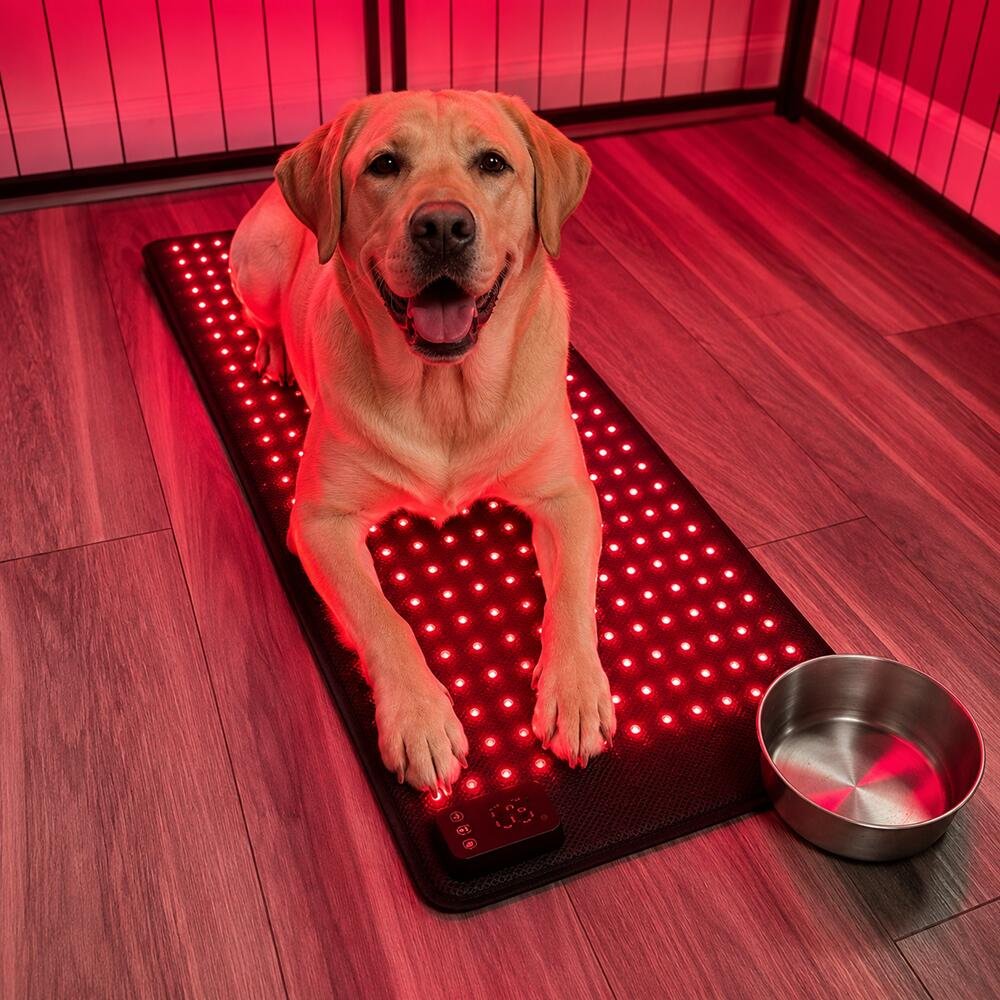
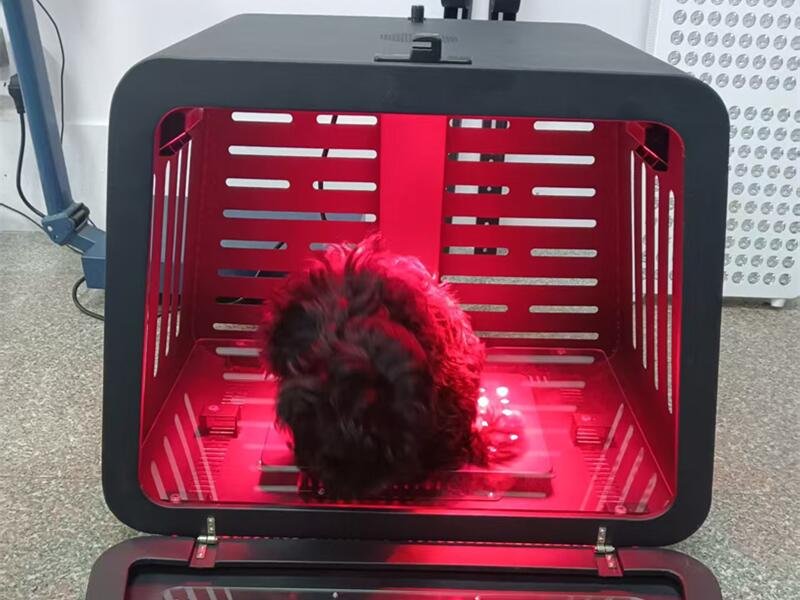
The following device categories are appropriate for veterinary clinic environments and can be configured with custom wavelengths, power densities, and branding under OEM arrangements.
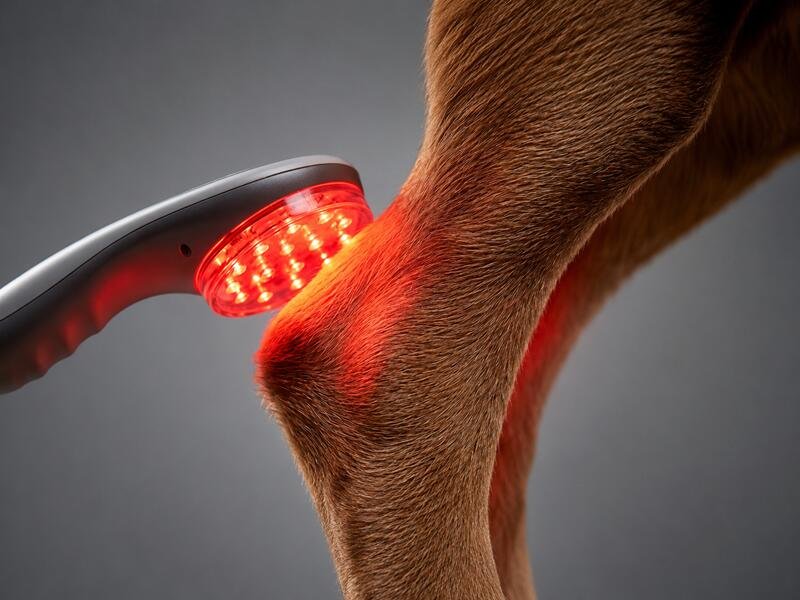
Handheld Therapy Probe
Compact, directional device for targeted spot treatment of wounds, incisions, joints, and acupuncture points. Suitable for daily clinical use by veterinary staff.
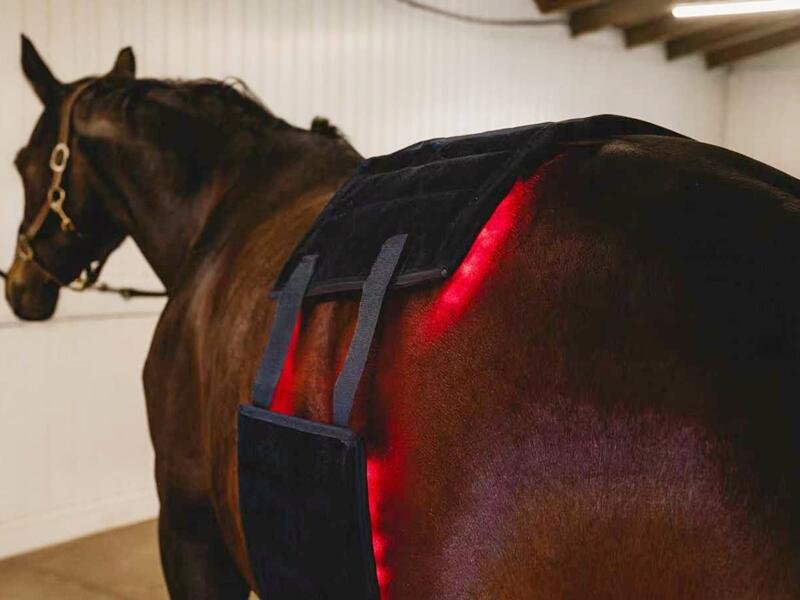
Flexible Therapy Wrap / Pad
Conformal flexible LED pad that wraps around limbs, the spine, or large joint areas. Enables hands-free treatment delivery during consultation or post-operative recovery.
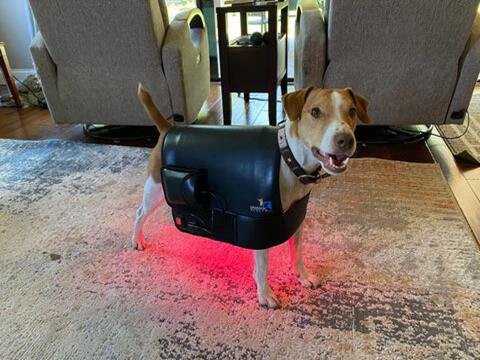
High-Power LED Panel
Fixed or floor-standing panel for treating large surface areas or large animals. Used in equine rehabilitation, kennel recovery units, and multi-patient throughput environments.
All device categories are available for OEM/ODM customization. Specifications can be adjusted to clinical protocol requirements.
Clinical Application
Standard Treatment Protocol
The following steps outline a typical PBMT session workflow in a veterinary clinic setting. Protocol specifics should be defined by the treating veterinarian based on patient condition and device specifications.
Patient Assessment & Area Preparation
Identify the target area based on diagnosis. Clean the skin surface and, if required for deep-tissue protocols, remove excess fur or apply conductive medium. Document baseline condition.
Device Configuration & Parameter Setup
Select wavelength mode (red, NIR, or combined), set irradiance level, and program session duration according to the prescribed protocol. Most devices support preset clinical programs.
Treatment Delivery
Position device at the prescribed distance from the target tissue. Administer treatment for the defined duration. Eye protection should be used for both the animal and the handler when appropriate.
Documentation & Follow-up
Record treatment parameters, patient response, and any observations in the clinical record. Schedule follow-up sessions based on protocol frequency (typically 2-3x per week for acute conditions).
Key Treatment Parameters
Note: Parameters vary by device model, animal species, body weight, and clinical indication. Dosimetry should be determined by the prescribing veterinarian.
Procurement Guidance
Solution Approach by Buyer Type
The optimal device configuration and procurement model depends on your business type, clinic scale, and target market. The following outlines common solution frameworks.
Single Clinic Operators
Small to mid-size veterinary practices
Clinics adding PBMT as a new service line benefit from a starter kit approach: one handheld device for precision work and one flexible pad for recovery protocols. This minimizes capital outlay while covering the majority of indications.
- → Start with 2 device types: handheld + flexible wrap
- → Request clinical protocol documentation and staff training support
- → Evaluate supplier compliance documentation (CE, FCC) before purchase
Multi-Location Clinic Chains
Groups operating 3+ locations
Groups benefit from standardized device specifications across locations, simplifying staff training, maintenance, and consumable management. OEM arrangements provide consistent product identity and volume pricing.
- → Standardize on a single device platform across sites
- → OEM branding for patient-facing visibility and brand consistency
- → Negotiate volume pricing with guaranteed lead times
Regional Distributors
B2B supply into veterinary markets
Distributors require a stable manufacturer with market-specific compliance documentation and reliable supply. Private-label programs with MedLight enable regional brand differentiation without the overhead of in-house product development.
- → Private label with your brand name, logo, and packaging
- → Request market-specific compliance documentation (CE, UKCA, etc.)
- → Establish consignment or buffer stock agreements for demand stability
Device Brand Developers
Building a vet-specific product line
Brands developing veterinary-specific PBMT products require ODM customization: modified form factors, veterinary-specific UI/UX, and documentation supporting CE Class IIa or equivalent. MedLight supports this process end to end.
- → Engage ODM process: brief → prototype → testing → production
- → Define veterinary-specific wavelength and power requirements
- → Plan certification pathway as part of product development scope
OEM & ODM Manufacturing
Ready to Develop a Veterinary-Grade Device?
Whether you need a private-label version of an existing platform or a fully customized veterinary device, MedLight supports the full development and manufacturing lifecycle. Minimum order quantities, lead times, and specifications are negotiated based on your project scope.
Typical Engagement Steps
Submit Product Brief
Describe application, target animal, market, and volume expectations
Receive Technical Proposal
Device spec, pricing, lead times, and certification pathway
Prototype Review & Approval
Functional prototype for testing and clinical evaluation
Production & Delivery
Quality-controlled production with international shipping support
FAQ
Common Questions
Answers to frequently asked questions from procurement managers and clinic operators evaluating PBMT devices for veterinary use.
Are your devices approved for use on animals?
What wavelengths are most appropriate for veterinary applications?
What is the minimum order quantity for OEM devices?
Can devices be adapted for large animals such as horses?
Do you provide clinical or technical documentation for end users?
What is the typical lead time from order to delivery?
Get in Touch
Discuss Your Veterinary Device Requirements
Provide a brief description of your project, target market, and volume expectations. Our team will respond with a technical proposal or request a follow-up call to understand your requirements in more detail.
Response Time
We aim to respond to all inquiries within 1-2 business days.
Confidentiality
Project details shared in inquiries are treated as confidential. NDAs available on request.
Global Inquiries
We accept inquiries from buyers and distributors worldwide. English-language responses preferred.