The answer is nuanced. Red light therapy is not a magic weight-loss solution, but when used consistently and correctly, it can deliver measurable improvements in abdominal fat reduction, skin tightening, inflammation relief, bloating reduction, and post-workout recovery. This guide breaks down the science, the realistic expectations, and the practical steps — so you can make an informed decision whether you’re sourcing devices for your clinic, building a wellness brand, or evaluating options for your own facility.
What Is Red Light Therapy?
Red light therapy (also called photobiomodulation or low-level laser therapy) is a non-invasive treatment that uses specific wavelengths of light — typically 630-680 nm (red light) and 800-850 nm (near-infrared light) — to penetrate the skin and stimulate cellular processes.
Unlike UV light, which damages skin cells, red and near-infrared light are therapeutic. They interact with mitochondria — the powerhouse of cells — triggering a cascade of biological responses including increased ATP (energy) production, improved circulation, reduced inflammation, and accelerated tissue repair.
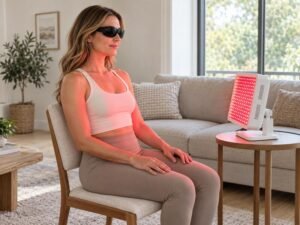
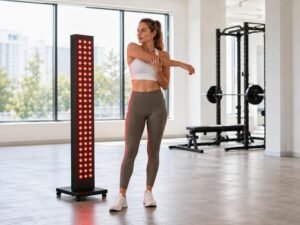
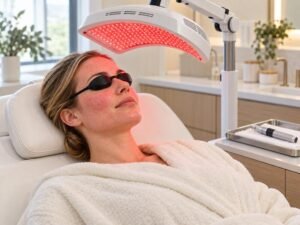
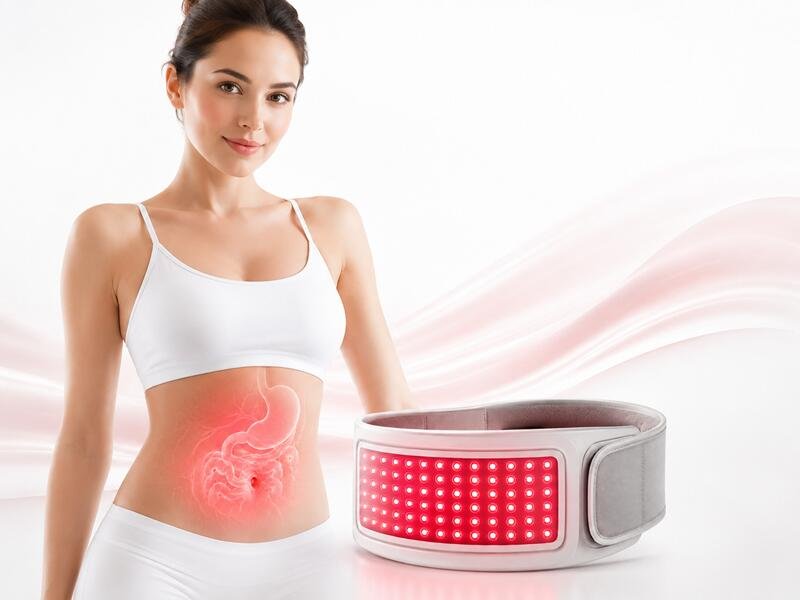
Devices range from small handheld wands to large full-body panels and wrap-around belts. For stomach-focused treatment, flexible wearable belts and targeted panels are the most practical formats.
Wavelength Quick Reference
630-660 nm — Red Light
Penetrates 1-3 mm; targets skin surface, collagen, and fat cells near the surface.
810-850 nm — Near-Infrared (NIR)
Penetrates 3-8 cm; reaches deeper muscle tissue, joints, and visceral fat layers.
Combination (Dual Wavelength)
Most effective for stomach treatments — addresses both surface and deep tissue simultaneously.
How Does Red Light Therapy Work on the Stomach?
The stomach and abdominal area is a complex zone — it includes subcutaneous fat, visceral fat, skin layers, muscle groups, connective tissue, and internal organs including the gut. Red light therapy interacts with this region through several distinct mechanisms:
Adipocyte Stimulation
Light energy creates temporary pores in fat cell membranes (adipocytes), allowing stored lipids to leak out and be metabolized by the lymphatic system — a process called lipolysis.

Anti-Inflammation
RLT reduces pro-inflammatory cytokines (TNF-α, IL-6) and upregulates anti-inflammatory pathways — directly addressing bloating, gut inflammation, and abdominal discomfort.

Collagen Synthesis
Stimulates fibroblast activity to produce new collagen and elastin, improving skin firmness and reducing the appearance of loose skin on the abdomen.

Circulation Enhancement
Increases nitric oxide production, dilating blood vessels and improving microcirculation in abdominal tissue — accelerating nutrient delivery and waste removal.

Mitochondrial Activation
Photons are absorbed by cytochrome c oxidase in mitochondria, boosting ATP energy production in abdominal cells — supporting overall metabolic activity in the region.

Lymphatic Drainage Support
Stimulates lymphatic flow to clear metabolized fat, reduce fluid retention, and decrease visible bloating and puffiness in the abdominal area.
Key Benefits for the Abdominal Area
Abdominal Fat Reduction
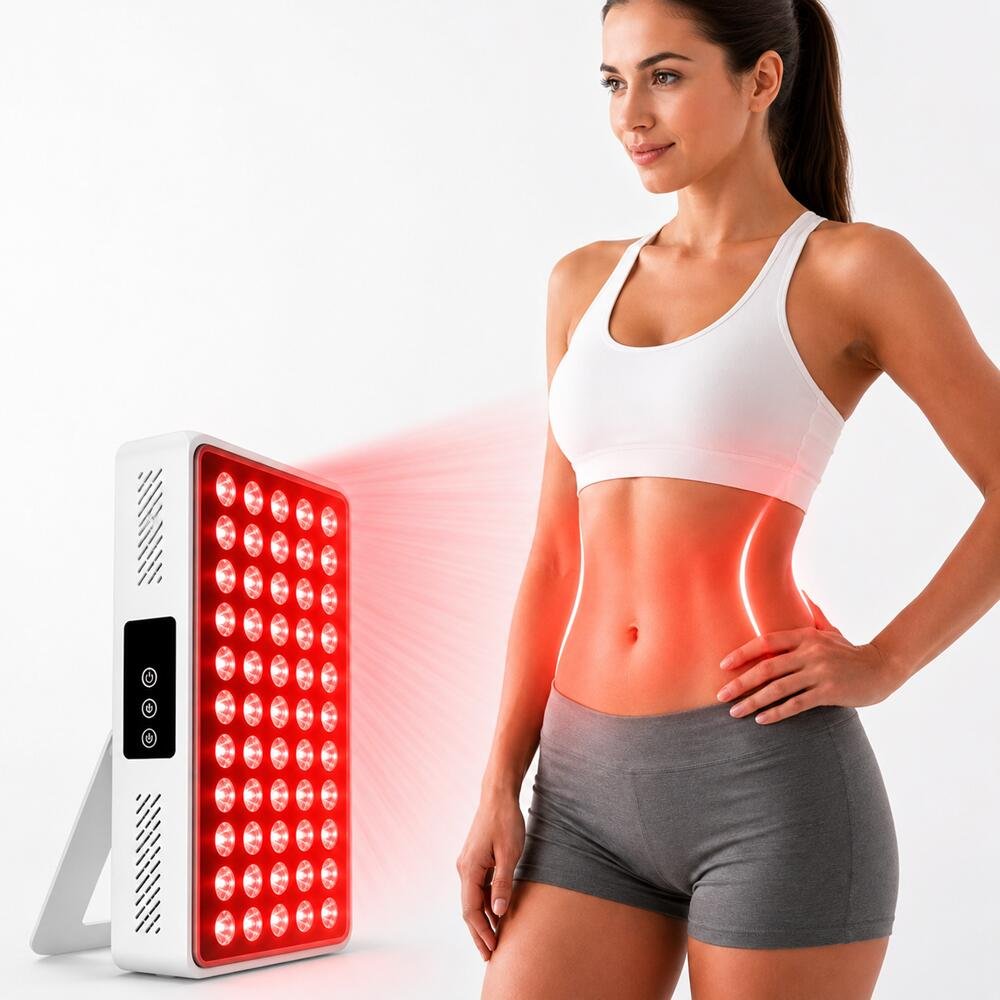
This is the most commercially discussed benefit — and it has legitimate scientific backing. When red and near-infrared light penetrates fat tissue, it disrupts the lipid membrane of adipocytes. This creates transient pores that allow triglycerides and fatty acids to escape from the cell into the interstitial space, where they are picked up by the lymphatic system and metabolized.
The result is a measurable reduction in fat cell volume. Multiple clinical studies have reported reductions in waist circumference ranging from 2 to 6 cm after a series of treatments, particularly when combined with light exercise to mobilize the released lipids.
Important: RLT reduces fat cell volume — it does not destroy fat cells. Lifestyle factors still play a significant role in overall outcomes. Best results occur when RLT is combined with a consistent exercise routine and balanced diet.
Skin Tightening and Toning
One of the most visible benefits of RLT on the stomach is improved skin quality. The abdomen is a common area for loose skin — especially after weight loss, pregnancy, or aging. Red light at 630-660 nm stimulates fibroblasts to produce collagen and elastin, the structural proteins responsible for skin firmness and elasticity.
Regular sessions can visibly tighten crepey or lax abdominal skin, reduce stretch marks over time, and improve overall skin texture. This makes RLT a popular add-on treatment in medical spas and aesthetic clinics, particularly for post-partum body contouring programs.
Bloating and Gut Discomfort Relief
This is a lesser-known but highly reported benefit among regular users. Near-infrared light penetrates deeply enough to reach the gut wall and surrounding tissue. By reducing local inflammation and improving blood flow to the intestinal region, RLT may help alleviate symptoms of:
- Irritable Bowel Syndrome (IBS)-related bloating
- General abdominal distension and gas discomfort
- Post-meal abdominal tension
- Mild inflammatory bowel symptoms (not a replacement for medical treatment)
Note: RLT is not a medical treatment for diagnosed GI conditions. Consult a healthcare provider for persistent digestive issues.
Core Muscle Recovery
For athletes, fitness enthusiasts, and rehabilitation clients, the stomach area houses the core muscle group — including the rectus abdominis, obliques, and transverse abdominis. Post-workout soreness and micro-tears in these muscles respond well to near-infrared light therapy. RLT accelerates muscle fiber repair, reduces delayed onset muscle soreness (DOMS), and decreases exercise-induced inflammation — helping clients get back to training faster and perform better.
Abdominal Pain and Menstrual Cramp Relief
Red light therapy has well-documented analgesic (pain-relieving) properties. When applied to the lower abdomen, it can reduce prostaglandin-driven inflammation that causes menstrual cramps, as well as chronic lower abdominal pain from muscle tension or mild inflammatory conditions. Users report reduced reliance on over-the-counter pain medications when using RLT consistently for cyclical abdominal pain.
Who Should Consider Red Light Therapy on the Stomach?
Red light therapy on the abdominal area is suitable for a wide range of clients. Here’s a breakdown by profile:
Medical Spa & Aesthetic Clients
✦ Post-liposuction skin tightening and smoothing
✦ Non-invasive body contouring programs
✦ Stretch mark reduction after pregnancy
✦ Abdominal skin rejuvenation for aging clients
Wellness & Spa Centers
✦ Detox and lymphatic drainage programs
✦ Stress-related abdominal tension relief
✦ Bloating and digestive wellness protocols
✦ Holistic body treatment packages
Fitness & Sports Recovery Facilities
✦ Core muscle recovery post-training
✦ DOMS reduction for high-frequency athletes
✦ Body composition improvement support
✦ Pre-competition body toning protocols
Physical & Rehabilitation Clinics
✦ Post-surgical abdominal scar tissue treatment
✦ Chronic abdominal pain management
✦ Post-partum recovery support
✦ Adjunct therapy for IBS-related discomfort
What Does the Research Say?
The scientific evidence for red light therapy on the stomach is growing — though the field is still maturing. Here are the key findings from peer-reviewed research:
Fat Reduction Studies
A 2011 study published in Obesity Surgery found that patients treated with low-level laser therapy showed a significant reduction in waist circumference compared to controls. A 2013 double-blind randomized controlled trial in the Lasers in Surgery and Medicine journal demonstrated that 635 nm laser treatment resulted in measurable fat loss in the waist and hip area after just two weeks of treatment.
Strong Evidence
Collagen and Skin Quality
Multiple studies confirm that red light at 630-660 nm significantly increases collagen type I and III synthesis in fibroblasts. A 2014 study in Photomedicine and Laser Surgery demonstrated improved skin elasticity and reduced wrinkle depth after 12 weeks of treatment — findings applicable to abdominal skin tightening.
Strong Evidence
Inflammation and Gut Health
Animal studies and early human trials suggest that near-infrared light can reduce intestinal inflammation markers and improve gut barrier function. Research on inflammatory bowel models shows reduced TNF-α and IL-1β levels following photobiomodulation. Human clinical evidence is still limited but promising.
Emerging Evidence
Muscle Recovery
A 2016 meta-analysis in the Journal of Athletic Training confirmed that photobiomodulation significantly reduces muscle soreness and accelerates recovery after exercise. These findings apply directly to core muscle recovery when RLT is applied to the abdominal region post-workout.
Strong Evidence
How to Use Red Light Therapy on Your Stomach
Effective results depend on correct protocol. Here is a practical step-by-step guide for using RLT on the abdominal area:
Recommended Protocol
Prepare the skin
Clean the abdominal area. Remove any clothing or coverings from the treatment zone. Do not apply creams or oils before treatment — they can block light penetration.
Set the correct distance
For panels: position 6-12 inches from the skin. For wearable belts: direct contact or slight pressure is standard. Follow device-specific guidelines.
Duration per session
10-20 minutes per session is the standard range. Higher-power clinical devices may require shorter sessions (5-10 min). Consumer devices may need 20-30 min.
Session frequency
3-5 sessions per week is optimal for body contouring. For pain relief and muscle recovery, daily sessions are acceptable. Allow at least 24 hours between sessions on the same area.
Post-treatment
Drink water and engage in 20-30 minutes of light movement (walking, stretching) immediately after fat reduction sessions to help mobilize released lipids through the lymphatic system.
Expected Timeline
Improved circulation, reduced bloating, and early skin tone improvements. Some users report reduced abdominal tension and better sleep.
Measurable waist circumference reduction begins. Visible skin tightening and improved texture. Fat cell volume reduction becomes apparent.
Significant collagen remodeling visible. Best fat reduction results. Stretch marks and loose skin show notable improvement. Optimal time for before/after documentation.
Reduce to 2-3 sessions per week for maintenance. Results are sustained with continued use and healthy lifestyle habits.
Choosing the Right Device for Stomach Treatment
Not all red light therapy devices are equal — and for stomach-specific treatment, device format, wavelength, and power output matter significantly. Here’s what buyers and procurement managers need to evaluate:
| Device Type | Best For | Coverage | Ideal Setting |
|---|---|---|---|
| Wearable Belt / Wrap | Fat loss, bloating, pain relief | Full abdominal wrap | Home use, wellness centers |
| Targeted Panel (Medium) | Body contouring, skin tightening | Abdomen + flanks | Clinics, med spas |
| Full-Body Panel | Systemic treatment + stomach focus | Whole body | High-volume clinics, gyms |
| Handheld Device | Spot treatment, scar tissue | Small targeted areas | Personal use, adjunct therapy |
Key Specifications to Verify
Safety and Precautions
Red light therapy has an excellent safety profile. It is non-ionizing, non-thermal at correct dosages, and has no documented long-term adverse effects in clinical literature. However, there are important precautions to observe when applying it to the stomach area:
Safe For
- ✓Most healthy adults
- ✓Post-workout recovery use
- ✓Daily use at correct dosage
- ✓Use alongside diet and exercise programs
- ✓Post-surgical recovery (after wound closure)
Use Caution / Avoid
- ✗Active cancer in the abdominal region
- ✗Pregnancy (especially over the abdomen)
- ✗Open wounds or unhealed surgical incisions
- ✗Photosensitizing medications — consult physician
- ✗Directly over implanted electronic devices (e.g., insulin pumps)
Frequently Asked Questions
How long does it take to see results on the stomach?
Can red light therapy reduce belly fat without exercise?
Is a wearable belt better than a panel for stomach treatment?
Can red light therapy help with bloating after eating?
How does RLT compare to ultrasound cavitation or cryolipolysis for stomach fat?
What wavelength is best for stomach fat reduction specifically?
What information should I include in my RFQ for a custom red light therapy device?
What is the minimum order quantity (MOQ) for OEM/ODM red light therapy devices?
How long does it take to receive a quote after submitting an RFQ?
Can I request a sample or prototype before placing a full production order?
Final Verdict: Does Red Light Therapy Help Your Stomach?
Yes — with realistic expectations. Red light therapy is a legitimate, evidence-backed tool for improving abdominal health across multiple dimensions. It is not a one-session miracle, and it works best as part of a broader wellness or body treatment protocol.
Effective for fat reduction
Clinically supported waist circumference reduction
Tightens and tones skin
Stimulates collagen for firmer abdominal skin
Reduces bloating & pain
Anti-inflammatory effects on gut and muscle
For businesses sourcing devices — whether for a medical spa, wellness brand, fitness recovery center, or distribution — abdominal-focused RLT represents a high-demand service category with strong client retention potential. The key to success is device quality, consistent treatment protocols, and setting accurate client expectations from the start.