Red Light Therapy for
Wellness Centers
A practical reference for spa operators, wellness brand owners, and procurement managers evaluating red and near-infrared light therapy devices for professional use.
Application Overview
Why Wellness Centers Adopt Light Therapy
Non-Invasive Protocol
Red and near-infrared light therapy requires no consumables, no downtime, and no clinical licensing in most markets -- making it well-suited for spa and wellness environments.
Expanding Client Demand
Consumer awareness of light therapy for skin rejuvenation, stress recovery, and muscle relief continues to grow -- wellness centers can serve these needs directly with professional-grade devices.
Revenue Diversification
Light therapy sessions can be offered as standalone treatments or bundled with existing services, adding a repeatable, low-overhead revenue stream to existing wellness programs.
Usage Environment
Where These Devices Are Used
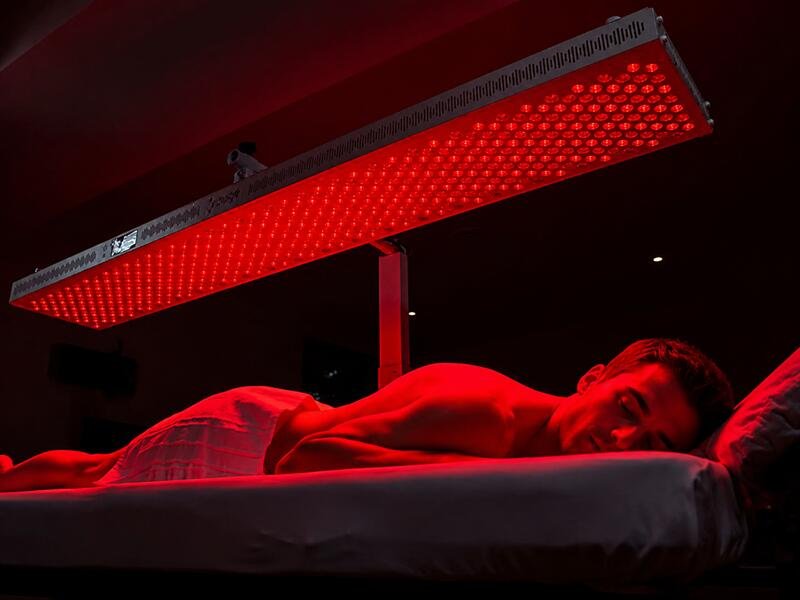
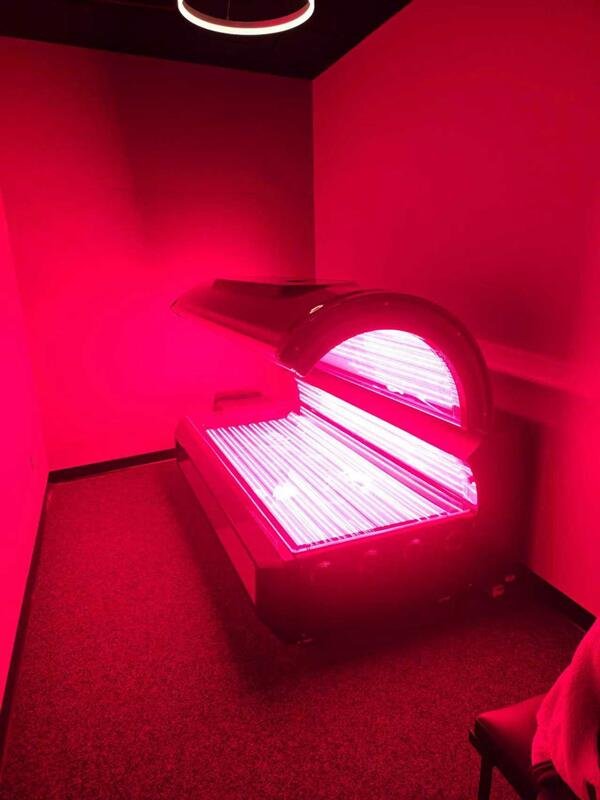
Light therapy devices in wellness centers are installed in dedicated treatment rooms, relaxation zones, and shared recovery spaces. The format of the device typically matches the room size, treatment duration, and service positioning.
Private Treatment Rooms
Full-body panels or targeted device setups for one-on-one sessions with defined protocols.
Relaxation & Recovery Lounges
Compact panels or wearable devices integrated into existing lounge areas, allowing passive treatment during downtime.
Facial & Skin Care Stations
LED facial masks used as add-ons to existing facials or skincare services, with minimal setup time.
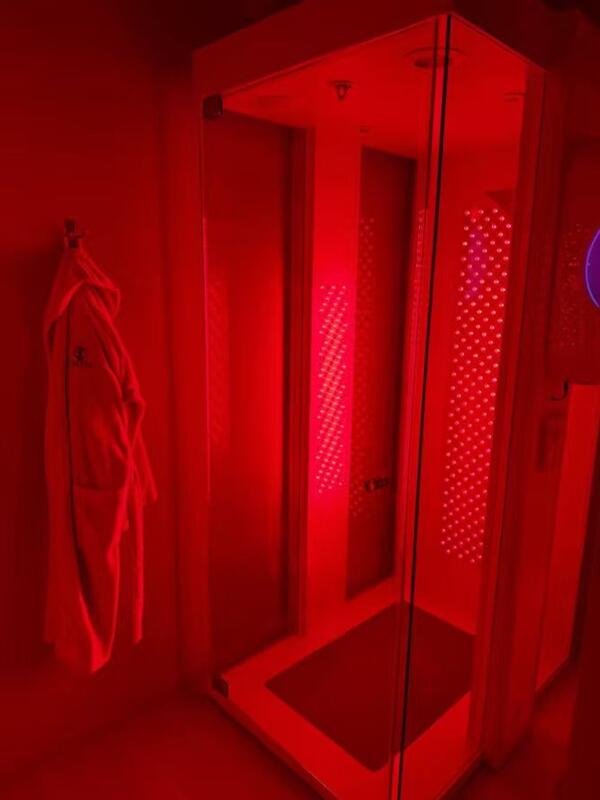
Sauna & Infrared Suites
Light therapy panels co-located with infrared sauna cabins or hydrotherapy spaces to complement thermal treatments.
Typical Session
10-20 min
Per client, per treatment area
Recommended Devices
Product Categories for Wellness Applications
Three primary device formats serve the majority of wellness center use cases. Selection depends on treatment goals, room configuration, and client volume.
Modular Light Panels
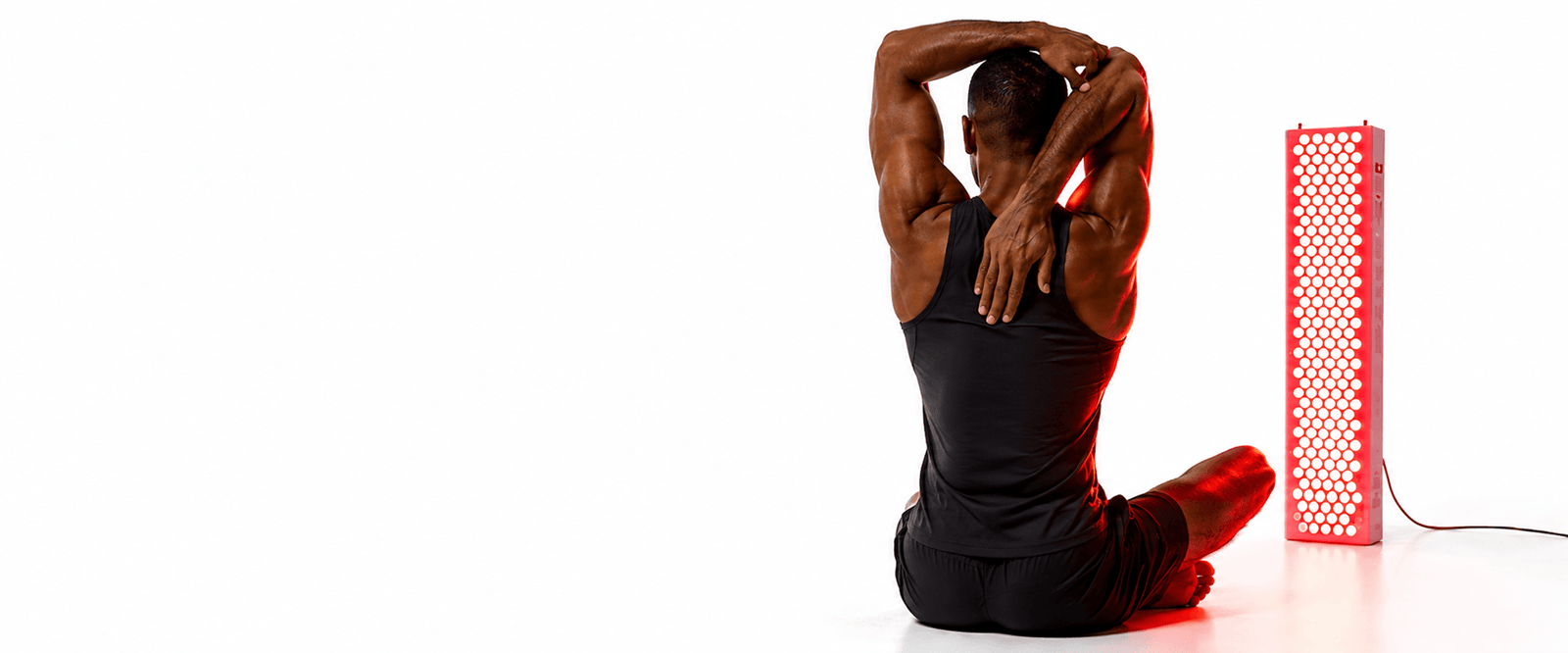
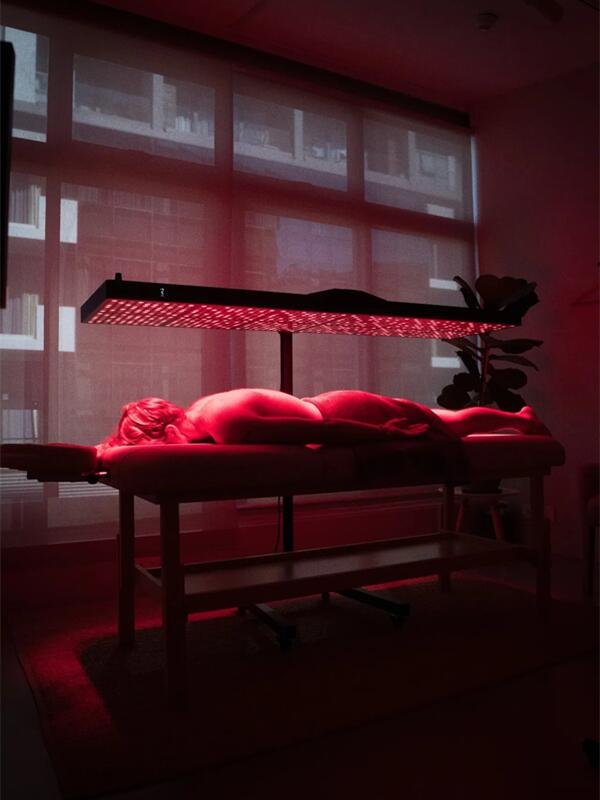
Floor-standing or wall-mounted full-body panels designed for private treatment rooms. Supports multi-zone treatment covering the entire body in a single session.
- ✦ Wavelengths: 630-660nm (red), 810-850nm (NIR)
- ✦ Use: Full-body recovery, skin, circulation
- ✦ Format: Panel / modular array
LED Facial Masks
Ergonomic masks delivering targeted wavelengths to facial tissue. Easily integrated into existing facial or skincare services with minimal operator training.
- ✦ Wavelengths: 415nm, 630nm, 850nm (multi-mode)
- ✦ Use: Skin rejuvenation, collagen, acne
- ✦ Format: Wearable mask
Targeted Wearable Belts
Flexible wrap-around devices that can be applied to waist, joints, or limbs during passive rest. Suitable for relaxation lounges where clients remain clothed.
- ✦ Wavelengths: 660nm, 850nm
- ✦ Use: Body contouring, muscle relief, joints
- ✦ Format: Flexible belt / wrap
Treatment Workflow
Standard Usage Steps
Light therapy devices in wellness settings follow a simple, repeatable process. Staff training requirements are minimal compared to other treatment modalities.
Client Intake & Goal Setting
Document the client's treatment area and goals (skin, recovery, or relaxation). Review any contraindications (photosensitivity, medication).
Device Selection & Positioning
Select the appropriate device format. Position panels at 6-12 inches from the target area, or apply wearable devices directly to the skin or over thin fabric.
Session Delivery
Activate the device at the configured settings. Typical session duration is 10-20 minutes per treatment zone. Provide protective eyewear when treating near the face.
Post-Session & Documentation
Log treatment parameters for continuity. Advise clients on recommended session frequency (typically 3-5x per week for initial results).
Business Configuration
Solution Recommendations by Facility Type
Device selection and deployment scale typically depend on facility size, existing service mix, and target client demographic.
Entry-Level Setup
Suitable for independent wellness studios or boutique spas adding light therapy as a complementary service.
- ✦ 1-2 LED facial masks for skincare add-ons
- ✦ 1 targeted panel for body treatments
- ✦ Low upfront investment, fast setup
Multi-Room Configuration
For wellness centers with dedicated treatment rooms and a volume-driven service model.
- ✦ 2-4 full-body panels across treatment rooms
- ✦ Wearable belts for lounge zones
- ✦ Private label branding considered
OEM / Brand Program
For established wellness brands or multi-location operators seeking a consistent, branded device experience across facilities.
- ✦ Custom branding on enclosure and packaging
- ✦ Standardized device specs across all locations
- ✦ Dedicated supply and support agreement
- ✦ CE / FCC certification support included
OEM & ODM Services
Build a Device Line Under Your Brand
If you operate multiple locations or manage a product portfolio, MedLight can develop custom-specified devices with your branding, from prototype to production-ready supply.
Custom wavelength & power configurations
Enclosure, color, and packaging customization
CE, FCC, and regulatory documentation support
FAQ
Common Questions
Frequently asked by wellness center operators and procurement managers evaluating light therapy equipment.
What wavelengths are used in wellness center devices?
Do operators need medical certification to use these devices?
What is the minimum order quantity for OEM devices?
Can devices be branded with our center's identity?
How long does it take from inquiry to first shipment?
What certifications do your devices carry?
A Quick Tip
Request Product Information
Ensure clients arrive with completely bare skin—free from makeup, lotions, and sunscreens. Products containing heavy moisturizers or active ingredients like retinol can block light absorption, significantly reducing the cellular benefits of the treatment.
Response Time
We respond to all inquiries within 1-2 business days.
No Obligation
Initial consultations are free. NDA available upon request.
Global Clients
We work with clients across North America, Europe, Australia, and Asia.