
How Red Light
Therapy Works
A science-backed modality that harnesses specific wavelengths of red and infrared light to stimulate cellular energy production, accelerate recovery, and support long-term tissue health.
What Is Red Light Therapy?
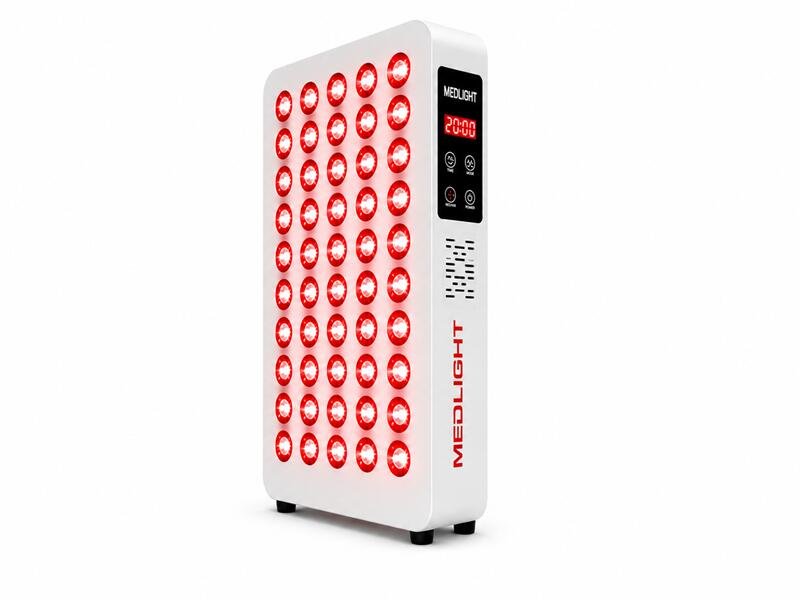
Red light therapy (RLT), also known as photobiomodulation (PBM) or low-level laser therapy (LLLT), is a non-invasive treatment that uses specific wavelengths of red and near-infrared (NIR) light to penetrate skin and tissue at the cellular level.
Unlike UV light, which can damage DNA and skin cells, red and near-infrared wavelengths are biocompatible -- they are absorbed by cellular structures and converted into usable energy, triggering a cascade of beneficial biological responses.
The therapy has been the subject of over 5,000 peer-reviewed studies, and is used across medical aesthetics, sports recovery, rehabilitation, and wellness applications worldwide.
Wavelength Range
630 - 1060 nm
Therapeutic Wavelengths Explained
Different wavelengths penetrate tissue at different depths, each activating distinct biological pathways.
Blue Light
480 nm
Targets the uppermost skin layers with high-energy visible light. Clinically recognized for acne treatment, sebum regulation, and antimicrobial action against P. acnes bacteria.
Penetration Depth
~0.5-1 mm into tissue
Yellow Light
590 nm
Operates in the visible yellow spectrum to address vascular concerns and skin tone irregularities. Known for its calming, anti-redness effects and ability to stimulate lymphatic flow.
Penetration Depth
~1-2 mm into tissue
Red Light
630 - 660 nm
Primarily absorbed in the skin's surface layers. Ideal for skin rejuvenation, collagen production, wound healing, and facial treatments.
Penetration Depth
~2-3 mm into tissue
Near-Infrared
810 - 850 nm
Penetrates deeper into muscle, joint, and bone tissue. Highly effective for pain relief, sports recovery, and deep-tissue regeneration.
Penetration Depth
~5-10 mm into tissue
Deep NIR
940 - 1060 nm
A longer infrared wavelength with exceptional deep-tissue reach. Particularly effective for fat reduction, body contouring, and accelerating metabolic activity in deeper tissue layers.
Penetration Depth
~15-20 mm into tissue
Dual-Wavelength
Combined Therapy
Combining red and NIR wavelengths in a single device delivers synergistic benefits -- addressing both surface-level and deep-tissue conditions simultaneously.
Inside the Cell: Step by Step
From photon absorption to systemic biological response -- here is how light becomes healing energy.
 1
Photon Absorption
1
Photon Absorption
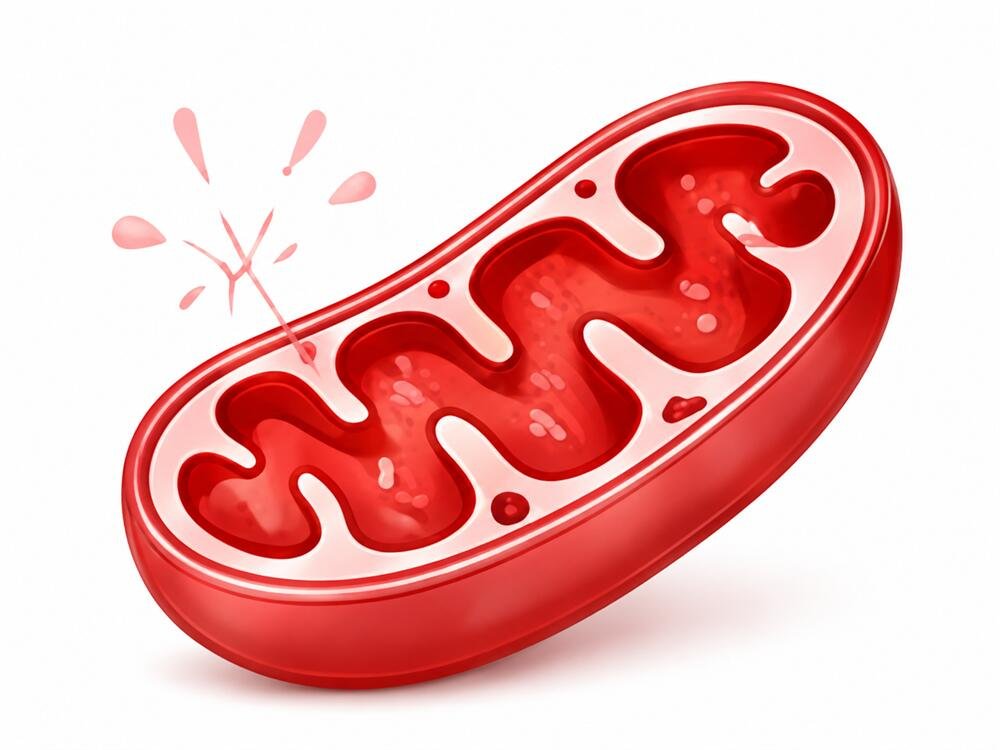
Light Reaches the Mitochondria
Red and NIR photons penetrate the skin and are absorbed by cytochrome c oxidase (CCO), a key enzyme in the mitochondrial respiratory chain. CCO acts as the primary chromophore -- the cellular "antenna" that captures therapeutic light energy.
Key Chromophore
Cytochrome c oxidase (Complex IV) is the primary light-absorbing molecule in human cells, found in every mitochondrion.
 2
ATP Production
2
ATP Production
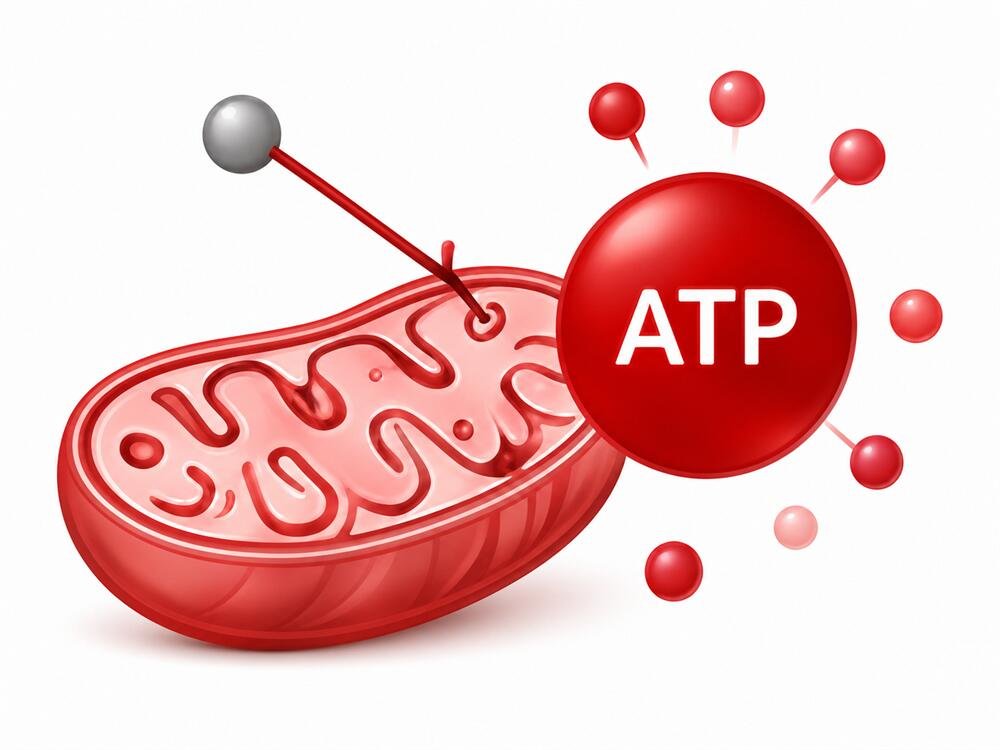
Cells Produce More Energy
Light energy stimulates CCO, increasing the electron transport chain efficiency and boosting the production of adenosine triphosphate (ATP) -- the primary energy currency of every cell. More ATP means cells can repair, replicate, and function at higher capacity.
ATP = Cellular Fuel
Studies show RLT can increase ATP production by up to 150%, directly accelerating cellular repair and regeneration processes.
 3
Signaling Cascade
3
Signaling Cascade
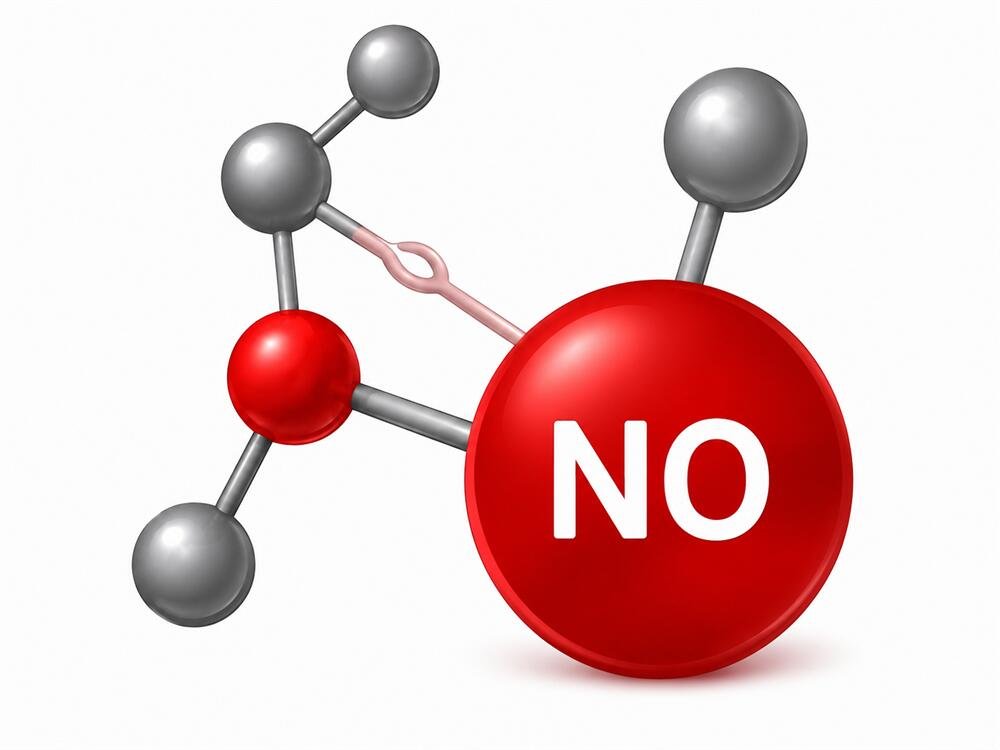
Biological Signals Are Activated
Increased ATP and light-induced changes in mitochondrial membrane potential trigger downstream signaling molecules including reactive oxygen species (ROS), nitric oxide (NO), and cAMP. These messengers regulate inflammation, cell survival, and tissue remodeling pathways.
Nitric Oxide Release
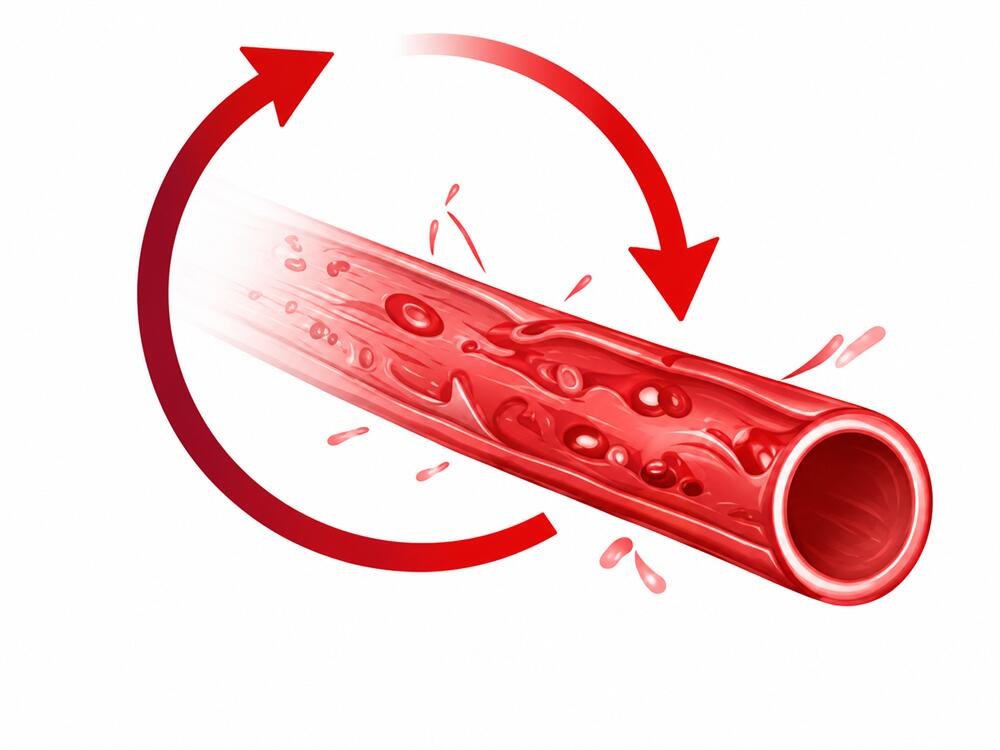
RLT displaces inhibitory NO from CCO, improving blood flow, reducing oxidative stress, and enabling vasodilation in treated tissue.
 4
Tissue Response
4
Tissue Response
Measurable Healing Outcomes
The cumulative cellular response produces measurable tissue-level outcomes: reduced inflammation, accelerated collagen synthesis, improved microcirculation, faster wound healing, and enhanced muscle recovery -- the clinical outcomes that practitioners and end-users experience.
Systemic Benefits
Effects extend beyond the treatment site -- improved circulation and reduced systemic inflammation benefit the whole body over consistent use.
Evidence-Backed Benefits
Across thousands of peer-reviewed studies, red light therapy has demonstrated consistent efficacy in these core application areas.
Skin Rejuvenation
Stimulates fibroblast activity and collagen/elastin production, reducing fine lines, wrinkles, and improving overall skin texture and tone. Widely used in medical aesthetics and dermatology.

Muscle Recovery
Reduces exercise-induced muscle damage, decreases delayed onset muscle soreness (DOMS), and accelerates recovery time. Standard in elite sports and rehabilitation facilities.
Pain Relief
Modulates inflammatory mediators and stimulates endorphin release. Effective for chronic joint pain, arthritis, neuropathy, and post-surgical recovery without pharmaceutical intervention.
Wound Healing
Accelerates tissue repair by promoting angiogenesis, reducing oxidative stress, and enhancing immune cell function. Used in clinical wound care and post-procedure recovery protocols.
Hair Growth
Stimulates hair follicle stem cells, prolongs the anagen (growth) phase, and increases follicle density. Clinically supported for androgenetic alopecia and general hair thinning.
Fat Reduction
Specific wavelengths create transient pores in adipocyte membranes, enabling lipid release and facilitating body contouring. Used in non-invasive fat loss and body sculpting protocols.
Safe, Non-Invasive, and Well-Tolerated
Red light therapy has an excellent safety profile supported by decades of clinical research. Unlike UV radiation, laser ablation, or thermal treatments, it does not damage tissue -- it works with the body's own cellular machinery.
No UV Radiation
Red and NIR wavelengths carry no UV component -- no risk of DNA damage or sunburn.

No Thermal Damage
Operates at irradiance levels that stimulate without heating tissue beyond safe thresholds.

No Pharmaceuticals Required
A purely physical modality -- no drugs, no topical agents, no systemic side effects.

Broad Population Tolerance
Well-tolerated across all skin types and ages, with minimal contraindications in healthy individuals.
Key Treatment Parameters
Parameters vary by application, device type, and clinical protocol. MedLight devices are engineered to deliver consistent, calibrated output across all specified parameters.
Precautions & Contraindications
While red and near-infrared light therapy is broadly safe, certain conditions and populations require additional consideration. The following guidance supports responsible clinical and commercial deployment.
Absolute Contraindications
Conditions where light therapy should not be applied under any circumstances.
- Avoid direct irradiation of known or suspected cancerous lesions without medical supervision.
- Direct exposure to eyes should be avoided; protective goggles recommended during facial treatments.
- Consult a physician if taking medications that increase light sensitivity (e.g., certain antibiotics, retinoids).
- Application directly over the thyroid gland
Use with Caution
Populations and conditions that may require modified protocols or physician supervision.
- Insufficient data; avoid abdominal and lumbar exposure during pregnancy as a precautionary measure.
- Individuals with epilepsy or photosensitive seizure disorders
- Active hemorrhage or bleeding disorders in the treatment area
- Implanted electronic devices (e.g., pacemakers) near the treatment zone
- Children under 12 -- consult a healthcare professional before use
General Precautions
Best-practice guidelines for safe, consistent delivery across all device categories.
Eye Protection Required
Protective goggles must be worn during facial or full-body panel sessions.
Avoid Overexposure
Adhere to recommended session durations. Excessive dosing may reduce efficacy.
Consult Before Clinical Use
Practitioners should screen patients for relevant conditions prior to initiating treatment.
Disclaimer: This information is provided for general reference purposes and does not constitute medical advice. End-product labeling, user manuals, and clinical protocols should be developed in consultation with qualified regulatory and medical professionals. MedLight supports OEM/ODM partners in preparing compliant documentation for their target markets.
Deployed Across Leading Wellness Environments
Red light therapy has moved from research labs to mainstream clinical and consumer settings globally.
Medical Aesthetics Clinics
Facial rejuvenation, post-procedure healing, acne management, and body contouring treatments.

Wellness Centers & Spas
Holistic wellness protocols, stress reduction, skin health maintenance, and relaxation services.
Sports & Fitness Facilities
Pre-workout priming, post-exercise muscle recovery, injury rehabilitation, and performance optimization for athletes and gym members.

Rehabilitation Clinics
Post-surgical recovery, chronic pain management, nerve regeneration support, and mobility restoration.

Saunas & Recovery Suites
Integrated light therapy suites enhancing detox, circulation, and deep recovery.
Dermatology Practices
Clinically supervised treatment of acne, rosacea, and photoaging with precision dosing.
Personal Home Use
Compact, user-friendly devices for daily skincare and wellness routines at home.

Veterinary & Pet Care
Gentle, targeted therapy for pets supporting wound healing, joint pain, and mobility.
Ready to Build Your Red Light Therapy Product?
Red light therapy (RLT) uses low-level wavelengths to stimulate cellular energy, improve skin health, and reduce inflammation. For safe and effective results, start with clean, bare skin, limit sessions to 10–20 minutes, and maintain a consistent routine of 3 to 5 times a week.