Red light therapy sits at the intersection of clinical credibility and consumer demand. Clinics are adopting it. Athletes rely on it. And if you’re a brand owner, distributor, or procurement manager, your customers are already asking whether you carry it — or why you don’t.
Here’s the reality for buyers still weighing their options: the global market crossed a billion dollars and shows no signs of slowing. While you’ve been evaluating suppliers, private-label brands have already launched, sold out, and are running reorders. That’s not a trend — that’s a purchasing pattern.
This guide cuts through the marketing noise. What you’ll find instead: a clear look at the technology, the market opportunity, what to verify before placing an OEM or ODM order, and how MedLight supports buyers from product concept through to mass production — written for decision-makers, not mood boards.
What Is Red Light Therapy?
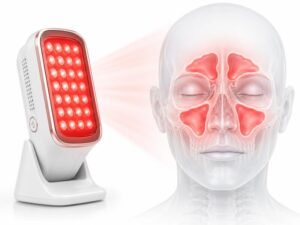
Red light therapy (RLT) — also called photobiomodulation (PBM) or low-level light therapy (LLLT) — is a non-invasive treatment that exposes skin and underlying tissue to specific wavelengths of red and near-infrared (NIR) light. Unlike UV light, which damages DNA, or ablative lasers, which destroy tissue, red and NIR light work at the mitochondrial level to stimulate natural biological processes without harming the tissue itself.
The wavelength ranges used in commercial devices fall into two bands:
Red Light
Wavelengths: 630 nm – 680 nm
Penetration: superficial skin layers (0-2 mm). Best suited for surface-level skin rejuvenation, collagen synthesis, wound healing, and facial care.
Near-Infrared (NIR) Light
Wavelengths: 800 nm – 1,000 nm (most common: 810, 830, 850 nm)
Penetration: deeper tissues — muscles, joints, nerves (up to 5-10 cm). More appropriate for pain relief, muscle recovery, and inflammation.
Most clinical and commercial devices combine both wavelengths in a single panel or wearable to treat surface and deep tissue in the same session.
How Does It Actually Work?
Step 1: Photon Absorption
Photons from LEDs penetrate the skin and are absorbed by cytochrome c oxidase (CCO) — a protein in the mitochondrial respiratory chain.
Step 2: ATP Production Boost
CCO activation speeds up the electron transport chain, increasing adenosine triphosphate (ATP) — the primary energy source cells use to function and repair.
Step 3: Downstream Signaling
Higher ATP levels trigger nitric oxide release, reactive oxygen species (ROS) signaling, and gene expression changes that regulate inflammation and cell growth.
Step 4: Tissue Repair
Cells with more available energy repair faster, produce more collagen, reduce inflammatory cytokines, and regenerate more efficiently.
This is why photobiomodulation shows up across such a wide range of clinical applications. The mechanism sits at the level of basic cellular energy metabolism, which means it can influence almost every tissue type in the body.
Is Red Light Therapy Hot — Physically Speaking?
Slightly warm — not hot.
This is one of the most common questions from both buyers and end users. Red and near-infrared LEDs do produce a mild thermal sensation — most people describe it as a gentle warmth, similar to standing in mild sunlight. That’s meaningfully different from heat-based therapies like infrared saunas or thermal pads, which actively raise tissue temperature.
36-40°C
Typical skin surface temperature during a standard red light therapy session
70-90°C
Typical air temperature inside an infrared sauna cabin
No Burns
Properly engineered RLT devices do not burn or permanently alter tissue at standard irradiance levels
The warmth users feel comes from two sources: the natural infrared component of LED light (even “red” LEDs emit some thermal radiation) and the metabolic heat generated as tissues absorb photons. Neither reaches a level that causes thermal damage when devices are properly engineered with appropriate irradiance settings and treatment distances.
Buyer note: When evaluating devices, ask for irradiance data (mW/cm²) measured at the recommended treatment distance. A reputable manufacturer provides this from third-party testing — not just a number in a brochure.
Is Red Light Therapy Hot — Market Speaking?
The numbers are straightforward. Red light therapy has moved from niche clinical use into mainstream consumer and professional wellness, and the growth reflects real demand — not just online chatter.
$1.2B+
Global market size (2023 estimate)
~14%
Projected CAGR through 2030
3 Sectors
Professional clinics, home-use consumer, and sports recovery
300%+
Growth in search volume for “red light therapy” over five years
What’s driving this? Several things converging at once:
- ✓Athlete and influencer adoption — professional sports teams, biohackers, and wellness-focused media personalities have pulled RLT into the mainstream faster than any paid campaign could.
- ✓A growing clinical record — thousands of peer-reviewed studies have reduced buyer skepticism and given clinics the confidence to add it to their treatment menus.
- ✓Lower device costs — LED manufacturing has become significantly cheaper, bringing clinical-grade devices within reach for both professional facilities and home consumers.
- ✓The shift toward non-pharmaceutical wellness — consumers and clinics alike are investing in non-invasive health tools, and RLT fits that preference well.
- ✓Aging population spending — anti-aging, skin health, and mobility are top priorities for older consumers in North America, Europe, and Asia — all high-value markets for this category.
Applications with Strong Clinical Support
For buyers building out a product portfolio, the applications below have the strongest peer-reviewed backing — and represent the highest commercial demand across professional and consumer channels:
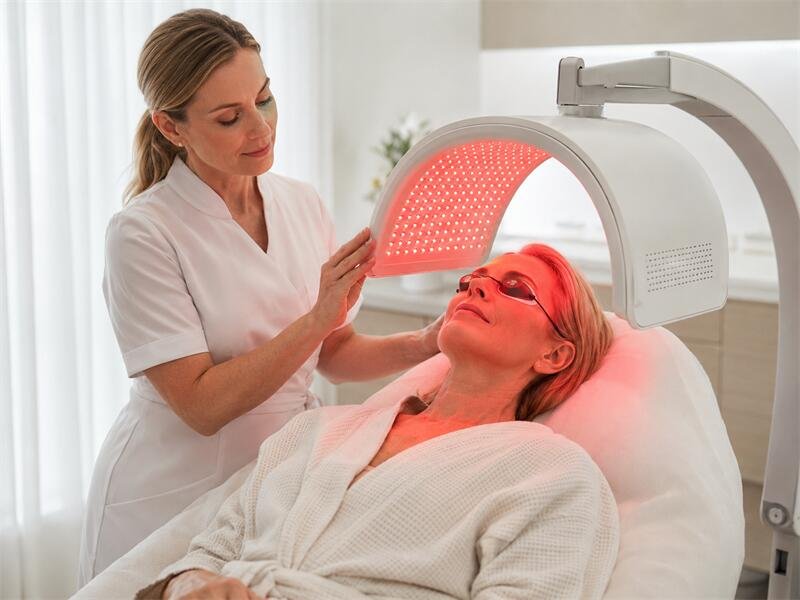
🌟 Skin Rejuvenation & Anti-Aging
Stimulates fibroblast activity and collagen type I production. Reduces fine lines, wrinkles, and skin roughness. Improves tone and elasticity. Standard offering in dermatology clinics, medical aesthetics practices, and MedSpas.
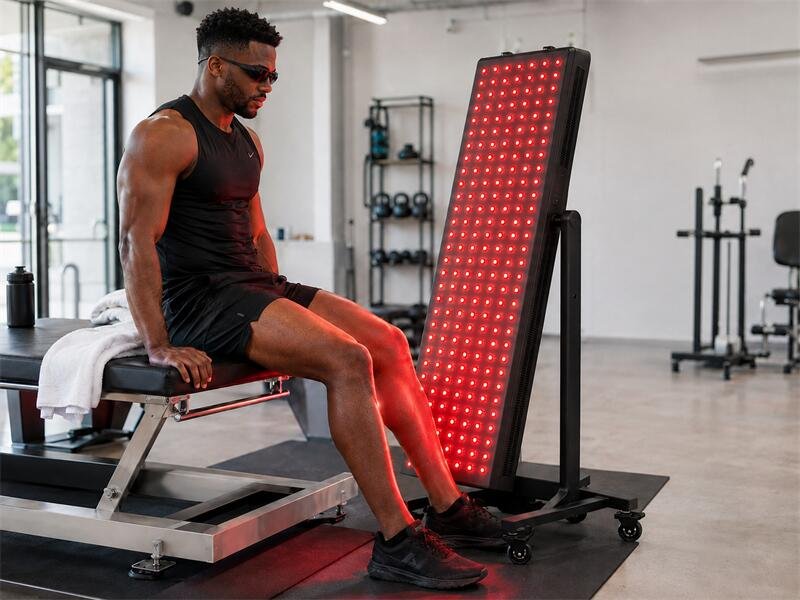
💪 Muscle Recovery & Sports Performance
Reduces delayed-onset muscle soreness (DOMS). Speeds up post-exercise recovery. Decreases inflammatory markers. Widely used by professional sports teams, commercial gyms, and physiotherapy clinics.
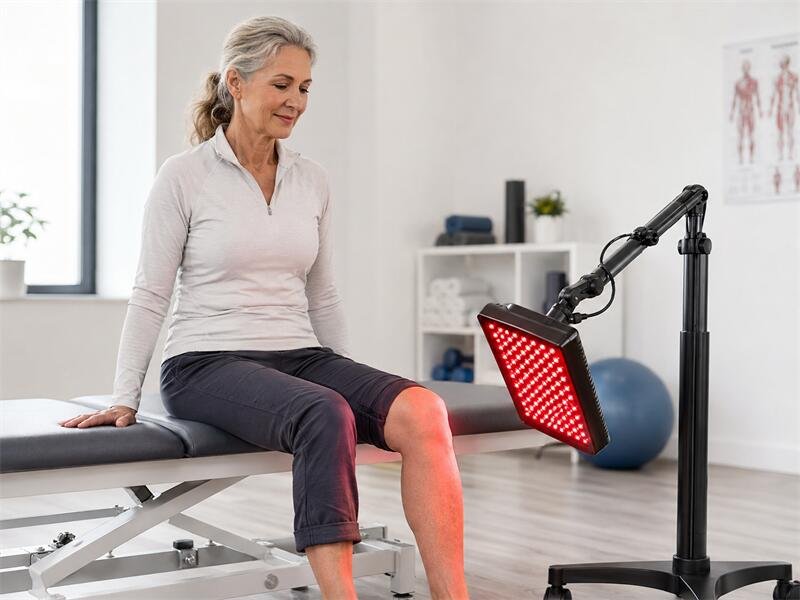
🦴 Pain Relief & Joint Health
Modulates pain signaling via nitric oxide and endorphin pathways. Studied in arthritis, back pain, and neuropathic pain. Common in rehabilitation clinics and pain management practices.
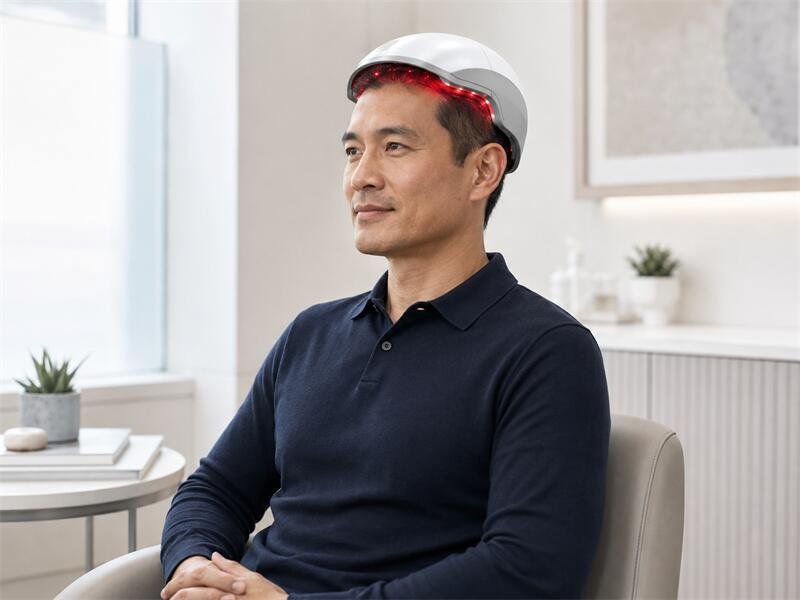
💇 Hair Growth
FDA-cleared devices are available for androgenetic alopecia (pattern baldness). Stimulates hair follicle activity and extends the anagen (growth) phase. A growing market in both direct-to-consumer channels and clinics across North America and Asia.
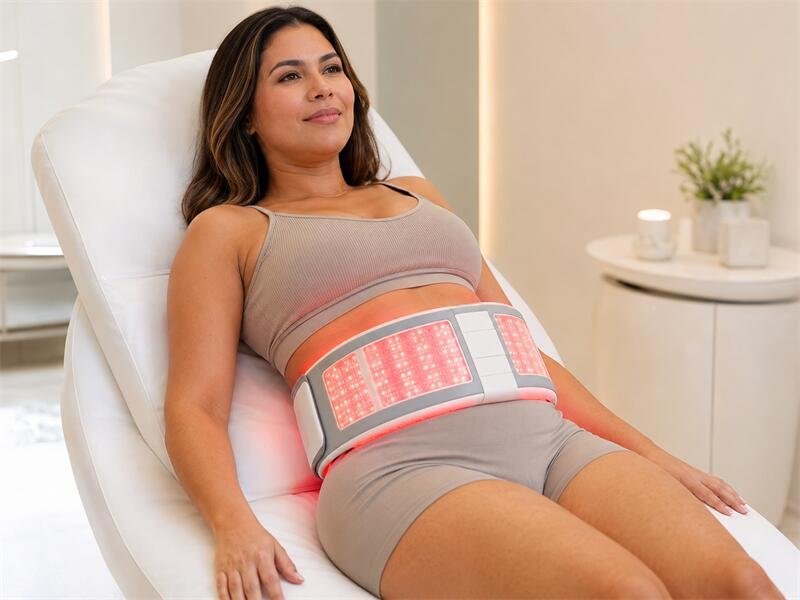
🏋️ Fat Loss & Body Contouring
Certain wavelengths (635-680 nm) may temporarily stimulate lipid release from fat cells when combined with exercise. Used in body contouring clinics as a complementary service alongside diet and exercise programs.
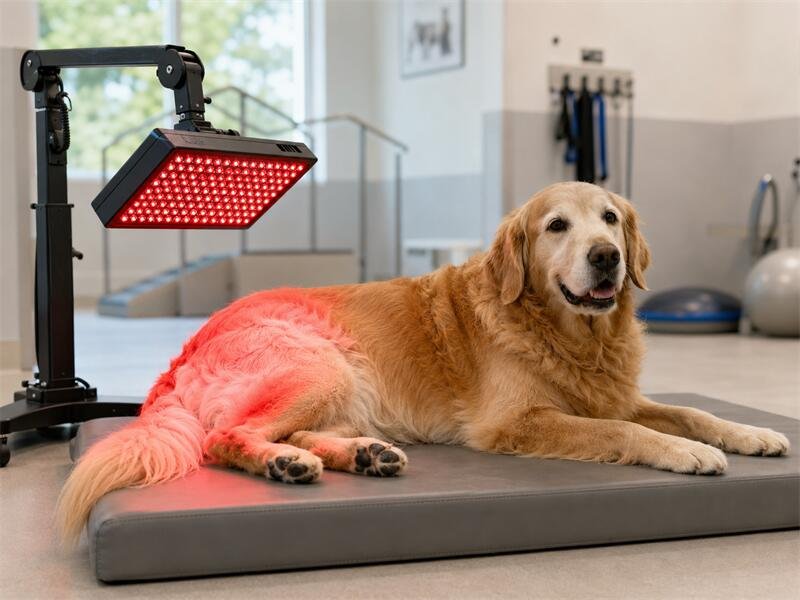
🐾 Pet Therapy
Gaining traction for canine joint pain, wound healing, and post-surgical recovery. A fast-growing category in both veterinary practices and pet wellness retail.
Who Is Buying Red Light Therapy Products — and Why?
Knowing who the end buyers are helps you choose the right product categories and price points from the start.
| Customer Segment | Primary Applications | Preferred Device Types |
|---|---|---|
| Medical Aesthetics Clinics / MedSpas | Skin rejuvenation, acne, anti-aging, post-procedure healing | Facial masks, large panels, full-body beds |
| Fitness & Gyms | Muscle recovery, performance optimization | Full-body panels, wearable recovery belts |
| Physical Therapy / Rehabilitation | Pain management, tissue repair, inflammation | Handheld devices, targeted wearable pads |
| Wellness Centers & Spas | Relaxation, skin glow, holistic wellness | Full-body systems, targeted panels |
| Dermatology Clinics | Acne, psoriasis, wound healing, skin aging | Clinical-grade panels, combination devices |
| Distributors & Wholesalers | Full portfolio coverage across segments | All categories — scalable MOQ orders |
| Home-Use Consumers (via D2C brands) | Skin care, hair growth, general wellness | Desktop panels, masks, handheld devices |
Safety Considerations
For a buyer, safety isn’t just about the end user’s wellbeing — it’s a business risk issue. A non-compliant or poorly engineered device creates returns, liability exposure, and brand damage that’s difficult to walk back.
✅ Why RLT Has a Strong Safety Record
- • No UV radiation — no DNA damage or sunburn risk
- • Non-thermal at standard irradiance levels — no tissue burning
- • Non-ionizing — does not cause radiation harm
- • Thousands of human clinical trials with strong safety profiles
- • FDA-cleared for multiple indications (Class II medical devices)
⚠️ Precautions to Pass On to Users
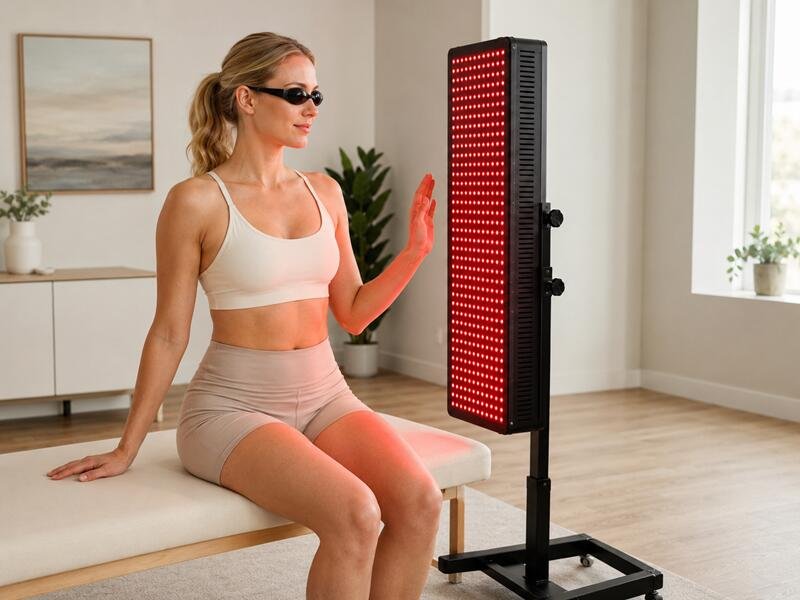
- • Eye protection is required — direct LED exposure is hazardous to eyes
- • Avoid use over active cancer sites without physician guidance
- • Photosensitizing medications can increase light sensitivity
- • Pregnant women should check with a healthcare provider first
- • More exposure is not always better — follow dosing guidelines
🏆 Regulatory Compliance — Your Competitive Moat
For buyers serving regulated markets, compliance documentation is non-negotiable. Devices sold in the EU need CE marking. Products entering the US must meet FDA 21 CFR Part 880 for Class II medical devices, or be positioned as wellness products with appropriate claims. ISO 13485 manufacturing certification indicates a quality management system built for medical device production. When evaluating suppliers, ask for the actual certificates — not just assurances over email.
What to Check Before Sourcing a Device
Not all red light therapy devices perform the same way. These are the technical and commercial factors that actually matter when you’re evaluating a supplier or product:
1
Wavelength Accuracy
Verify the actual emission peak (nm) with spectral data — not just the label. A device marked “850 nm” should emit within ±10 nm of that figure. Wavelength drift affects both therapeutic efficacy and regulatory compliance.
2
Irradiance (Power Density)
Measured in mW/cm² at the treatment distance. Clinically relevant ranges typically run 20-200 mW/cm² depending on the application. Ask for third-party test reports. A spec sheet number with no supporting data is a red flag.
3
LED Chip Quality & Longevity
Quality chips from established manufacturers maintain consistent output past 50,000 hours. Low-grade diodes degrade quickly — output drops, user experience worsens, and returns pile up. The chip spec matters more than the panel price.
4
EMF Levels
Electromagnetic field emissions are a real concern for health-conscious buyers in your target market. Request EMF test reports. Low-EMF design is a credible differentiator — particularly in the wellness segment where your customers read the spec sheets.
5
Thermal Management
Proper thermal design — heat sinks, fans, or passive cooling — keeps the device running at stable output and prevents LED degradation from overheating. Ask about operating temperature ranges and what cooling mechanism the device uses.
6
Certifications
CE (EU), FCC (US), RoHS, and ISO 13485 are the ones to verify. Confirm certificates are current and issued by accredited notified bodies — not self-declarations. This protects you at customs and reduces your liability exposure downstream.
7
Customization Capability
Private labeling starts with your logo on the box. Real differentiation requires hardware customization — wavelength combinations, form factor changes, control interfaces, and accessories. Confirm the manufacturer’s engineering depth before signing anything.
OEM vs. ODM: Which Route Makes Sense for You?
Two main paths exist for buyers sourcing red light therapy devices at volume. Choosing the wrong one wastes months and budget. Here’s how to think about it:
ODM (Original Design Manufacturing)
You choose from existing, proven designs. The manufacturer handles engineering, tooling, and testing. You apply your brand, adjust configurations where needed, and get to market faster.
Works best when:
- ✓ Speed to market matters (weeks, not months)
- ✓ You want lower upfront costs with no tooling investment
- ✓ Regulatory compliance is already in place on the base product
- ✓ You need lower MOQ options to test the market
- ✓ You’re entering the category for the first time
OEM (Original Equipment Manufacturing)
You own the design. The manufacturer builds to your specifications. This requires detailed technical input, custom tooling, and a more involved development cycle — but gives you full control over the product.
Works best when:
- ✓ You have specific IP or feature requirements
- ✓ Your form factor needs to be proprietary and defensible
- ✓ You have internal R&D or engineering resources
- ✓ Order volumes justify the tooling investment
- ✓ You’re targeting clinical or medical device markets with defined performance specs
A practical note: Start with ODM to validate market demand and build cash flow, then move to OEM once you know exactly what your customers want. A good manufacturing partner should support both routes and help you make that transition without starting from scratch.
Frequently Asked Questions
What is red light therapy and how does it work?
Red light therapy (RLT) uses specific wavelengths of red and near-infrared light — typically between 630 nm and 850 nm — to penetrate the skin and stimulate cellular activity. The light energy is absorbed by mitochondria, increasing the production of adenosine triphosphate (ATP), which cells use to power repair, regeneration, and recovery processes throughout the body.
What conditions can red light therapy help treat?
Red light therapy has been studied and used across a wide range of conditions: chronic pain and muscle soreness, skin concerns such as wrinkles, acne, and hyperpigmentation, hair loss (androgenetic alopecia), wound healing, joint inflammation, fat reduction, and general wellness maintenance. It’s common in sports recovery, rehabilitation clinics, and medical aesthetics settings.
Is red light therapy safe? Are there any side effects?
Red light therapy is generally safe for most people when used correctly. It’s non-ionizing, non-thermal at standard levels, and doesn’t cause the cellular DNA damage associated with UV radiation. Side effects are rare — temporary skin redness or mild eye strain if used without eye protection are the most commonly reported. People with photosensitive conditions or those on photosensitizing medications should check with a healthcare provider before starting.
What wavelengths are most effective for red light therapy?
The most widely studied wavelengths fall into two ranges. Red light at 630-670 nm targets surface tissue and is effective for skin rejuvenation, wound healing, and acne. Near-infrared (NIR) at 810-850 nm reaches deeper into muscles, joints, and bone tissue — better suited for pain relief, muscle recovery, and deeper tissue work. Most professional devices combine both ranges to treat surface and deep tissue in the same session.
How long does a red light therapy session take, and how often should I use it?
A typical session runs 10 to 20 minutes per treatment area, depending on device power output and the condition being addressed. For most applications, 3 to 5 sessions per week are recommended during an initial treatment period of 4 to 12 weeks. After that, maintenance drops to 1 to 2 sessions per week. Consistency matters — results build with regular use over time.
How soon will I see results from red light therapy?
Results vary by individual, device quality, treatment area, and condition. Some users notice improvements in skin tone or reduced muscle soreness within 2 to 4 weeks. Meaningful changes for skin rejuvenation, hair growth, or chronic pain typically take 8 to 12 weeks of consistent use. This is a cumulative treatment — the results compound with regularity, not with intensity.
What is the difference between red light therapy panels, masks, and wearable devices?
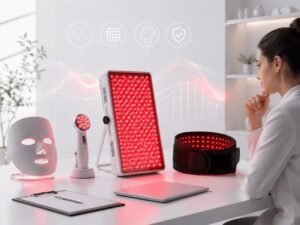
The main differences are coverage area, intensity, and intended use. Full-body or modular panels provide the highest irradiance and widest treatment area — the right choice for clinical or professional settings. Facial masks are contoured for close skin contact, optimized for cosmetic applications like anti-aging and acne. Wearable belts and handheld devices offer targeted, portable treatment for specific body areas — joints, the lower back, or the scalp — and work well for home or mobile use.
Can red light therapy be combined with other treatments?
Yes. Red light therapy is commonly used alongside other treatments. It pairs well with physical therapy and massage for muscle recovery, with topical skincare products to support ingredient absorption, and with exercise programs for faster performance recovery. In clinical aesthetics, it’s frequently added after microneedling, chemical peels, or laser treatments to support healing. Check with a qualified professional to confirm compatibility with any concurrent medical treatments.
Does red light therapy work for hair loss?
Hair loss is one of the better-researched applications in the red light space. Multiple clinical studies show that wavelengths around 650-670 nm can stimulate hair follicle activity, extend the growth (anagen) phase of the hair cycle, and increase hair density and thickness in both men and women with androgenetic alopecia. Dedicated scalp devices — laser helmets and caps — are built specifically for this application, and several have received FDA clearance for hair growth in applicable markets.
What certifications should I look for when buying a red light therapy device?
The certifications that matter depend on your target market. CE marking is required to sell in the European Union. FCC certification covers electromagnetic compatibility for the US market. FDA clearance or registration is important for any device marketed with medical claims in the United States. ISO 13485 from the manufacturer signals a quality management system aligned with medical device production standards. Ask for the actual certificates — verify the issuing body and expiry dates before you finalize a supplier.
Final Verdict: Is Red Light Therapy Hot?
Yes — in every way that matters to a buyer.
- →Physically: It produces mild, comfortable warmth — not burning heat — making it safe and accessible for end consumers across age groups and sensitivity levels.
- →Scientifically: The evidence base is solid and growing — FDA clearances, thousands of peer-reviewed studies, and established clinical protocols across multiple applications.
- →Commercially: The market is expanding across professional clinic, wellness, fitness, and home-use channels — with real room for private label and OEM/ODM brands that come in with quality products and clean compliance documentation.
The wellness industry has produced its share of short-lived fads. Red light therapy is not one of them. It has peer-reviewed clinical data behind it, FDA clearances in multiple categories, and a customer base that comes back because the product actually does something. For brand owners and distributors, this is one of the rare categories where the science, the market timing, and the margin potential are all pointing the same direction.
The brands doing well in this space didn’t wait for the market to be fully mature before they showed up — by then, the best positioning is already taken. The real question isn’t whether red light therapy belongs in your product portfolio. It’s whether you’ll be the brand that defines the category in your channel, or the one watching someone else do it.