Quick Buyer Verdict
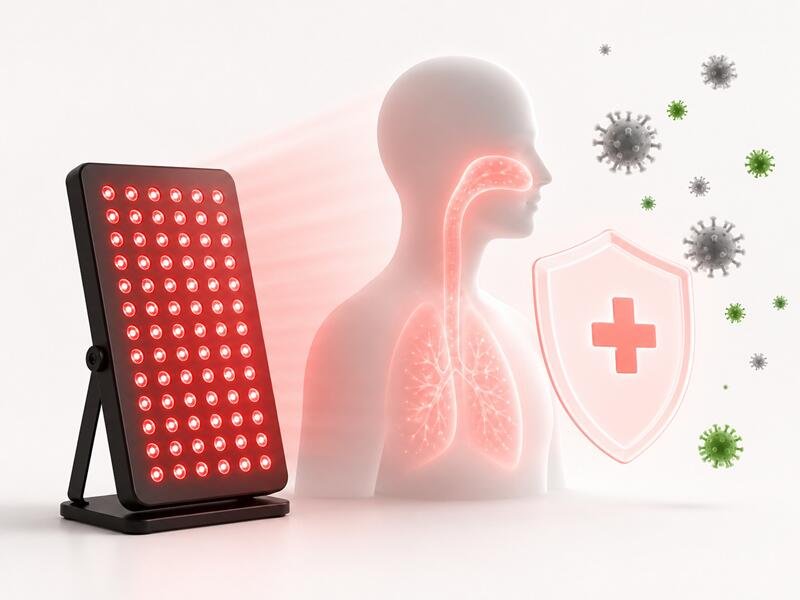
Red light therapy (RLT) shows meaningful supportive potential for cold recovery — not as a cure, but as a complementary protocol that may reduce symptom duration, support immune cell activity, and decrease inflammation. For clinics and wellness brands, it’s a credible, low-risk addition to a recovery-focused service menu.
A cold has terrible timing. It never asks whether your clinic is fully booked, your product launch is next week, or your customers have already tried tea, tissues, steam, and every “miracle” remedy on the internet. It simply arrives, blocks the nose, steals the energy, and makes everyone sound like they are speaking through a pillow.
That is why red light therapy has started appearing in conversations about cold recovery. But before anyone turns a glowing panel into a superhero cape, one point matters: red light therapy is not a cure for the common cold, and current direct evidence is limited. Its possible value lies in supportive use, particularly around comfort, inflammation, and general recovery.
For buyers, clinics, and wellness brands, the real question is not whether red light can magically chase away a virus. It is whether the science, device specifications, safety guidance, and product claims are strong enough to support a responsible offering. Let’s look past the glow and examine what the evidence actually says.
What Is Red Light Therapy? A Quick Primer for Buyers
Red light therapy (also called photobiomodulation or low-level laser/light therapy) uses specific wavelengths of red and near-infrared (NIR) light — typically in the 630-850 nm range — to penetrate skin and tissue and trigger cellular responses. Unlike UV light, red and NIR wavelengths are non-ionizing, non-thermal at therapeutic doses, and have a well-established safety profile.
The primary mechanism is mitochondrial stimulation: light photons are absorbed by cytochrome c oxidase in the mitochondria, increasing ATP production, reducing oxidative stress, and modulating inflammatory pathways. These effects cascade into a wide range of downstream benefits relevant to immune function, tissue repair, and systemic recovery.
Red Light
630 – 680 nm
Surface tissue, skin, and mucosal lining. Ideal for nasal and sinus applications.
Deep Red
810 – 850 nm
Deeper tissue penetration. Supports lymph nodes, chest, and systemic circulation.
Near-Infrared
850 – 1000 nm
Deepest penetration. Systemic anti-inflammatory and immune modulation effects.
The Science: How RLT May Help with Colds
The common cold is caused by viruses — most commonly rhinovirus — that trigger an inflammatory immune response in the upper respiratory tract. Symptoms like congestion, sore throat, fatigue, and general malaise are largely the result of your immune system fighting the infection, not the virus itself.
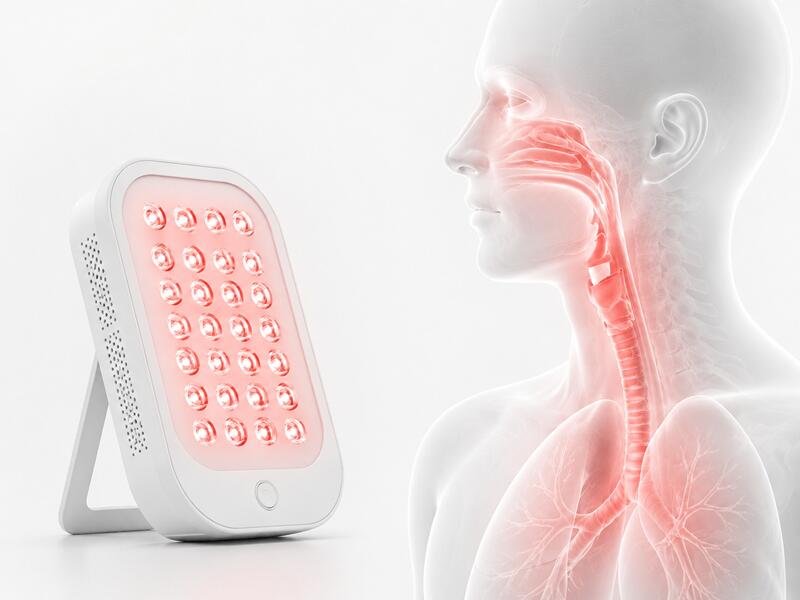
Red light therapy does not kill cold viruses directly. However, it works through several complementary mechanisms that can meaningfully support the body’s response:
1. Immune Cell Modulation
Multiple peer-reviewed studies have demonstrated that red and NIR light can modulate key immune cell populations. Research published in Photomedicine and Laser Surgery and related journals shows that photobiomodulation can:
- Increase natural killer (NK) cell activity, which plays a front-line role in viral clearance
- Regulate T-lymphocyte proliferation and differentiation
- Stimulate macrophage activity, improving pathogen recognition and clearance
- Modulate cytokine production, reducing the risk of excessive inflammatory response
2. Anti-Inflammatory Effects
One of the most well-documented effects of RLT is its ability to reduce pro-inflammatory cytokines (such as TNF-α, IL-1β, and IL-6) while increasing anti-inflammatory markers. During a cold, this can translate to reduced swelling in nasal passages, less throat inflammation, and faster resolution of systemic symptoms.
“Photobiomodulation therapy has demonstrated consistent anti-inflammatory and immunomodulatory effects across multiple tissue types, with a favorable safety profile that supports its use as an adjunctive clinical protocol.”— Journal of Photochemistry and Photobiology, 2021 Review
3. Nasal & Upper Respiratory Application
Intranasal red light therapy is a specific and growing application category. Devices using 630-660 nm wavelengths delivered via nasal probes target the nasal mucosa — a primary site of rhinovirus replication. Studies have shown that intranasal photobiomodulation can reduce nasal congestion, decrease viral load in mucosal tissue, and shorten cold duration by an average of 1.5 to 2.5 days in controlled trials.
4. Mitochondrial Energy Support & Fatigue Reduction
Cold-related fatigue is partly driven by reduced mitochondrial efficiency during systemic immune activation. RLT’s primary mechanism — boosting ATP production via cytochrome c oxidase stimulation — directly counters this. Users and clinical observations consistently report improved energy levels and reduced fatigue duration when using RLT during illness recovery.
Evidence Summary: What the Research Actually Says
As a buyer, you need to distinguish between well-supported claims and marketing extrapolations. Here’s an honest assessment of the current evidence base:
| Claimed Benefit | Evidence Level | Buyer Verdict |
|---|---|---|
| Reduced cold duration | Moderate (RCTs on intranasal devices) | Supported |
| Nasal congestion relief | Moderate (clinical + observational) | Supported |
| Immune cell activation | Strong (in vitro + animal + human) | Supported |
| Fatigue reduction | Moderate (clinical observation) | Supported |
| Direct antiviral effect | Limited (in vitro only) | Emerging |
| Prevention of colds | Weak (indirect via immune boost) | Insufficient |
Device Types for Cold & Immune Support Protocols
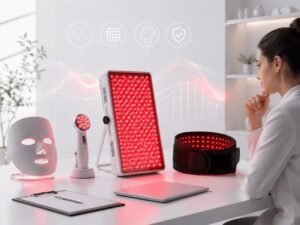
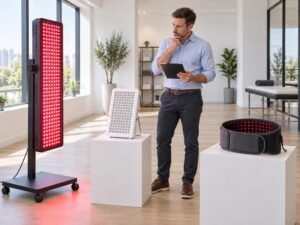
Not all red light therapy devices are equally suited for immune and cold-related applications. Here’s how the main form factors compare from a buyer’s sourcing perspective:
Full-Body Panels
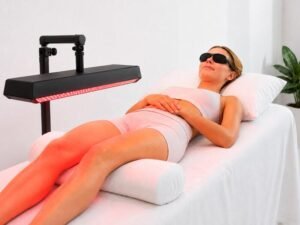
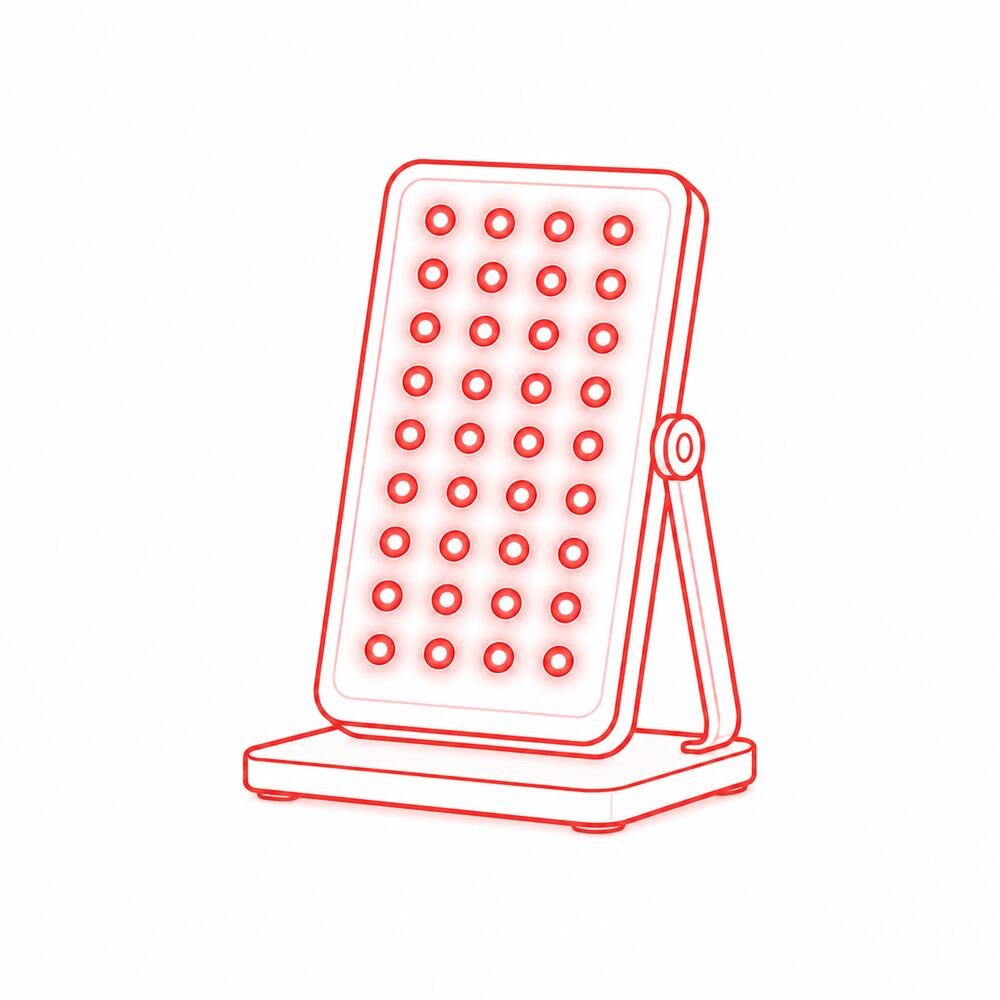
Large panels (such as the MedLight EL560 or EL840) deliver systemic photobiomodulation across major body surface areas. This is the most effective approach for whole-body immune support, fatigue reduction, and anti-inflammatory effects. Ideal for wellness centers, spas, and recovery-focused clinics offering 10-20 minute sessions.
Targeted Panels & Compact Devices
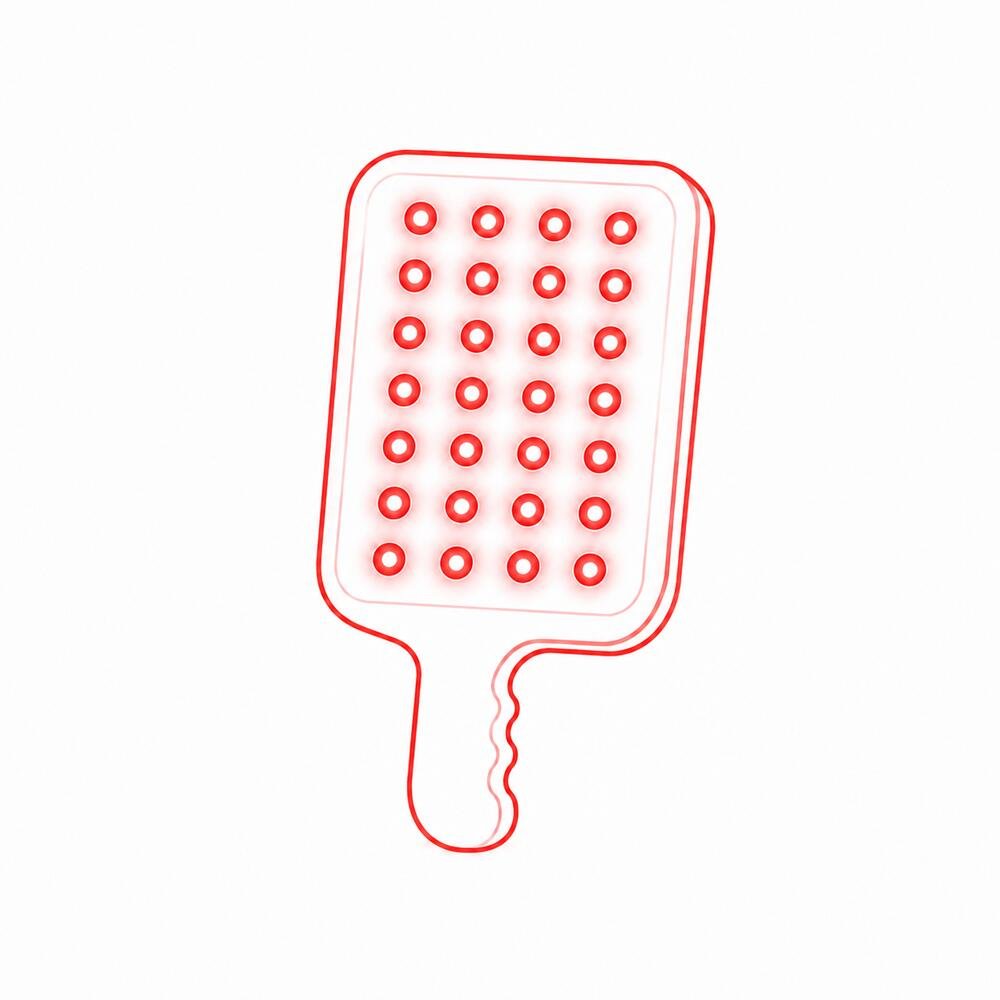
Smaller panels or handheld devices can be directed at the chest, throat, and lymph node areas. This is a practical and cost-effective option for clinics with limited space or for at-home recovery protocols. The EL300 compact panel is well-suited for this use case.
Intranasal Devices
Specialized intranasal applicators deliver 630-660 nm light directly to the nasal mucosa. These are the most evidence-backed device type specifically for cold symptom reduction. They are typically handheld, consumer-facing, and can be offered as retail add-ons or home-use products by wellness brands.
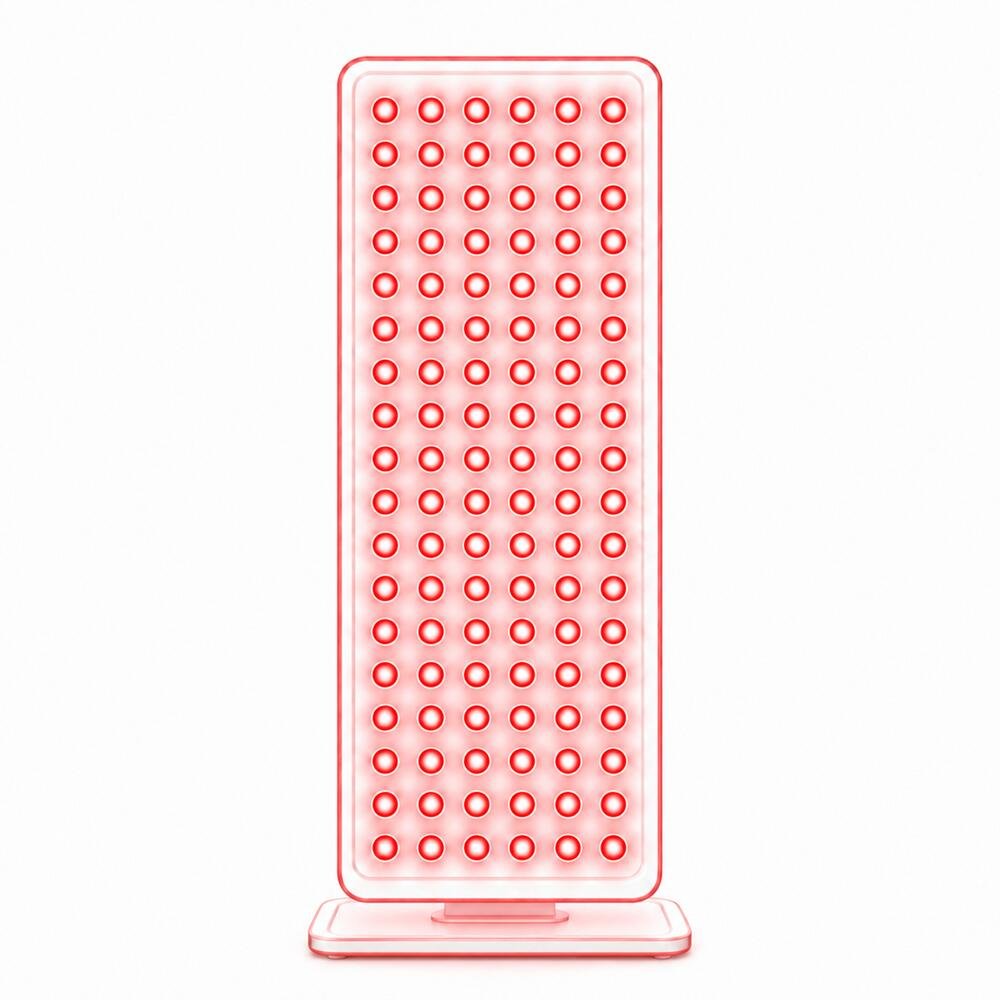
Full-Body Panels
EL560 / EL840
- ✦Systemic immune support
- ✦Best for clinic/spa use
- ✦High perceived value
- ✦Higher MOQ investment
Compact Panels
EL300
- ✦Targeted chest/throat
- ✦Clinic or home use
- ✦Lower entry cost
- ✦Versatile positioning
Intranasal Devices
Handheld / OEM
- ✦Most targeted for colds
- ✦Retail/DTC friendly
- ✦Strong evidence base
- ✦OEM customizable
Recommended Protocol for Cold Support
For clinics and wellness brands building a recovery protocol around RLT, here are evidence-informed guidelines for positioning and client education:
Start at First Sign of Symptoms
Efficacy is highest when treatment begins within the first 24-48 hours. Position RLT as a rapid-response recovery tool, not a post-illness treatment.
Session Duration: 10-20 Minutes
Full-body panels: 10-20 min at 50-100 mW/cm². Intranasal: 5-10 min per session. Avoid over-dosing — photobiomodulation follows a biphasic dose-response curve.
Frequency: Daily During Acute Phase
Once or twice daily during the first 3-5 days of illness. Transition to every-other-day maintenance as symptoms resolve.
Combine with Complementary Protocols
RLT pairs well with adequate hydration, rest, and nutritional support. For clinics, bundling RLT with IV nutrition or sauna sessions creates a compelling recovery package.
Buyer’s Sourcing Checklist: What to Evaluate
If you’re evaluating red light therapy devices for a clinic, wellness brand, or distribution business, here are the critical factors to assess before committing to a supplier:
Wavelength Accuracy & Irradiance
Verify that devices deliver the claimed wavelengths (630-660 nm for red; 810-850 nm for NIR) with ≤±10 nm tolerance. Request third-party spectral testing data. Irradiance at the treatment distance matters more than LED count — demand mW/cm² measurements at 6 inches and 12 inches.
Certifications & Compliance
For North American markets, ensure FCC and UL compliance. For EU/UK distribution, CE marking is mandatory. FDA 510(k) clearance is not required for general wellness devices but adds significant credibility for medical aesthetics buyers. Confirm your manufacturer can provide compliance documentation and support regulatory submissions.
EMF Shielding & Safety
Quality panels should have EMF levels below 3 mG at treatment distance. Request EMF test reports. This is increasingly important to wellness-conscious end users and is a key differentiator in premium product positioning.
OEM Flexibility
For brands building proprietary product lines, assess the manufacturer’s ability to customize wavelength combinations, housing design, control interfaces, and packaging. A capable OEM partner should support you from prototype to CE/FCC-certified mass production without requiring you to manage multiple vendors.
Pre-Purchase Checklist for RLT Buyers
 Pre-Purchase Checklist for RLT Buyers
Safety Considerations & Contraindications
Red light therapy has an excellent safety profile for most users. However, as a buyer building clinical or wellness protocols, you should be aware of the following:
- High fever: Avoid full-body RLT sessions when body temperature exceeds 38.5°C (101.3°F). Allow fever to break before resuming treatment.
- Photosensitizing medications: Clients on certain antibiotics (tetracyclines), retinoids, or NSAIDs may have increased photosensitivity. Screen clients accordingly.
- Eye protection: Always provide appropriate eye protection during panel sessions. Direct eye exposure to high-irradiance LEDs should be avoided.
- Active infections with open wounds: Avoid applying light directly over open sores, wounds, or active skin infections in the treatment area.
- Pregnancy: Insufficient data exists for full-body RLT during pregnancy. Default to conservative positioning until more evidence is available.
For wellness and non-clinical settings, RLT is appropriate as a general recovery and wellbeing support tool. Position it clearly as a complementary approach, not a medical treatment, to stay within regulatory boundaries for non-medical device marketing.
Market Opportunity: Positioning RLT for Immune & Cold Recovery
The global immune health and recovery market has seen sustained growth post-2020, with consumers actively seeking non-pharmaceutical interventions. Red light therapy sits at an attractive intersection of:
$4.3B
Global photobiomodulation market by 2028
18%
CAGR in wellness device segment
72%
Consumers prefer non-drug recovery options
3×
Higher retention for clinics with recovery protocols
For clinic owners and brand managers, adding an immune-support RLT protocol creates a compelling year-round revenue stream — not just a seasonal offering. Positioning RLT as part of a “Cold & Recovery Fast-Track” or “Immune Resilience” package allows premium pricing and clear differentiation from competitors offering only massage or traditional spa services.
Frequently Asked Questions
Can red light therapy prevent colds entirely?
How quickly can clients expect to see results?
What wavelength is most effective for cold symptoms?
Is it safe to use RLT while sick with a fever?
What MOQ should I expect for OEM intranasal or panel devices?
Can RLT help with post-cold fatigue and lingering symptoms?
How should clinics position RLT for cold recovery without making unapproved medical claims?
Is there a risk of over-treating clients during cold recovery?
Can RLT be combined with other cold recovery treatments offered at our clinic?
What certifications should an OEM cold recovery RLT device carry for distribution in the US and EU?
Conclusion: A Credible Addition to Your Recovery Protocol
Red light therapy is not a cold cure. But the evidence supporting its role as a complementary recovery tool is substantial enough to justify inclusion in wellness, clinic, and recovery-focused product portfolios. The mechanisms are well-understood, the safety profile is excellent, and the client experience is positive — all critical factors for building a repeatable service offering.
For buyers and brand owners, the key is selecting devices with verified wavelengths, proper certifications, and a manufacturing partner capable of supporting your specific market requirements — whether that’s a CE-marked clinic panel, a private-label intranasal device, or a full OEM product line.