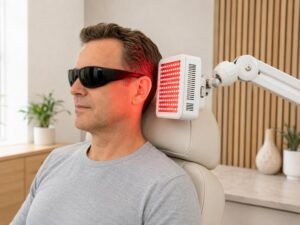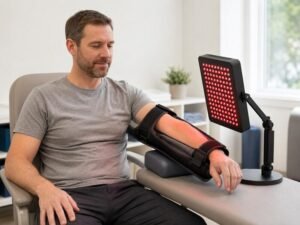
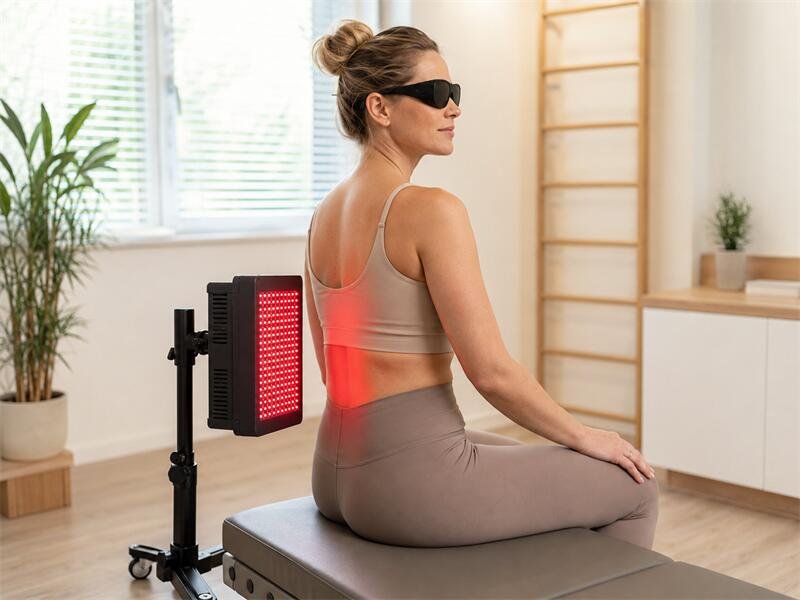
Back pain is basically humanity’s most loyal companion — right up there with taxes and bad Wi-Fi. It doesn’t care if you’re a weekend warrior who overdid leg day, a clinic owner hunched over paperwork, or a procurement manager who’s spent one too many hours on a red-eye flight to a trade show. At some point, your lower back will file a formal complaint. The question is: what do you do about it?
Red light therapy sounds like something out of a sci-fi wellness spa, but it’s backed by a surprisingly solid body of clinical research. No needles, no pills, no suspicious herbal patches. Just specific wavelengths of light delivered to your tissue, quietly convincing your cells to do their jobs better. Think of it as a very polite, very effective pep talk for your mitochondria.
Whether you’re here to understand the science, evaluate devices for your brand, or figure out how to bring this technology to your clients — this guide has you covered. We’ll walk through how it works, which wavelengths actually matter, what the research says, and how to source devices that won’t embarrass you in front of your customers.
How Does Red Light Therapy Work?
Red light therapy works by delivering specific wavelengths of light — typically 630-660 nm (red) and 810-850 nm (near-infrared) — directly into the skin and underlying tissue. These wavelengths are absorbed by cytochrome c oxidase, a photoreceptor enzyme within the mitochondria. This absorption triggers an increase in adenosine triphosphate (ATP) production, the primary energy currency of the cell, which in turn accelerates cellular repair and regeneration processes.
Near-infrared wavelengths penetrate deeper than visible red light, reaching muscle tissue, joints, and bone. This makes NIR particularly effective for pain relief, muscle recovery, and inflammation reduction. Red wavelengths, by contrast, are more active at the dermal level, supporting collagen synthesis, skin rejuvenation, and wound healing. Most clinical-grade and commercial devices combine both spectrums to address a broader range of therapeutic outcomes.
The biological cascade initiated by light absorption also includes the modulation of reactive oxygen species (ROS), upregulation of anti-inflammatory cytokines, and improved local circulation. These mechanisms collectively support the therapeutic outcomes associated with red light therapy across pain management, aesthetics, and recovery — all without pharmaceutical intervention or thermal damage to tissue.
Key Takeaway for Buyers
Understanding the underlying mechanism helps brand owners and procurement managers make informed decisions about wavelength specifications, irradiance levels, and device configurations. At MedLight, we engineer devices with clinically relevant parameters — ensuring that the products you bring to market are grounded in measurable, defensible science.
The Science Behind Red Light Therapy for Back Pain
Knowing how the mechanism works helps you evaluate product claims more critically — a useful skill for any buyer or procurement manager.
Mitochondrial Activation
When red (630-700 nm) and near-infrared (700-1100 nm) light photons reach muscle and connective tissue, they are absorbed by cytochrome c oxidase (CCO), a key enzyme in the mitochondrial electron transport chain. This absorption enhances ATP (adenosine triphosphate) production — the primary energy currency of cells — accelerating tissue repair and reducing oxidative stress.
Anti-Inflammatory Effects
Photobiomodulation reduces pro-inflammatory cytokines (such as TNF-α and IL-6) while upregulating anti-inflammatory mediators. For back pain — often driven by chronic inflammation in muscles, discs, or facet joints — this mechanism is directly relevant.
Improved Circulation and Nitric Oxide Release
RLT stimulates the release of nitric oxide, which relaxes blood vessels and improves local circulation. Better blood flow means more oxygen and nutrients delivered to damaged tissues, and faster removal of metabolic waste products that contribute to pain and stiffness.
Nerve Modulation
Research suggests that photobiomodulation can modulate pain signal transmission along peripheral nerve fibers, reducing the sensation of pain independent of structural changes. This makes it useful for both nociceptive (tissue-based) and neuropathic (nerve-based) back pain.
ATP Production
Boosts cellular energy, accelerating tissue repair in muscles and discs.
Inflammation Reduction
Lowers pro-inflammatory cytokines associated with chronic back pain.
Circulation Boost
Nitric oxide release improves blood flow to injured spinal tissue.
Nerve Modulation
Reduces pain signal transmission for both acute and neuropathic pain.
Types of Back Pain Red Light Therapy Can Address
Not all back pain is the same. Knowing the differences helps buyers position products accurately for their target market and set realistic expectations for end users.
| Pain Type | Common Causes | RLT Effectiveness | Target Market |
|---|---|---|---|
| Acute Muscle Strain | Overexertion, improper lifting | High | Fitness, sports recovery |
| Chronic Lower Back Pain | Postural issues, disc degeneration | High | Wellness, rehab clinics |
| Herniated Disc | Disc compression, nerve irritation | Moderate | Physical therapy, pain clinics |
| Sciatica | Nerve compression, piriformis tension | Moderate | Rehab, pain management |
| Inflammatory Arthritis | Ankylosing spondylitis, rheumatoid | Moderate | Medical aesthetics, clinics |
| Post-Surgical Recovery | Spinal surgery, laminectomy | Adjunctive | Rehab clinics (with supervision) |
How to Use Red Light Therapy for Back Pain: Step-by-Step Protocol
The following protocol is based on published clinical research and industry best practices. It applies to both professional clinic settings and home-use devices. Buyers and brand owners can use this as a reference when developing user guides or training materials.
Identify the Target Area
Determine whether the pain is localized (e.g., lower lumbar region, L4-L5) or diffuse (e.g., the entire lower back and sacral area). For radiating pain such as sciatica, you may need to treat both the spinal origin and the nerve pathway down the leg. Mark or visualize the treatment zone before beginning.
Prepare the Skin
Clean the treatment area to remove lotions, oils, or dirt that could interfere with light penetration. Dry skin is preferred. Remove clothing from the back — light cannot penetrate fabric effectively. No topical anesthetics or photosensitizing agents should be applied before treatment.
Select the Correct Wavelength
For back pain specifically, near-infrared light (810-850 nm or 940 nm) is preferred because it penetrates deeper into muscle and spinal tissue — up to 5-7 cm depending on tissue density. Red light (630-660 nm) is effective for superficial muscle soreness and skin-level inflammation.
- 660 nm: Surface-level muscle soreness, skin inflammation
- 810-850 nm: Deep muscle, joint, and spinal tissue — optimal for back pain
- 940 nm: Maximum depth penetration for thick tissue layers
Set the Correct Distance and Duration
The optimal treatment distance depends on the device’s power output (irradiance). As a general rule:
| Device Type | Recommended Distance | Session Duration |
|---|---|---|
| High-power panel (≥100 mW/cm²) | 15-30 cm | 10-15 minutes |
| Mid-power panel (50-100 mW/cm²) | 5-15 cm | 15-20 minutes |
| Wearable wrap/belt (contact) | Direct contact | 20-30 minutes |
| Handheld device | 0-5 cm | 2-3 min per zone |
Target energy dose: 10-40 J/cm² per session for musculoskeletal back pain. Avoid exceeding 60 J/cm² as higher doses may inhibit rather than stimulate cellular response (biphasic dose response).
Position the Device Correctly
The device should be positioned perpendicular to the skin surface for maximum photon delivery. For panel devices, the user can lie face down or stand with their back facing the panel. For wearable belts, wrap securely around the lumbar region. For handheld devices, move slowly across the treatment area in overlapping strokes.
Follow a Consistent Treatment Schedule
Red light therapy is cumulative. Results improve with consistent use over multiple sessions. Recommended schedules:
- Acute pain (0-4 weeks): Daily sessions, 5-7 days per week
- Subacute / chronic pain: 3-5 sessions per week
- Maintenance: 2-3 sessions per week after pain reduction
Most users report noticeable improvement within 2-4 weeks of consistent use. Chronic conditions may require 6-12 weeks for significant results.
Protect Eyes During Treatment
While red and NIR light are not ionizing and do not carry the same risks as UV light, prolonged direct exposure to high-intensity light sources can cause eye strain or retinal discomfort. Users should avoid staring directly at the device. Protective goggles are recommended, particularly for high-power panels, and should be included with professional-grade devices.
Track Progress and Adjust
Use a simple pain scale (0-10) to log pain levels before and after each session. Track mobility improvements such as range of motion and functional ability. If pain worsens or no improvement is seen after 4 weeks, reassess the device settings, treatment area, or underlying diagnosis. For professional settings, consider combining RLT with stretching, physical therapy, or other modalities.
Choosing the Right Wavelengths and Power Output
For buyers evaluating devices or putting together product specifications, understanding wavelength and power requirements is essential to ensuring clinical efficacy and avoiding low-quality products.
- ✓ Superficial muscle soreness
- ✓ Skin-level inflammation
- ✓ Wound healing post-surgery
- ✗ Limited deep tissue penetration
- ✓ Deep muscle tissue (3-5 cm)
- ✓ Spinal joint inflammation
- ✓ Nerve modulation
- ✓ Most studied for back pain
- ✓ Maximum tissue depth (5-7 cm)
- ✓ Thick muscle groups
- ✓ Vascular and lymphatic effects
- △ Less studied than 850 nm
Power Output: What Matters
Irradiance (power density, measured in mW/cm²) determines how quickly the therapeutic dose is delivered. Too low, and treatment is ineffective. Too high at too close a range, and you risk tissue heating. For back pain applications, look for devices with:
- Panel devices: 50-200 mW/cm² at the rated treatment distance
- Wearable belts: 20-80 mW/cm² at skin contact
- Handheld devices: 100-500 mW/cm² at 0-5 cm
⚠ Buyer Warning
Many low-cost devices on the market overstate their irradiance specifications. When sourcing, require third-party irradiance test reports (measured with a calibrated power meter) and verify LED chip quality and thermal management. Reputable OEM manufacturers can provide these data sheets.
Device Types: Which Format Works Best for Back Pain?
The device form factor significantly affects usability, market positioning, and price point. Here’s a breakdown of the main options relevant to back pain treatment.
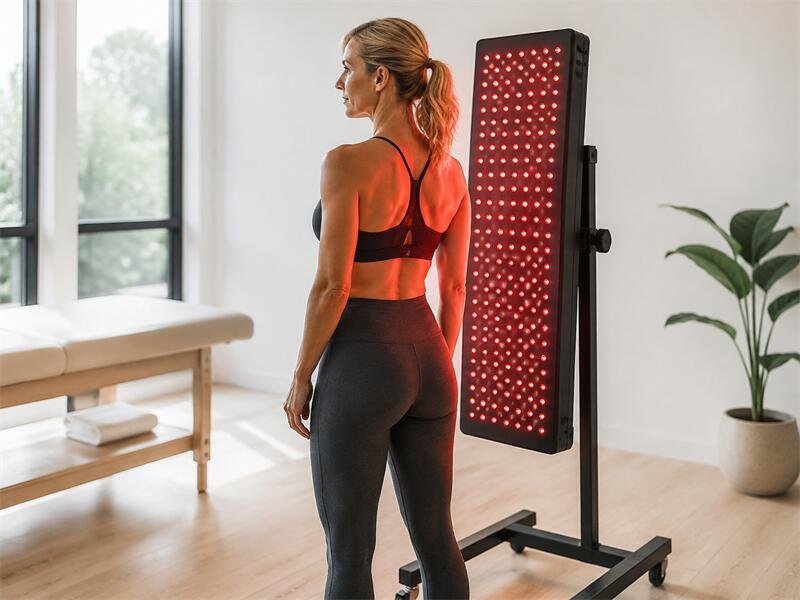
Large Panel Devices
Full-body or modular panels (e.g., 1200 mm × 600 mm) cover the entire back in a single session. These are the most effective format for comprehensive back pain treatment, commonly used in clinics, spas, and wellness centers.
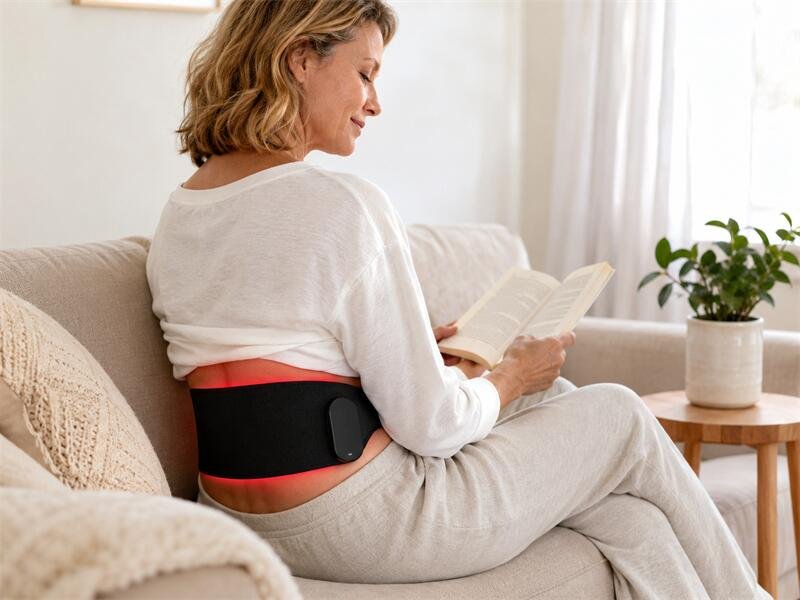
Wearable Therapy Belts / Wraps
Flexible, wearable LED panels designed to wrap around the lower back. The contact-based delivery maximizes light penetration. Users can wear them during rest or light activity. Well suited for home-use brands and recovery-focused product lines.
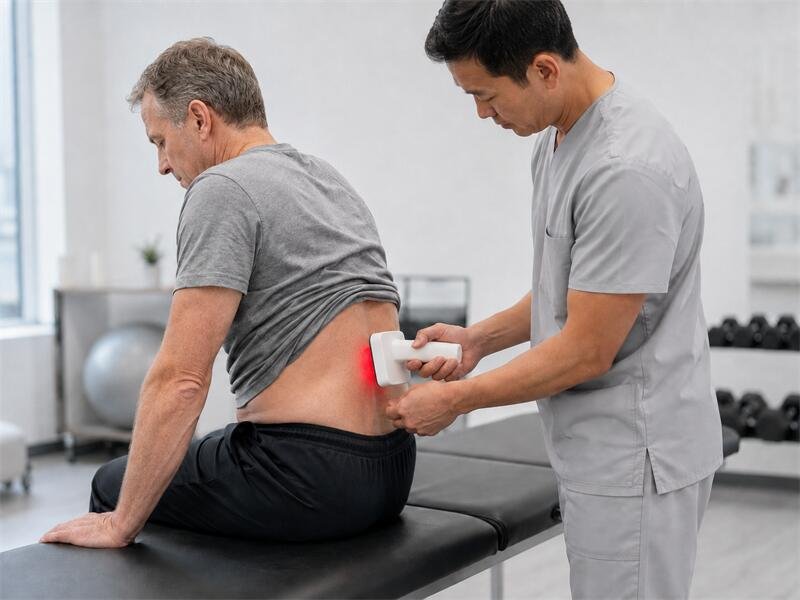
Handheld Devices
Compact, portable devices targeting specific pain points. Suitable for spot treatment of localized back pain. Lower coverage area per session but highly portable. A practical option for physical therapy adjuncts and travel-friendly consumer products.
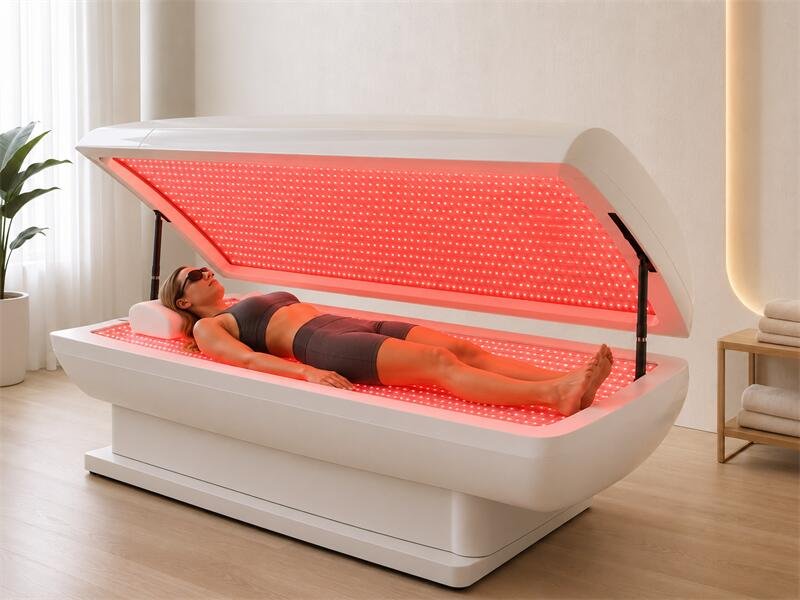
Full-Body Systems / Beds
Professional full-body light therapy systems that treat the entire back and body simultaneously. Used in high-end spas, biohacking centers, and medical wellness facilities. Highest investment, highest throughput per session.
Clinical Evidence and Research
For buyers who need to substantiate product claims for regulatory filings, marketing materials, or customer education, the following research provides a solid evidence base.
Chronic Low Back Pain — Systematic Review (2016)
A systematic review published in Lasers in Medical Science analyzed 7 randomized controlled trials (RCTs) involving LLLT for chronic low back pain. The review concluded that photobiomodulation significantly reduced pain intensity and disability scores compared to placebo, with the greatest effects observed using NIR wavelengths (810-850 nm).
Acute Musculoskeletal Back Pain — RCT (Konstantinovic et al.)
A double-blind RCT demonstrated that patients receiving active LLLT treatment (830 nm, 10 sessions over 2 weeks) showed significantly greater reductions in pain (VAS scale) and improved functional outcomes compared to sham treatment. The effect was maintained at 3-month follow-up.
Disc Herniation and Radiculopathy — Clinical Study
Research published in Photomedicine and Laser Surgery found that NIR photobiomodulation reduced pain and disability in patients with lumbar disc herniation, with MRI evidence suggesting reduced inflammatory markers in paraspinal tissue. The study used 830 nm at 30 J/cm² per session.
World Association for Laser Therapy (WALT) Guidelines
WALT has published dosage recommendations for musculoskeletal conditions including back pain, recommending 4-12 J/cm² per point for superficial conditions and 10-30 J/cm² for deeper tissue targets. These guidelines are widely referenced in clinical and regulatory contexts.
📋 Note for Brand Owners and Distributors
When making marketing claims about your red light therapy products, ensure claims are supported by peer-reviewed evidence and comply with FDA, CE, and local advertising regulations. Avoid absolute therapeutic claims without appropriate regulatory clearance. Work with your OEM/ODM manufacturer to obtain device-specific clinical data where possible.
Safety Considerations and Contraindications
Red light therapy has a strong safety profile compared to pharmaceutical or invasive treatments. That said, buyers and brand owners need to understand the contraindications to ensure proper user guidance and avoid liability.
✓ Generally Safe For
- Adults with musculoskeletal back pain
- Post-exercise muscle recovery
- Chronic inflammatory conditions
- Post-surgical recovery (with physician approval)
- Athletes and active users
- Elderly users with degenerative back conditions
✗ Contraindications
- Active cancer or suspected malignancy in treatment area
- Pregnancy (over the lower back/abdominal area)
- Photosensitizing medications (consult physician)
- Open wounds or active bleeding
- Epilepsy (flicker-sensitive patients)
- Direct eye exposure without protection
- Thyroid area treatment without medical supervision
Product Liability Considerations for Brands
When launching a red light therapy product for back pain, ensure your user manual clearly states contraindications, recommended usage protocols, and a disclaimer to consult a healthcare professional for serious medical conditions. This is both a regulatory requirement and a sensible way to reduce after-sales complaints.
Sourcing Red Light Therapy Devices for Back Pain: What to Check
For brand owners, distributors, and procurement managers, the following checklist covers the key evaluation criteria when sourcing red light therapy devices for back pain applications from an OEM/ODM manufacturer.
OEM/ODM Sourcing Checklist
Key Product Configurations for Back Pain
| Product Type | Recommended Wavelengths | Target Channel | Typical MOQ |
|---|---|---|---|
| Modular Panel (600×900 mm) | 660 nm + 850 nm | Clinics, wellness centers | 50-100 units |
| Wearable Lumbar Belt | 850 nm or 660+850 nm | DTC, Amazon, fitness brands | 200-500 units |
| Handheld Wand | 630 nm + 850 nm | PT clinics, retail | 100-300 units |
| Full-Body System | 630 nm + 660 nm + 850 nm + 940 nm | Med spas, biohacking centers | 10-30 units |
Frequently Asked Questions
How long does it take for red light therapy to work for back pain?
Can red light therapy be used every day for back pain?
Is a wearable belt as effective as a panel device for back pain?
What wavelength is most effective for lower back pain specifically?
Do I need FDA clearance to sell a red light therapy device for back pain?
What is the minimum order quantity for custom red light therapy devices?
Can red light therapy help with herniated disc back pain?
How does red light therapy compare to TENS units for back pain relief?
Is red light therapy safe for back pain during pregnancy?
How far should a red light therapy panel be from my back during treatment?
Putting Red Light Therapy to Work for Back Pain
Back pain isn’t going away anytime soon — and neither is the demand for smarter, drug-free ways to manage it. Red light therapy sits at a genuinely interesting intersection of solid science, consumer appetite, and commercial opportunity. It’s not magic. It won’t fix your posture after 10 years of questionable ergonomics. But applied correctly, with the right wavelengths and the right device, it delivers real, measurable relief for a condition that affects hundreds of millions of people worldwide. That’s a reasonable foundation for your next product line.
For brand owners and procurement managers, the opportunity here is clear: this is a category with proven clinical backing, growing consumer awareness, and a hardware supply chain mature enough to support private-label development at scale. The main risk isn’t the technology — it’s sourcing a device that quietly underdelivers on irradiance and wavelength accuracy while loudly over-promising on the box. Choose your manufacturing partner with the same rigor you’d apply to any regulated product, and you’ll be in good shape.
Whether you’re building a wearable belt for weekend warriors, outfitting a med spa with full-body panels, or simply trying to figure out why your lower back files a new complaint every Monday morning — the answer is the same: consistency beats intensity, quality beats hype, and photons, it turns out, are surprisingly good at their jobs.