
When you’re evaluating red light therapy devices — whether for your own brand, a clinic, or a distribution deal — one of the first things worth knowing is: how long has this technology actually been around?
The short answer: over 130 years. The foundational research dates back to the 1890s and earned a Nobel Prize. NASA picked it up in the 1990s. The FDA has cleared devices for multiple applications. And today, thousands of clinics, MedSpas, and consumer brands use it daily.
This isn’t just interesting trivia. If you’re spending money on sourcing, it’s worth knowing the science behind what you’re selling — and why this category has the staying power it does. Here’s the full story, laid out plainly.
Where It Started: Phototherapy Before Electricity (1890s-1900s)
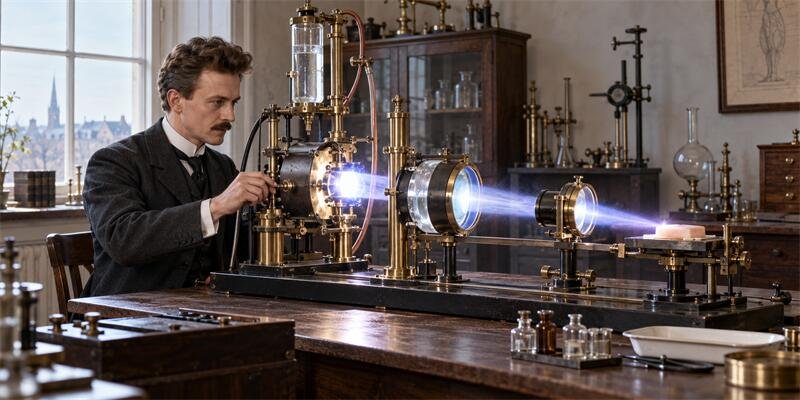
It goes back to a Danish doctor named Niels Ryberg Finsen. In 1893, he started using concentrated light to treat lupus vulgaris — a form of skin tuberculosis. It worked well enough that he won the Nobel Prize in Physiology or Medicine in 1903.
What Finsen proved was straightforward but important: certain wavelengths of light cause real, measurable changes in human tissue. He was mostly working with ultraviolet and visible light, but the core idea — that light itself can be therapeutic — started here.
Why This Matters for Buyers
A Nobel Prize gives this technology a level of credibility that most wellness categories simply don’t have. If you’re building a private-label brand, that’s a concrete selling point — not a marketing stretch, but a documented fact you can point to.
The Laser Years: Low-Level Laser Therapy (1960s-1980s)
The next big moment came in 1967. A Hungarian physician named Endre Mester at Semmelweis University in Budapest was trying to use a low-powered ruby laser to destroy tumors in mice. It didn’t work for that purpose — but he noticed something unexpected: the laser significantly sped up hair regrowth and wound healing in the treated animals.
This accidental finding gave us the concept of “photobiomodulation” (PBM) — the idea that light energy at certain wavelengths can stimulate cells to work harder. It also kicked off what became known as Low-Level Laser Therapy (LLLT), which is the direct ancestor of the LED devices being sold today.
What Mester Found
Low-power red and near-infrared light stimulates mitochondria — the energy factories inside cells — to produce more ATP (the molecule cells use for energy).
Where It Was Used
Through the 1970s and 80s, LLLT was mainly adopted in Eastern Europe and the Soviet Union for wound healing, pain management, and reducing inflammation.
This was also the period when researchers pinned down the specific wavelength ranges that actually work — and these are the same ones used in commercial devices today:
- ✦Red light (620-660nm): Absorbed near the skin surface. Good for skin rejuvenation, wound healing, and collagen production.
- ✦Near-infrared light (810-850nm): Goes deeper into tissue. Effective for muscle recovery, joint pain, and inflammation.
Why This Matters for Buyers
The 660nm and 850nm wavelengths you see on spec sheets aren’t marketing numbers — they come from decades of clinical work. When you’re evaluating a manufacturer, ask whether they use medical-grade LEDs with tight wavelength tolerances. At MedLight, every production batch goes through spectral verification to confirm the LEDs are hitting the right wavelengths.
NASA Gets Involved: LEDs Change Everything (1990s)
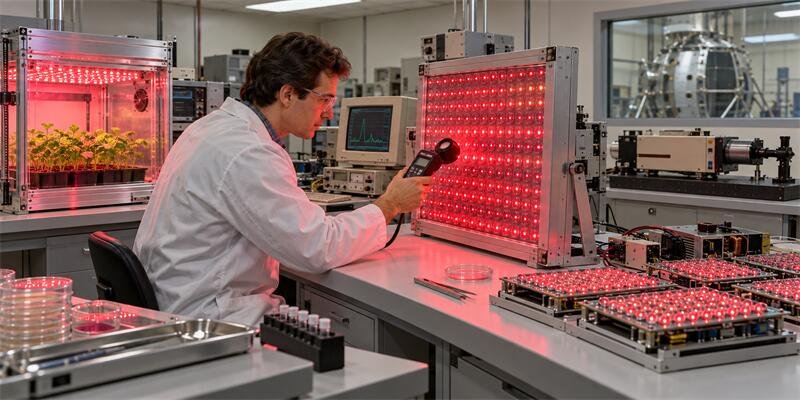
This is the chapter that really changed things for the commercial market. In the 1990s, NASA’s Marshall Space Flight Center started looking at LED technology for two reasons: growing plants in space and helping astronauts heal faster.
Working with Quantum Devices Inc., NASA’s researchers found that LED-based red and near-infrared light produced the same photobiomodulation effects as lasers — but with some major practical advantages:
Much Cheaper
LEDs cost a fraction of what medical-grade lasers cost to produce
Much Safer
No risk of burns or eye injury at therapeutic doses
Bigger Treatment Area
LED arrays can cover large areas at once, unlike a focused laser beam
The results were published in peer-reviewed journals and showed that LED light at 670nm increased cell growth by 150-200% and sped up wound closure. This is what took red light therapy from “interesting lab research” to “we can actually build and sell these at scale.”
Why This Matters for Buyers
The NASA connection carries real weight with end customers — whether they’re consumers or clinic owners. It’s not hype; it’s documented research. When you’re working with a manufacturer, make sure they can provide LED specs that match the wavelengths validated in NASA’s published studies. That’s the kind of detail that separates a credible product from a generic one.
FDA Clearances and Clinical Evidence (2000s-2010s)
Starting in the early 2000s, the FDA began clearing red light therapy devices for specific uses. This was a big deal — it meant the technology had passed formal regulatory review, not just academic scrutiny.
First FDA Clearance for LLLT
A low-level laser therapy device was cleared for treating carpal tunnel syndrome. This set up the regulatory pathway that later devices would follow.
Pain Management Clearance
LED devices got clearance for temporary relief of minor muscle and joint pain, arthritis, muscle spasm, and stiffness. This was the opening that made commercial wellness devices possible.
Hair Growth Clearance
The first LED device was cleared for treating hair loss (androgenetic alopecia). This created an entirely new product category that’s still growing fast today.
Skin and Aesthetic Applications
More clearances followed for acne treatment, skin rejuvenation, and wrinkle reduction. LED face masks and panel devices became standard equipment in dermatology clinics and MedSpas around the world.
Meanwhile, the research kept piling up. By 2020, there were over 5,000 published studies on photobiomodulation, covering everything from wound healing and pain relief to cognitive function and athletic performance.
Why This Matters for Buyers
FDA clearance status directly affects where you can sell and what your liability looks like. When you’re talking to manufacturers, confirm they know the regulatory classification (typically Class II medical device, 510(k) pathway) and can provide the documentation you’ll need for your target market. MedLight handles compliance support for CE, FCC, and FDA pathways as part of our standard OEM service.
The Market Takes Off: Clinics, Consumers, and Everything In Between (2010s-Now)
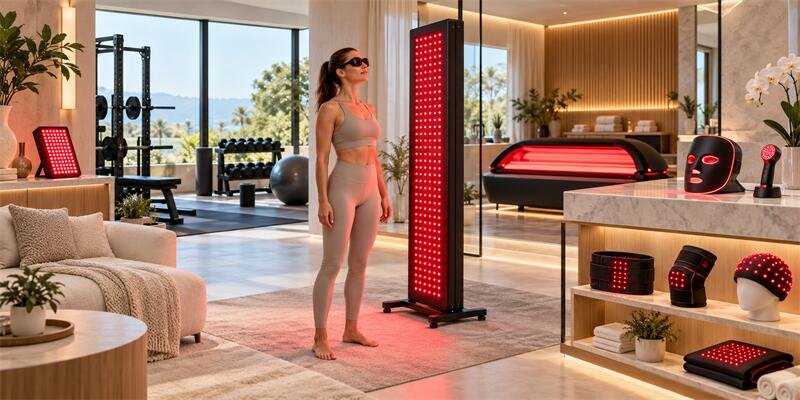
The 2010s are when red light therapy went from a clinical tool to a real commercial category. A few things came together at the same time:
LED Costs Dropped Sharply
Manufacturing advances brought LED component costs way down. High-power chips that used to cost dollars per unit dropped to cents. Suddenly, consumer-priced devices were economically viable.
Social Media Drove Awareness
Dermatologists, biohackers, fitness influencers, and wellness content creators started talking about red light therapy on social platforms. Consumer awareness — and demand — grew fast.
The Product Range Exploded
It was no longer just panels. The market expanded to LED face masks, wearable belts, handheld devices, full-body pods, scalp caps, knee wraps, and even devices designed for pets.
Professional Facilities Started Buying
Saunas, spas, gyms, yoga and pilates studios, beauty clinics, and wellness centers added red light therapy as a premium service. This created steady B2B demand for reliable, commercial-grade equipment.
The Numbers Tell the Story
$1.1B
Global market size (2023)
12.5%
Projected annual growth (2024-2030)
$2.9B
Expected market size by 2030
Why This Matters for Buyers
This market is still growing — it hasn’t peaked. There’s room for new brands, especially in segments like wearable devices, pet therapy, and professional-grade equipment for clinics. If you’ve been thinking about launching a private-label line or expanding your product range, the timing still works in your favor.
What Buyers Should Pay Attention to in Manufacturing Today
We’ve come a long way from Finsen’s concentrated sunlight. Today’s LED devices are precision-engineered products, and the manufacturing behind them has gotten sophisticated. If you’re sourcing, here are the things that actually matter when evaluating a supplier.
The Details Worth Checking
LED Quality and Wavelength Accuracy
Medical-grade LEDs with tight wavelength tolerances (±5nm) deliver consistent results. Cheap components with wide tolerances mean unpredictable performance and more returns. Ask for spectral test data.
Irradiance and Power Density
A good device delivers consistent irradiance (mW/cm²) across the entire treatment area. That requires proper thermal management — without it, LEDs degrade over time and output drops.
Compliance and Certification
If you’re selling to clinics or consumers in regulated markets, CE, FCC, and FDA compliance aren’t optional. Your manufacturer should handle the testing, paperwork, and certification — not leave it to you to figure out.
Customization and Order Flexibility
A good OEM/ODM partner should be able to handle custom wavelength configs, your branding, different order sizes, and packaging — without requiring you to commit to enormous minimums upfront.
What MedLight Brings to the Table
We’ve been building red light therapy devices through the full OEM/ODM process for years. Here’s what that looks like in practice:
- ✦Full product development — from your initial concept through to mass production
- ✦Panels, masks, wearables, handhelds, full-body systems, and pet devices
- ✦CE, FCC, and FDA compliance support included
- ✦Private label branding and custom packaging
Full Timeline at a Glance
Here’s the whole history condensed into one view. Handy if you want to reference it for your own product materials or buyer-facing content.
Niels Finsen begins phototherapy experiments
First systematic use of concentrated light for medical treatment.
Finsen wins the Nobel Prize
Nobel Prize in Physiology or Medicine for his phototherapy work.
First laser invented (Theodore Maiman)
The ruby laser made precise wavelength delivery possible for research purposes.
Endre Mester stumbles onto photobiomodulation
While trying to destroy tumors with a laser, he accidentally found that low-level light speeds up wound healing and hair growth.
LLLT gains traction in Eastern Europe
Clinics in the Soviet bloc adopt it for wound healing, pain management, and inflammation.
NASA proves LEDs work just as well as lasers
Research shows LED light increases cell growth by 150-200%. LEDs are cheaper, safer, and can cover larger areas — making commercial devices practical.
First FDA clearance for an LLLT device
Cleared for carpal tunnel syndrome, setting the regulatory precedent.
FDA clearances expand across applications
Pain relief, hair growth, acne treatment, skin rejuvenation, and wrinkle reduction all get cleared.
The commercial market takes off
Global market passes $1 billion. Product forms multiply — panels, masks, wearables, full-body systems, pet devices. Clinics, spas, and wellness centers drive steady B2B demand.
What This Means for Your Business
Knowing the history isn’t just background reading. It gives you concrete advantages when you’re making sourcing and product decisions:
The Science Is Your Best Sales Tool
Most wellness products can’t point to a Nobel Prize, a NASA program, and 5,000+ published studies. Red light therapy can. That’s not marketing fluff — it’s a factual advantage. Consumers and clinic buyers respond to evidence, and you’ve got plenty of it.
This Market Is Still Growing
At 12.5% projected annual growth through 2030, there’s still room to build a brand and carve out a position — especially in niche segments like pet therapy, intimate wellness, or professional-grade wearables where competition is thinner.
The Regulatory Path Is Already Paved
Unlike brand-new technologies where nobody’s sure what the rules are yet, red light therapy has established FDA, CE, and international compliance pathways. That means less guesswork, faster time to market, and lower regulatory risk for you.
Your Manufacturer Needs to Know the Science
Not every factory making LED panels actually understands photobiomodulation. The ones that do will get the wavelength accuracy, irradiance levels, and thermal management right — which is the difference between a device that works and one that just looks good in photos.
Common Questions
How long has red light therapy been around?
The foundational science goes back over 130 years — Niels Finsen started his phototherapy work in 1893. The specific LED-based technology used in today’s devices has been in development since NASA’s research in the 1990s, so that’s 30+ years of LED-specific work.
When did red light therapy devices become commercially available?
The first devices hit the market in the early 2000s after FDA clearances started coming through. But the consumer market really picked up in the mid-2010s, once LED costs dropped enough to make affordable devices possible and social media created broader awareness.
Is red light therapy FDA approved?
Red light therapy devices have received FDA clearance (via the 510(k) process) for specific uses — pain relief, hair growth, acne treatment, and skin rejuvenation among them. Worth noting: FDA “clearance” and FDA “approval” are different regulatory categories. Most red light therapy devices fall under Class II medical devices.
What wavelengths work best?
The two most validated wavelengths are 660nm (red light — works near the skin surface for skin treatments) and 850nm (near-infrared — penetrates deeper for muscle and joint issues). Most commercial devices combine both. These aren’t arbitrary numbers — they were identified through decades of research starting in the 1960s.
How do I pick a reliable OEM manufacturer?
Look for manufacturers that can show you: spectral test data verifying their wavelength specs, compliance support for CE/FCC/FDA, flexible OEM/ODM capabilities, documented quality control processes, and experience building different product types. Always request samples and third-party test reports before placing a production order.
What’s the difference between red light therapy and LLLT?
LLLT (Low-Level Laser Therapy) uses laser diodes. Modern “red light therapy” typically uses LED arrays. Both rely on the same photobiomodulation principle. LEDs became the go-to after NASA showed in the 1990s that they deliver equivalent therapeutic effects — but they’re cheaper, safer, and can treat larger areas.
How does red light therapy actually work at the cellular level?
Red and near-infrared light gets absorbed by cytochrome c oxidase, a photoreceptor inside your mitochondria. This kicks the electron transport chain into higher gear, which means cells produce more ATP — basically, more cellular energy. More ATP means faster tissue repair, less oxidative stress, and reduced inflammation. That’s the mechanism behind the wound healing, pain relief, and skin rejuvenation effects seen in clinical studies.
Is red light therapy safe? Any side effects?
It’s widely considered safe and non-invasive when used as directed. Unlike UV light, red and near-infrared wavelengths don’t damage DNA or increase skin cancer risk. Side effects are rare and usually mild — some temporary redness or warmth at the treatment site. Eye protection is recommended during sessions, especially with higher-power devices. For manufacturers, building in safety features like auto-timers, eye shields, and compliant power density levels is important for meeting CE, FCC, and FDA requirements.
What types of devices are available for commercial use?
There’s a wide range now: full-body panels and multi-panel systems for clinics, handheld devices for targeted use, LED face masks for skincare, wearable belts and wraps for pain and fat reduction, scalp caps for hair growth, and pet therapy devices. Each form factor can be customized through OEM/ODM — wavelength combinations, power output, treatment area, branding, the works.
How long is a typical session, and how often should people use it?
Most sessions run 10 to 20 minutes per treatment area, depending on the device’s power output and what’s being treated. For general wellness and skin health, 3 to 5 times a week is typical. More targeted protocols for pain or muscle recovery might call for daily use initially. The key measurement is dosage in joules per square centimeter (J/cm²) — skin rejuvenation usually needs 3-5 J/cm², while deeper tissue conditions may need 10-60 J/cm². Manufacturers can build in treatment timers and dosage guides to help end users get consistent results.
130 Years of Science — and the Market’s Still Picking Up Speed
So that’s the full picture. Red light therapy started with a Danish physician pointing concentrated sunlight at skin lesions in the 1890s, got a boost when NASA needed to grow plants and heal astronauts in space, and eventually turned into a billion-dollar industry with devices in clinics, homes, and gyms around the world.
What makes this category different from most wellness products is the depth of the evidence behind it. A Nobel Prize. NASA research. Over 5,000 peer-reviewed studies. Multiple FDA clearances across different applications. That’s not a trend cycle — it’s a technology with a track record.
The market hit $1.1 billion in 2023 and is projected to nearly triple by 2030. Whether you’re launching your first product line, expanding into new form factors, or sourcing devices for clinics and wellness centers, the fundamentals are solid. The science is there, the demand is there, and the regulatory pathways are already established.
If you’re ready to move forward on a project, we’re here to talk specifics — product design, compliance, timelines, whatever you need to sort out. That’s what we do.