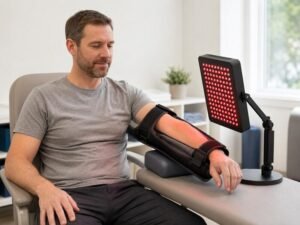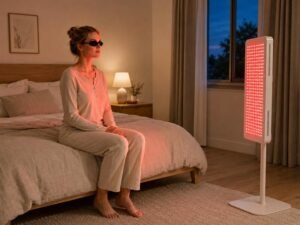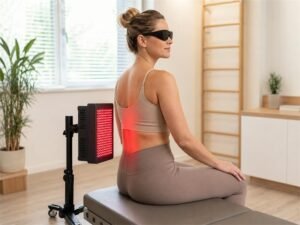

You’ve just finished a red light therapy session, and now you’re staring at the ceiling wondering: am I supposed to feel like a recharged superhero, or is it totally normal that I want to take a nap? Spoiler: both reactions are completely valid — and the science behind why is actually pretty fascinating. Red light therapy doesn’t follow a one-size-fits-all script, and that’s exactly what makes it worth understanding before you (or your customers) write it off as “just another wellness gimmick.”
In this article, we’re cutting through the noise to explain what’s really happening inside your cells when red and near-infrared light gets involved — from mitochondrial energy production to melatonin, recovery, and beyond. Whether you’re a curious first-timer, a clinic owner sourcing devices, or a brand trying to explain your product without putting people to sleep (ironically), you’re in the right place. Let’s get into it.
The Short Answer: Tired or Energized?
Red light therapy (RLT) does not directly cause pathological fatigue. However, it can make certain users feel drowsy or relaxed — particularly after evening sessions or when the body is already in a recovery-depleted state. Conversely, many users report feeling more alert, focused, and energetic — especially after morning sessions.
This dual response is not a contradiction. It reflects how photobiomodulation (the scientific mechanism behind RLT) interacts with your body’s natural rhythms, mitochondrial activity, and hormonal regulation. The experience varies by:
- Session timing (morning vs. evening)
- Dose and exposure duration
- User’s baseline health and stress levels
- Wavelength and irradiance of the device
- Whether the user is using it for pain, recovery, or aesthetic purposes
Key Insight for Buyers
When sourcing or developing RLT devices for your brand, this fatigue/energy duality gives you a clear basis for differentiated positioning — morning energy panels vs. evening recovery sessions — opening new product line opportunities.
How Red Light Therapy Works on a Cellular Level
To see why RLT affects energy and fatigue, you need to know its foundational mechanism. Red light (typically 630-700 nm) and near-infrared (NIR) light (810-850 nm) penetrate skin tissue and are absorbed by cytochrome c oxidase (CCO), the final enzyme in the mitochondrial electron transport chain.
This absorption triggers a cascade of cellular events:

ATP Production Boost
Light absorption increases mitochondrial ATP synthesis — the fundamental currency of cellular energy. More ATP means cells can perform repair, signaling, and metabolic functions more efficiently.

Nitric Oxide Release
RLT displaces inhibitory nitric oxide from CCO, restoring normal respiratory function in stressed or damaged cells — improving blood flow and oxygen delivery throughout tissue.

Reduced Oxidative Stress
By modulating reactive oxygen species (ROS), RLT helps reduce chronic inflammation — a major driver of systemic fatigue and poor recovery outcomes.
Circadian Rhythm Influence
Unlike blue light, red and NIR wavelengths do not suppress melatonin production. They may even support melatonin synthesis in mitochondria, promoting deeper sleep cycles.
Why Some Users Feel Sleepy After a Session
Feeling drowsy or relaxed after red light therapy is a commonly reported and scientifically explainable response. It does not indicate that the therapy is harmful or ineffective. Here are the primary mechanisms:
Parasympathetic Nervous System Activation
Red light therapy has been shown to shift the autonomic nervous system toward parasympathetic (“rest and digest”) dominance. This reduces cortisol, slows heart rate, and creates a calm, relaxed physiological state — conducive to sleep or rest, especially in the evening.
Deep Tissue Warming and Muscle Relaxation
NIR light in particular penetrates 5-10 cm into tissue, generating mild thermal effects in muscle and connective tissue. This warmth mimics the sensation of a warm bath — well known to promote drowsiness and sleep onset.
Melatonin Pathway Support
Recent research suggests mitochondria produce melatonin locally in response to red/NIR light stimulation. Elevated melatonin — even at subclinical local levels — can contribute to drowsiness, especially in light-sensitive or sleep-deprived individuals.
Post-Recovery Fatigue Signal
When RLT accelerates cellular repair — particularly in users who are chronically inflamed, post-workout, or recovering from injury — the body may signal the need for rest to consolidate the regenerative process. This is analogous to the fatigue felt after a physiotherapy session.
For wellness businesses: Evening RLT sessions marketed as a “sleep preparation ritual” can be a powerful product differentiator for spas, sleep clinics, and rehabilitation centers. This positions your device offering beyond pain and aesthetics into the growing sleep economy.
Why Others Feel More Energized
The energy-boosting effect of RLT is perhaps better documented in clinical literature. For many users — especially those with chronic fatigue, mitochondrial dysfunction, or poor metabolic health — regular red light therapy produces a measurable improvement in subjective and objective energy levels.
Higher mitochondrial ATP output translates directly into cellular vitality — users report mental clarity and reduced brain fog after consistent use.
Reduced C-reactive protein and inflammatory cytokines are associated with reduced fatigue perception in clinical studies on RLT for chronic conditions.
Improved nitric oxide bioavailability enhances vascular function and oxygen delivery — supporting the “energized” feeling reported by athletes and active users.
A 2021 systematic review in Photobiomodulation, Photomedicine, and Laser Surgery found that subjects using whole-body near-infrared light panels reported significantly improved fatigue scores compared to control groups — with improvements beginning after as few as 4 sessions.
For users with conditions like fibromyalgia, Long COVID fatigue, thyroid-related energy issues, or sports-induced overtraining syndrome, RLT is increasingly prescribed as a complementary energy restoration protocol.
Red Light Therapy and Sleep Quality
One of the most consistently reported benefits of red light therapy is improved sleep quality — which has a direct downstream effect on daytime energy levels and perceived fatigue.
A landmark 2012 study published in the Journal of Athletic Training examined female basketball players using RLT for 14 nights. The results demonstrated significant improvements in:
Study Finding
Sleep Quality Score (PSQI)
Statistically significant improvement in Pittsburgh Sleep Quality Index scores in the RLT group vs. placebo — deeper, more restorative sleep architecture.
Study Finding
Serum Melatonin Levels
RLT group showed notably higher melatonin levels compared to control — supporting the hypothesis that red light positively modulates circadian hormonal cycles.
Study Finding
Daytime Fatigue Reduction
Athletes reported significantly reduced daytime fatigue and faster perceived recovery — consistent with improved sleep quality and cellular energy restoration.
Study Finding
Endurance Performance
Measurable improvements in endurance capacity correlated directly with sleep quality enhancement — showing RLT’s cascading effect on overall performance.
The key takeaway: RLT may make you temporarily drowsy after sessions, but with regular use, it systematically improves sleep depth — leading to greater long-term energy and reduced chronic fatigue.
Fatigue, Recovery & Athletic Performance
This is where red light therapy delivers some of its most compelling documented outcomes — and why fitness centers, sports recovery clinics, and physiotherapy practices are rapidly adopting RLT panels and wearable devices.
Pre-Workout: Reducing Exercise-Induced Fatigue Onset
Pre-exercise RLT (5-10 minutes) has been shown to delay the onset of muscular fatigue by reducing lactic acid accumulation and improving mitochondrial efficiency. Athletes in several clinical trials showed extended time to exhaustion.
Post-Workout: Accelerating Muscle Recovery
Post-exercise RLT reduces DOMS (delayed onset muscle soreness) markers including CK (creatine kinase) and TNF-alpha within 24-72 hours. Users typically report feeling less fatigued and more ready to train again — a key selling point for sports clubs and training facilities.
Overtraining Syndrome
For athletes experiencing overtraining syndrome — characterized by chronic fatigue, performance plateau, and immune suppression — RLT is being investigated as a recovery tool that restores mitochondrial function without additional physical load.
Rehabilitation Settings
In pain management and rehabilitation clinics, fatigue is a secondary symptom of many conditions (chronic pain, post-surgical recovery). RLT addresses both primary tissue repair and the fatigue burden associated with chronic pain states.
Overexposure: When Too Much Can Cause Fatigue
Red light therapy follows a biphasic dose-response curve (Arndt-Schulz Law) — meaning the right amount of light produces beneficial stimulation, while too much can be counterproductive or even mildly fatiguing.
Signs of Overexposure to Watch For
Persistent fatigue after multiple consecutive sessions
Skin warmth, mild redness, or tingling lasting over 1 hour
Headaches following high-irradiance full-body sessions
Disrupted sleep from overstimulating morning sessions that are too long
Recommended safe parameters for most consumer and professional devices:
| Parameter | Recommended Range | Notes |
|---|---|---|
| Session duration | 10-20 minutes per zone | Longer sessions do not proportionally increase benefits |
| Weekly frequency | 3-5 sessions/week | Daily use acceptable for most; take 1-2 rest days |
| Irradiance (power density) | 20-100 mW/cm² | Higher irradiance requires shorter exposure time |
| Distance from device | 6-18 inches (15-45 cm) | Varies by device power output; follow manufacturer specs |
Timing Your Sessions for Best Results
Session timing is one of the most underappreciated variables in RLT outcomes — and directly impacts whether users feel energized or drowsy afterward. Here’s a practical framework:
Morning Sessions
Goal: Energy activation, cognitive clarity, metabolic priming
- Use within 1 hour of waking
- 10-15 minute exposure, full body or targeted areas
- Supports cortisol rhythm and circadian alignment
- Ideal for energy-focused, anti-fatigue, or cognitive use cases
Evening Sessions
Goal: Recovery, relaxation, sleep preparation
- Use 1-2 hours before bedtime
- 15-20 minute exposure, lower irradiance preferred
- Does not disrupt melatonin — safe for nighttime use
- Ideal for recovery, pain, sleep improvement use cases
Post-workout window: Using RLT within 30 minutes after exercise maximizes recovery benefit. Some users experience temporary post-session fatigue during this window — this is normal and reflects active repair processes in muscle tissue.
What This Means for Buyers & Brand Owners
If you’re sourcing, distributing, or developing private label red light therapy devices, the energy/fatigue duality should directly inform your product development strategy, marketing messaging, and customer education materials.
Product Line Segmentation Opportunity
Develop distinct SKUs or product lines optimized for morning energy use (higher irradiance, shorter recommended duration) vs. evening recovery use (broader coverage, relaxation-focused marketing). This increases average order value and positions you for multiple buyer segments simultaneously.
Protocol Guides Drive Customer Retention
Buyers who know how to time sessions and manage dosing are significantly more likely to report satisfaction and repeat purchase. Including protocol cards, app integrations, or QR-linked guides with each device reduces after-sales confusion and returns — lowering your total cost of ownership per unit sold.
B2B Channel Expansion
Sleep clinics, corporate wellness programs, and rehabilitation facilities are underserved B2B channels for RLT — specifically because fatigue and sleep disruption are their primary patient concerns. Devices positioned with recovery and sleep science data open these high-volume institutional markets.
Device Specifications Matter
When specifying OEM/ODM devices, prioritize wavelength accuracy (verify 630-670 nm and 830-850 nm targets), irradiance calibration, and EMF shielding. Devices with inconsistent output are the #1 cause of variable user experiences — including unexpected fatigue or lack of effect. Third-party lab testing certifications build buyer trust.
Frequently Asked Questions
Is it normal to feel tired after red light therapy?
How long does post-session fatigue last?
Can red light therapy help with chronic fatigue syndrome (CFS)?
Does wavelength affect whether you feel tired or energized?
Is red light therapy safe to use every day?
Will red light therapy interfere with sleep if used in the evening?
What is the minimum order quantity (MOQ) for OEM and ODM projects?
Do you support CE and FCC certification for exported devices?
What is the typical lead time from prototype approval to mass production delivery?
How does MedLight ensure product quality and consistency across production batches?
The Bottom Line
Red light therapy does not cause harmful fatigue. The post-session drowsiness some users experience is a transient, dose-dependent, and often beneficial response — indicating that the therapy is working by activating parasympathetic recovery pathways, modulating melatonin, and accelerating tissue repair.
With the right timing, the right device, and the right protocol, RLT consistently delivers:
- Improved long-term energy through mitochondrial optimization
- Better sleep quality through melatonin support and CNS relaxation
- Faster recovery from exercise, pain, and inflammation
- Reduced chronic fatigue burden in clinical and wellness settings
For buyers evaluating RLT devices, this evidence base represents a significant commercial opportunity — across verticals from sports and fitness to sleep medicine and rehabilitation. The question is not whether the devices work, but whether your product, protocol, and positioning match your target customer’s specific fatigue and recovery needs.
Key References
- Ferraresi, C., et al. (2016). “Photobiomodulation in human muscle tissue: an advantage in sports performance?” Journal of Biophotonics.
- Zhao, J., et al. (2012). “Red light and the sleep quality and endurance performance of Chinese female basketball players.” Journal of Athletic Training.
- Hamblin, M.R. (2016). “Shining light on the head: Photobiomodulation for brain disorders.” BBA Clinical.
- Schiffer, F., et al. (2009). “Psychological benefits 2 and 4 weeks after a single treatment with near infrared light to the forehead.” Behavioral and Brain Functions.
- Leal-Junior, E.C.P., et al. (2015). “Effect of photobiomodulation therapy (PBMT) on oxidative stress and inflammation in athletes.” Lasers in Medical Science.
- Reiter, R.J., et al. (2020). “Mitochondria: Central organelles for melatonin’s antioxidant and anti-aging actions.” Molecules.