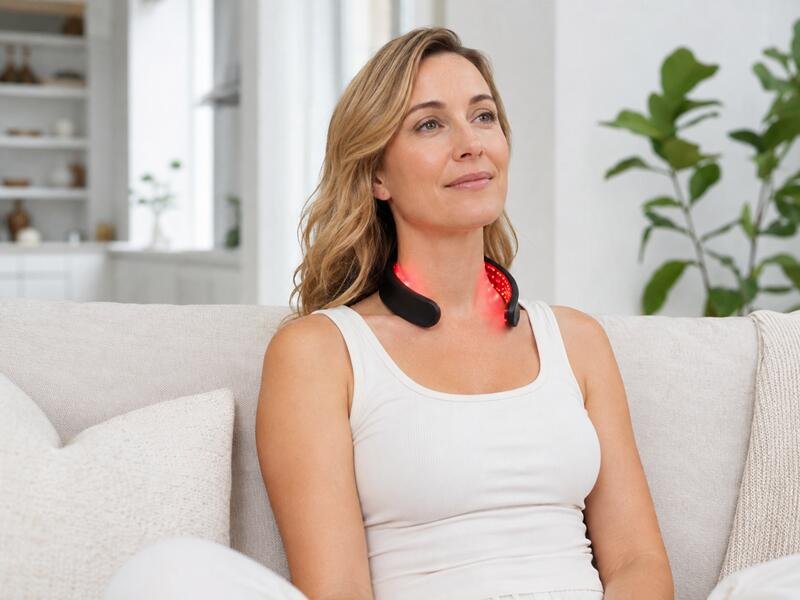
Somewhere right now, a wellness client is explaining to her husband why she’s sitting in front of a glowing red panel aimed at her neck. “It’s for my thyroid,” she says, with the calm authority of someone who has done exactly eleven minutes of research and three hours of Instagram scrolling. He nods. He stopped asking questions about the infrared sauna. The thing is — she might actually be onto something. Because while the image of bathing your neck in near-infrared light sounds like the punchline to a joke about biohackers, the science behind red light therapy and thyroid health is genuinely worth paying attention to. Peer-reviewed journals, randomized controlled trials, measurable reductions in autoimmune antibodies — the kind of language that makes procurement managers sit up straight.
For wellness brand owners, clinic operators, and distributors, this guide cuts through the glow and gets to the real question: is red light therapy a credible, commercially viable offering for thyroid health, and how do you source the right device to deliver it? Spoiler: yes, and carefully. Let’s get into it.
What Is Red Light Therapy?
Red light therapy (RLT) — also referred to as photobiomodulation (PBM) or low-level laser/light therapy (LLLT) — is a non-invasive treatment that delivers specific wavelengths of red and near-infrared (NIR) light to the skin and underlying tissues. Unlike ultraviolet (UV) light, which can damage skin cells, red and NIR light wavelengths are biologically safe and have been shown to stimulate cellular repair and regeneration.
The most clinically studied wavelength ranges are:
- Red light (630-700 nm): Primarily targets the skin’s surface and superficial tissues, widely used in facial care, wound healing, and skin rejuvenation.
- Near-infrared light (800-1000 nm): Penetrates more deeply into muscle, joint, and glandular tissue — making it the more relevant wavelength for thyroid applications.
The mechanism of action centers on mitochondrial activation. Light photons are absorbed by cytochrome c oxidase within cell mitochondria, triggering increased production of adenosine triphosphate (ATP), reduced oxidative stress, and improved microcirculation — all of which contribute to tissue healing and functional restoration.
Thyroid Function and Common Disorders
The thyroid is a butterfly-shaped endocrine gland located in the front of the neck. It produces hormones — primarily thyroxine (T4) and triiodothyronine (T3) — that regulate metabolism, energy production, heart rate, body temperature, and numerous other physiological functions. Dysfunction of the thyroid is among the most prevalent hormonal disorders worldwide.
Hypothyroidism
The thyroid produces insufficient hormones. Symptoms include fatigue, weight gain, cold intolerance, dry skin, and depression.
Most common cause: Hashimoto’s thyroiditis — an autoimmune condition in which the immune system attacks thyroid tissue.
Hyperthyroidism
The thyroid overproduces hormones. Symptoms include weight loss, rapid heartbeat, anxiety, and heat sensitivity.
Most common cause: Graves’ disease — another autoimmune disorder causing overstimulation of the thyroid gland.
It is estimated that over 750 million people globally suffer from thyroid disorders, with hypothyroidism — particularly Hashimoto’s — being most prevalent among the wellness populations that clinics and wellness brands typically serve. This creates a compelling market opportunity for adjunctive therapies that can address autoimmune inflammation and glandular function.
The Science: How Red Light Therapy May Affect the Thyroid
The thyroid is a highly vascular, superficial gland — anatomically well-suited to receive photonic energy from external light sources. Several proposed mechanisms explain how red and near-infrared light may benefit thyroid function:
Reduction of Autoimmune Inflammation
Photobiomodulation has demonstrated anti-inflammatory effects by downregulating pro-inflammatory cytokines (such as TNF-α and IL-6) and modulating immune cell activity. In autoimmune thyroid conditions like Hashimoto’s, chronic inflammation progressively destroys thyroid tissue. Reducing that inflammatory burden may slow disease progression and improve glandular output.
Enhanced Cellular Energy Production (ATP)
By stimulating mitochondrial activity, RLT increases ATP synthesis in thyroid follicular cells. Greater cellular energy availability supports the biosynthesis of T3 and T4 hormones, potentially improving the gland’s secretory capacity in cases where it has been compromised by inflammation or degeneration.
Improved Local Circulation and Lymphatic Flow
Red and NIR light promotes vasodilation and stimulates nitric oxide release, improving blood flow to the thyroid gland. Enhanced perfusion supports nutrient delivery and waste removal, creating a healthier tissue environment for hormone production.
Reduction of Thyroid Peroxidase (TPO) Antibodies
Clinical studies have measured reductions in TPO antibody levels following photobiomodulation treatment of the thyroid area. Elevated TPO antibodies are a hallmark of Hashimoto’s thyroiditis and correlate with ongoing autoimmune tissue damage. Lowering these markers represents a meaningful clinical endpoint.
Reduction of Oxidative Stress
Oxidative stress is a key driver of thyroid cell damage. PBM has been shown to upregulate antioxidant defenses and reduce reactive oxygen species (ROS), thereby protecting thyroid tissue from further oxidative injury.
Clinical Evidence and Research Summary
While large-scale randomized controlled trials (RCTs) remain limited, the existing body of peer-reviewed research provides meaningful signals — particularly for hypothyroidism related to Hashimoto’s thyroiditis:
Key Study Highlight
Höfling et al. (2013) — Randomized Controlled Trial
A landmark Brazilian RCT published in Lasers in Surgery and Medicine evaluated low-level laser therapy applied directly to the thyroid region in patients with chronic autoimmune thyroiditis (Hashimoto’s). The study followed 43 patients over 6 months.
- ✓Significant reduction in levothyroxine (medication) dosage in the treatment group
- ✓Reduced TPO antibody levels (indicative of reduced autoimmune attack)
- ✓Improved echogenicity of thyroid tissue (ultrasound marker of tissue health)
- ✓Improved vascularization of the gland
- ✓No adverse effects were reported
| Study / Year | Condition | Wavelength Used | Key Finding |
|---|---|---|---|
| Höfling et al. (2013) | Hashimoto’s / Hypothyroidism | 830 nm (NIR) | Reduced medication need, lower TPO antibodies, improved tissue health |
| Höfling et al. (2012) | Autoimmune Thyroiditis | 830 nm (NIR) | Sustained improvement in thyroid function up to 9 months post-treatment |
| Azizoddin et al. (2022) | Hypothyroidism | 630 + 830 nm | Reduced TSH levels, improved T3/T4 ratios after 10 sessions |
| Solberg et al. (2019) | Subclinical Hypothyroidism | 850 nm (NIR) | Modest improvement in TSH normalization vs. control group |
Important Caveat for Buyers
While the existing research is promising, most studies involve small sample sizes and specific clinical parameters (e.g., trained laser technicians, precise energy delivery). Results should not be overstated in consumer-facing marketing. Devices should be positioned as adjunctive wellness tools, not medical treatments, unless sold specifically into clinical channels with appropriate regulatory clearance.
Practical Applications for Clinics and Wellness Brands
For buyers evaluating whether to incorporate RLT into their service menu or product catalog, the following use-case scenarios represent the most commercially viable opportunities:
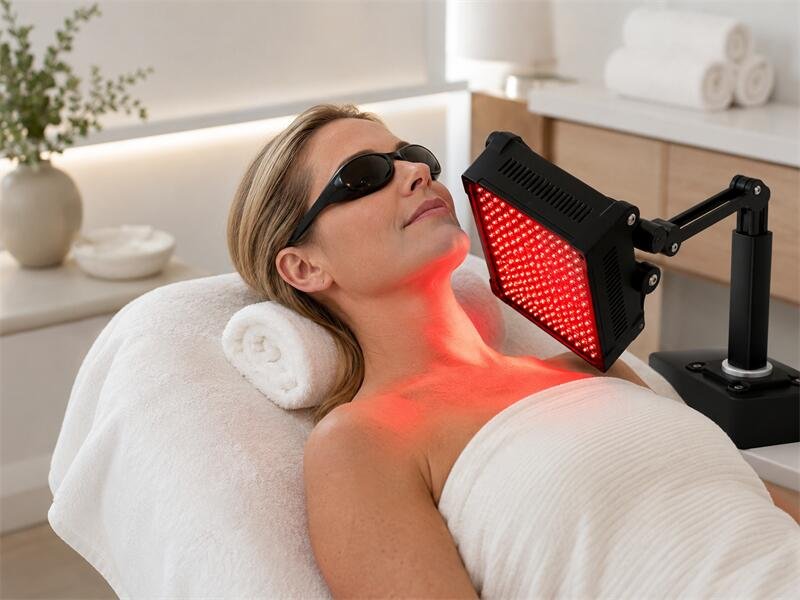
Wellness Centers & Spas
Add thyroid-targeted RLT as a “hormone harmony” or “energy balance” service. Use panel-style devices for cervical/neck area exposure. Market to clients experiencing fatigue, weight issues, or stress.
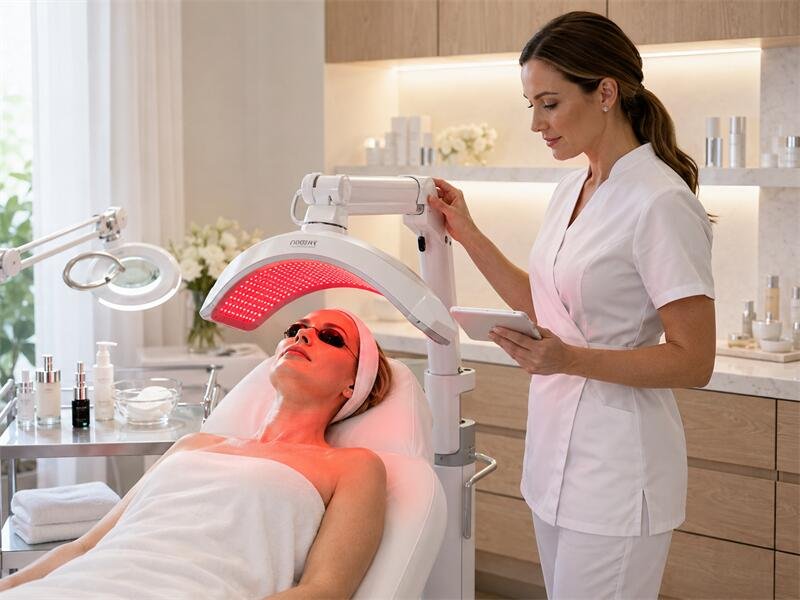
Medical Aesthetics & MedSpas
Bundle RLT thyroid protocols with existing facial rejuvenation or body contouring services. Position as a science-backed adjunct for clients on thyroid medication seeking holistic support.
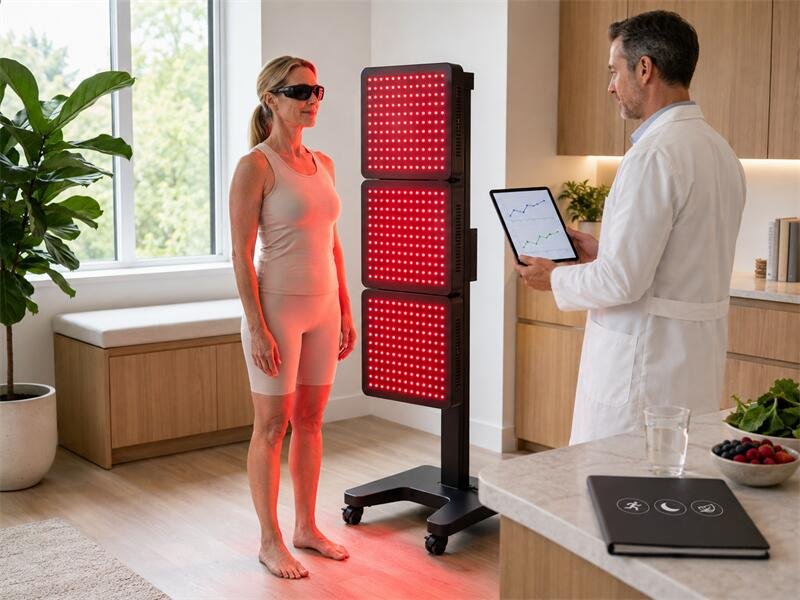
Functional Medicine Clinics
Integrate into Hashimoto’s management protocols alongside dietary and lifestyle interventions. Track TSH and TPO antibody levels to demonstrate measurable client outcomes over time.

Consumer Device Brands
Develop at-home wearable neck/collar devices or handheld units targeting thyroid wellness. A growing number of consumers self-manage thyroid health — this is an underserved product niche.
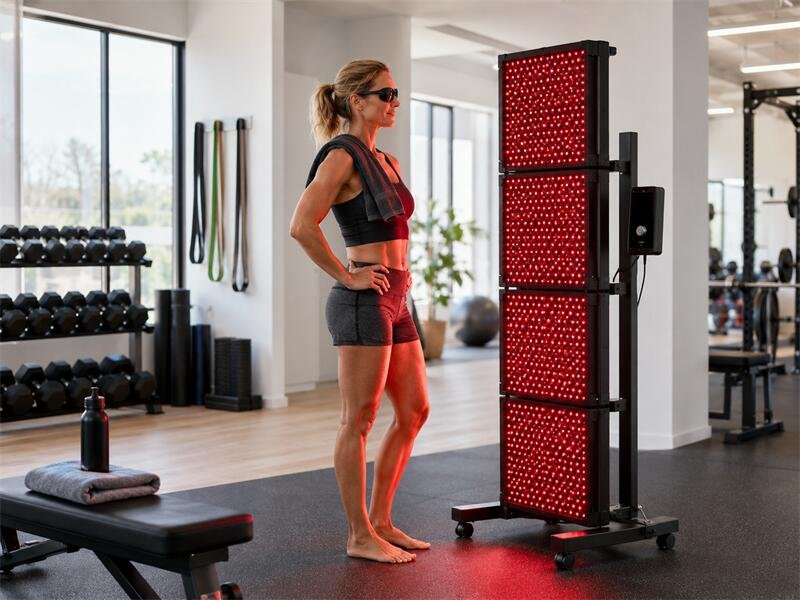
Fitness & Recovery Studios
Target clients struggling with weight management, energy, or metabolic performance — all areas indirectly impacted by thyroid function. Full-body RLT sessions offer systemic metabolic benefits.
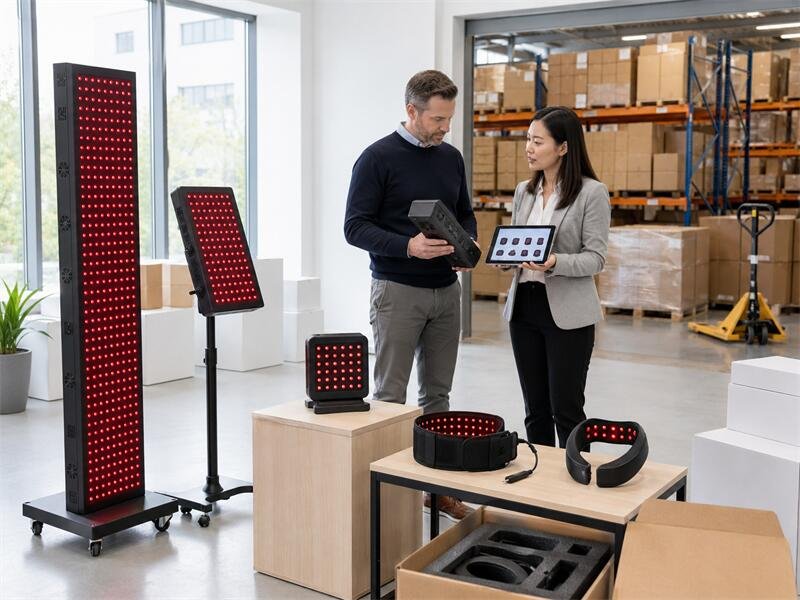
Distributors & Wholesalers
Thyroid wellness is a fast-growing sub-niche within functional health. Sourcing a thyroid-specific SKU or a flexible multipurpose panel device positions your catalog ahead of rising demand.
Buyer Considerations: Choosing the Right Device
Not all red light therapy devices are equally suited for thyroid applications. As a buyer sourcing devices for clinical or commercial deployment, evaluate the following technical and commercial parameters:
Wavelength Specification
For thyroid applications, near-infrared wavelengths (820-850 nm) are most supported by clinical research due to their deeper tissue penetration. A dual-wavelength device combining red (630-660 nm) and NIR (830-850 nm) provides broader therapeutic coverage. Avoid devices that only offer 630-670 nm red light for this application.
Power Density (Irradiance)
Clinical studies typically deliver 20-150 mW/cm² at the tissue surface. Ensure your device’s power density can achieve the therapeutic range at a practical treatment distance (typically 5-15 cm from the neck). Request irradiance data per wavelength from your supplier — not just peak LED wattage figures, which can be misleading.
Device Form Factor
The anatomical location of the thyroid — the anterior neck — demands careful consideration of device design:
- →Neck/collar wearables: Highest precision delivery; ideal for at-home consumer products and dedicated clinical protocols.
- →Small panel devices: Versatile and suitable for spot treatment in a clinical chair; can serve multiple applications beyond thyroid.
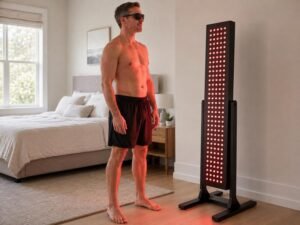
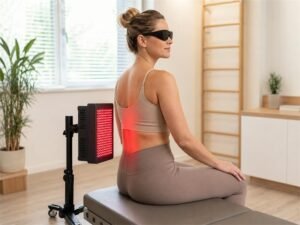
- →Full-body panels: Less targeted but provide systemic metabolic benefits (mitochondrial activation, anti-inflammation) complementary to thyroid health.
- →Handheld devices: Good for portable clinical use; operator-controlled placement at the thyroid site.
Treatment Protocol Flexibility
Look for devices with adjustable timer settings (5-20 minute sessions) and ideally programmable modes per wavelength. Clinical thyroid protocols from the literature typically involve 10-15 sessions over several weeks. Your device must support structured, repeatable session delivery.
OEM/ODM Customization Options
For brand owners, consider suppliers offering:
- Private label branding (device shell, packaging, documentation)
- Custom wavelength combinations per application
- App connectivity for protocol management and patient data
- White-label user manuals with clinic or brand-specific protocols
- Regulatory documentation support (CE, FCC, FDA 510(k) where applicable)
Safety, Compliance, and Regulatory Notes
Red light therapy has an excellent safety profile. No significant adverse effects have been reported in clinical studies involving thyroid treatment. However, as a buyer and brand owner, a clear grasp of the regulatory landscape is critical for protecting your business and your customers.
General Safety Profile
- ✓Non-thermal at therapeutic doses — no tissue heating
- ✓Non-ionizing — does not damage DNA
- ✓No photosensitizing chemicals required
- ✓Well-tolerated by sensitive populations
Contraindications to Flag
- ⚠Active thyroid cancer — avoid direct irradiation
- ⚠Hyperthyroidism — may be contraindicated (could overstimulate)
- ⚠Pregnancy — insufficient data; avoid by default
- ⚠Users with implanted devices near the neck
Frequently Asked Questions
Can red light therapy replace thyroid medication?
How many sessions are needed to see results for thyroid support?
Is there a market for thyroid-specific RLT devices?
What is the minimum viable product for a thyroid RLT offering?
How do I evaluate a manufacturer’s credibility for this type of device?
What information should I include in an RFQ for a thyroid red light therapy device?
What is the typical MOQ for a custom thyroid red light therapy device?
How long does it take from RFQ submission to receiving a sample unit for a thyroid RLT device?
What certifications should I request when sourcing a thyroid red light therapy device?
Can I request a thyroid-specific treatment protocol to be built into the device firmware?
Conclusion
The evidence supporting red light therapy — particularly near-infrared photobiomodulation — as a meaningful adjunct for thyroid health is growing and scientifically credible. The mechanisms are well-grounded in cellular biology, and clinical results, while not yet large-scale, consistently point toward improvements in autoimmune markers, tissue health, and in some cases, reduced dependence on thyroid medication.
For buyers in the wellness and medical aesthetics space, the strategic opportunity is clear: thyroid wellness is a high-demand, underserved niche with a well-defined and commercially valuable target demographic. Whether you are developing a branded consumer device, expanding a clinic service menu, or building a distribution catalog, thyroid-targeted RLT represents a differentiated, science-backed positioning opportunity.
The critical success factors are choosing devices with the right wavelength specifications, working with a capable OEM partner who can support regulatory compliance, and positioning the technology honestly within a wellness — rather than medical claims — framework.
Disclaimer: This article is intended for informational and commercial evaluation purposes and is directed at industry professionals — brand owners, distributors, and clinic operators. It does not constitute medical advice and should not be used to guide personal health decisions. Red light therapy devices should not be marketed as treatments for thyroid disease without appropriate regulatory clearance. Always consult a licensed healthcare provider for individual medical decisions.