The Short Version — For Busy Buyers
Here’s What You Need to Know
Red light therapy (620-700 nm) does not kill fungal organisms the way antifungal drugs do. That’s a fact, and anyone telling you otherwise is stretching the data. However — and this is where it gets interesting for product sourcing — specific wavelengths of light do have real antifungal effects. Blue light (405-470 nm) can directly damage fungal cells in lab and clinical settings. Red and near-infrared light contribute indirectly by strengthening the body’s immune response, improving blood flow to infected tissue, and speeding up repair in damaged areas.
405-470nm
Blue light — direct antifungal action
630-660nm
Red light — immune support & healing
810-850nm
NIR — deep tissue recovery
If you’re a brand owner, distributor, or procurement manager looking at this category, the picture is nuanced but commercially promising: the antifungal light therapy market is real, it’s growing, and the products work — but how you position and label them matters enormously. The devices that sell best and hold up to scrutiny combine multiple wavelengths in one unit, so end-users get both the direct antimicrobial effect from shorter wavelengths and the recovery benefits from red and near-infrared light.
We wrote this piece to walk through the science, the evidence, the product options, and the practical sourcing decisions that come with entering or expanding in this space. No fluff — just what you need to make a good call.
How Different Wavelengths Actually Affect Fungal Organisms
Before you can evaluate products or talk to manufacturers with any confidence, you need to know what’s happening at the biological level. Fungal infections — whether it’s nail fungus (onychomycosis), athlete’s foot (tinea pedis), or Candida overgrowth — are caused by organisms that respond to specific environmental conditions, including light exposure. The response varies a lot depending on the wavelength.
Photobiomodulation (PBM) — The Mechanism Behind Red & NIR Light
Red light therapy works through a process called photobiomodulation (PBM). In plain terms: photons at specific wavelengths get absorbed by a protein in your mitochondria called cytochrome c oxidase. That kicks off a chain of cellular responses:
More ATP Production
Cells generate more energy, which accelerates repair and ramps up immune function in the treated area. Essentially, the body gets more fuel to fight back against fungal invaders.
Better Blood Flow
Improved microcirculation means more immune cells and nutrients reach infected tissue, and metabolic waste gets cleared out faster. For nail fungus, this is a big deal — nails have notoriously poor circulation.
Immune System Modulation
PBM adjusts inflammatory cytokines — dialing down chronic inflammation while supporting the acute immune response the body needs to fight active infections. It’s not a blunt instrument; it’s more like fine-tuning.
Faster Tissue Turnover
Quicker cell replacement means damaged skin and nail tissue gets swapped out sooner, physically displacing fungal colonies from infected structures. Think of it as growing the fungus out.
Direct Antimicrobial Photoinactivation — Where Blue Light Comes In
Red light works through the body. Blue and violet light (405-470 nm) work on the fungus directly. The mechanism is called antimicrobial photoinactivation (aPDI). When blue light hits endogenous porphyrins inside fungal cells, it generates reactive oxygen species (ROS) that tear apart cell membranes, proteins, and DNA. The fungal cell doesn’t survive that.
Why This Matters for Product Design:
The strongest devices on the market right now combine multiple wavelengths. Pairing blue light (for direct fungal kill) with red and near-infrared light (for tissue healing and immune support) gives you the most defensible clinical story and the widest market appeal. If your manufacturer can only do single-wavelength, you’re leaving performance and margin on the table.
Red vs. Near-Infrared vs. Blue Light — Side by Side
Each wavelength range does something different. If you’re going to have a productive conversation with a manufacturer — or evaluate competing products — you need to know what each one brings to the table.
| Parameter | Blue Light (405-470 nm) | Red Light (620-700 nm) | Near-Infrared (700-1100 nm) |
|---|---|---|---|
| Penetration Depth | Superficial (1-2 mm) | Moderate (2-5 mm) | Deep (up to 50 mm) |
| Direct Antifungal Action | Strong — ROS generation | Weak — minimal direct effect | Minimal — no direct effect |
| Immune Support | Limited | Strong — cytokine modulation | Strong — deep tissue response |
| Tissue Healing | Moderate | Strong — collagen & cell turnover | Strong — deep repair |
| Blood Circulation | Minimal | Significant | Significant |
| Best For | Surface fungal infections, nail fungus | Healing support, skin infections | Deep tissue infections, systemic support |
| Typical Use Case | Targeted antifungal treatment | Post-treatment recovery | Comprehensive wellness programs |
What This Means for Sourcing
If antifungal is your target market, you want a manufacturer that can build multi-wavelength LED arrays into one device. The ideal setup: 405 nm (or 415 nm) blue LEDs paired with 660 nm red and 850 nm near-infrared LEDs. That gives your customers the most complete treatment profile, and it gives you a product that justifies a higher price point. Single-wavelength devices are harder to differentiate and easier for competitors to undercut.
What the Clinical Data Says (and Doesn’t Say)
If you’re going to put money behind a product, you need to know what the evidence actually supports — not what a marketing slide says. Here’s a straight look at the research.
Onychomycosis (Nail Fungus)
Nail fungus is where most of the research is, and it’s also the biggest commercial opportunity. Onychomycosis affects roughly 10% of the global population and up to 50% of adults over 70. That’s a huge addressable market, and these patients are actively looking for alternatives to oral medications that can damage the liver.
Dual-Wavelength Device Trials
Several clinical trials using dual-wavelength devices (typically 405 nm + 635 nm, or 870 nm + 930 nm) have reported mycological cure rates between 30-65% after 12-24 weeks of treatment. That’s lower than oral antifungals (around 70%), but oral antifungals carry liver toxicity risks that many patients and clinicians want to avoid. Light therapy offers a non-invasive alternative with essentially zero side effects.
Source: Journal of Clinical and Aesthetic Dermatology, multiple peer-reviewed studies 2015-2023
Blue Light vs. Trichophyton rubrum (Lab Data)
In vitro studies show that 405 nm blue light can reduce Trichophyton rubrum — the most common dermatophyte behind nail and skin fungal infections — by up to 90% at energy densities of 36-72 J/cm². That’s strong evidence for direct antimicrobial action. The caveat: lab results don’t always translate 1:1 to clinical outcomes, but the data is solid enough to build a product story around.
Source: Photochemistry and Photobiology, 2019
Red Light as a Booster for Conventional Treatment
A 2020 systematic review found that adding red light therapy (630-660 nm) to standard antifungal treatments improved clinical outcomes by 15-25% compared to antifungal medication alone. The likely reason: better blood flow means better drug delivery, and faster nail growth means infected tissue gets replaced sooner. This is a compelling use case for combination therapy positioning.
Source: Lasers in Medical Science, 2020
Skin Fungal Infections (Tinea, Candida)
There’s less published research here, but what exists is encouraging:
- ✦Candida albicans shows clear sensitivity to 405 nm blue light in multiple lab studies, with significant growth inhibition at energy densities that are achievable in real-world devices.
- ✦Photodynamic therapy (PDT) — combining light with photosensitizing agents — shows stronger antifungal effects than light alone. This opens up potential for combination product kits (device + topical), which is a higher-margin play.
- ✦Athlete’s foot treatment studies using 660 nm red light showed faster healing and fewer recurrences when light therapy was part of the treatment plan. Not a standalone cure, but a meaningful addition.
Where the Evidence Stands:
Light therapy is a legitimate tool for antifungal treatment — that’s not hype. But it works best when positioned as a non-invasive complement to conventional treatments, not a replacement. The strongest direct evidence is for blue light wavelengths. Red and NIR have the strongest evidence as healing accelerators. For your product line, the combination approach is the most defensible — both scientifically and commercially.
Where Antifungal Light Therapy Is Already Being Used
Knowing who’s buying these devices — and why — helps you figure out which customer segment to target and what kind of product to source.
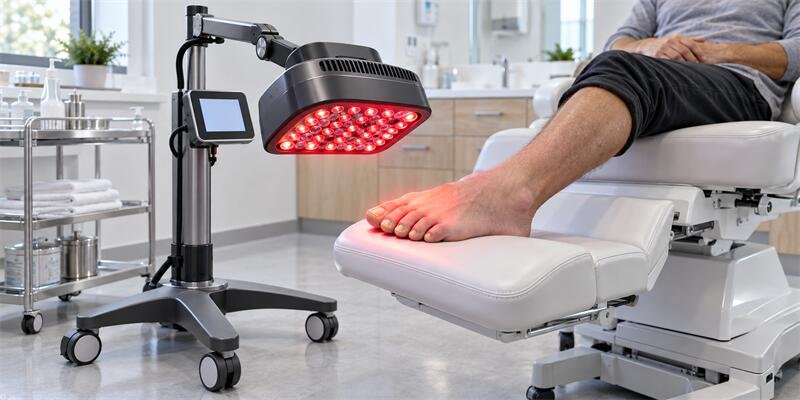
Dermatology & Podiatry Clinics
This is the primary professional market. Clinics treating onychomycosis and chronic skin fungal infections need clinical-grade devices with documented protocols and FDA-compliant paperwork. They’re willing to pay more for reliability and compliance support.
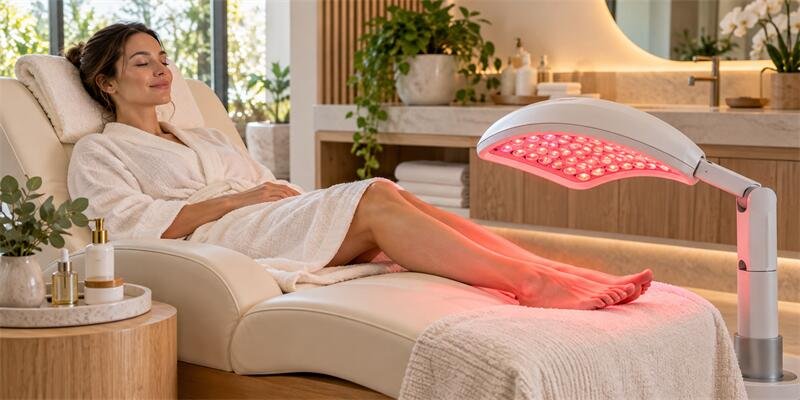
Wellness Centers & Spas
More and more spas are adding light therapy to their menus. Antifungal capability is a value-add for existing devices — especially in foot care and skin rejuvenation programs. These buyers care about aesthetics, ease of use, and being able to offer something their competitors don’t.
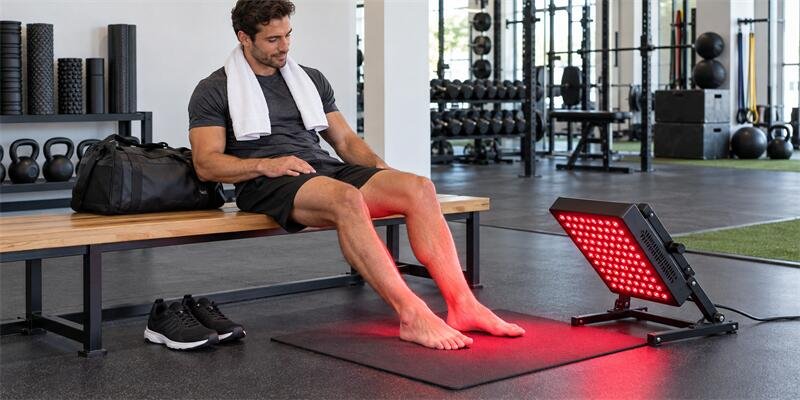
Gyms & Athletic Facilities
Anyone who’s spent time in a gym locker room knows fungal infections come with the territory. Light therapy devices here serve double duty: recovery from training and prevention/treatment of athlete’s foot. It’s a natural fit, and gym owners like products that solve more than one problem.
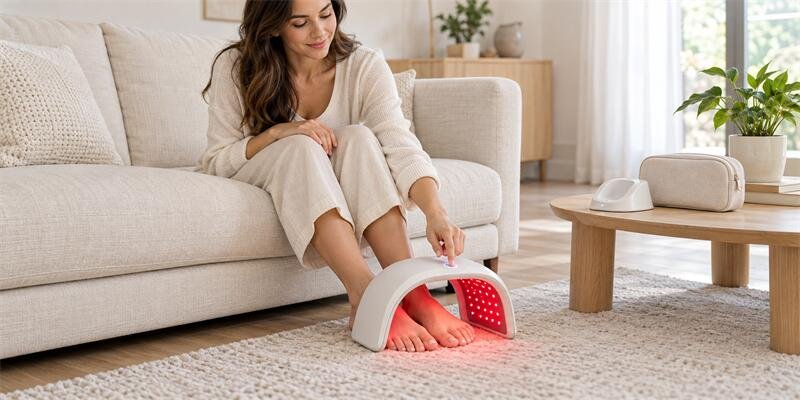
Home Use / DTC Market
This is the fastest-growing segment, period. Consumers are tired of prescription side effects and want something they can use at home on their own schedule. Compact, easy-to-use antifungal light devices command strong margins, and the repeat-purchase cycle (accessories, replacement parts) adds lifetime value.
Device Form Factors That Make Sense for This Market
Not every device shape works for antifungal applications. Here’s how the main form factors map to real use cases and the customers who buy them.
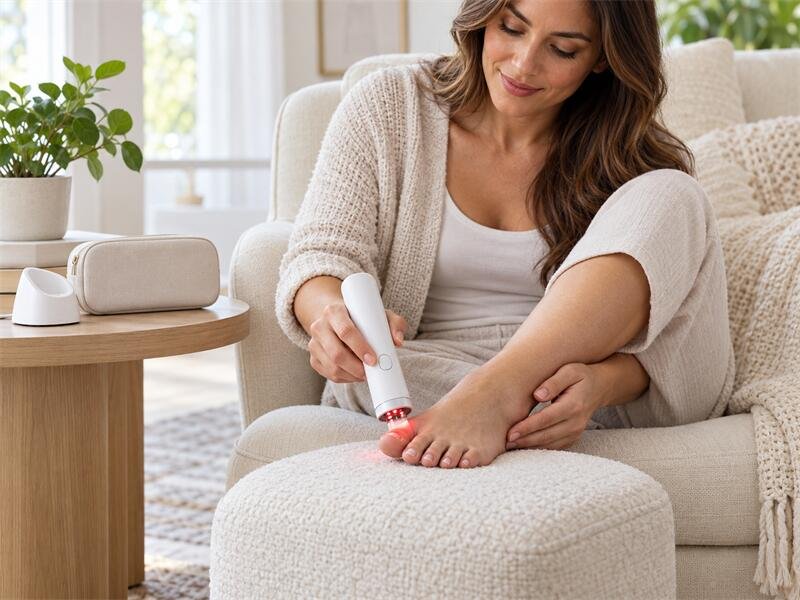
Handheld & Portable Devices
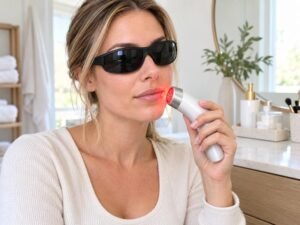
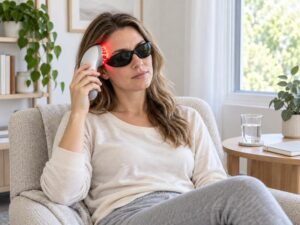
The workhorse of antifungal light therapy. Handhelds let users target specific nails, skin patches, or feet with precise control over dosage and timing. They sell well in both clinical and home-use channels, and they’re the easiest form factor to get to market quickly.
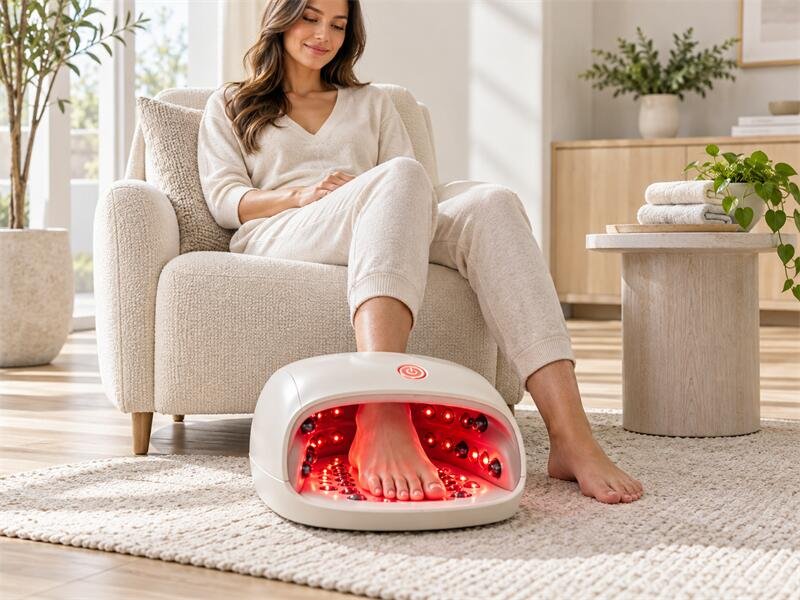
Foot Therapy Devices
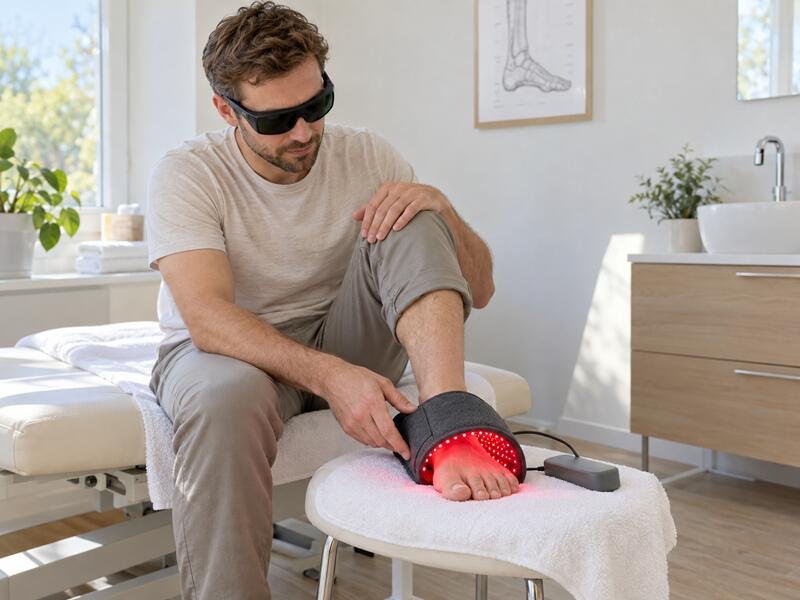
Purpose-built foot devices are the highest-value segment for antifungal applications. They wrap around or cradle the foot, delivering even light exposure to all toenails and surrounding skin at once. Users just slip their foot in and wait — no aiming, no guesswork. That hands-free convenience justifies premium pricing.
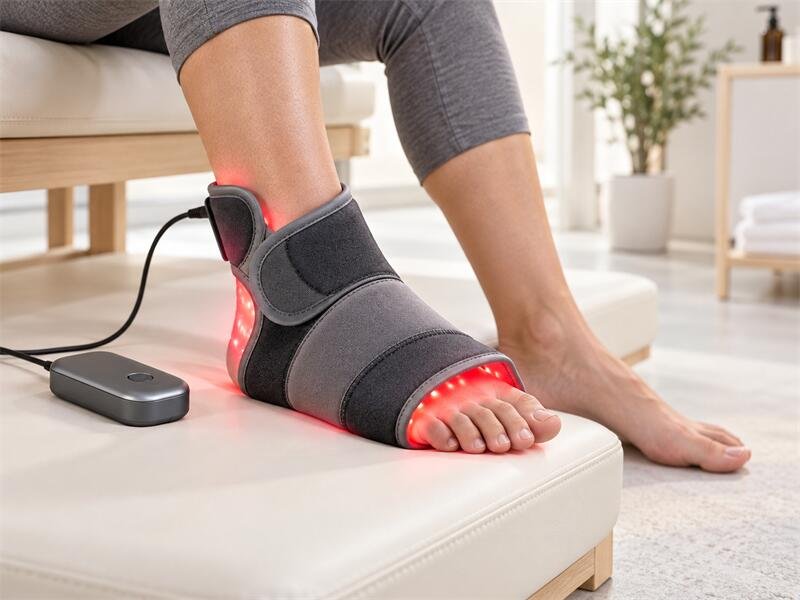
Wearable & Flexible Devices
Flexible LED pads and wraps conform to feet, hands, skin folds — wherever fungal infections tend to show up. Their versatility is the selling point: one device, multiple treatment areas. Both professional and consumer buyers like that value proposition, and this segment is growing fast.
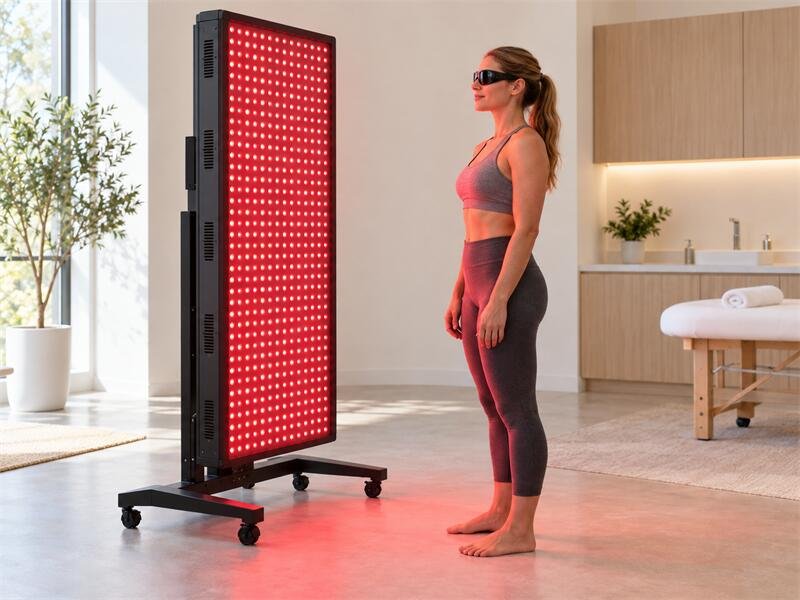
Red Light Therapy Panels
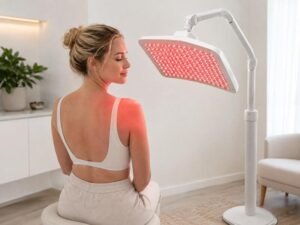
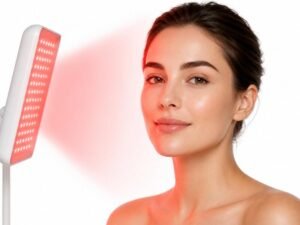
Panels aren’t specifically designed for antifungal use, but they play a supporting role. Clinics use them for systemic immune support and overall wellness as part of broader treatment programs. If you’re already selling panels, adding targeted antifungal devices to your line creates a natural upsell opportunity.
What to Check Before Placing an Order
Whether you’re building a new product line, expanding your catalog, or sourcing for a clinic chain — these are the things that separate a good purchase from a costly mistake.
1. Wavelength Configuration
Make sure the manufacturer can actually build multi-wavelength devices — not just claim they can. For antifungal, you want:
- ✦405 nm or 415 nm blue LEDs for direct antifungal action
- ✦630-660 nm red LEDs for tissue healing
- ✦810-850 nm NIR LEDs for deep tissue support
- ✦Independent wavelength control so users can customize protocols
2. Power Density & Dosimetry
Underpowered devices don’t work. Period. Ask your manufacturer to provide:
- ✦Irradiance ≥ 30 mW/cm² at treatment surface
- ✦Documented energy density (J/cm²) per session
- ✦Uniform beam distribution — no hot spots or dead zones
- ✦Third-party irradiance testing reports (not just their own numbers)
3. LED Quality & Lifespan
Antifungal protocols mean daily use for weeks or months. Cheap LEDs die early, and dead LEDs mean returns and warranty claims:
- ✦Medical-grade LEDs with ≥ 50,000-hour rated lifespan
- ✦Wavelength tolerance within ± 5 nm
- ✦Proper thermal management (heat kills LEDs faster than anything)
- ✦Consistent output over the product’s lifetime
4. OEM/ODM Capabilities
If you want to stand out in the antifungal market, you need a manufacturer that can do more than slap your logo on a generic device:
- ✦Custom form factor design for specific body areas
- ✦Programmable treatment protocols (time, intensity, wavelength)
- ✦Private labeling and custom packaging
- ✦App connectivity for treatment tracking (if you’re going premium)
5. Safety & Material Standards
You’re treating infected areas. Hygiene and safety aren’t optional:
- ✦Medical-grade, antimicrobial contact materials
- ✦Easy-to-clean surfaces (non-negotiable for clinical use)
- ✦Eye safety compliance — especially for blue light devices
- ✦Automatic shutoff and timer functions
6. Supply Chain Reliability
You can’t build a brand if your supplier can’t deliver consistently:
- ✦Stable LED chip sourcing (ask if they depend on a single supplier)
- ✦Flexible MOQ for market testing before you commit big
- ✦Scalable production when demand picks up
- ✦Quality consistency across batches — not just the first sample
Regulatory Reality — What You Can and Can’t Claim
This is the section that can save you from an expensive mistake. How you label and market antifungal light therapy products determines your regulatory burden, your legal exposure, and frankly, whether you can sell the product at all in certain markets.
Don’t Skip This Part
Claiming your device “kills fungus” or “cures nail fungus” will likely classify it as a medical device in most countries. In the US, that means FDA 510(k) clearance. In the EU, CE medical device marking. Both add significant time and cost. We’ve seen brands get pulled from Amazon and face legal action for making claims their regulatory status didn’t support. Get this right from the start.
Three Ways to Position Your Product
Option A: Wellness Positioning (Fastest to Market)
Sell it as a general wellness device that supports skin health, circulation, and cellular vitality. Stay away from disease-specific claims. This keeps your regulatory burden low and gets you to market fast.
What you can say: “Supports healthy skin,” “Promotes circulation in feet and hands,” “Supports the body’s natural cellular processes,” “Enhances skin vitality”
Option B: Medical Device Path (Slower, but Higher Value)
Go through FDA clearance or CE medical marking so you can make specific treatment claims. It costs more and takes longer, but it opens the clinical market and lets you charge premium prices with real credibility.
What’s involved: FDA 510(k) or De Novo classification, clinical evidence documentation, quality management system (ISO 13485), post-market surveillance
Option C: Start Wellness, Build Toward Medical (What Most Smart Buyers Do)
Launch with wellness-level claims to start generating revenue. Meanwhile, collect user data and build the regulatory dossier for medical device classification. This lets you enter the market now while investing in a long-term competitive moat.
How it works: Start with CE/FCC general compliance, use evidence-based but non-medical marketing, collect clinical data from early users, pursue medical device classification when the revenue justifies the investment
Certifications to Verify with Your Manufacturer
CE Marking
EU market access
FCC Compliance
US market access
FDA Registration
US medical device path
ISO 13485
Medical QMS standard
Market Size and Why Demand Keeps Growing
Numbers matter when you’re deciding whether to invest in a product category. Here’s what the market looks like right now.
$1.1B+
Global light therapy device market (2024), growing at 5.3% CAGR
10%
Global population affected by onychomycosis — that’s hundreds of millions of potential customers
68%
Consumers who prefer non-pharmaceutical treatments for chronic conditions
What’s Driving Demand
Antifungal Drug Resistance Is a Real Problem
Fungal organisms are developing resistance to conventional medications — the same pattern we’ve seen with antibiotics. Clinicians and patients are actively looking for alternatives, and light-based therapies are one of the few non-drug options with actual clinical data behind them.
People Don’t Want More Pills
The wellness movement isn’t just a trend — it’s a permanent shift in how consumers think about healthcare. Drug-free, side-effect-free treatments are what people are looking for. Light therapy fits that demand perfectly, especially in the DTC market.
Clinics Are Adding Light Therapy to Their Menus
Dermatology and podiatry practices are increasingly incorporating light therapy. That professional adoption creates a halo effect — when a doctor recommends it, consumers go looking for home devices. The professional and consumer markets feed each other.
The Population Is Getting Older
Fungal infections hit older adults hardest — up to 50% prevalence in people over 70. As the global population ages, the addressable market expands every year. And this demographic tends to have higher healthcare spending capacity.
Common Questions We Get from Buyers
Does red light therapy directly kill fungus?
No. Red light (620-700 nm) doesn’t kill fungal organisms directly. What it does is support the body’s own defenses — better immune response, improved blood flow to infected areas, and faster tissue repair. For direct antifungal action, you need blue light wavelengths (405-470 nm). The best devices combine both: blue light to attack the fungus, red and NIR light to help the body heal.
What wavelength is most effective for treating nail fungus?
405 nm blue light has the strongest evidence for direct antifungal action. But the clinical protocols that get the best results use multiple wavelengths together: 405 nm (kills the fungus) + 635-660 nm (heals the tissue) + 850 nm (penetrates deep into the nail bed). No single wavelength does everything — the combination is what delivers real outcomes.
How long before users see results for fungal infections?
Be upfront with your customers on this: nail appearance starts improving after 8-12 weeks of consistent daily use (10-20 minutes per session). Full clearance takes 6-12 months because toenails just grow slowly. Skin fungal infections respond faster — typically 2-4 weeks for visible improvement. Setting realistic expectations from the start is the single best thing you can do for customer satisfaction and product reviews.
Can I market my device as an antifungal treatment?
It depends on how specific you get. Saying “kills fungus” or “treats onychomycosis” turns your device into a medical device in most jurisdictions — that means FDA clearance in the US and CE medical marking in the EU. You can market with general wellness claims like “supports healthy skin and nails” or “promotes circulation” without triggering medical device classification. Talk to a regulatory consultant in your target market before you finalize any packaging or marketing copy. It’s worth the fee.
Is it safe to use on infected skin or nails?
Yes, within recommended parameters. Red and near-infrared light therapy at therapeutic doses has no known significant side effects. Blue light requires more caution around eye exposure — that’s non-negotiable. Every device should include eye protection warnings, automatic timers, appropriate power limits, and clear usage instructions. Cutting corners on safety features is a liability risk you don’t want.
What MOQ should I expect for custom antifungal devices?
It depends on how custom you’re going. Standard OEM with your branding typically starts at 50-100 units. Full ODM with custom form factors or unique wavelength configurations usually requires 200-500 units for the initial run. Most good manufacturers — MedLight included — will work with you on smaller quantities for market testing, then scale up once you’ve validated demand. The key is to have that conversation early so there are no surprises on lead time or unit cost.
Can red light therapy be used alongside antifungal medications?
Yes — and this is actually one of the strongest use cases. Research shows red light therapy improves the effectiveness of topical antifungals by boosting blood flow and helping the medication penetrate better. This matters especially for nail fungus, where getting drugs through the nail plate is a major challenge. Positioning light therapy as a complement to conventional treatment — rather than a replacement — is also a much safer regulatory strategy and a more credible marketing message.
What else can red light therapy devices do beyond antifungal use?
Quite a lot, actually. Red light (620-750 nm) and near-infrared (750-1100 nm) have evidence-backed applications in pain relief, muscle recovery, skin rejuvenation, wound healing, hair growth stimulation, and joint health. That versatility is a major selling point — a single device can serve fitness enthusiasts, beauty-conscious consumers, chronic pain sufferers, and aging populations. If you’re building a product line, the cross-selling opportunities are significant.
How does red light therapy work at the cellular level?
Photons get absorbed by cytochrome c oxidase — a protein in the mitochondria. That stimulates the electron transport chain and ramps up ATP production (the energy currency of cells). More ATP means faster metabolism, better tissue repair, less oxidative stress, and reduced inflammation. It also triggers nitric oxide release, which improves blood flow, and activates protective cellular pathways. Knowing this mechanism helps you talk about your product with scientific credibility — without making medical claims.
What power density and treatment parameters should I look for?
The numbers that matter: irradiance (power density) should be 30-100 mW/cm² at the treatment surface for clinical-grade results. Dosage (fluence) typically targets 4-60 J/cm² per session depending on the application. Wavelength choice matters too — 630-660 nm for skin-level targets, 810-850 nm for deeper tissue. Treatment duration, frequency, and distance all affect outcomes. The devices that perform best in the market are the ones with accurate, consistent power output and clear documentation. That’s what separates a premium product from a commodity.
Bottom Line — How to Make a Smart Sourcing Decision
“Does red light therapy kill fungus?” isn’t a yes-or-no question — and that nuance is actually where the opportunity lies for anyone paying attention. Here’s what the evidence tells us:
Red light on its own won’t kill fungus. But it meaningfully supports the body’s fight against infection through immune modulation, better circulation, and faster tissue repair. That’s not nothing — it’s a clinically documented effect.
Blue light (405-470 nm) does have direct antifungal properties. The lab data is strong — up to 90% reduction in common dermatophytes. Clinical results are promising but still building. It’s real, it’s documented, and it’s commercially viable.
Multi-wavelength devices are the right product bet. They give you the strongest clinical story, the broadest customer appeal, and the best justification for premium pricing. Single-wavelength is a race to the bottom.
The market is large and getting larger. Drug resistance, consumer preference for non-invasive treatments, clinical adoption, and an aging population are all pushing demand in the same direction. This isn’t a fad category.
Get your regulatory positioning right from day one. Start with wellness claims, build toward medical device classification if the numbers make sense. Don’t make claims your regulatory status can’t support — it’s not worth the risk.
The difference between a successful product launch and a costly misstep usually comes down to your manufacturing partner. You need someone who gets both the science and the business side — who can deliver multi-wavelength capability, consistent quality across production runs, regulatory support, and the flexibility to scale with you. That’s the kind of partnership that turns a good product idea into a profitable product line.