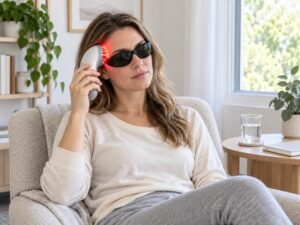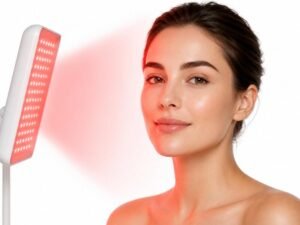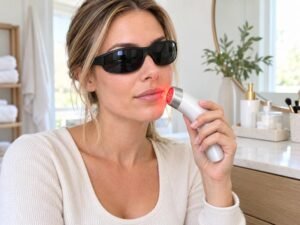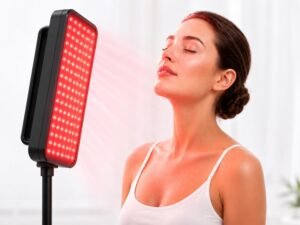
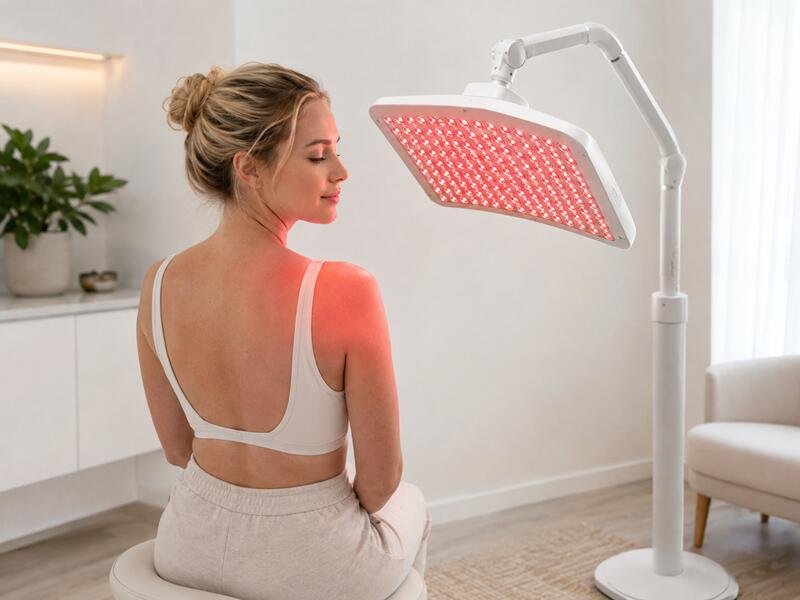
Nobody plans to get sunburned. And yet, every summer, millions of perfectly intelligent people — including your future customers — emerge from the beach looking like slow-roasted lobsters, frantically Googling “how to fix sunburn fast.” The good news? Red light therapy has a surprisingly well-supported answer. The better news? That answer is worth real money to your product line.
Red light therapy is no longer a fringe wellness curiosity. It’s a clinically studied, mechanism-backed modality with a growing body of peer-reviewed research behind it — and sunburn recovery sits squarely within its biological wheelhouse. We’re talking anti-inflammatory cytokine modulation, accelerated cellular repair, and actual pain relief. Not marketing language. Science.
This guide is written for brand owners, distributors, and procurement managers who want to understand the evidence, evaluate device specifications intelligently, and identify where sunburn recovery fits into a broader product strategy. Whether you’re sourcing panels for a medspa chain or developing a consumer SKU for the outdoor lifestyle market, the next 12 minutes will give you a sharper edge than a week of trade show floor conversations.
What Happens to Skin During a Sunburn?
A sunburn is not merely surface-level redness. It is an acute inflammatory response triggered by overexposure to ultraviolet (UV) radiation — primarily UVB rays — which penetrate the epidermis and cause direct DNA damage to skin cells.
The body’s immune system responds by flooding the affected area with pro-inflammatory cytokines, increasing blood flow, and activating repair mechanisms. This cascade is what produces the hallmark symptoms:
- Erythema (redness) — Vasodilation from inflammatory mediators like prostaglandins
- Pain and tenderness — Sensitization of nociceptors by inflammatory chemicals
- Swelling and heat — Increased vascular permeability
- Peeling — Programmed cell death (apoptosis) of damaged keratinocytes
- Long-term consequences — Repeated sunburns accelerate photoaging and increase melanoma risk
This biological process matters — it reveals the specific cellular targets where red light therapy may intervene most effectively.
What Is Red Light Therapy?
Red light therapy (RLT), also referred to as photobiomodulation (PBM) or low-level light therapy (LLLT), uses specific wavelengths of visible red and near-infrared (NIR) light delivered at non-thermal intensities to stimulate biological processes at the cellular level.
Red Light (630-700 nm)
Absorbed primarily in the skin’s surface layers. Targets mitochondria in keratinocytes and fibroblasts. Most effective for surface-level inflammation, skin repair, and collagen stimulation.
NIR Light (800-1100 nm)
Penetrates deeper into subcutaneous tissue and muscle. Reaches fascia, nerves, and connective tissue. More effective for deep-tissue pain management and systemic anti-inflammatory effects.
The primary cellular target is cytochrome c oxidase (CCO), a photosensitive enzyme in the mitochondrial electron transport chain. When stimulated by red or NIR light, CCO enhances ATP production, modulates reactive oxygen species (ROS), and triggers downstream cellular signaling pathways that regulate inflammation, repair, and proliferation.
The Science: Can Red Light Therapy Actually Help with Sunburn?
⚠️ Important Distinction
Red light therapy does not treat sunburn by reversing UV damage or replacing conventional care. Instead, it supports the skin’s natural healing process by modulating inflammation, accelerating cellular repair, and reducing pain — making it a powerful adjunct therapy, not a standalone cure.
The short answer is: yes, with caveats. Multiple peer-reviewed studies support the use of photobiomodulation in acute inflammatory skin conditions, which share significant biological overlap with sunburn pathophysiology. The key mechanisms that apply are well-documented.
That said, applying RLT to sunburned skin requires careful attention to timing, intensity (irradiance), wavelength selection, and device safety certification — all factors highly relevant to buyers selecting devices for professional or consumer deployment.
Inflammation Reduction
Supported by multiple RCTs and animal studies
Pain Relief
Documented analgesic effects via nociceptor modulation
Skin Repair
Enhanced collagen production and wound healing data
Key Mechanisms Behind the Relief
Anti-Inflammatory Cytokine Modulation
RLT downregulates the production of pro-inflammatory cytokines including IL-1β, IL-6, TNF-α, and prostaglandin E2 — the same mediators responsible for sunburn redness, swelling, and pain. This is achieved through NF-κB pathway suppression and modulation of toll-like receptor signaling.
Enhanced Mitochondrial ATP Production
UV radiation depletes cellular energy reserves in damaged keratinocytes. Red light stimulates CCO to restore electron transport chain efficiency, dramatically increasing ATP output. More ATP means faster cell repair, more efficient DNA damage recognition, and improved membrane integrity.
Collagen Synthesis and Fibroblast Activation
Severe sunburns degrade extracellular matrix proteins. RLT activates dermal fibroblasts to upregulate collagen type I and III synthesis, accelerating the reconstruction of the skin’s structural scaffold. This reduces peeling and long-term texture damage.
Angiogenesis and Microcirculation Support
RLT promotes the formation of new capillaries and improves microvascular perfusion. This accelerates the clearance of inflammatory debris and ensures that oxygen and nutrients reach compromised skin cells — reducing the duration of visible redness.
Nociceptor Desensitization (Pain Reduction)
Infrared wavelengths have demonstrated the ability to modulate TRPV1 (transient receptor potential vanilloid 1) channels and reduce substance P release — two key pathways in cutaneous pain signaling. This translates to meaningful pain relief for sunburned skin without pharmacological intervention.
Antioxidant Defense Upregulation
UV exposure generates excessive reactive oxygen species (ROS) that perpetuate cellular damage beyond the initial exposure. RLT at optimal doses triggers a hormetic ROS response that activates endogenous antioxidant enzymes (superoxide dismutase, catalase), neutralizing the oxidative stress cascade.
Clinical Evidence and Research
Dedicated large-scale RCTs focused exclusively on sunburn are still limited, but substantial peer-reviewed evidence supports the mechanisms and outcomes relevant to sunburn recovery:
Photobiomodulation for Acute Skin Inflammation
Anti-inflammatory
Hamblin MR et al. — Multiple studies, SPIE Digital Library
Comprehensive reviews by Harvard Medical School researcher Michael Hamblin — one of the foremost experts in photobiomodulation — confirm that red and NIR light at therapeutic doses consistently reduce acute inflammation markers across skin and soft tissue models. Reduction in edema, erythema duration, and inflammatory cytokine concentration are repeatedly observed.
RLT for UV-Induced Skin Damage Repair
Skin Repair
Wunsch A, Matuschka K. — Photomedicine and Laser Surgery (2014)
This randomized controlled trial demonstrated that combined 633 nm and 830 nm light therapy significantly improved skin complexion, collagen density, and skin roughness over a control group. Participants showed measurable increases in collagen and elastin production — directly relevant to post-sunburn dermal repair.
Low-Level Laser Therapy for Wound Healing
Wound Healing
Chung H et al. — Annals of Biomedical Engineering (2012)
This systematic review of 50+ studies confirmed that 600-700 nm and 780-1100 nm wavelengths produce consistent wound healing acceleration, particularly through fibroblast activation and anti-inflammatory cytokine modulation. The dose-response relationship confirmed a therapeutic window of 1-10 J/cm² for optimal tissue response.
LLLT and Pain Management in Dermatology
Pain Relief
Bjordal JM et al. — European Journal of Pain (2006)
Meta-analysis of 16 RCTs found that LLLT produced significant pain relief in acute inflammatory pain conditions. Pain scores (VAS) were consistently reduced within 1-3 sessions. The analgesic mechanism was attributed to reduced prostaglandin synthesis and nociceptor modulation.
Buyer’s Note: When selecting devices for clinical or wellness claims, look for products referencing wavelengths and irradiance levels consistent with peer-reviewed therapeutic windows (630-670 nm for red; 810-850 nm for NIR; doses of 3-10 J/cm² for skin applications). This data should be available from the manufacturer — and is something MedLight provides with all OEM product documentation.
How to Use Red Light Therapy for Sunburn
Protocol matters as much as the device itself. The following guidance reflects both clinical best practices and practical deployment considerations for professional and consumer-grade settings.
Recommended Protocol
- Timing: Begin 24-48 hours after sun exposure, once initial acute burning has stabilized. Do not apply over blistered or broken skin.
- Wavelength: 630-660 nm (red) for surface repair; 810-850 nm (NIR) for deeper anti-inflammatory effects. Dual-wavelength devices offer the best outcomes.
- Dose: 3-6 J/cm² per session for sensitive sunburned skin. Start at the lower end.
- Duration: 10-20 minutes per session, 1-2 times daily.
- Distance: 15-30 cm from skin surface for panels; follow manufacturer guidelines for wearable devices.
- Duration of treatment: 3-7 consecutive days or until symptoms resolve.
What to Avoid
- Immediately after burning: Applying heat or light within the first 12-24 hours may exacerbate vasodilation and worsen inflammation.
- Over broken blisters: Never apply RLT to open wounds or severely blistered skin without medical supervision.
- Excessive doses: High irradiance (>100 mW/cm²) or long sessions without adequate distance can cause thermal effects on already-compromised skin.
- Unprotected eyes: Always use appropriate eye protection, especially with NIR light which is invisible to the naked eye.
- Substituting for medical care: Severe sunburns (covering large body areas, with systemic symptoms) require medical attention first.
Device Type Comparison for Sunburn Applications
| Device Type | Best For | Coverage | Setting |
|---|---|---|---|
| Full-Body Panel | Widespread back/shoulder burns | Whole body | Clinic / Wellness center |
| Targeted Panel (30-60 cm) | Localized areas (face, arms) | Regional | Clinic / Home |
| Wearable Wrap/Belt | Mobility + continuous treatment | Localized | Home / Travel |
| Handheld Device | Spot treatment (face, nose) | Spot | Home / Retail |
| LED Face Mask | Facial sunburn and post-beach care | Face only | Spa / MedSpa / Home |
Contraindications and Safety Considerations
Red light therapy has an excellent safety profile when used correctly, but specific contraindications are important to communicate — particularly for B2B buyers building user-facing protocols or product documentation.
Photosensitizing Medications
Users taking tetracyclines, NSAIDs, or certain antidepressants may have increased photosensitivity. Consult prescribing physician before using RLT.
Severe Burns (2nd/3rd Degree)
Any sunburn with blistering, extreme pain, or systemic symptoms (fever, chills) requires emergency medical care. RLT is adjunct only.
Active Skin Infections
Compromised skin barrier from sunburn may be susceptible to secondary infection. Do not use RLT over infected lesions.
Pregnancy
Due to limited data, pregnant individuals should avoid prolonged full-body RLT sessions and consult healthcare providers.
Known Photosensitivity Disorders
Conditions such as Lupus, Xeroderma Pigmentosum, or Porphyria require physician approval before use.
Eye Protection
Always provide or recommend appropriate wavelength-specific eye protection with any device. This is a non-negotiable safety requirement.
Product Relevance for Buyers and Brand Owners
For brand owners, distributors, and procurement managers, sunburn recovery is a compelling seasonal and lifestyle-driven use case that can differentiate a product line, expand target demographics, and support premium positioning across multiple sales channels.
Why This Use Case Matters for Your Brand
Seasonal Demand Peaks
Summer months and travel seasons create predictable demand spikes. Sunburn recovery expands your addressable market during Q2/Q3.
Spa & MedSpa Protocol Expansion
Post-sun recovery treatments are a high-margin add-on service in medspa and wellness center environments. Your device enables this.
Home-Use Consumer Products
Wearable belts, handheld devices, and LED masks with sunburn recovery protocols create recurring purchase intent and premium retail positioning.
Fitness & Outdoor Recovery Segment
Athletes and outdoor enthusiasts represent an underserved B2B segment that combines muscle recovery and skin recovery in a single protocol.
What to Look for When Sourcing Devices for This Application
| Specification | Required Range | Why It Matters |
|---|---|---|
| Red Wavelength | 630-660 nm | Surface skin absorption, collagen stimulation |
| NIR Wavelength | 810-850 nm | Deep anti-inflammatory, nerve modulation |
| Irradiance | 50-150 mW/cm² | Achieves therapeutic dose without thermal risk |
| Flicker Rate | <1% flicker (DC driver) | Eye safety for prolonged sessions |
| EMF Output | Low EMF (<5 mG at 15 cm) | Safety for frequent/prolonged use |
| Certifications | CE, FCC, RoHS | Regulatory compliance for target markets |
| Timer Control | Programmable (5-30 min) | Enables safe protocol-based dosing |
Frequently Asked Questions
Can I use red light therapy immediately after getting sunburned?
How many sessions does it take to see results?
Is red light therapy the same as UV light — could it cause more damage?
What wavelength is best for sunburn — red or near-infrared?
Can red light therapy prevent sunburn if used before sun exposure?
As a distributor, can I make sunburn recovery claims for RLT devices?
What device specifications should I request when sourcing an RLT device for sunburn recovery use cases?
What is the typical minimum order quantity (MOQ) for a custom-branded RLT device targeting sunburn recovery, and what lead time should I plan for?
What certifications does a red light therapy device for sunburn need to be legally sold in the US and EU markets?
Can MedLight develop custom packaging and user documentation for a sunburn recovery RLT product line under my brand?
Conclusion
The evidence supports red light therapy as a genuinely effective adjunct for sunburn recovery. Its ability to reduce inflammation, accelerate skin repair, modulate pain, and upregulate antioxidant defenses addresses the core biological events of UV-induced skin damage in ways that few non-pharmacological interventions can match.
For buyers, brand owners, and distributors, this is a concrete opportunity: sunburn recovery is a relatable, high-demand use case that broadens the appeal of red light therapy products beyond the traditional fitness recovery and anti-aging niches. It opens doors to spa protocols, home-use consumer SKUs, and outdoor lifestyle positioning — all with scientific credibility.
The keys to success in this application are device quality (verified wavelengths and irradiance), proper user education (protocol timing and contraindications), and regulatory compliance (appropriate claims for your target market). These are areas where working with a technically capable OEM/ODM partner makes the difference between a product that works and one that delivers results your customers trust.
Key Takeaways for Buyers
- 01Red light therapy meaningfully supports sunburn recovery through inflammation reduction, accelerated repair, and pain relief — backed by peer-reviewed evidence.
- 02Optimal wavelengths are 630-660 nm (red) and 810-850 nm (NIR). Dual-wavelength devices offer the most complete protocol.
- 03Timing matters: begin treatment 24-48 hours post-exposure, not immediately, for optimal safety and efficacy.
- 04Sunburn recovery is a differentiating use case that expands seasonal demand and supports premium product positioning.
- 05Verify device certifications (CE, FCC), irradiance specifications, and claim compliance before entering new markets.