Cold sores are one of those problems that nearly everyone has dealt with–either personally or through someone close to them. They show up at the worst times, they’re painful, and most of the standard treatments just help you get through it rather than actually speed things up. Creams, patches, antivirals–they all have a role, but none of them are particularly satisfying.
Over the past few years, red light therapy has started showing up in conversations about cold sore management, and not just as a wellness trend. There’s a growing body of published research–real clinical studies–showing that specific wavelengths of red light can cut healing time significantly, reduce pain fast, and even push back the next outbreak. The mechanism is photobiomodulation: light energy stimulating cellular repair at the tissue level. No drugs, no side effects, and the sessions take a few minutes.
For anyone involved in sourcing or selling light therapy devices, this is worth a close look. The end-user demand is there, the science holds up, and the product opportunity is still wide open. Here’s what the data says and what it means for your product decisions.
Cold Sores: Causes and Recurrence
Cold sores–also called fever blisters or oral herpes–are small, fluid-filled lesions that typically appear on or around the lips. They’re caused by herpes simplex virus type 1 (HSV-1), which is remarkably common. According to the World Health Organization, roughly 3.7 billion people under age 50–about 67% of the global population–carry HSV-1.
Once someone is infected, the virus stays in the body permanently, sitting dormant in nerve cells. It can reactivate at any time, often triggered by stress, fatigue, sun exposure, hormonal shifts, or a dip in immune function. When it does, the outbreak follows a fairly predictable pattern:
Tingling Stage
Itching, burning sensation before visible sore
Blister Stage
Fluid-filled blisters form in clusters
Weeping Stage
Blisters burst, creating open sores
Crusting Stage
Scabs form over the sores
Healing Stage
Scabs fall off, skin heals (7-14 days total)
Beyond the physical discomfort–pain, itching, burning–cold sores carry a social and emotional weight that’s easy to underestimate. People cancel plans, avoid meetings, and feel self-conscious for days. For immunocompromised individuals, outbreaks can be severe and last much longer. Because HSV-1 never fully goes away, people who get cold sores are always looking for something that works better, faster, and with fewer downsides.
That’s the context in which red light therapy (RLT)–also called photobiomodulation (PBM) or low-level laser therapy (LLLT)–has started gaining attention as either a standalone or complementary treatment option.
Mechanism of Red Light Therapy on Cold Sores
Red light therapy uses specific wavelengths of light–primarily in the red (620-700 nm) and near-infrared (NIR, 700-1100 nm) range–to trigger cellular processes that support healing and reduce inflammation. It’s non-invasive, painless, and doesn’t carry the side effects that come with many pharmaceutical options.
When directed at a cold sore, the light works through several biological pathways at once:
ATP Production and Cell Repair
Red and NIR photons are absorbed by cytochrome c oxidase in the mitochondria, which ramps up adenosine triphosphate (ATP) production. In plain terms: cells get more energy to do their repair work. That means damaged tissue at the cold sore site gets rebuilt faster.
Inflammation Reduction
RLT modulates inflammatory cytokines and reduces pro-inflammatory mediators like interleukin-1 (IL-1) and tumor necrosis factor-alpha (TNF-α). The practical result: less swelling, less redness, and less of that throbbing pain during the acute phase of an outbreak.
Local Immune Response
Photobiomodulation has been shown to increase the activity of macrophages, lymphocytes, and other immune cells in the treated area. A stronger localized immune response helps the body suppress viral replication and can reduce both the severity and duration of outbreaks.
Increased Blood Flow
Red light promotes vasodilation and angiogenesis–more blood flow to the treated area. That means more oxygen and nutrients reaching the damaged tissue, and waste products getting cleared out faster. All of which supports quicker wound healing and recovery.
Multi-Pathway Effect
Most cold sore treatments target a single pathway–antivirals go after the virus, pain relievers mask symptoms. Red light therapy works on multiple fronts at once: reducing inflammation, accelerating tissue repair, and boosting immune activity in the affected area. That multi-pathway approach is a big part of why both consumers and clinicians are paying attention.
Clinical Evidence and Study Findings
The research on photobiomodulation for herpes simplex lesions has been building for over two decades. It’s not yet at the level of massive multi-center trials, but the existing studies are consistent and the results are hard to ignore. Here’s what the published data says:
Reduced Healing Time
Photomedicine and Laser Surgery — Multiple Studies
Several published studies have found that low-level laser therapy (LLLT) at wavelengths between 630 nm and 670 nm can cut cold sore healing time from the usual 8-14 days down to 3-5 days. Patients who started treatment during the prodromal stage–when they first felt the tingling–saw even better results. In some cases, full blister formation was prevented entirely.
Extended Remission Intervals
Lasers in Surgery and Medicine — Longitudinal Follow-up
This is one of the more interesting findings: patients who received regular photobiomodulation treatments went much longer between outbreaks. One study reported the average recurrence-free interval jumping from about 30 days to over 120 days after a series of LLLT sessions. That suggests RLT may help keep the virus dormant longer by modulating the local immune environment.
Pain Reduction
Journal of Clinical Laser Medicine & Surgery
Across multiple clinical trials, patients consistently reported meaningful pain reduction within the first 24-48 hours of starting red light therapy. The pain relief comes from reduced nerve sensitivity, lower inflammation, and endorphin release. Compared to untreated or topically-treated cold sores, patients experienced less itching, burning, and throbbing.
Comparison with Acyclovir
Randomized Controlled Trial
A randomized controlled trial directly compared LLLT with topical acyclovir–the standard antiviral cream most people reach for. The result: LLLT performed at least as well as acyclovir for both healing time and pain reduction, with the added advantages of no drug resistance risk, no side effects, and no need to keep reapplying cream throughout the day. That’s a meaningful comparison for anyone building a product story around this category.
Key Outcomes from Published Studies
Reduction in healing time
Average recovery vs. 8-14 days
Remission between outbreaks
Non-invasive, drug-free
Effective Wavelengths and Treatment Parameters
Not all red light devices are the same, and the specs make a real difference in whether a device actually works for cold sores. If you’re evaluating products for your lineup, these are the parameters to pay attention to:
| Parameter | Recommended Range | Notes |
|---|---|---|
| Wavelength | 630-670 nm (Red) / 830-850 nm (NIR) | 660 nm is the most studied wavelength for herpes lesions |
| Power Density | 50-100 mW/cm² | Sufficient for superficial tissue penetration |
| Energy Dose | 3-6 J/cm² per session | Too much can actually slow things down (biphasic response) |
| Treatment Duration | 1-3 minutes per area | Short sessions–easy for people to stick with |
| Frequency | 2-3 times daily during outbreak | Taper to 1× daily as the lesion heals |
| Treatment Distance | Direct contact or 1-2 cm from skin | Closer = more energy delivered to the tissue |
Why 660 nm Is the Primary Wavelength
The 660 nm wavelength sits in what researchers call the “therapeutic window”–it penetrates tissue well without being absorbed too heavily by water or melanin. For cold sores, which are shallow lesions on the lips and surrounding skin, 660 nm reaches the right depth (roughly 2-3 mm) to affect the damaged cells and underlying tissue. Pairing 660 nm with 850 nm NIR gives you both surface-level and deeper tissue benefits, which is why dual-wavelength devices tend to be the strongest option for this application.
Red Light Therapy vs. Conventional Treatments
If you’re positioning a device in this category, you need to know how it stacks up against what people are already using. Here’s a side-by-side comparison based on published data and real-world usage:
| Criteria | Antiviral Creams | Oral Antivirals | Red Light Therapy |
|---|---|---|---|
| Healing Time | 6-10 days | 5-7 days | 3-5 days |
| Pain Relief | Moderate | Moderate | Significant (within 24h) |
| Recurrence Prevention | No | Partial (suppressive) | Yes (extended remission) |
| Side Effects | Skin irritation | Nausea, headache, kidney | None reported |
| Drug Resistance Risk | Yes (emerging) | Yes | Not applicable |
| Ongoing Cost | Per outbreak ($10-25) | Per prescription ($30-100) | One-time device purchase |
| Convenience | Multiple daily applications | Requires prescription | 1-3 min sessions, at home |
| Additional Benefits | None | None | Skin rejuvenation, anti-aging, pain relief |
The takeaway is straightforward: red light therapy is the only option that combines faster healing, recurrence prevention, zero side effects, and multi-purpose functionality in a single device. For the end user, buying one device eliminates the ongoing cost and hassle of creams and prescriptions. That’s a strong value proposition–and it’s the kind of story that drives word-of-mouth referrals.
Market Size and Demand Trends
Cold sore management with red light therapy sits at the intersection of several trends that are already driving growth in the broader wellness device market. Here’s what makes this segment attractive from a business standpoint:
✦Large Addressable Population
3.7 billion HSV-1 carriers globally. Millions of recurring outbreaks every year. The global cold sore treatment market was valued at over $2.5 billion in 2023 and keeps growing as more people look for alternatives to pharmaceuticals. That’s a large, motivated customer base with an ongoing need.
✦Growing Demand for Drug-Free Options
There’s a clear shift happening–consumers, especially millennials and Gen Z, are actively seeking non-pharmaceutical, technology-based health solutions. They want devices that work without pills or creams. Red light therapy fits that preference perfectly, and cold sore treatment gives people a concrete, relatable reason to buy.
✦Multi-Use Device Potential
A handheld RLT device marketed for cold sores can also serve as a skincare, anti-aging, and pain relief tool. That multi-use angle increases perceived value, supports premium pricing, and widens the audience well beyond cold sore sufferers. It’s a practical way to reduce the risk of a single-use-case product.
✦Margins and Repeat Referrals
Red light therapy devices carry healthy profit margins compared to consumable products. Once someone sees results, they talk about it–that organic word-of-mouth is valuable and hard to buy with advertising. Accessories like protective cases and replacement tips create additional revenue streams.
Who’s Buying These Devices?
Applicable Device Types
Form factor matters a lot for cold sore treatment. The device needs to be portable, easy to aim at the lip area, and deliver the right wavelength and power. Here are the three product categories that make the most sense:
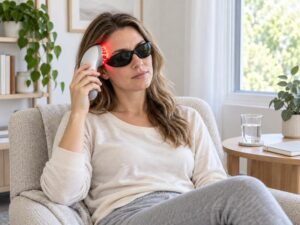
Handheld & Portable Devices
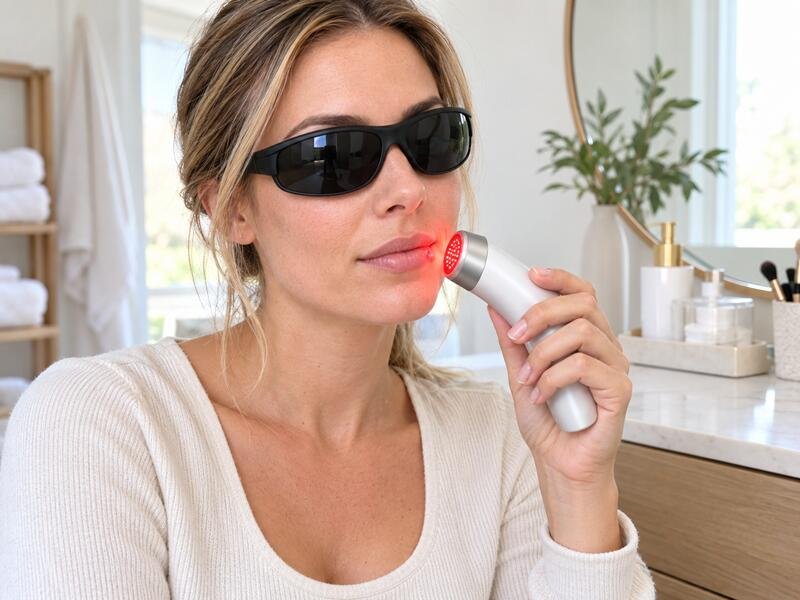
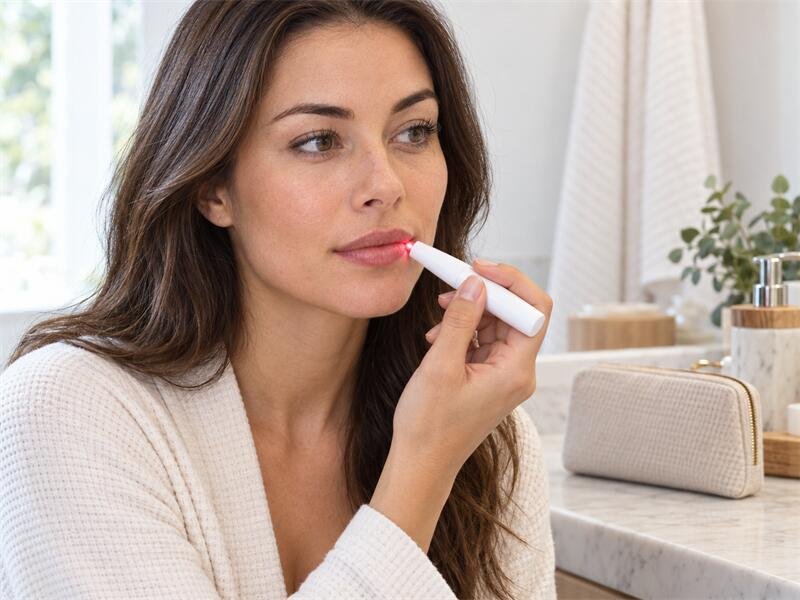
Compact pen-style or wand-style devices are the natural fit for cold sore treatment. They’re small enough to carry in a bag, precise enough to target the lip area directly, and typically the most affordable option. This is the category most consumer-facing cold sore products fall into.
- ✦Portable and travel-friendly
- ✦Precise, targeted application
- ✦Accessible price point
LED Face Masks
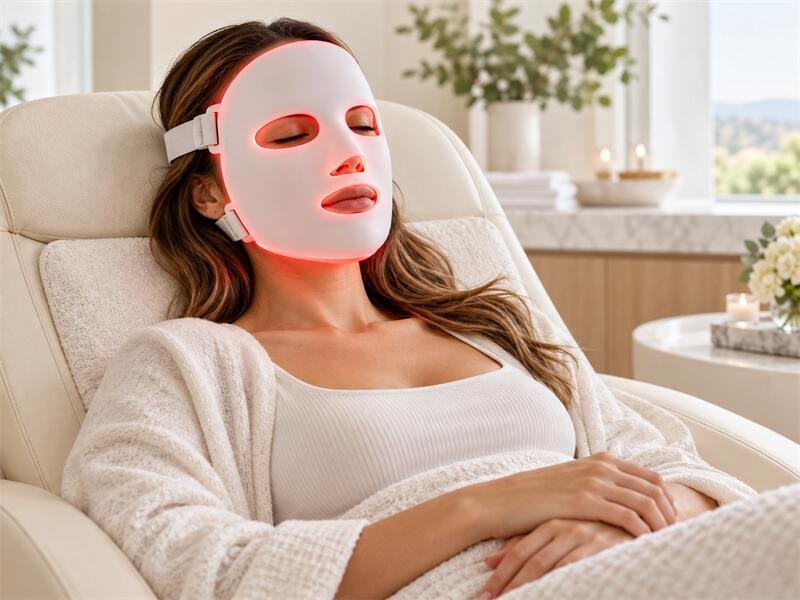
Full-face or lower-face LED masks cover the lip and perioral area hands-free. They’re primarily bought for skincare and anti-aging, but cold sore treatment is a strong secondary selling point that adds real value to the product story.
- ✦Hands-free operation
- ✦Multi-purpose (skincare + cold sore)
- ✦Premium positioning
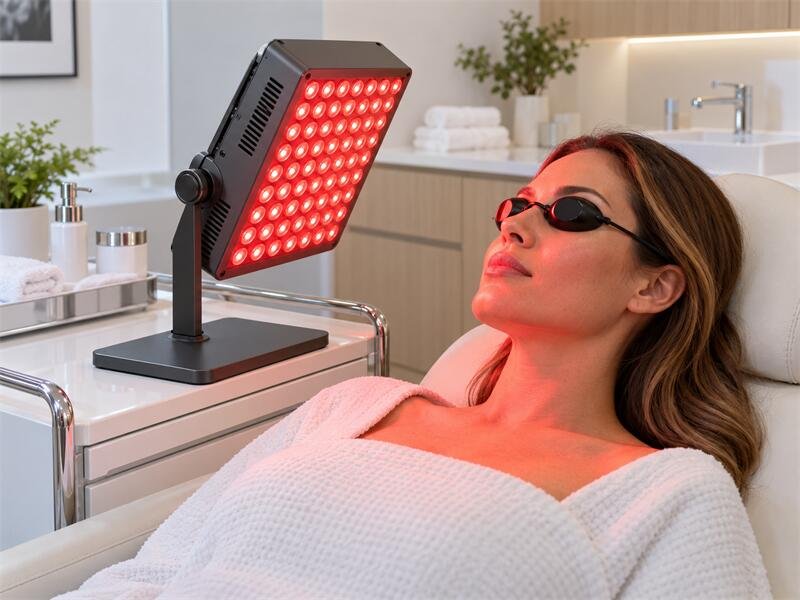
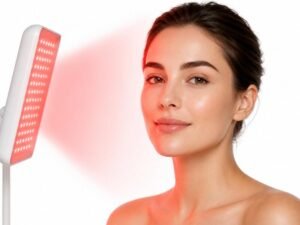
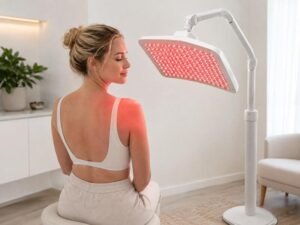
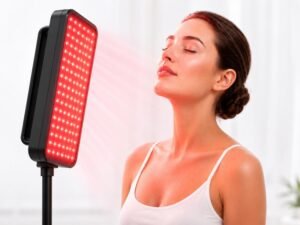
Tabletop Panels (Clinical)
Small tabletop panels suit dermatology clinics and MedSpas that want to add cold sore treatment to their service menu. Higher power output means faster treatment sessions, which matters when you’re running a clinic schedule.
- ✦Professional-grade output
- ✦Clinic & spa applications
- ✦Higher treatment throughput
Custom Development with MedLight
If you’re looking to build a branded device specifically for cold sore treatment–or a multi-purpose skincare device with cold sore capability built in–MedLight can handle the engineering. We work with you on wavelength selection (660 nm is the starting point), power density, form factor, and packaging. From concept through prototyping to production, we’ve done this before and can help you get to market without the guesswork.
Regulatory Compliance and Safety
Regulatory compliance isn’t optional–it’s one of the first things any serious buyer looks at. How a device is classified depends on the claims you make and the markets you’re selling into. Here’s what you need to know:
Regulatory Framework
-
FDA (United States): LED-based RLT devices are generally Class II if you make therapeutic claims. Positioning as a general wellness device with softer claims can simplify the pathway.
-
CE Marking (EU): Devices need to comply with the Medical Device Regulation (MDR) or Low Voltage Directive, depending on classification and intended use.
-
FCC Compliance: Required for all electronic devices sold in the US–covers electromagnetic compatibility.
-
IEC 62471: The photobiological safety standard for lamps and lamp systems. Confirms the device doesn’t pose optical radiation hazards.
Safety Profile
-
Non-thermal: Red and NIR LEDs produce negligible heat at therapeutic power levels. No burn risk.
-
Non-UV: No ultraviolet radiation exposure–unlike some other light-based treatments.
-
Non-invasive: No needles, no chemicals, no tissue damage. Works across all skin types.
-
Eye safety: Devices used near the face should include eye protection or be designed to avoid direct eye exposure.
-
No drug interactions: Can be used safely alongside antiviral medications.
A Note on Marketing Claims
What you can say about your device on packaging and marketing materials depends on your regulatory pathway and target market. General wellness claims (e.g., “supports skin health” or “promotes cellular recovery”) typically face fewer regulatory hurdles than specific medical claims (e.g., “treats herpes simplex”). It’s worth working with a regulatory advisor early to nail down the right claims strategy. MedLight provides compliance documentation support including CE and FCC certification to help keep your go-to-market timeline on track.
Treatment Protocol and Usage Guidelines
Knowing the recommended protocol matters for two reasons: it shapes how you design the product (timer settings, power output, user instructions), and it sets realistic expectations for end users. Here’s the step-by-step:
Start as Soon as You Feel the Tingle
The best results come from starting treatment during the prodromal stage–that first tingling, itching, or burning sensation before any blister appears. Some studies found that early treatment can actually prevent the blister from forming at all. The sooner, the better.
Clean the Area First
Gently wash the lip area with mild soap and water, then pat dry. Don’t apply creams, ointments, or lip balm before the session–they can block light from reaching the skin.
Position the Device
Hold the device directly over the cold sore or affected area, 0-2 cm from the skin. For handheld devices, direct contact (with a clean tip) delivers the most energy. Make sure the entire lesion area is within the light beam.
Treat for 1-3 Minutes
Each session takes 1-3 minutes depending on the device’s power output. Higher-powered devices need shorter sessions. Most consumer devices include built-in timers or auto-shutoff, which keeps things simple for the user.
Repeat 2-3 Times a Day
During an active outbreak, treat the area 2-3 times daily–morning, midday, evening. As the lesion starts crusting and healing, drop down to once daily until it’s fully resolved. Some people continue with weekly maintenance sessions to help push back the next outbreak.
Keep the Device Clean
Wipe the device tip with an alcohol pad after each use, especially when treating active cold sores. This prevents cross-contamination and keeps the light output consistent. In clinical settings where devices are shared, disposable protective covers are a good idea.
Quick Protocol Summary
Per session
Daily during outbreak
Expected healing time
Frequently Asked Questions
Does red light therapy actually work for cold sores?
Yes. Multiple clinical studies show that red light therapy at wavelengths around 660 nm can reduce cold sore healing time by 50-70%, provide meaningful pain relief within 24-48 hours, and extend the time between outbreaks. It’s not a cure for HSV-1–nothing is–but the data consistently shows it speeds up recovery and reduces outbreak frequency. Individual results will vary, but the evidence is solid and growing.
Can red light therapy prevent cold sore outbreaks?
It can’t eliminate the virus, but research suggests regular sessions can push back the next outbreak significantly. One study found the average gap between outbreaks went from about 30 days to over 120 days with consistent treatment. The thinking is that RLT modulates the local immune environment in a way that makes viral reactivation less likely.
Is red light therapy safe to use on the lips and face?
Yes. LED-based red light therapy devices produce no UV radiation, generate minimal heat, and have no reported side effects when used as directed. The main thing to watch for is eye safety–don’t stare directly into the LEDs. Well-designed devices for facial use include eye shields or angle the light to avoid direct eye exposure.
Can I use red light therapy alongside antiviral medication?
Yes. There are no known interactions between photobiomodulation and antiviral drugs like acyclovir (Zovirax) or valacyclovir (Valtrex). Using both together may actually give faster results than either one alone. Just apply any topical creams after the light therapy session, not before–otherwise the cream can block the light from reaching the skin.
What wavelength is best for treating cold sores?
660 nm (visible red) is the most studied and effective wavelength for cold sore treatment. It penetrates to the right depth for the superficial tissues of the lips and surrounding skin. Near-infrared wavelengths (830-850 nm) can add deeper tissue benefits. Dual-wavelength devices offering both 660 nm and 850 nm give you the most flexibility.
How quickly will I see results?
Most people notice pain relief within the first 24 hours. Visible reduction in swelling and redness usually shows up within 1-2 days. Full healing typically takes 3-5 days, compared to 8-14 days without treatment. Starting at the first sign of an outbreak–the tingling stage–makes the biggest difference.
What type of device works best for cold sores?
Handheld or pen-style devices are the most practical choice. They let you target the lip area precisely, they’re portable enough to carry anywhere, and they’re the most affordable form factor. Look for 660 nm wavelength, at least 50 mW/cm² power density, and a built-in timer. LED face masks work too, but they’re better positioned as multi-purpose skincare devices with cold sore treatment as a bonus feature.
Can red light therapy make cold sores worse?
No. There’s no evidence that red light therapy worsens cold sores when used at appropriate settings. The one thing to be aware of is the biphasic dose response–too much energy can inhibit healing rather than promote it. That’s why following the manufacturer’s recommended treatment time and distance matters. More is not always better with light therapy.
What is red light therapy and how does it work?
Red light therapy (also called photobiomodulation or low-level light therapy) uses specific wavelengths of red (620-700 nm) and near-infrared (700-1100 nm) light to stimulate cellular function. The light is absorbed by chromophores in the mitochondria–mainly cytochrome c oxidase–which boosts ATP production. That extra cellular energy supports tissue repair, reduces inflammation, improves blood flow, and promotes collagen synthesis. It’s non-invasive and painless. Beyond cold sores, it’s been studied for wound healing, pain management, skin rejuvenation, muscle recovery, and hair growth.
What else can red light therapy be used for?
The list is longer than most people expect. Skin rejuvenation–reducing fine lines, wrinkles, and improving skin tone through collagen and elastin production. Pain relief for joint pain, arthritis, and musculoskeletal conditions. Muscle recovery for athletes–reducing delayed-onset muscle soreness and speeding up post-workout recovery. Hair regrowth for androgenetic alopecia. Wound healing by boosting cellular regeneration. Fat reduction through stimulating adipocyte metabolism. There’s also growing research around neurological health, mood, and even pet therapy applications.
Summary
The data tells a clear story: red light therapy is a legitimate, research-backed approach to managing cold sores. Faster healing, significant pain relief, longer remission periods, and no side effects–those are the outcomes that matter to end users, and they’re well-supported by published clinical studies.
From a business perspective, this is a real opportunity that’s still early enough to build a position in. You’ve got 3.7 billion HSV-1 carriers worldwide, a growing consumer preference for drug-free solutions, and the fact that a single red light device can serve multiple purposes–cold sores, skincare, pain relief. That combination makes for a strong product story and a defensible market position.
The key is getting the specs right. A device needs the correct wavelength (660 nm), appropriate power density, and a form factor that makes sense for lip-area treatment. And it needs to come from a manufacturer that delivers consistent quality–because in this category, product performance is everything. If the device works, people tell others. If it doesn’t, your brand takes the hit.
Whether you’re building a dedicated cold sore treatment device, adding cold sore capability to an existing skincare line, or outfitting clinics with professional equipment–the demand is there, the science backs it up, and the category has room to grow.