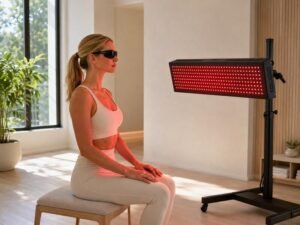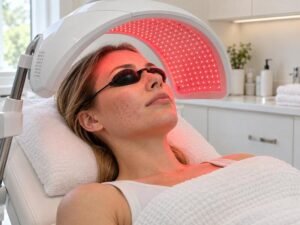
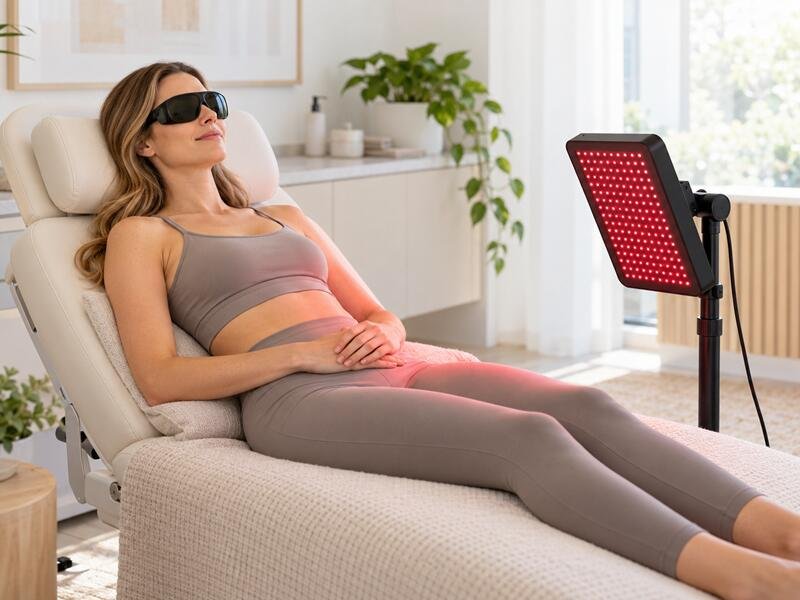
“Does red light therapy increase estrogen?” — it’s one of the top search queries in the light therapy space right now. Your customers are already typing it into Google. If your product line doesn’t have a clear, credible answer, someone else’s will.
For those of us making sourcing and product decisions, this goes beyond curiosity. The hormonal wellness segment is growing fast, consumers want non-invasive options, and the brands that get the science right — without overpromising — will earn long-term trust. The brands that get it wrong will spend their time fielding regulatory complaints and refund requests.
This article walks through what the research actually says, where the real market opportunity is, and how to build a product line around hormonal wellness without making claims you can’t back up.
Why This Topic Matters for Your Business
Red light therapy and hormonal health — it’s a topic that keeps coming up in buyer conversations, trade shows, and RFQ discussions. Whether red light therapy actually increases estrogen isn’t just a scientific question. It affects how you position products, what you can print on packaging, and whether your marketing holds up under regulatory scrutiny.
The demand is real. The global red light therapy market is projected to pass $1.5 billion by 2028, and hormonal wellness is one of the fastest-growing verticals within it. End users range from women dealing with menopausal symptoms to athletes fine-tuning their recovery protocols — and they’re all looking for products backed by solid evidence.
The challenge comes down to three things: knowing the science well enough to make good sourcing calls, being able to evaluate what manufacturers tell you, and making sure your product line meets both customer expectations and regulatory requirements.
Key Takeaway
The connection between red light therapy and estrogen is more nuanced than most marketing materials suggest. Current evidence points to indirect hormonal benefits — not a direct estrogen boost. Getting this distinction right is what separates credible brands from ones that end up in trouble.
Estrogen: What It Does and Why Your Customers Care
Before we get into the red light therapy connection, it helps to know what estrogen actually does — and why there’s so much consumer interest around it.
What Is Estrogen?
Estrogen is a group of steroid hormones — mainly estradiol (E2), estrone (E1), and estriol (E3) — that affect far more than just reproductive health. Both men and women produce it, and it plays a role in:
- Skin health: Estrogen drives collagen production, skin hydration, and wound healing — which is why the medical aesthetics market pays close attention to it
- Bone density: Estrogen loss is the primary reason postmenopausal women develop osteoporosis
- Cardiovascular health: It helps protect blood vessels and supports healthy cholesterol levels
- Brain function: Estrogen receptors in the brain affect memory, mood, and neuroprotection
- Metabolism: It influences where the body stores fat, how it handles insulin, and overall energy balance
- Inflammation: Estrogen helps regulate immune responses and inflammatory pathways
Why the Market Is Paying Attention
Several trends are converging to make estrogen a hot topic in wellness:
Aging Demographics
Over 1 billion women worldwide will be postmenopausal by 2025. That’s a massive customer base looking for solutions beyond traditional HRT.
HRT Hesitancy
Many women are cautious about hormone replacement therapy due to side effect concerns. They’re actively looking for non-pharmaceutical alternatives.
Holistic Health Movement
Biohacking communities and integrative health practitioners are pushing demand for natural, device-based approaches to hormonal balance.
Growing Research
New studies on photobiomodulation and endocrine function are getting picked up by health media, driving consumer awareness and search volume.
How Red Light Therapy Actually Works
If you’re going to evaluate hormonal claims — or make sourcing decisions based on them — you need a solid grasp of the basic mechanism. Here’s the short version.
The Core Mechanism: Boosting Cellular Energy
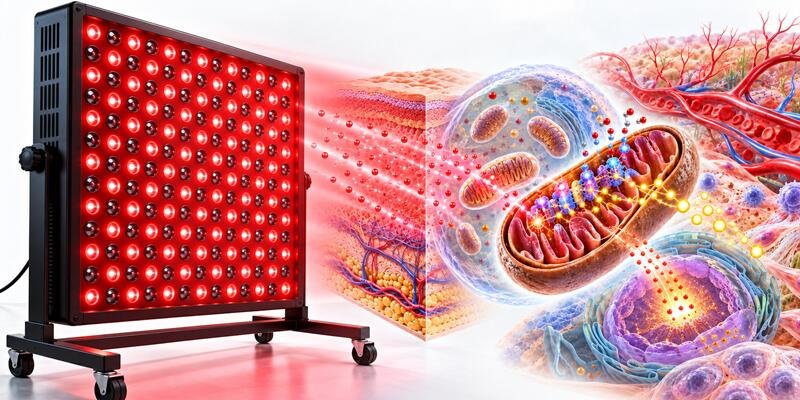
Red light therapy (also called photobiomodulation or PBM) uses specific wavelengths — red (620-700 nm) and near-infrared (700-1100 nm) — to trigger biological changes at the cellular level. Here’s what happens step by step:
- Photon absorption: Light-sensitive molecules in the mitochondria — especially cytochrome c oxidase (CCO) — absorb photons at key wavelengths (660 nm and 850 nm are the most studied).
- Electron transport chain activation: This knocks nitric oxide (NO) loose from CCO, which restores normal electron flow and oxygen use in the cell.
- More ATP production: With the mitochondria running more efficiently, cells produce more adenosine triphosphate (ATP) — basically, more fuel for everything the cell needs to do.
- Signaling cascade: A brief, controlled bump in reactive oxygen species (ROS) activates transcription factors like NF-κB and AP-1, which turn on genes involved in repair and protection.
- Downstream benefits: These cellular changes add up to tissue-level results: less inflammation, better blood flow, faster healing, and improved cell function across the board.
Which Wavelengths Actually Matter
Not all wavelengths do the same thing. Here’s a quick reference for evaluating devices:
| Wavelength | Type | Penetration Depth | Primary Applications |
|---|---|---|---|
| 630-660 nm | Red | 1-4 mm (skin, superficial tissue) | Skin rejuvenation, collagen synthesis, wound healing |
| 810-850 nm | Near-Infrared | 5-50 mm (deep tissue, organs) | Pain relief, inflammation, muscle recovery, organ function |
| 940 nm | Near-Infrared | Deep tissue penetration | Deep tissue healing, blood oxygenation |
Sourcing Note
If you’re targeting hormonal or endocrine-related applications, near-infrared (810-850 nm) is the wavelength range that matters most — it penetrates deep enough to reach internal organs. For maximum product versatility, look for manufacturers offering dual-wavelength setups (660 nm + 850 nm). That way one device can serve skin care, pain management, and wellness applications.
What the Research Actually Shows
This is the part that matters most for sourcing and product decisions. Here’s a clear-eyed look at the evidence — what’s solid, what’s promising, and what’s still too early to bet on.
4.1 Animal Studies: Promising but Limited
Most of the research linking red light therapy to estrogen comes from animal models — mainly studies on ovarian function in rats:
Ovarian Photobiomodulation Studies
A 2012 study in Laser Therapy found that applying near-infrared light (830 nm) to rat ovaries increased serum estradiol levels and improved follicular development. Other animal studies have shown similar patterns.
The catch: Rat ovaries are much closer to the skin surface than human ovaries. Dosing, tissue depth, and hormonal regulation are different enough that you can’t assume the same results will translate to people.
Thyroid Function Studies
There’s actually stronger evidence for red light therapy and thyroid function. A randomized clinical trial in Lasers in Medical Science (2013) showed that LLLT improved thyroid function in patients with hypothyroidism. This matters because it confirms that photobiomodulation can influence endocrine glands.
Why it’s relevant: Thyroid and estrogen are linked — thyroid dysfunction can throw off estrogen metabolism. So improving thyroid function may indirectly help with estrogen balance.
Testosterone Studies (For Comparison)
There’s more published research on red light therapy and testosterone. A pilot study found that bright light exposure (including red wavelengths) increased testosterone levels in men. This is worth noting because testosterone and estrogen share the same biosynthetic pathway — testosterone is actually converted into estrogen by the aromatase enzyme.
What this means: If RLT can influence steroid hormone production at any step in the chain, it could theoretically affect estrogen too. But “could theoretically” isn’t the same as “does.”
4.2 Human Clinical Evidence
Here’s where we need to be straightforward: there aren’t many human clinical trials that directly measure estrogen levels after red light therapy. But there are related findings worth knowing about:
Fertility and IVF Research
Japanese researchers have run several studies using LLLT on women going through IVF. Results published in Reproductive Medicine and Biology showed that near-infrared therapy applied to the pelvic area improved blood flow to the ovaries and uterus, and in some cases improved pregnancy rates. Estrogen wasn’t always the main thing being measured, but better ovarian function naturally involves estrogen production.
Menopause Symptom Studies
Some early-stage research has looked at RLT for menopausal symptoms like hot flashes, sleep problems, and vaginal dryness. Participants often report feeling better, but the improvements may come from local tissue effects — better blood flow, more collagen — rather than a bump in systemic estrogen levels. That distinction matters for how you position products.
4.3 Evidence Summary
| Claim | Evidence Level | Study Type | Confidence |
|---|---|---|---|
| RLT directly raises serum estrogen | Limited | Animal studies, pilot human studies | Use Caution |
| RLT improves ovarian blood flow | Moderate | Human clinical studies | Reasonable |
| RLT supports mitochondrial function in hormone-producing cells | Strong | In vitro, animal, and human studies | High |
| RLT reduces inflammation that disrupts hormone production | Strong | Multiple RCTs | High |
| RLT eases menopausal symptoms | Emerging | Pilot studies, case reports | Moderate |
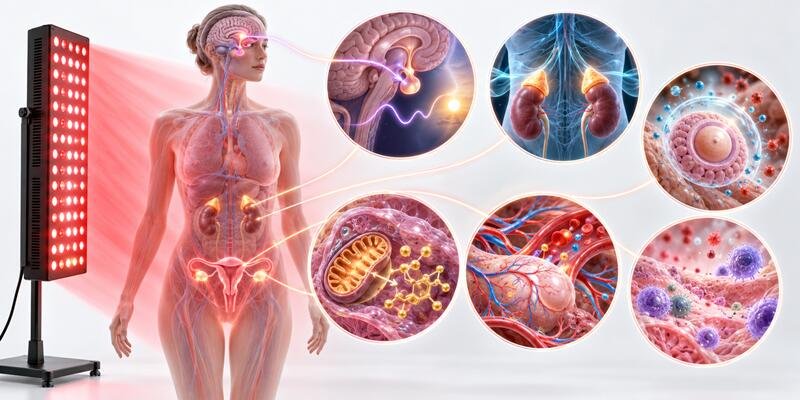
How RLT May Support Hormonal Balance — the Indirect Routes
The direct evidence for RLT boosting estrogen is still thin. But there are several well-documented ways that photobiomodulation can create conditions that support healthy hormone levels. These indirect pathways are where the strongest scientific case lives — and where smart product positioning should focus.
Better Mitochondrial Function in Hormone-Producing Cells
Estrogen production starts in the mitochondria of ovarian granulosa cells. The enzyme that kicks off the whole process (P450scc) lives in the mitochondria and needs energy to work. RLT boosts ATP production — which means hormone-producing cells have more fuel to do their job. This is probably the most scientifically solid link between RLT and hormonal health.
Improved Blood Flow to Reproductive Organs
Near-infrared light triggers nitric oxide release, which opens up blood vessels and improves microcirculation. Better blood flow to the ovaries means more oxygen, more nutrients, and better delivery of the signaling hormones (FSH, LH) that tell the ovaries to produce estrogen. Japanese fertility clinics have measured this improvement with Doppler ultrasound after LLLT sessions.
Less Chronic Inflammation
Low-grade, ongoing inflammation — sometimes called “inflammaging” — disrupts the signaling chain between the brain and the ovaries (the HPO axis) and interferes with estrogen production. RLT’s anti-inflammatory effects are well-documented: it reduces TNF-α, IL-6, and other inflammatory markers. Calming that inflammation may help restore normal hormonal signaling.
Protection Against Oxidative Damage
Oxidative stress damages ovarian tissue and speeds up the natural death of egg-containing follicles. RLT boosts the body’s own antioxidant defenses — including superoxide dismutase (SOD) and glutathione. By protecting ovarian cells from this kind of damage, RLT may help preserve the ovaries’ ability to produce estrogen over time.
Circadian Rhythm Support
Red light exposure affects the body’s internal clock, which controls the pulsed release of GnRH — the hormone that starts the whole cascade leading to estrogen production. Disrupted sleep-wake cycles (pretty common in modern life) can throw this system off. RLT may help get it back on track.
Stress and Cortisol Management
When you’re chronically stressed, your body pumps out cortisol — and cortisol competes with estrogen for the same raw material (pregnenolone). This is sometimes called the “pregnenolone steal.” By helping with relaxation, better sleep, and potentially calming the stress response, RLT may free up more of that raw material for estrogen production instead of cortisol.
Where the Market Opportunity Is
The science is useful, but only if it translates into products people actually buy. Here are the segments where estrogen-related benefits overlap with real demand for red light therapy devices:
Women’s Wellness & Fertility
- ✦Fertility clinics and IVF centers are already adding PBM as a supplementary treatment
- ✦Menopause management clinics looking for options beyond HRT
- ✦PCOS and hormonal imbalance support — a large and underserved market
- ✦At-home devices for women managing their cycles and overall hormonal health
Best device types: Wearable belts, panels, handheld devices targeting the pelvic/abdominal area
Medical Aesthetics & Anti-Aging
- ✦Estrogen decline is a major driver of skin aging — RLT addresses this from multiple angles
- ✦MedSpas are building RLT into their anti-aging treatment menus
- ✦Collagen restoration ties directly to improved estrogen status
- ✦Hair growth treatments often connect back to hormonal balance
Best device types: Full-body panels, face masks, targeted treatment devices
Integrative & Functional Medicine
- ✦Functional medicine practitioners are adding PBM to hormone optimization protocols
- ✦Naturopathic clinics want device-based therapies they can back with research
- ✦Biohacking and longevity centers offering hormonal wellness packages
Best device types: Professional-grade panels, full-body systems, targeted wearables
Men’s Health
- ✦Men produce estrogen too — and keeping it balanced matters for their health
- ✦Testosterone optimization often involves managing how much gets converted to estrogen
- ✦Intimate wellness devices for men are gaining traction as a product category
Best device types: Intimate care devices, wearable therapy wraps, handheld devices
Safety and Regulatory Considerations
No matter how promising the science looks, safety and compliance aren’t optional. Here’s what you need to think through when sourcing devices for the hormonal wellness market.
7.1 Safety Profile
The good news: red light therapy has a strong safety record when devices are designed and used properly:
- Non-ionizing: Unlike UV or X-rays, red and NIR light doesn’t damage DNA or cause mutations
- No burns at therapeutic doses: Well-designed devices deliver energy densities (typically 3-50 J/cm²) that stay well below the threshold for thermal injury
- No known drug interactions: RLT can be used alongside other treatments, though caution is warranted with photosensitizing medications
- Minimal side effects: Some users report mild, temporary redness or warmth at the treatment site — that’s about it
7.2 Estrogen-Specific Safety Issues
Important Safety Consideration
If RLT does have any effect on estrogen levels, that creates safety considerations your product documentation needs to address:
- Estrogen-sensitive conditions: Women with a history of ER-positive breast cancer, endometriosis, or uterine fibroids should talk to their doctor before using RLT for hormonal purposes
- Pregnancy: Any kind of hormonal modulation during pregnancy needs medical oversight
- Hormone medications: Users on HRT, birth control, or anti-estrogen drugs should check with their healthcare provider
- Men: Unintended estrogen elevation in men could work against certain health goals
7.3 Regulatory Landscape
| Market | Regulatory Body | Key Requirements | Hormonal Claims |
|---|---|---|---|
| United States | FDA | 510(k) clearance for medical devices; general wellness classification possible | Specific hormonal claims require medical device classification and clinical data |
| European Union | CE / MDR | CE marking under Medical Device Regulation | Health claims must be substantiated; hormonal claims face strict scrutiny |
| Global | ISO | ISO 13485 (QMS), IEC 60601 (electrical safety) | Quality systems provide the foundation for any health-related claims |
Practical Marketing Advice
Don’t claim “red light therapy increases estrogen” on your packaging or website. Instead, stick with claims you can defend: “supports cellular energy production,” “promotes healthy circulation,” “supports overall wellness,” or “may help maintain hormonal balance as part of a healthy lifestyle.” Run everything past regulatory counsel in your target market before going to print.
What to Look for When Sourcing Devices
If you’re evaluating OEM/ODM partners for the hormonal wellness segment, here’s a practical checklist. Print it out, bring it to your next supplier meeting, or use it to compare quotes.
ATechnical Specifications
- Wavelength accuracy: Verified 660 nm and 850 nm output (±5 nm tolerance) — this is non-negotiable for biological efficacy
- Irradiance: At least 50 mW/cm² at treatment distance for therapeutic dosing; ask for third-party test reports
- Treatment area: Large enough for abdominal/pelvic coverage (if targeting hormone-focused applications)
- EMF levels: Low EMF at treatment distance (<1 mG recommended) — your customers will ask about this
- Timer and dosing controls: Built-in timers with adjustable protocols make the product easier for end users
BManufacturing & Quality
- Certifications: CE and FCC at minimum; FDA registration or 510(k) experience is a plus
- Quality management: ISO 13485 certification — don’t skip this one
- LED quality: Medical-grade LEDs with verified spectral output and lifespan (>50,000 hours)
- OEM/ODM flexibility: Can they do custom wavelength configurations, your branding, and your packaging?
- Testing documentation: Third-party irradiance and spectral analysis reports — if they can’t provide these, walk away
CGo-to-Market Support
- Scientific documentation: Does the manufacturer provide research summaries and clinical references you can use?
- Regulatory guidance: Can they help with claims substantiation for your target markets?
- Product development: Can they design devices specifically for the hormonal wellness use case?
- Scalability: Can they keep up if your first order does well and you need to scale quickly?
Common Questions
Does red light therapy directly increase estrogen levels?
There’s no conclusive proof of that in humans yet. Animal studies look promising, and the mechanisms make biological sense — better mitochondrial function, improved blood flow, and less inflammation all support hormone production. But we’re still waiting on large-scale human trials that measure estrogen as a primary outcome. For now, the smart move is to position products around “hormonal wellness support” rather than “estrogen boosting.”
What wavelengths are best for hormonal health applications?
Near-infrared (810-850 nm) is the most relevant range because it penetrates deep enough to reach internal organs. But a dual-wavelength setup — 660 nm (red) plus 850 nm (NIR) — gives you the most versatility. You can market the same device for skin care, pain relief, and hormonal wellness, which makes the product line economics much better.
Can red light therapy help with menopausal symptoms?
Early research is encouraging. Women in studies have reported improvements in skin quality, sleep, joint pain, and mood — all common menopause complaints. Whether that’s because of direct estrogen effects or because RLT independently helps with collagen, inflammation, and circadian rhythm isn’t fully clear yet. Either way, the symptom relief is real, and that’s what end users care about.
Is it safe to market RLT devices for hormonal wellness?
Yes, but you have to be careful with your wording. In most markets, you can position devices around “overall wellness,” “cellular energy,” and “healthy circulation” without triggering medical device classification. The moment you claim your device “increases estrogen” or “treats hormonal conditions,” you’re likely in medical device territory — which means registration, clinical evidence, and significantly higher compliance costs. Get regulatory advice specific to your target market before finalizing any marketing materials.
How should RLT products be positioned in the hormonal wellness market?
Lead with what the science solidly supports: (1) cellular energy and mitochondrial function, (2) improved circulation and blood flow, (3) inflammation reduction, (4) stress and sleep support, and (5) skin and beauty benefits that are downstream of hormonal health. This keeps you on solid ground with regulators while still telling a compelling story. The brands that educate rather than overpromise tend to build stronger customer loyalty and command better pricing.
What device types work best for the hormonal wellness segment?
Think about it in terms of use cases: (1) Light therapy belts — wearable, targets the abdominal/pelvic area, great for women’s wellness branding; (2) Full-body panels — professional-grade, ideal for clinics; (3) Handheld devices — portable, affordable, good for at-home use; (4) Intimate care devices — specialized for reproductive wellness in both men and women. Having a mix lets you cover multiple customer segments without starting from scratch each time.
Does red light therapy affect estrogen in men?
Men make estrogen too — their bodies convert testosterone into it via the aromatase enzyme — and they need the right balance for bone health, brain function, and cardiovascular health. There’s no evidence that RLT causes problematic estrogen spikes in men. If anything, by supporting overall hormonal balance and testicular function, RLT may help maintain a healthy testosterone-to-estrogen ratio. The men’s intimate wellness device category is growing, and this is a relevant talking point for that market.
What is red light therapy and how does it work?
Red light therapy (also called photobiomodulation) uses specific wavelengths of red (620-700 nm) and near-infrared (700-1100 nm) light to boost cellular function. The light gets absorbed by an enzyme in the mitochondria called cytochrome c oxidase, which ramps up ATP production — essentially giving cells more energy to repair tissue, fight inflammation, improve blood flow, and reduce oxidative stress. It’s non-invasive, has very few side effects, and the mechanism is well-documented in peer-reviewed research. Knowing how to explain this clearly is important for building credibility with clinics and end users.
What are the most common uses for red light therapy?
The applications with the strongest research backing include: (1) Skin rejuvenation — boosting collagen and elastin for wrinkle reduction and better skin tone; (2) Pain and inflammation — helping with arthritis, joint stiffness, and chronic pain; (3) Muscle recovery — reducing soreness and speeding up recovery after exercise; (4) Wound healing — accelerating repair of cuts, burns, and surgical sites; (5) Hair growth — stimulating follicles to address thinning hair. This range of applications is a major advantage from a product strategy perspective — one device line can serve medical aesthetics, sports recovery, pain management, and general wellness.
Is red light therapy safe? Are there side effects?
Red light therapy is considered very safe when used as directed. Red and near-infrared wavelengths don’t carry the DNA-damage risks that UV light does. Clinical studies consistently report minimal to no adverse effects — the most common complaint is temporary redness or warmth at the treatment site, which goes away on its own. People taking photosensitizing medications or those with active cancerous lesions should check with a doctor first. From a business perspective, this strong safety profile is a real selling point — it keeps liability concerns low and makes the technology accessible to a wide range of customers, from consumers to professional clinics.
The Bottom Line
“Does red light therapy increase estrogen?” — there’s no clean yes-or-no answer. But for anyone making product and sourcing decisions, that ambiguity is actually workable if you know how to navigate it.
Here’s what the evidence supports:
- RLT boosts mitochondrial function across all cell types — including the cells that produce estrogen
- NIR wavelengths improve blood flow to deep tissues, including reproductive organs, which supports their normal function
- RLT reduces chronic inflammation that can disrupt hormonal signaling
- Animal studies show promising hormonal effects, and human fertility research shows improved reproductive outcomes
- Direct proof of estrogen elevation in humans is still building — we need more and bigger clinical trials
The market opportunity is in positioning red light therapy as a science-backed wellness technology that supports the body’s natural hormonal balance through well-documented cellular mechanisms. That’s a message you can defend to regulators, explain to customers, and build a brand around.
What We’d Recommend
- Talk about mechanisms, not miracle claims: Teach your customers how RLT supports cellular energy, circulation, and inflammation control — all of which contribute to hormonal health. This builds trust and holds up under scrutiny.
- Build a versatile product line: Panels for clinics, wearables for consumers, and targeted devices for specific wellness niches. Don’t put all your eggs in one basket.
- Invest in customer education: Brands that help their customers understand the science behind the product consistently outperform those that just push features and discounts.
- Pick the right manufacturing partner: You need an OEM/ODM partner that understands both the technology and the regulatory requirements — and can scale with you as demand grows.
- Keep an eye on the research: The evidence base for RLT and hormonal health is growing fast. Brands that establish themselves now will be in the strongest position when larger clinical trials confirm what the early data suggests.
The hormonal wellness market is a real and growing opportunity for red light therapy brands. The companies that combine scientific accuracy with responsible marketing — and back it up with quality products — are the ones that will build lasting businesses in this space.