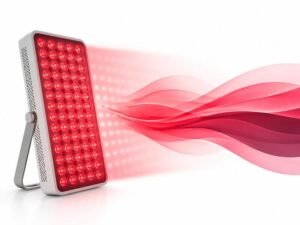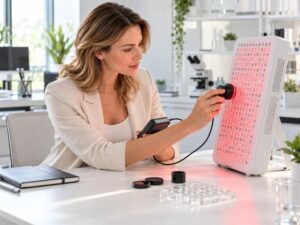
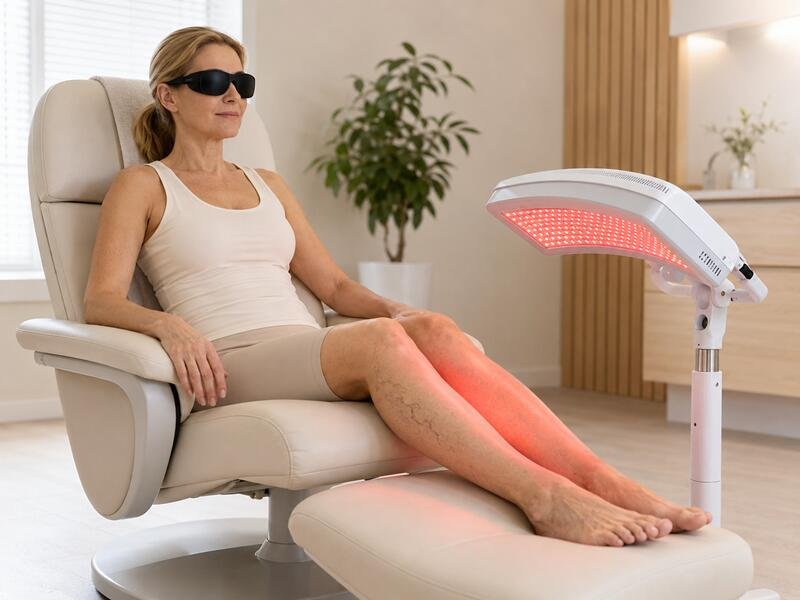
Varicose veins affect roughly 23% of adults. They cause real discomfort, they’re hard to treat affordably, and most people dealing with them aren’t looking for surgery — they want something they can use regularly that actually helps. That combination of a large, motivated sufferer base and a shortage of accessible non-invasive options is exactly what makes this a product category worth paying attention to.
Red light therapy has spent the last decade building a track record — moving from niche biohacker circles into MedSpas, rehab clinics, and sports recovery centers around the world. Now it’s being applied to vascular wellness. The market interest is real. The more important question for buyers is whether the science is solid enough to build a brand on, and whether you can do it without running into regulatory trouble.
This guide gives you a straight answer on both. No miracle cure framing, no inflated promises — just a clear look at what red light therapy can and cannot do for varicose vein sufferers, what the market opportunity actually looks like, and how to source and position devices that sell well and hold up to scrutiny.
What Are Varicose Veins?
Varicose veins are enlarged, twisted veins that most commonly appear in the legs and feet. They develop when venous valves weaken or fail, causing blood to pool and veins to bulge under the skin. Affecting an estimated 23% of adults in Western populations, varicose veins represent a significant and underserved wellness concern.
Symptoms range from cosmetic concerns — visible blue or purple veins — to functional issues including:
- Aching, heaviness, or throbbing in the legs
- Swelling around the ankles and lower legs
- Itching or burning sensations over affected veins
- Skin discoloration or ulceration in severe cases
- Restless leg symptoms, particularly at night
Conventional treatments include compression stockings, sclerotherapy, laser ablation, and surgical stripping. These options carry cost, recovery time, and access barriers — which is why there’s consistent demand for non-invasive supportive therapies that can be delivered in wellness settings.
How Red Light Therapy Works at the Cellular Level
Red Light (630-700 nm)
Penetrates superficial tissue layers (1-3 mm). Primarily targets skin, surface capillaries, and shallow connective tissue. Effective for surface-level vascular and dermal applications.
Near-Infrared Light (800-1100 nm)
Penetrates 5-10 mm into tissue, reaching deeper veins, muscles, and joints. More relevant for sub-dermal vascular structures and circulation improvement.
Red light therapy (RLT), also known as photobiomodulation (PBM), works by delivering specific wavelengths of light to biological tissue. The primary mechanism involves the absorption of photons by cytochrome c oxidase in mitochondria, triggering a cascade of cellular effects:
1
Increased ATP production — Enhanced cellular energy supports tissue repair and vascular wall integrity.
2
Nitric oxide (NO) release — Promotes vasodilation, improving local blood flow and reducing venous pressure.
3
Reduced inflammation — Modulation of pro-inflammatory cytokines may ease the chronic low-grade inflammation associated with venous insufficiency.
4
Collagen stimulation — Strengthens connective tissue around vein walls, potentially improving valve and wall function over time.
5
Lymphatic drainage support — Enhanced lymphatic activity helps reduce the edema and swelling commonly associated with varicose veins.
These mechanisms give RLT a plausible biological basis for supporting vascular health — even if it cannot reverse structural vein damage.
What the Evidence Says: RLT and Varicose Veins
The current evidence base has real strengths and real gaps. Both matter when you’re deciding how to position a product.
| Evidence Area | Strength | Key Finding |
|---|---|---|
| Circulation improvement | Moderate | Multiple studies confirm improved microcirculation and blood flow with NIR wavelengths |
| Edema and swelling reduction | Moderate | PBM shown to reduce lymphedema and post-procedural swelling in clinical settings |
| Pain and discomfort relief | Moderate-Strong | Well-documented analgesic effects; relevant to leg aching and heaviness symptoms |
| Vein wall structural repair | Limited | Collagen synthesis benefits are established; direct vein wall repair evidence is preliminary |
| Reversal of varicose veins | No Evidence | RLT cannot structurally eliminate existing varicose veins; this requires medical procedures |
| Skin appearance improvement | Moderate-Strong | Proven improvements in skin texture and tone around affected areas; cosmetic benefit |
⚠️ Reality Check for Buyers
RLT works best when positioned as a supportive, symptom-management therapy for varicose vein sufferers — not a cure or a replacement for medical treatment. That framing is both scientifically accurate and commercially sustainable. Overstating what the device does creates compliance risk and damages brand credibility over time.
Market Opportunity and Risk Assessment
$1.8B+
Global photobiomodulation therapy market projected by 2028
23%
Adults affected by varicose veins — a large addressable end-user base
↑ 18%
CAGR for wellness-focused light therapy devices in the B2B segment
Market Opportunity
Varicose vein sufferers are a large, motivated group actively looking for non-invasive relief. As medical aesthetics clinics, wellness centers, and rehabilitation facilities expand their service menus, RLT devices positioned around circulation support, leg wellness, and vascular symptom relief fill a commercially attractive gap.
The opportunity isn’t to compete with medical vein treatments. It’s to serve the much larger population seeking symptom management, preventive wellness, and cosmetic improvement without clinical intervention.
Risk Assessment
✅ Low-Risk Positioning
- Symptom relief (aching, swelling, heaviness)
- Circulation and microvascular support
- Post-procedure recovery adjunct
- Skin appearance improvement around veins
- General leg wellness and recovery
❌ High-Risk Positioning
- “Eliminates” or “cures” varicose veins
- Replacement for sclerotherapy or surgery
- Treatment claims without clinical substantiation
- Medical device claims without FDA/CE clearance
- Before/after imagery implying structural vein removal
Device Specifications That Matter for Vein-Related Applications
If you’re sourcing or developing an RLT device for vascular wellness or varicose vein symptom support, these technical parameters directly affect clinical relevance and end-user outcomes.
Wavelength Selection
For varicose vein applications, prioritize 850 nm near-infrared for deeper tissue penetration to reach sub-dermal veins, combined with 660 nm red for surface skin and capillary benefits. Dual-wavelength devices provide the broadest therapeutic coverage.
Power Density (Irradiance)
Target 50-100 mW/cm² at the treatment surface for effective photobiomodulation. Devices below 20 mW/cm² are unlikely to deliver therapeutic doses in practical session times. Verify manufacturer-stated irradiance with independent measurement data, not just spec sheets.
Dose (Energy Density)
Effective therapeutic dose for vascular and tissue applications typically falls in the 10-60 J/cm² range. Session duration should be configurable (10-20 minutes) to allow practitioners to adjust dosing per protocol.
Treatment Area Coverage
Varicose veins typically affect the full lower leg. Wearable wrap/belt formats that conform to the leg offer significant advantages over handheld devices for this application. Full-leg panel systems are well suited to clinical settings. Consider form factor relative to your target channel.
Thermal Management
Varicose vein patients often have compromised vascular sensitivity. Devices must maintain non-thermal operation (surface temperature below 40°C) with reliable thermal cutoffs. This is both a safety requirement and a regulatory consideration.
Compliance and Claims: What You Can and Cannot Say
For anyone building a brand or distribution business around RLT for vascular wellness, this is one of the most important areas to get right. Regulatory exposure from improper claims is a real business risk — not a theoretical one.
🇺🇸 FDA (United States)
RLT devices sold as wellness or cosmetic devices (Class I/II) must avoid disease treatment claims. Positioning around “circulation support,” “temporary relief of minor muscle and joint pain,” or “relaxation” is generally permissible under wellness framing. Any claim tied to treating varicose veins as a disease condition triggers Class III medical device requirements.
🇪🇺 CE (European Union)
Under MDR 2017/745, devices making therapeutic claims for vascular conditions require medical device classification. Wellness claims under general product safety regulation (GPSR) allow broader positioning. CE marking for medical devices requires a notified body review for Class IIa and above.
Compliant vs. Non-Compliant Claim Examples
✅ Compliant Language
- “Supports healthy circulation in the legs”
- “Helps relieve feelings of leg heaviness and fatigue”
- “Designed for vascular wellness and recovery”
- “Supports skin appearance and tone”
- “May help reduce temporary swelling after activity”
❌ Non-Compliant Language
- “Treats varicose veins”
- “Eliminates varicose veins without surgery”
- “Clinically proven to reverse venous insufficiency”
- “Replaces sclerotherapy”
- “Cures chronic venous disease”
Recommendation: Work with a regulatory consultant familiar with your target markets before finalizing product claims. Your OEM/ODM supplier should be able to provide CE and FCC documentation; FDA 510(k) clearance or exemption status should be confirmed for the US market.
Which Customer Segments Are Buying?
Knowing which B2B channels are actively adopting RLT for vascular wellness helps you focus your go-to-market efforts on the right buyers first.
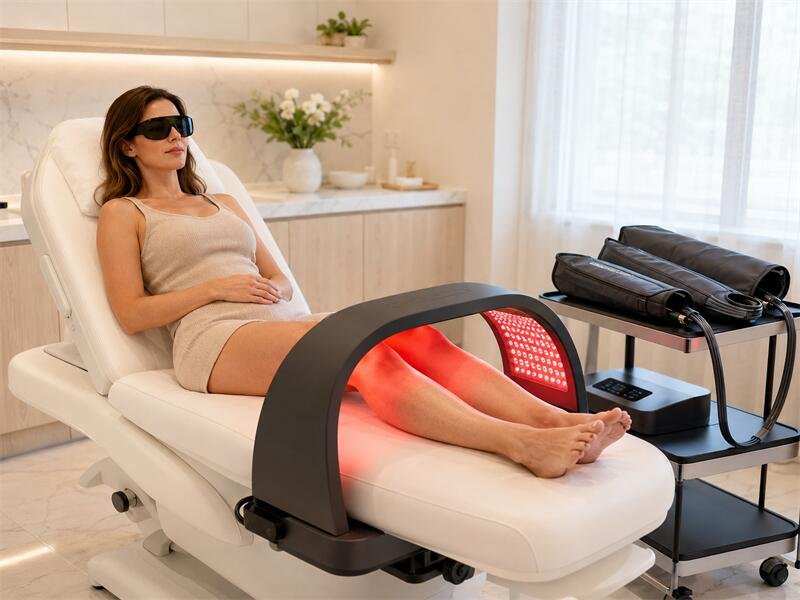
Medical Aesthetics Clinics & MedSpas
High interest in leg wellness protocols as add-on revenue. Often pair RLT with compression therapy or post-sclerotherapy recovery programs.
High Adoption
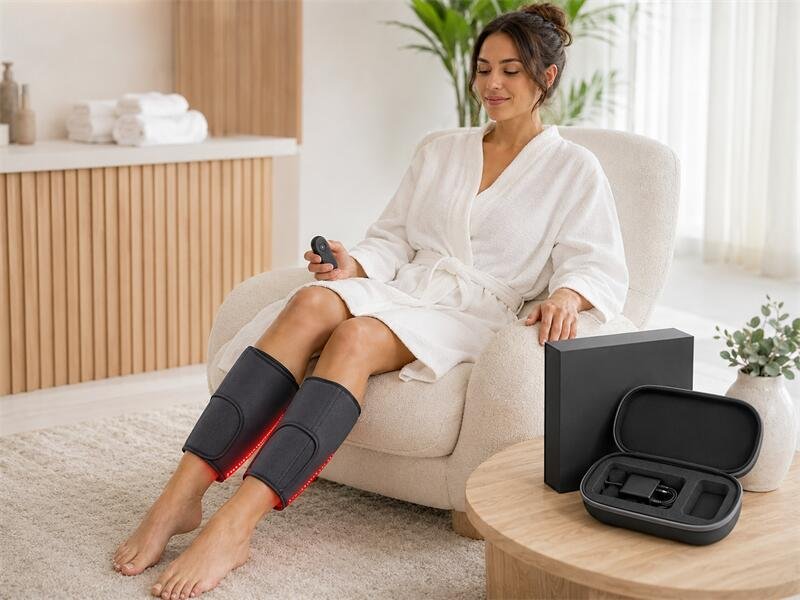
Wellness Centers & Day Spas
Growing demand for “leg recovery” and “circulation boost” treatments. Prefer turnkey, easy-to-operate devices with strong retail packaging.
High Adoption
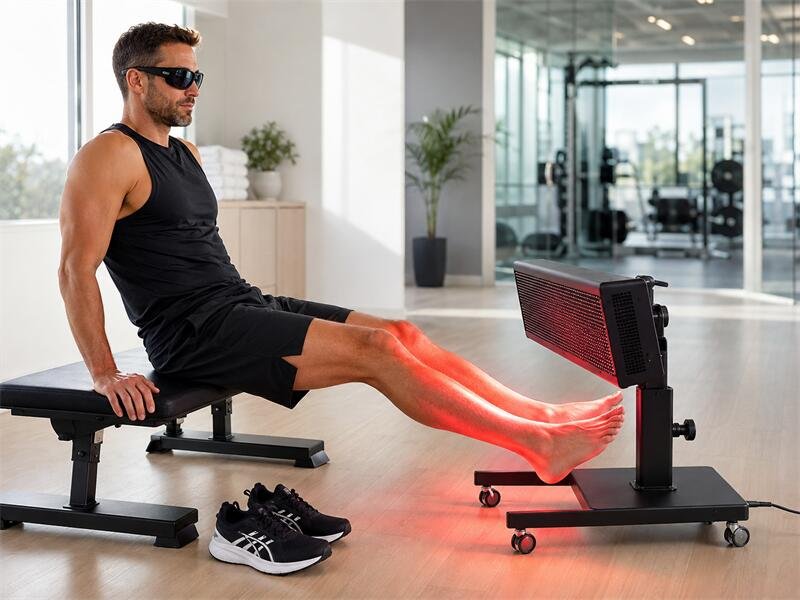
Fitness & Sports Recovery
Athletes with venous insufficiency or heavy-leg symptoms are a natural audience. Recovery-focused positioning aligns with existing RLT use cases.
Growing
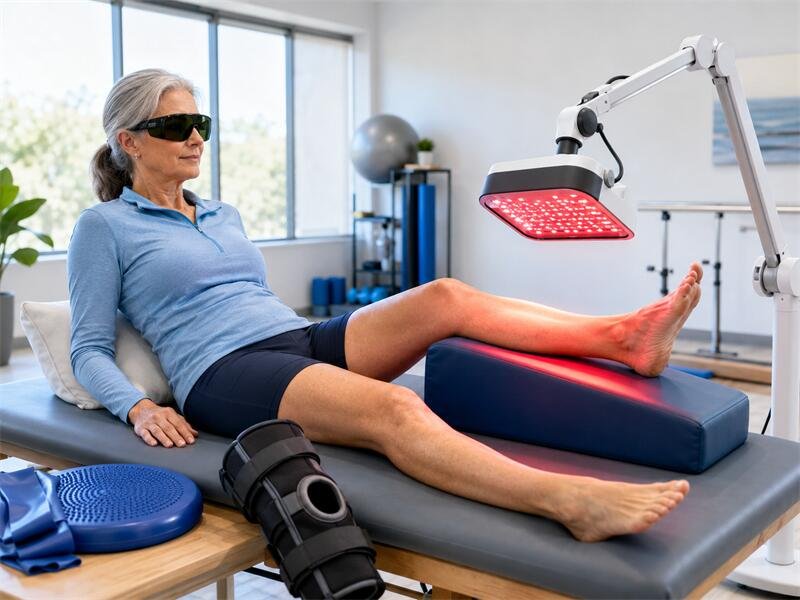
Physical Therapy & Rehabilitation
Established PBM users. Interested in vascular protocols for post-surgical recovery and chronic venous insufficiency management alongside other therapies.
High Adoption

Saunas & Pilates Studios
Emerging channel. Increasingly bundling RLT into membership-based wellness offerings. Wearable belt formats suit this environment well.
Emerging
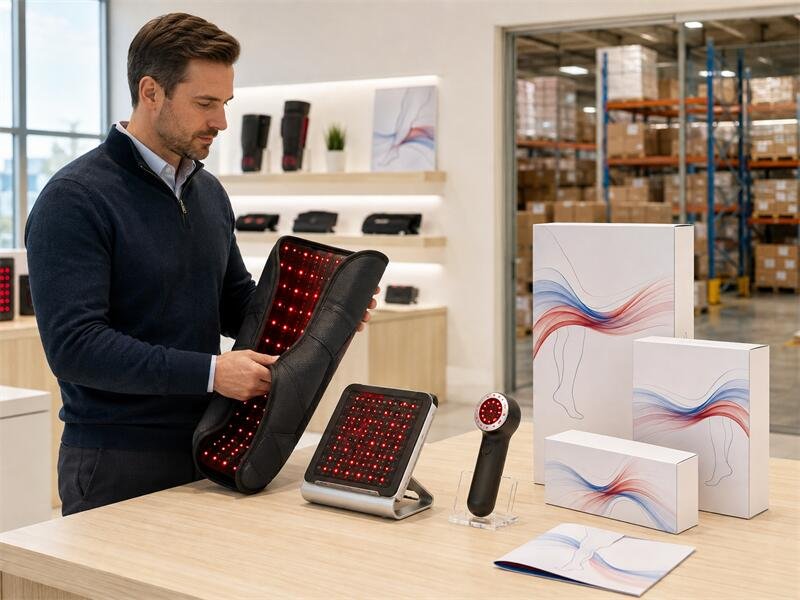
Distributors & Wholesalers
Seeking differentiated SKUs for vascular wellness. Private-label RLT devices with vein-specific marketing materials represent a strong product extension opportunity.
Strategic
Sourcing Considerations for OEM/ODM Buyers
When sourcing RLT devices for varicose vein or vascular wellness applications, procurement decisions go beyond unit cost. These factors directly affect your product’s market performance, compliance posture, and brand reputation.
Wavelength Accuracy and Verification▼
Form Factor Flexibility for Leg Applications▼
Certification Documentation▼
Minimum Order Quantities and Scalability▼
Private Label and Marketing Support▼
Frequently Asked Questions
Common questions about red light therapy and varicose veins, answered for buyers and wellness professionals.
Can red light therapy actually get rid of varicose veins?
What wavelengths are most effective for varicose vein symptom relief?
How does red light therapy help with leg swelling associated with varicose veins?
Is red light therapy safe for people with varicose veins?
How long does it take to see results from red light therapy for varicose vein symptoms?
Can red light therapy be used alongside sclerotherapy or other vein procedures?
What form factor works best for treating varicose veins with red light therapy?
Does red light therapy improve the appearance of spider veins as well as varicose veins?
What claims can we legally make when marketing an RLT device for varicose vein-related use?
How does red light therapy compare to compression therapy for varicose vein symptom management?
Final Verdict for Buyers
The Bottom Line
Red light therapy does not cure or eliminate varicose veins. But it offers credible, evidence-supported benefits for the symptoms and secondary effects that varicose vein sufferers deal with daily — including pain, swelling, skin changes, and circulation impairment. That makes it a commercially viable, low-risk product category for brands targeting wellness, aesthetics, and recovery markets.
✅ Strong Fit If You Serve
- MedSpa and aesthetics clinics
- Wellness and recovery centers
- Physical therapy practices
- Vascular wellness brands
⚠️ Proceed with Caution
- Medical device channels (requires classification)
- Direct-to-patient marketing
- Clinics making treatment claims
- Markets with strict medical device laws
❌ Not Appropriate For
- Replacing surgical vein procedures
- Acute deep vein thrombosis
- Severe chronic venous disease (C5/C6)
- Unsubstantiated cure claims
Strategic Recommendation
Position your RLT product line around “vascular wellness” and “leg recovery” — not varicose vein treatment. That framing is scientifically defensible, commercially broad, and regulatory-safe. It opens the door to a large population of consumers who want non-invasive support without putting your brand at regulatory or legal risk.
Work with an OEM/ODM partner who understands both the technical requirements (wavelength accuracy, form factor, safety) and the regulatory landscape (CE, FCC, FDA). The right manufacturing partner reduces your sourcing risk, shortens time to market, and provides the documentation your compliance team needs.
The varicose vein wellness market is real, growing, and short on quality-branded RLT products. Buyers who enter with clear positioning, compliant claims, and properly specified devices are in a good position to build durable, defensible product lines in this space.