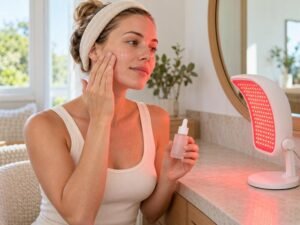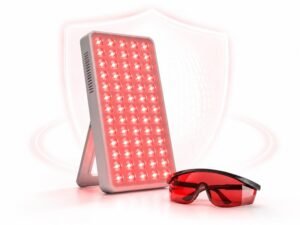

You just finished a red light therapy session. Your skin feels warm, your muscles are a little more relaxed, and somewhere in your cells, mitochondria are quietly putting in overtime. That’s the easy part. What happens in the next 30 to 60 minutes is where most people either reinforce those results — or accidentally undo them.
Red light therapy works cumulatively. The session itself triggers a biological response, but your body still needs the right conditions to follow through — hydration, rest, the right skincare, the right food. Skip those, and you’re leaving real results on the table.
Whether you’re using RLT for skin, recovery, pain, or body composition, this guide covers what to do after each session, what to skip, and how to build a routine that actually moves the needle over time.
Right After Your Session: The First 30 Minutes
The 30 minutes following a red light therapy session are when your body is most actively responding. Circulation is up, cellular repair has kicked in, and your skin is more receptive than usual. A few simple habits during this window can meaningfully improve what you get out of each session.
Here’s what to do as soon as you step away from the device:
Drink Water Right Away
Aim for at least 8-12 oz of water immediately after your session. RLT ramps up cellular metabolism and lymphatic activity — both of which need adequate hydration to work properly.
Let Your Skin Cool Down
Your skin may feel warm after treatment. Give it 5-10 minutes to cool at room temperature before applying products or heading outside.
Take a Few Minutes to Rest
Five minutes of slow, deep breathing after a session helps shift your nervous system into rest-and-repair mode. It sounds small, but it genuinely supports the recovery process RLT initiates.
Hold Off on a Hot Shower
A hot shower right after treatment can work against the vasodilation benefits and irritate skin that’s still sensitized. If you need to shower, lukewarm or cool water is fine.
Simple habit: Keep a glass of water next to your device. It’s an easy way to make sure hydration happens every single time without having to think about it.
Hydration: More Important Than Most People Realize

Hydration is one of the most overlooked parts of post-RLT care. Red light therapy stimulates lymphatic drainage and increases metabolic activity at the cellular level — both of which depend on water to move nutrients in, flush waste out, and support tissue repair.
Water is essentially the delivery system for your results. Without enough of it, the cellular signals triggered by your session can’t fully convert into visible or functional changes.
Hydration Guidelines After RLT
- Drink 16-24 oz of water within the first hour after your session
- Add electrolytes (sodium, potassium, magnesium) if you’re also exercising post-session
- Skip alcohol for at least 4-6 hours after your session — it dehydrates tissues and slows down cellular repair
- If you’re using RLT for sleep or stress recovery, go easy on caffeine right after your session
Post-Session Skincare Routine
If you’re using red light therapy for skin — anti-aging, acne, collagen support, or overall tone — what you put on your face after a session matters more than most people expect.
RLT temporarily increases skin permeability and blood flow to the treated area. For the 30-60 minutes after a session, your skin absorbs active ingredients more effectively than it normally would. That’s a window worth using intentionally.
Cleanse Gently If Needed
If you had products on your skin before the session, rinse with a gentle, sulfate-free cleanser. Don’t scrub or exfoliate right after treatment — your skin doesn’t need the extra stimulation.
Apply a Hydrating Serum
While your skin is still slightly warm, apply a hyaluronic acid or peptide serum. The enhanced absorption window means active ingredients go deeper and work more effectively than at any other point in the day.
Seal With a Moisturizer
Follow with a moisturizer containing ceramides, squalane, or niacinamide to lock in hydration and support the skin barrier repair that RLT helps initiate.
Use SPF Before Going Outside
Your skin can be temporarily more UV-sensitive after a session. If you’re heading outdoors, apply a broad-spectrum SPF 30+ to protect your skin and hold onto the treatment benefits.
⚠️ Ingredients to Avoid Right After RLT
- • Retinol or retinoids — can cause irritation on sensitized skin
- • Strong chemical exfoliants — AHAs or BHAs at high concentrations
- • Benzoyl peroxide at high concentrations
- • Alcohol-based toners or astringents
Exercise After Red Light Therapy

Pairing red light therapy with physical activity is one of the more effective combinations in recovery and performance. Research points to RLT enhancing both pre- and post-workout outcomes, but the timing and intensity of your exercise do make a difference.
✅ Good Activities After RLT
- • Light to moderate cardio (walking, cycling)
- • Yoga or stretching sessions
- • Resistance training within 30-60 minutes
- • Swimming (cool water, not hot pools)
- • Foam rolling and mobility work
⚠️ Worth Being Cautious About
- • Intense HIIT immediately after — give it 20-30 minutes
- • Saunas or steam rooms right after full-body RLT
- • High-impact activities if you’re treating joint pain
- • Outdoor workouts without sun protection
For muscle recovery: Use RLT after your workout. Post-exercise red light therapy has been shown to reduce delayed onset muscle soreness (DOMS), lower inflammation markers, and speed up muscle fiber repair.
For performance: Use RLT before training to prime mitochondrial function, then follow the session with light stretching or mobility work before you hit the gym.
What to Eat After a Session
What you eat after red light therapy has a real impact on how well your body follows through on the cellular boost it just received. RLT acts as a catalyst — nutrition is what keeps the process moving.
| Nutrient / Food | Why It Helps After RLT | Best Sources |
|---|---|---|
| Protein | Supports collagen synthesis and muscle repair triggered by RLT | Chicken, fish, eggs, Greek yogurt, whey protein |
| Vitamin C | Essential for collagen production; supports skin repair | Citrus fruits, bell peppers, kiwi, broccoli |
| Omega-3 Fatty Acids | Reduces systemic inflammation; supports cellular membrane health | Salmon, sardines, walnuts, flaxseed, fish oil |
| Magnesium | Supports ATP production and muscle relaxation post-session | Dark chocolate, almonds, spinach, pumpkin seeds |
| CoQ10 | Works alongside the mitochondrial energy boost stimulated by RLT | Beef, organ meats, CoQ10 supplements |
| Antioxidants | Protects cells from oxidative stress during accelerated metabolism | Berries, green tea, turmeric, dark leafy greens |
Timing note: If you’re also exercising, eat a protein-rich snack or meal within 60-90 minutes after your session to get the most out of muscle recovery and collagen synthesis.
Sleep and Recovery
Sleep is when the body does its deepest repair work — and red light therapy can actually improve sleep quality when timed well. Red and near-infrared wavelengths have been shown to support melatonin regulation and circadian rhythm balance, which makes evening sessions a good option for people who also want better sleep.
Evening Sessions
Use RLT 1-2 hours before bed. Unlike blue light, red and NIR wavelengths don’t suppress melatonin and may actually support deeper sleep cycles.
Aim for 7-9 Hours
The cellular repair triggered by RLT peaks during deep sleep. Cutting sleep short means cutting into your results.
Reduce Screen Time
After an evening RLT session, avoid screens for 30-60 minutes. It helps your body transition into sleep rather than fighting the blue light from your phone.
What to Avoid After Red Light Therapy
Knowing what not to do matters just as much as your post-care routine. A few common habits can quietly undercut the benefits of your session — or cause reactions you didn’t expect.
Don’t Skip Sun Protection
Your skin may be temporarily more UV-sensitive after RLT. Going outside without SPF can cause irritation and work against the skin repair your session just initiated.
Avoid Alcohol and Smoking
Alcohol dehydrates tissues and disrupts the anti-inflammatory benefits of RLT. Smoking constricts blood vessels and directly counteracts the circulation improvements your session just produced.
Hold Off on Harsh Topicals
Chemical peels, microdermabrasion, or high-concentration retinoids on the same day as RLT can over-stimulate the skin and cause redness or sensitivity. Space these out.
Don’t Over-Treat
More sessions don’t automatically mean better results. Exceeding recommended session times or using the device multiple times a day can lead to diminishing returns or temporary overstimulation. Stick to the guidelines for your device.
Don’t Be Inconsistent
Red light therapy is cumulative. Sporadic sessions are one of the most common reasons people don’t see results. Consistency over weeks and months is what actually drives change.
Post-Care by Treatment Goal
The basics apply across the board — hydrate, rest, avoid harsh products — but your specific goal should shape what you prioritize after each session. Here’s a breakdown by use case:
Skin Rejuvenation & Anti-Aging
- ✦Apply peptide serums and hyaluronic acid right after your session while skin absorption is at its peak
- ✦Take collagen-supporting supplements (Vitamin C, collagen peptides) within 60 minutes
- ✦Skip makeup for at least an hour — let your skin absorb the actives you’ve applied
- ✦Be patient and stay consistent — visible skin changes typically take 4-8 weeks of regular sessions
Muscle Recovery & Sports Performance
- ✦Get 20-40g of protein within 60 minutes post-session to support muscle protein synthesis
- ✦Follow with light stretching or foam rolling to extend the circulation benefits
- ✦Use compression garments on treated areas if you’re managing a sports injury
- ✦Elevate treated limbs if you’re working on localized inflammation or swelling
Pain Relief & Inflammation
- ✦Rest the treated area for 20-30 minutes after your session
- ✦Don’t apply ice or heat right away — let your body’s natural response run its course
- ✦Take an omega-3 supplement daily to support the anti-inflammatory pathway
- ✦Keep a simple pain log to track improvement over your treatment course — it’s easy to forget how far you’ve come
Fat Loss & Body Contouring
- ✦Do 20-30 minutes of moderate cardio within an hour of your session to help mobilize the fatty acids that have been released
- ✦Stay well hydrated to support lymphatic drainage of fat metabolites
- ✦Avoid heavy, high-fat meals immediately after treatment
- ✦Pair with a caloric deficit and consistent exercise — RLT supports the process, but it doesn’t replace the fundamentals
Hair Growth
- ✦Apply a minoxidil or hair growth serum within 30 minutes post-session to take advantage of the enhanced absorption window
- ✦Avoid washing your hair for at least 2-4 hours after treatment
- ✦Gently massage the scalp for 2-3 minutes post-session to further stimulate follicle circulation
- ✦Make sure you’re getting enough biotin, zinc, and iron through diet or supplements — RLT works better when the nutritional foundation is there
How Often Should You Use Red Light Therapy?
Session frequency is one of the most common questions people ask. The right answer depends on your device, treatment area, and goals — but here’s a practical framework that works for most use cases:
Starting Out
Weeks 1-4
5-7 sessions per week, 10-20 minutes per session. The goal is to build a cellular response and establish a baseline before tapering.
Building Results
Weeks 5-12
3-5 sessions per week. Maintain momentum and build on early improvements. Check progress every two weeks.
Long-Term Maintenance
Month 3+
2-3 sessions per week to hold and extend results. Adjust based on how your body responds and what your goals are.
Worth noting: Always follow the specific protocol recommended for your device. Professional-grade panels built for clinic use often have different guidelines than consumer handheld devices. When in doubt, check with the manufacturer or a qualified practitioner.
Common Questions
Can I shower right after red light therapy?
Is it normal to feel tired after a red light therapy session?
Can I apply makeup right after a facial red light therapy session?
How long does it take to see results from red light therapy?
Can I combine red light therapy with other treatments?
Does device quality affect results?
What should I eat or drink after red light therapy?
Can I exercise after red light therapy?
Is sun exposure safe after red light therapy?
Why does my skin look red or flushed after red light therapy — is that normal?
Make Every Session Count
Red light therapy is one of the more well-researched non-invasive tools in wellness and recovery today. But the results you get are tied directly to how consistently and thoughtfully you use it — including what you do in the hours after each session.
Red light therapy isn’t a one-session fix. The people who see real results are the ones who build it into a routine and treat the post-session window as part of the protocol — not an afterthought. Consistency over weeks and months is what separates noticeable improvement from a device collecting dust.
The device itself matters too — more than most buyers expect until they’ve tried both ends of the quality spectrum. Wavelength accuracy, irradiance output, and build quality aren’t just spec-sheet details. They’re the difference between a device that produces real, repeatable results and one that looks the part but underdelivers. Whether you’re equipping a clinic, a spa, or building your own brand, the hardware is where it starts.
Get the device right, build the routine around it, and the results follow. It’s not complicated — it just takes consistency.