Overview
—
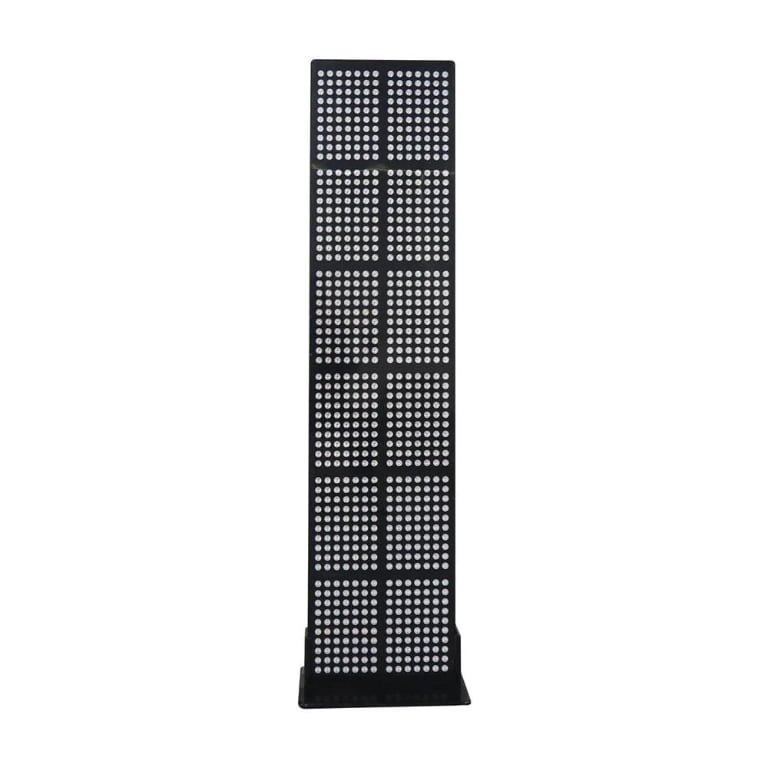
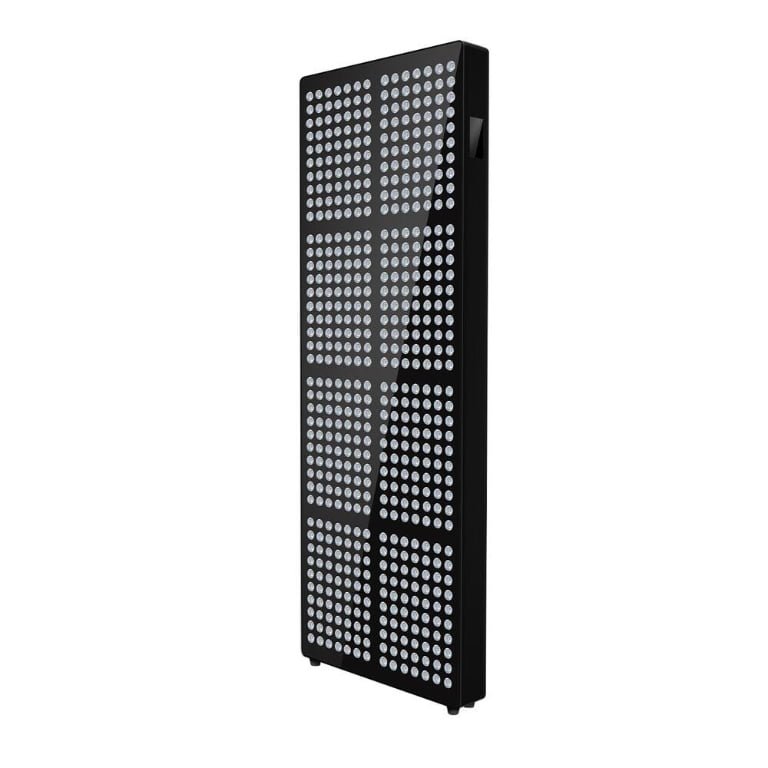
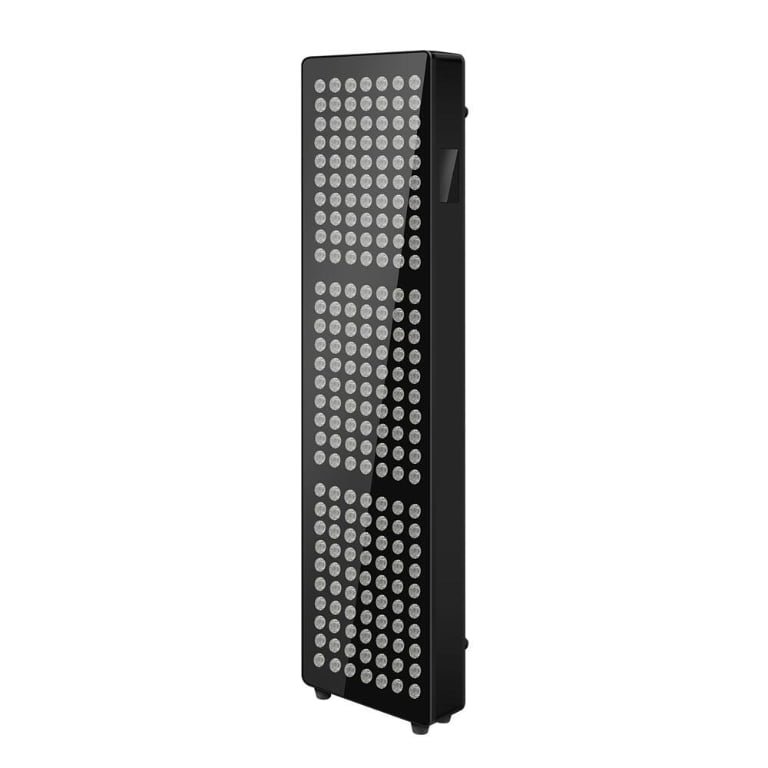
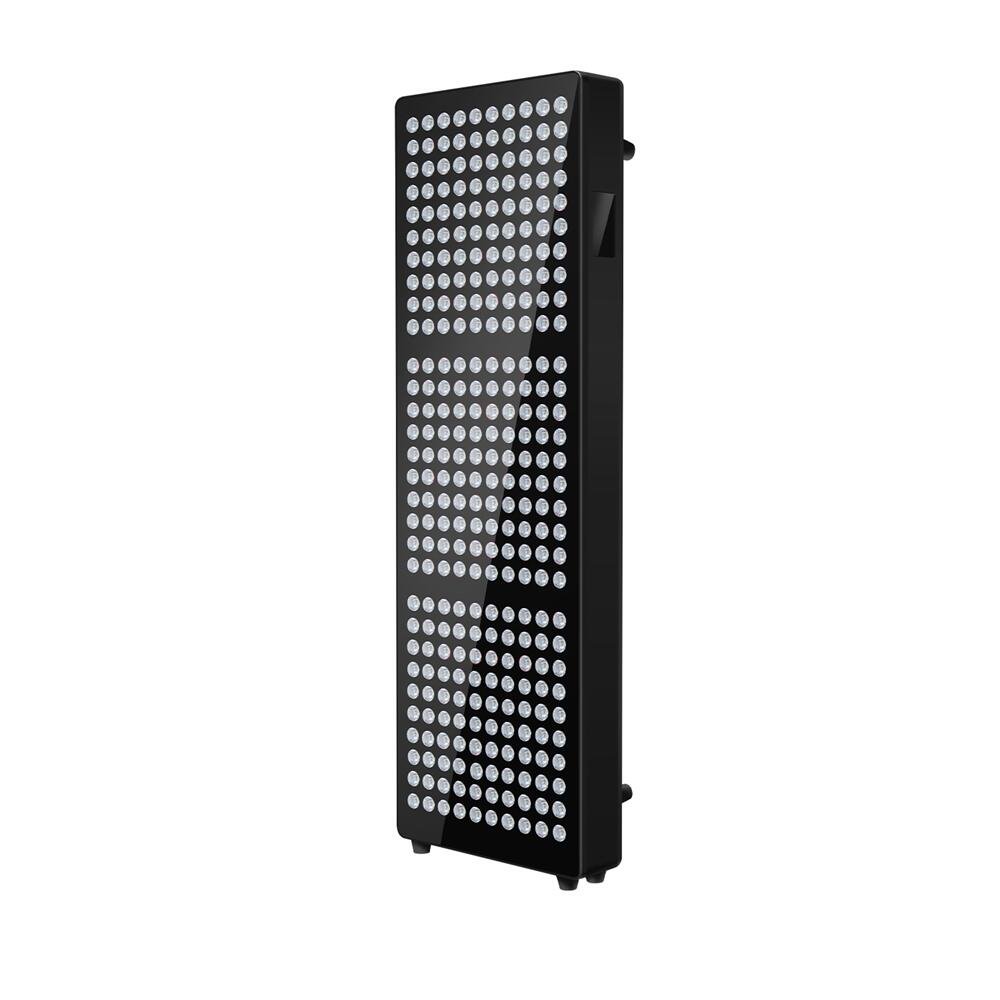
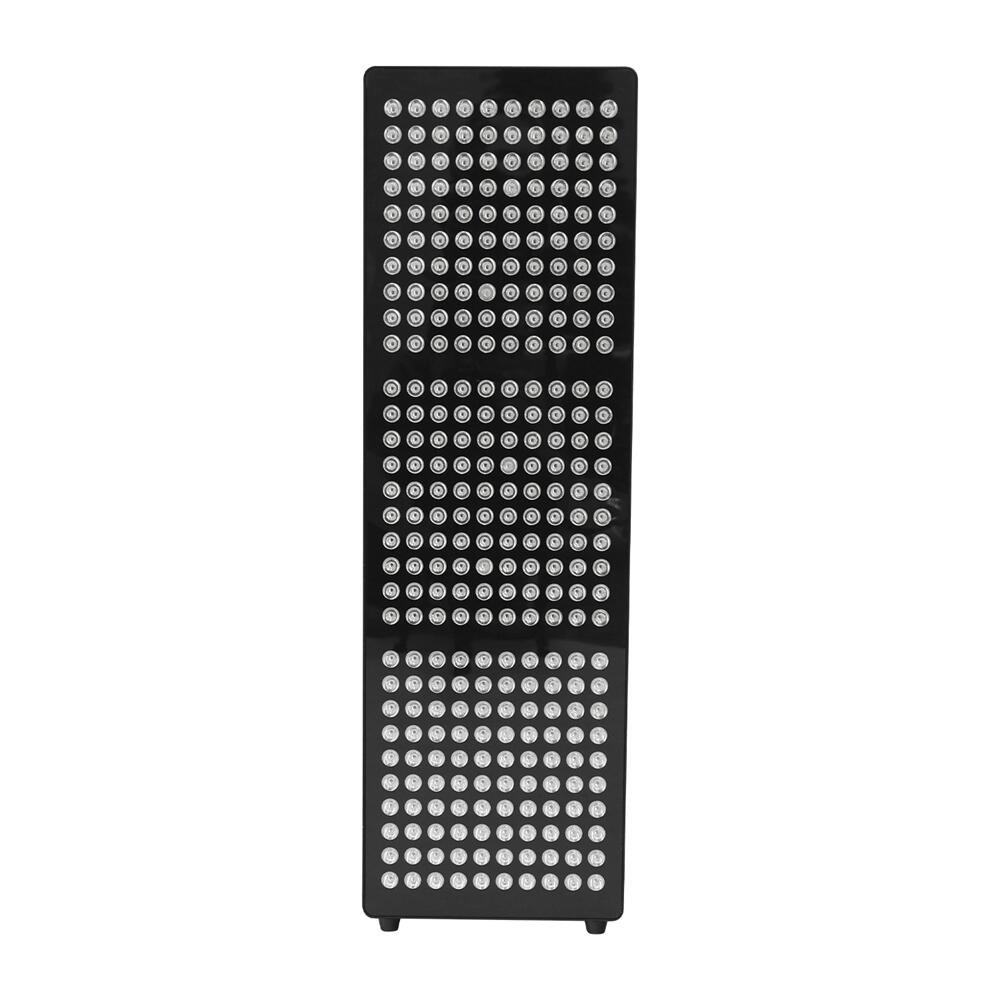
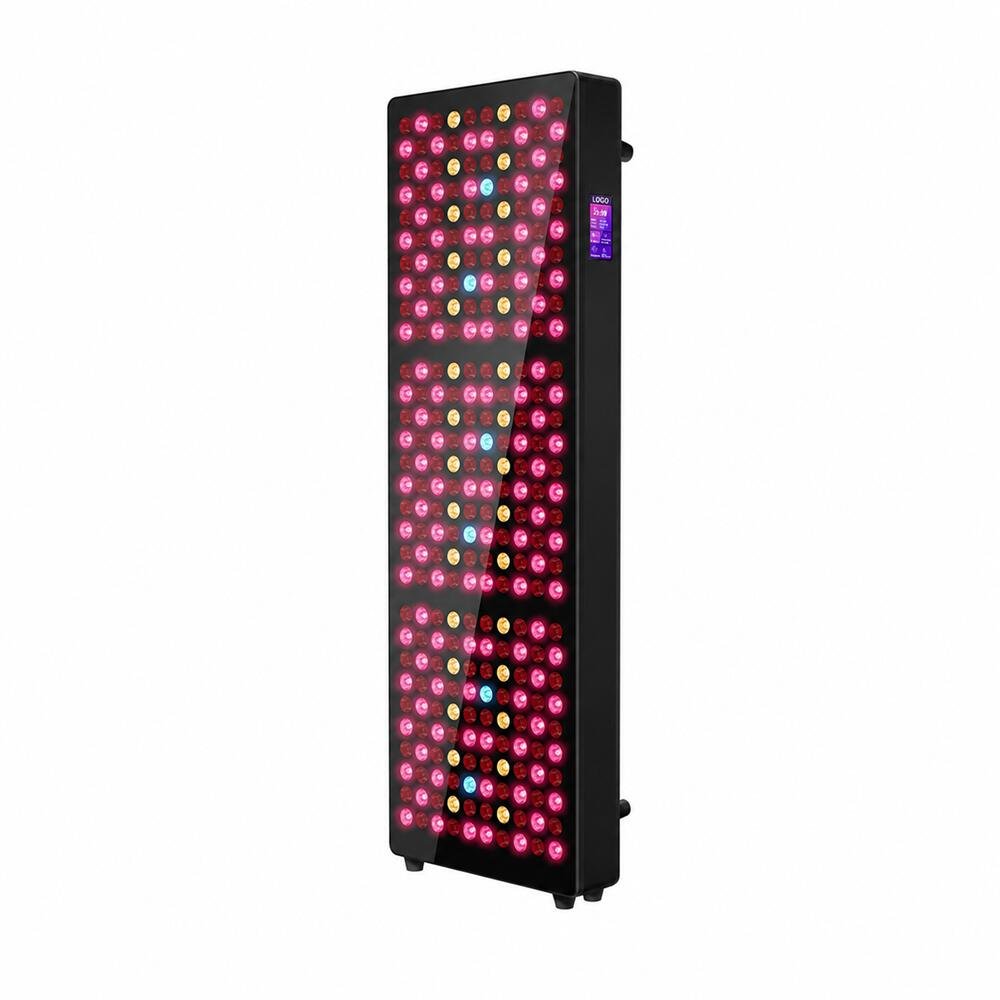
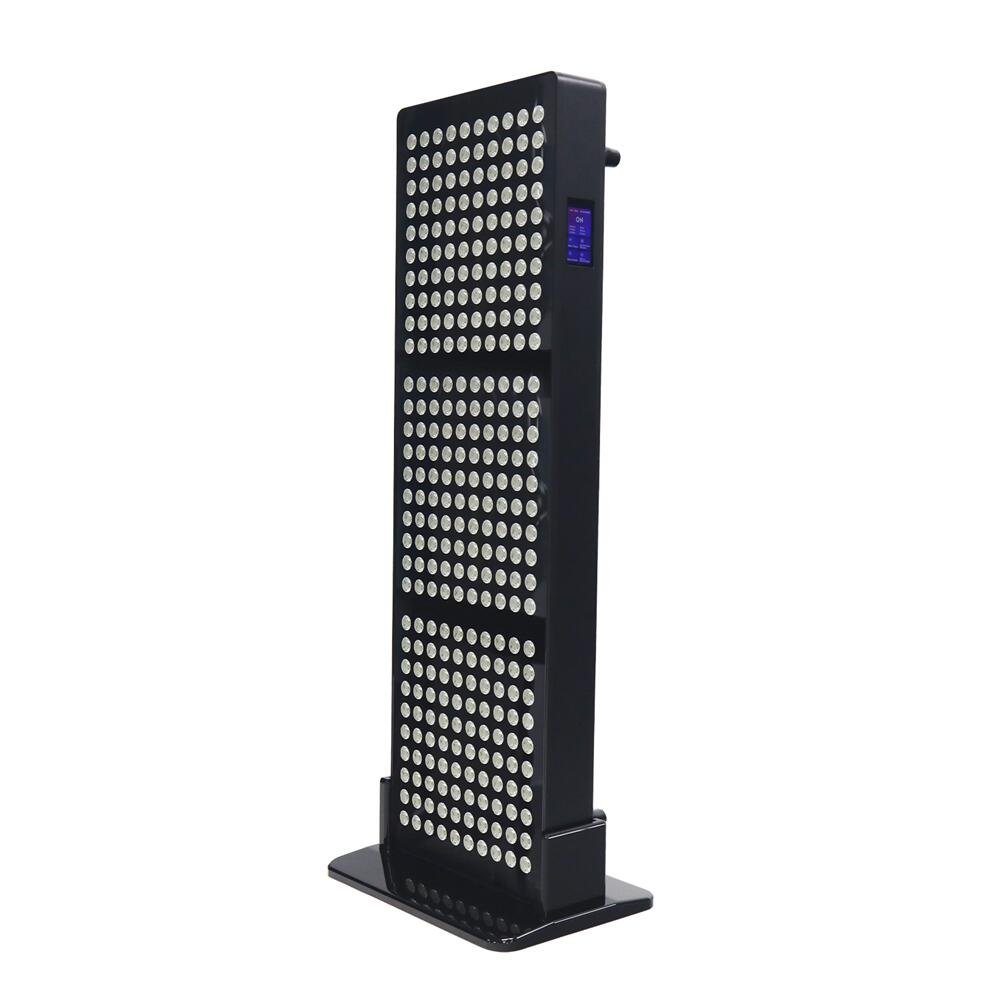
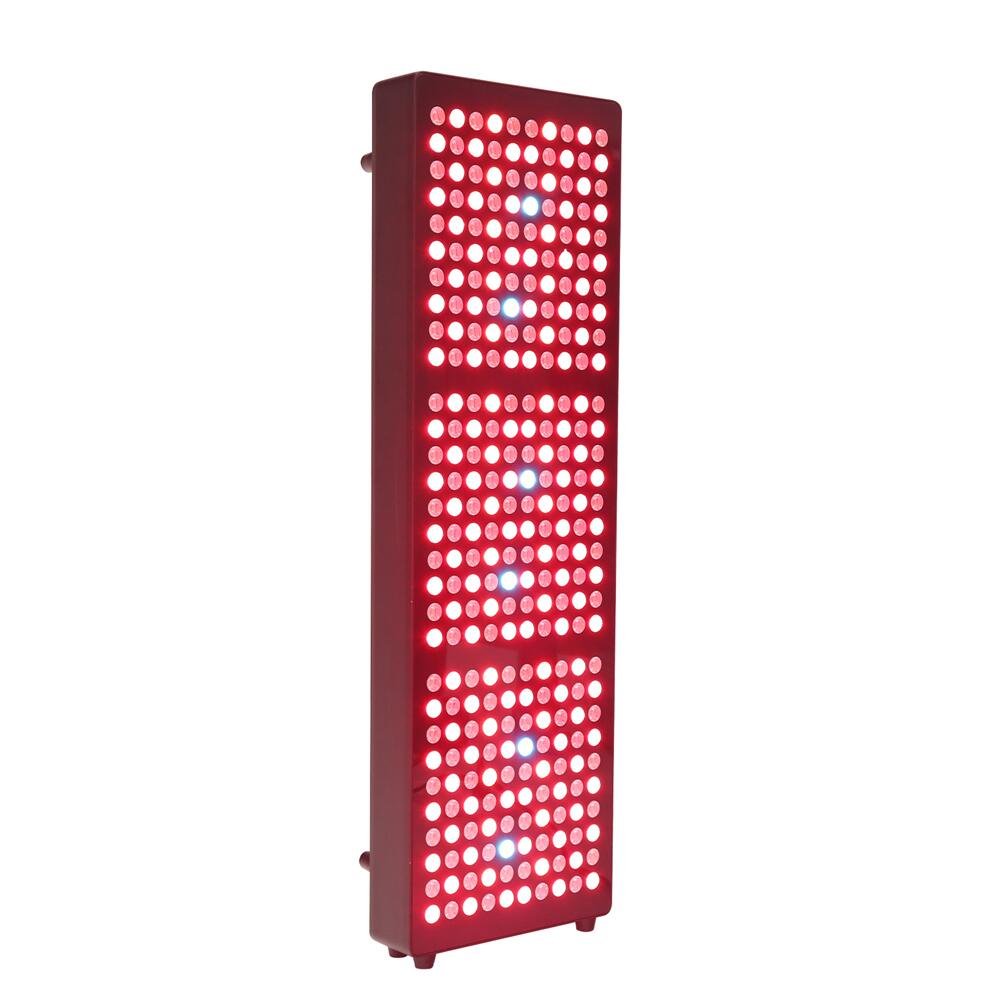
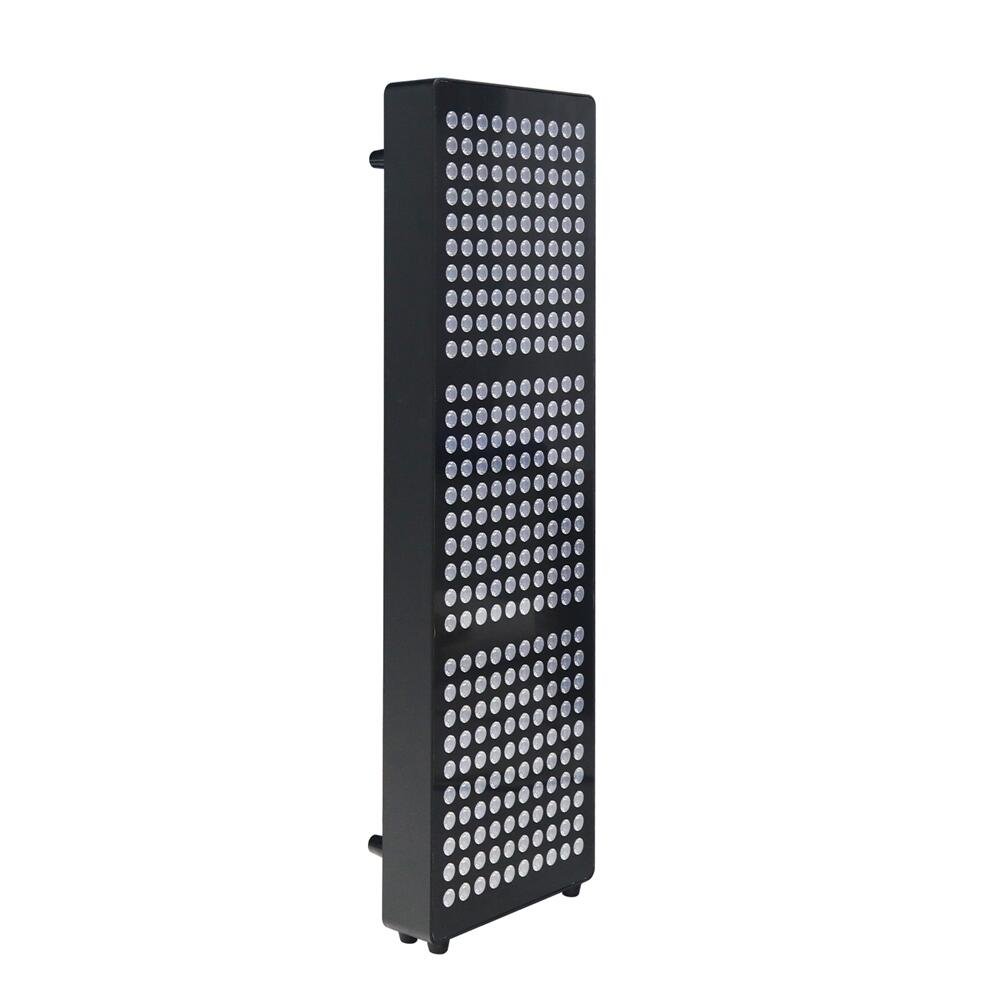
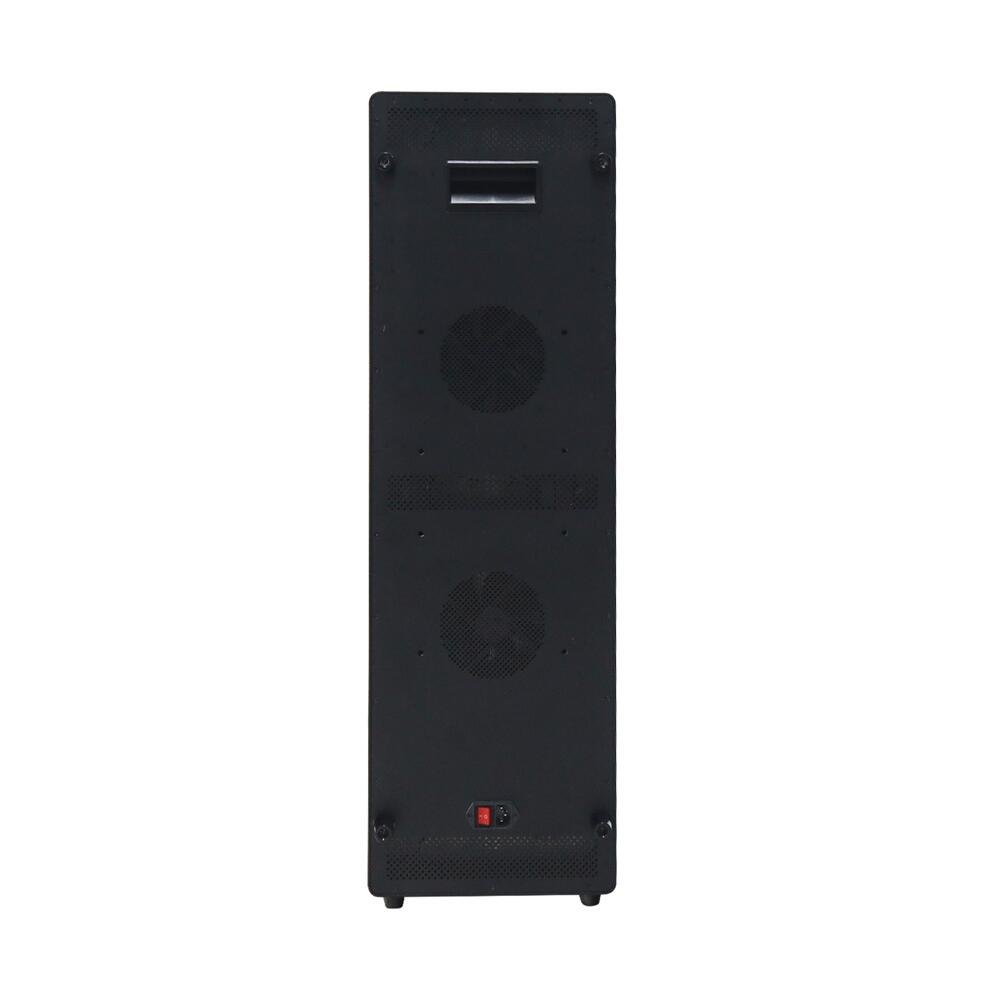
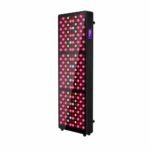
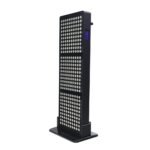
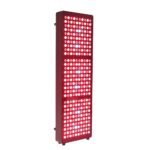
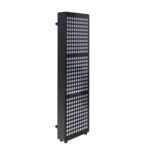
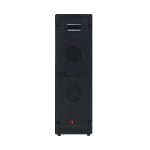
EL300 is a medium-size wellness red light therapy panel designed for wellness centers, spa rooms, beauty clinics, fitness recovery spaces, recovery studios, and premium home wellness rooms.
This model uses a multi wavelength design:
• 480nm
• 630nm
• 660nm
• 810nm
• 830nm
• 850nm
• 940nm
How the wavelengths work:
• 480nm blue light
Often used in beauty care and skin-focused product positioning, depending on the final application and market requirements.
• 630/660nm red light
Commonly used for surface-level wellness, facial care, skin appearance support, and beauty-focused applications.
• 810/830/850/940nm near-infrared light
Invisible to the human eye and used when deeper light penetration is required for muscle recovery support, joint comfort, and recovery-focused wellness programs.
The device supports multiple working modes:
• Red
• NIR
• Blue
• Red + NIR
• Red + Blue
• NIR + Blue
• Red + NIR + Blue
Compared with compact desktop panels, this model offers a larger lighting area, stronger output, and better coverage for professional wellness rooms. It can work as a standalone red light therapy device or as part of a wider led light therapy device product range for wellness, recovery, beauty, and premium lifestyle applications.
Key Specifications Comparison
—
While basic panels only offer two wavelengths, commercial systems should utilize a broader spectrum to treat multiple depths of tissue simultaneously.
• Acne & Circadian Care (480nm): Target the surface skin to destroy acne-causing bacteria, while regulating sleep-wake cycles and boosting daytime energy.
• Surface Skin Care (630nm – 660nm): Target the epidermis for collagen production, acne, and wound healing.
• Deep Tissue Recovery (810nm – 850nm): Penetrate deeper into muscles, tendons, and joints to reduce inflammation and accelerate recovery.
• Advanced Depth (940nm – 1060nm): Reaches the deepest layers of tissue and bone, often used in premium commercial arrays for advanced physical therapy.
Actionable Safety & Usage Tips
—
• Distance Matters: Keep a distance of 6 to 18 inches away from mid-sized or large panels to maximize light spread while maintaining effective irradiance.
• Session Timing: Limit your routine to 10 to 20 minutes per target area daily; longer sessions do not provide additional cellular benefits.
• Protect Your Eyes: Always wear the included opaque protective goggles during your sessions, particularly when utilizing high-power panel configurations.
If you would like to find the perfect fit, let me know:
• What is your primary wellness goal (e.g., anti-aging skin care, chronic joint pain relief, or muscle athletic recovery)?
• Do you prefer a small desktop device, a door-hanging panel, or a standalone full-body setup?
• What is your target budget range?
Technical Specifications
—
| Item | Specification |
|---|---|
| Model | EL300 |
| Color | Black |
| LED Quantity | 300 pcs |
| Power Consumption | 450W |
| Output Power | 427W |
| Wavelengths | 480 / 630 / 660 / 810 / 830 / 850 / 940nm |
| Beam Angle | 30° |
| Irradiance at 3” / 6” / 9” / 12” / 15” / 18” | OL / 159 / 131 / 117 / 109 / 103 mW/cm² |
| Energy at 3” / 6” / 9” / 12” / 15” / 18” | OL / 0.159 / 0.131 / 0.177 / 0.109 / 0.103 J/cm² per second |
| Pulse | 0–10000 |
| Timer | 30 min |
| Dimmer | 0–100% |
| Working Modes | Red / NIR / Blue / Red + NIR / Red + Blue / NIR + Blue / Red + NIR + Blue |
| Preset Modes | 6 types |
| Synchronous Working | No |
| Input Voltage | 90–240V |
| Max Current | 5A |
| EMF Emission | 0 |
| Flicker | No |
| Material | Aluminum |
| Cooling Fans | 2 pcs |
| LED Lifespan | 100,000 hours |
| Working Temperature | -25°C to +65°C |
| Working Humidity | 15–90% RH |
| Accessories | Standard + Hanging Kit |
| Warranty | 3 years |
| Product Size | 87.6 × 27.6 × 7.1 cm |
| Unit Packaging Size | 102 × 15.2 × 35.5 cm |
| Net Weight | 11.8 kg |
| Gross Weight | 14 kg |
| Remote Control | Yes |
| Bluetooth & APP | No |
| Sound Level at 15cm | 45 dB |
| IP Level | IP21 |
Simple positioning:
| Product Need | Fit |
|---|---|
| Medium wellness red light therapy device | Suitable |
| Spa or beauty treatment room | Suitable |
| Fitness recovery space | Suitable |
| Wellness studio or clinic room | Suitable |
| Premium home wellness room | Suitable |
| Private label red light therapy product | Suitable |
| Compact desktop use | Better to choose a smaller model |
| Full-body coverage | Better to choose a larger panel |
Applications
—
This panel is suitable for wellness spaces that need stronger coverage than a compact device, but do not require a full-body system. It works well in wellness, beauty, recovery, fitness, and private label product programs.
| Application Area | How It Can Be Used |
|---|---|
| Wellness Centers | Private treatment rooms, recovery rooms, member wellness services |
| Spas & Beauty Clinics | Facial rooms, body care rooms, beauty-focused wellness services |
| Fitness Recovery Spaces | Post-workout recovery areas, shoulder, back, waist, and leg support |
| Recovery Studios | Targeted recovery support and professional wellness setups |
| Yoga & Pilates Studios | Post-class wellness rooms and private session add-ons |
| Hospitality Wellness Projects | Spa suites, wellness lounges, and private treatment spaces |
| Premium Home Wellness | Larger personal wellness setups and home recovery rooms |
| OEM / Private Label | Branded led light therapy device product programs |
For wellness and spa environments, this model helps create a more complete treatment-room experience without taking up the space of a large full-body panel.
For product brands, it can work as a medium-size red light therapy product between compact home devices and larger commercial systems.
What’s Inside
—
A standard package usually includes:
• Red light therapy LED panel
• Power cable
• Remote control
• User manual
• Protective packaging
• Standard accessories
• Hanging kit
For private label and custom projects, packaging and documentation can be adjusted based on market needs.
Optional support may include:
• Logo customization
• Neutral packaging
• Custom color box
• Product label design
• User manual customization
• Outer carton design
• Barcode and SKU support
• Market-specific documentation support
• Sample support before bulk order
For wellness panel projects, we can also discuss:
• Installation method
• Hanging or stand structure
• Room size and treatment distance
• Plug type
• Usage environment
• Packaging and shipping protection
• Product positioning for different sales channels
The final package and configuration can be confirmed based on order quantity, installation method, target market, and branding requirements.
FAQ
—
1. How does near-infrared light reach deep into sore joints?
Near-infrared light can penetrate deeper than red light. While red light mainly supports surface-level tissues, near-infrared light may reach deeper areas such as muscles, tendons, ligaments, and joints.
Once the light reaches these tissues, it may help cells produce more energy, support microcirculation, and reduce inflammation-related signals. This can help create a better recovery environment for sore or stiff joints.
2. Can red light therapy help with old injuries that just won’t go away?
Yes, red light therapy may help support old injuries, especially when the tissue is stuck in a low-grade inflammatory state.
Old injuries may continue to feel uncomfortable because the area has poor circulation, weak cellular energy, or slow tissue repair. Red and near-infrared light may help support mitochondrial function, improve local blood flow, and assist the body’s natural repair process.
It should not be described as a guaranteed cure, but it can be positioned as a non-invasive support option for long-term recovery and daily comfort.
3. How long does a pain relief effect usually last?
The effect can vary from person to person.
For short-term discomfort, users may feel relief for several hours. For chronic pain or old injuries, consistent use may support longer-lasting improvement over time because the goal is not only to calm discomfort, but also to support tissue repair and reduce the underlying inflammatory response.
The final result depends on the condition, treatment area, device quality, usage frequency, and how well the tissue responds.
4. Is red light better for sharp pain or dull chronic aches?
Red light therapy may support both sharp discomfort and dull chronic aches, but the key factor is usually depth, not the type of pain.
Red light is more suitable for surface-level tissues, while near-infrared light is better for deeper areas such as muscles, tendons, ligaments, and joints.
For product positioning, red and near-infrared light can be used together to support a wider range of pain-management and recovery applications.
5. Can I use a full-body panel for my back, knees, and neck in one day, or should I target one area only?
Both approaches can work.
A full-body panel can treat multiple areas in one session, which is useful for users with general soreness, multiple discomfort areas, or whole-body recovery needs.
Targeted treatment is better when users want to focus on one specific area, such as the knee, shoulder, lower back, or neck. The right choice depends on the user’s goal, pain area, device size, and treatment setup.
6. Does red light therapy help with nerve-related pain?
Red light therapy may help support nerve-related discomfort by improving cellular energy, local blood flow, and the inflammatory environment around the nerve.
Nerves also need energy to repair and function properly. When there is chronic inflammation or nerve irritation, red and near-infrared light may help support nerve recovery and reduce neuroinflammation.
It should still be positioned carefully. Serious, worsening, or unexplained nerve pain should be evaluated by a healthcare professional.
7. Is it safe to use red light therapy with over-the-counter pain medication?
For many users, red light therapy can generally be used alongside common over-the-counter pain relief products (like Ibuprofen and Tylenol), because they work through different pathways.
Pain medication usually works by blocking or reducing certain pain and inflammation signals. Red light therapy works more through cellular energy, circulation, and natural repair support.
However, users with medical conditions, long-term pain, or regular medication use should follow professional medical guidance. For business use, the safest wording is that red light therapy may be used as a non-invasive wellness support tool, not as a direct replacement for medical treatment.
8. What are the key factors to evaluate when selecting a light therapy device manufacturer?
When evaluating a light therapy device manufacturer, key factors to assess include: technical capability (in-house engineering, LED expertise, thermal management, firmware development), product quality and consistency (QC processes, defect rates, component sourcing), compliance and certification experience (CE, FCC, and other market-specific requirements), communication and project management (responsiveness, dedicated account management, transparency), intellectual property protection (NDA practices, design confidentiality), production scalability (capacity to grow with your order volumes), and after-sales support (warranty terms, spare parts availability, technical assistance). Visiting the facility or requesting a factory audit through a third-party inspection agency can provide additional assurance before committing to a long-term manufacturing partnership.
9. How long does it typically take to bring a new light therapy product to market?
Time to market depends on the complexity of the product and the manufacturing model chosen. For ODM projects using an existing platform with branding and packaging customization, the process from initial inquiry to first shipment typically takes 6 to 10 weeks. For OEM projects involving new industrial design, custom tooling, and bespoke electronics, the development phase alone can take 8 to 16 weeks, followed by production lead time of 4 to 6 weeks. Compliance testing and certification can add further time depending on the target markets and certification scope. Early and clear definition of product requirements, target markets, and compliance needs is the most effective way to minimize time to market and avoid costly revisions during development.
10. What are the most common mistakes new brands make when entering the light therapy market?
Several recurring mistakes can slow growth or create serious problems for new entrants in the light therapy market. The most common include: selecting a manufacturer based on price alone without verifying technical capability or quality standards; failing to define intended use claims clearly before production, which can lead to regulatory complications; underestimating the importance of accurate wavelength and irradiance specifications, resulting in products that underperform; neglecting compliance and certification requirements for target markets until after production is complete; ordering insufficient quantities to test the market while also not planning for restocking lead times; and launching without adequate product documentation, user guidance, or after-sales support infrastructure. Working with an experienced manufacturing partner from the early stages of product planning helps avoid the majority of these pitfalls.