Overview
—
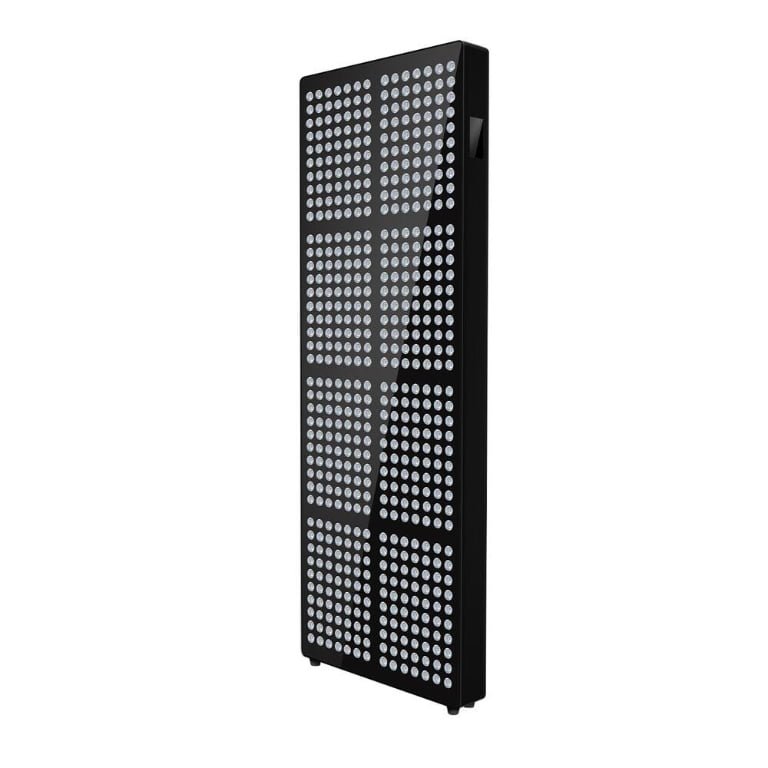
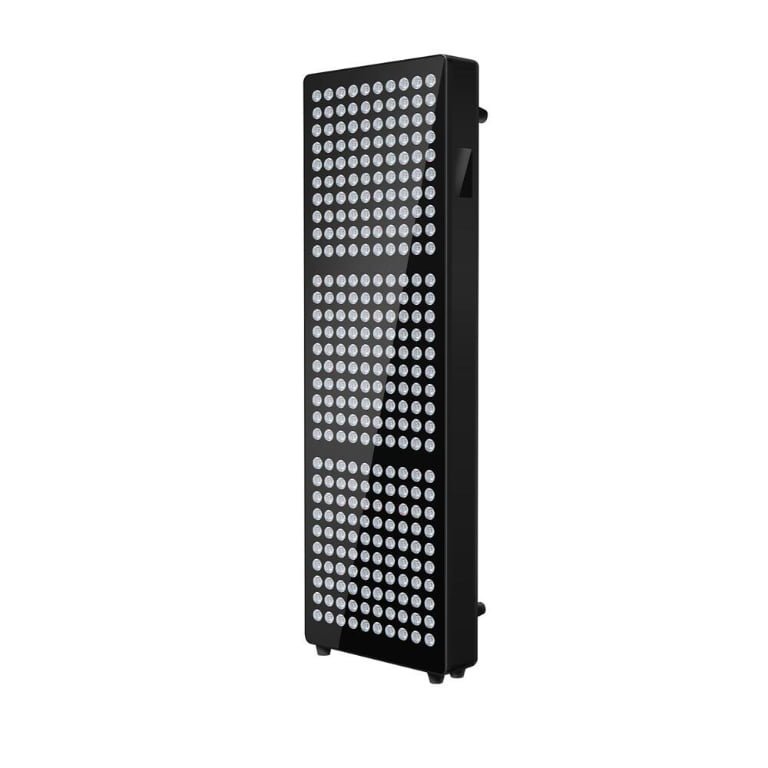
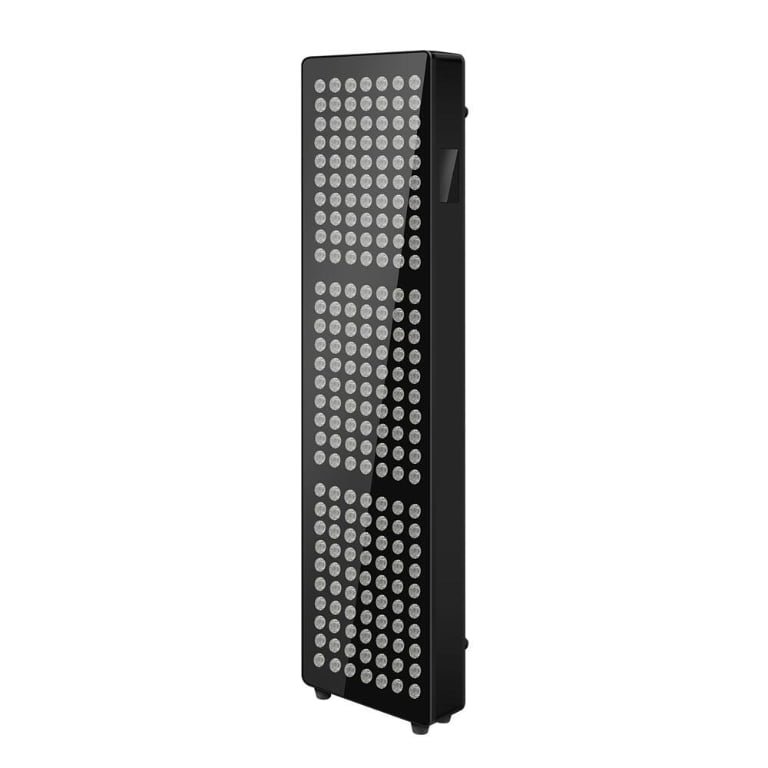
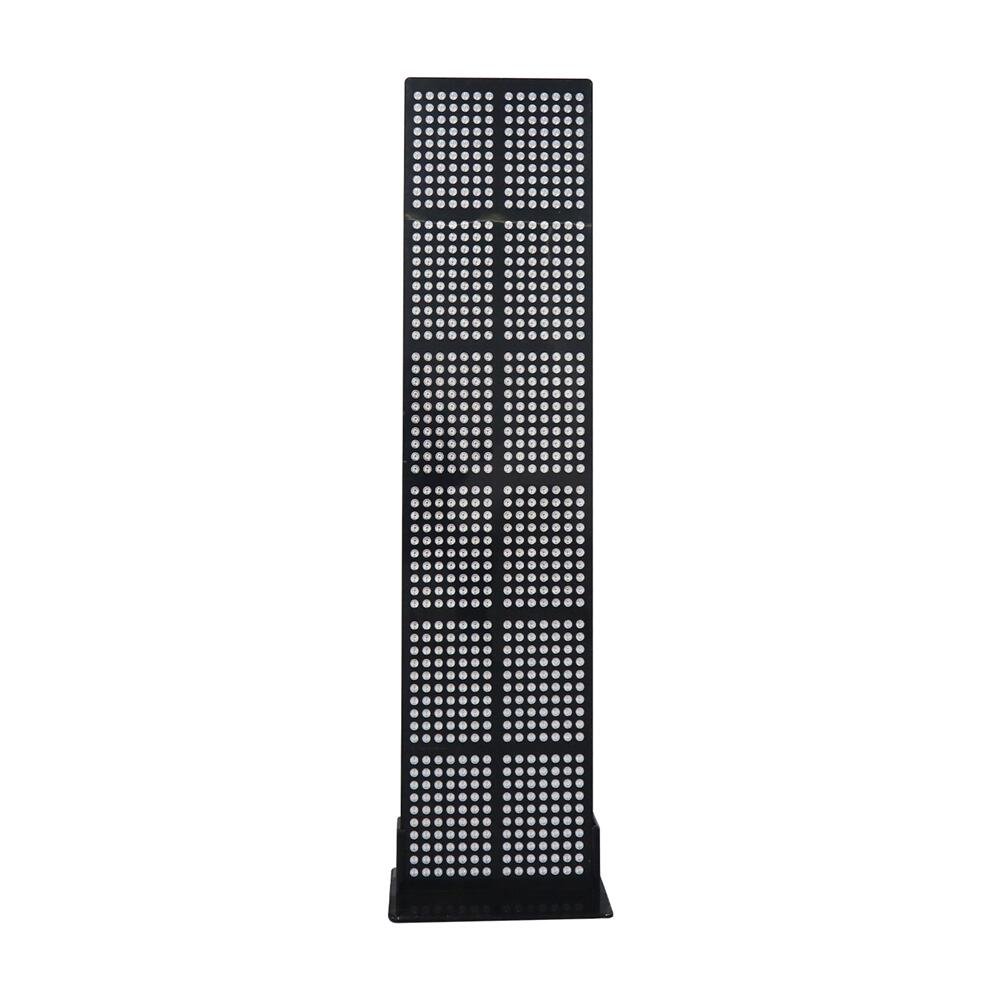
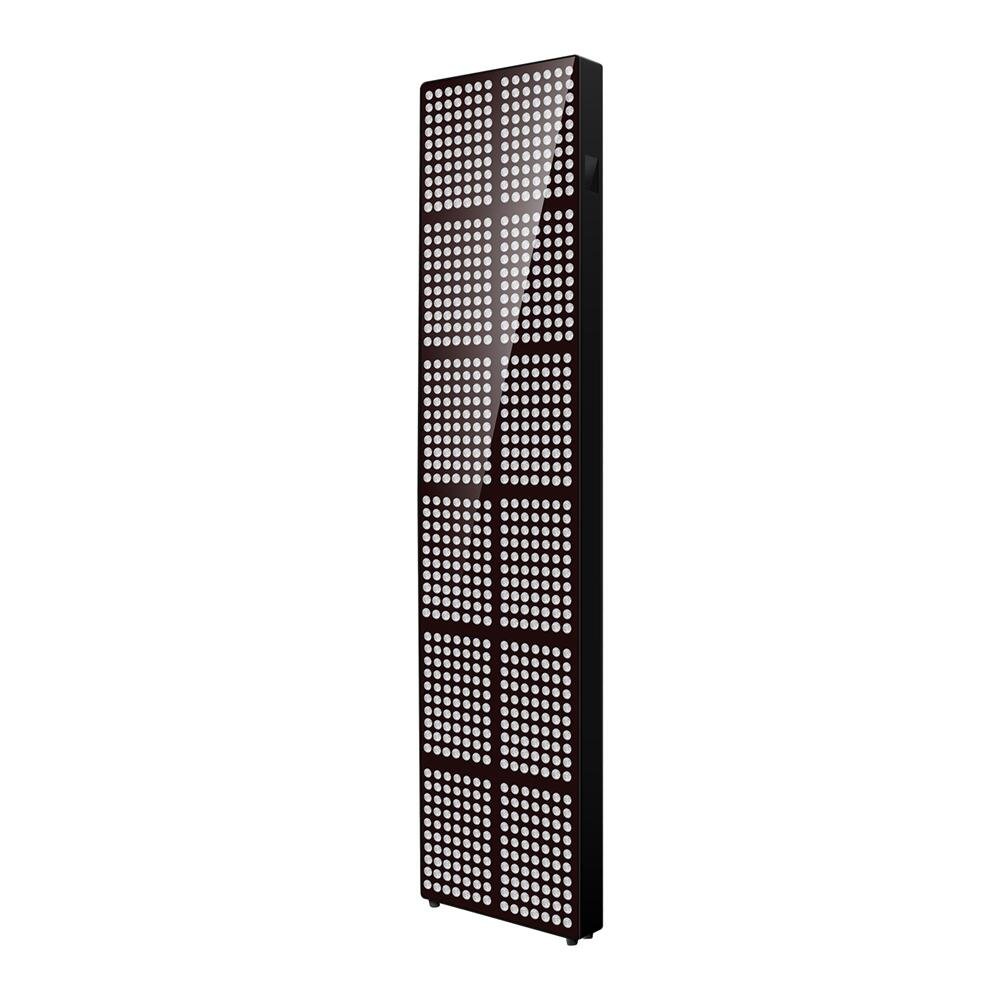
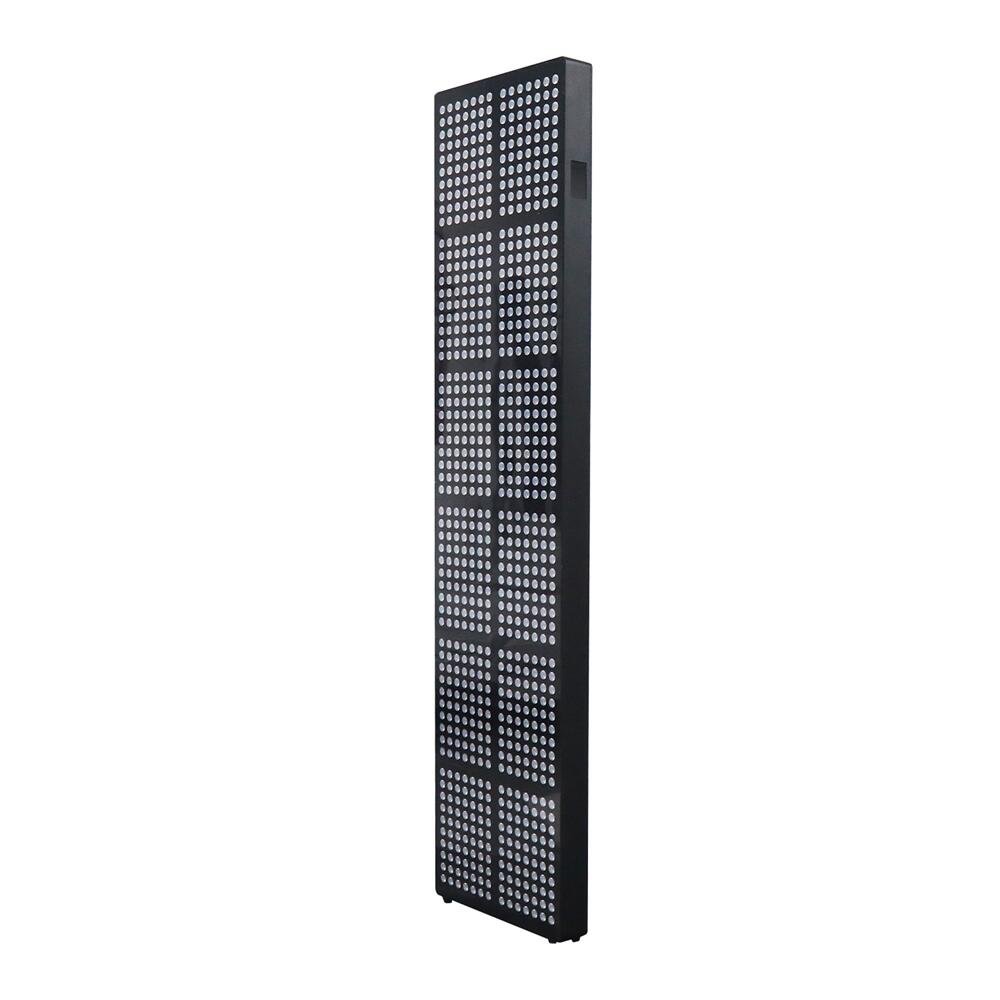
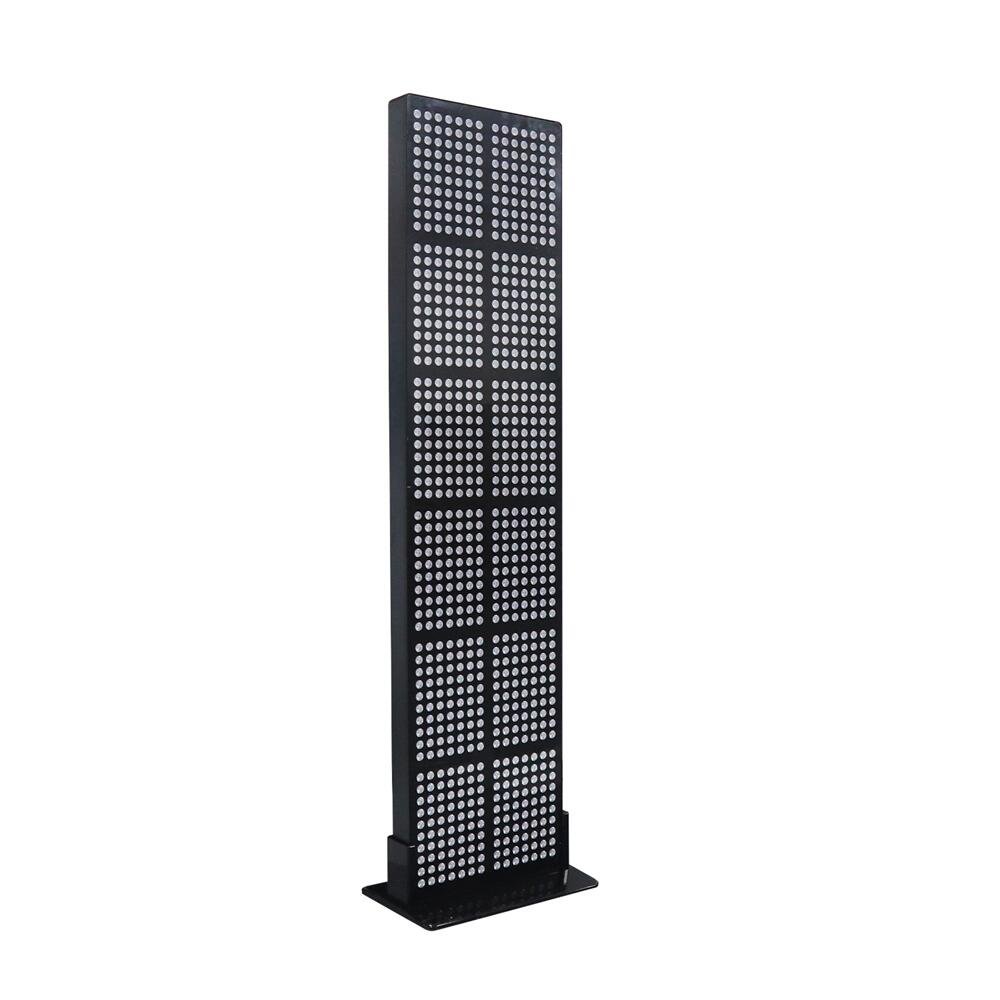
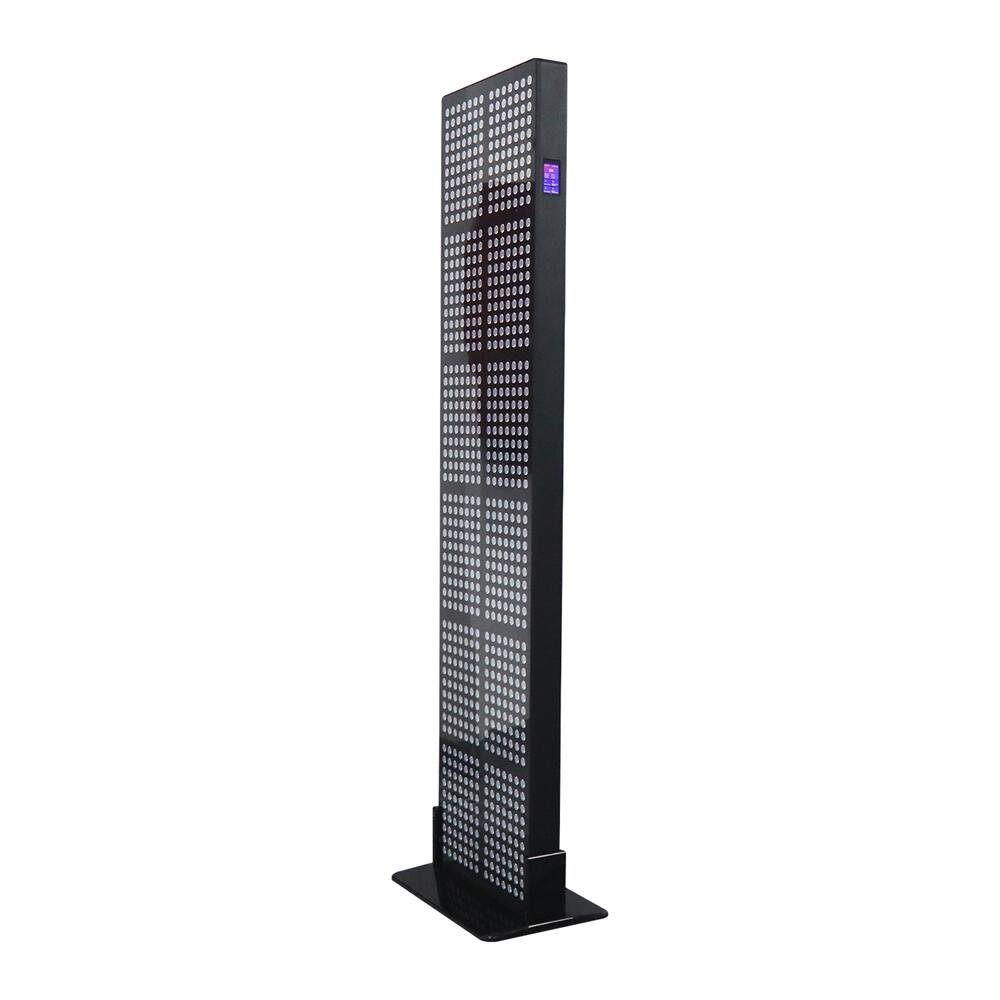
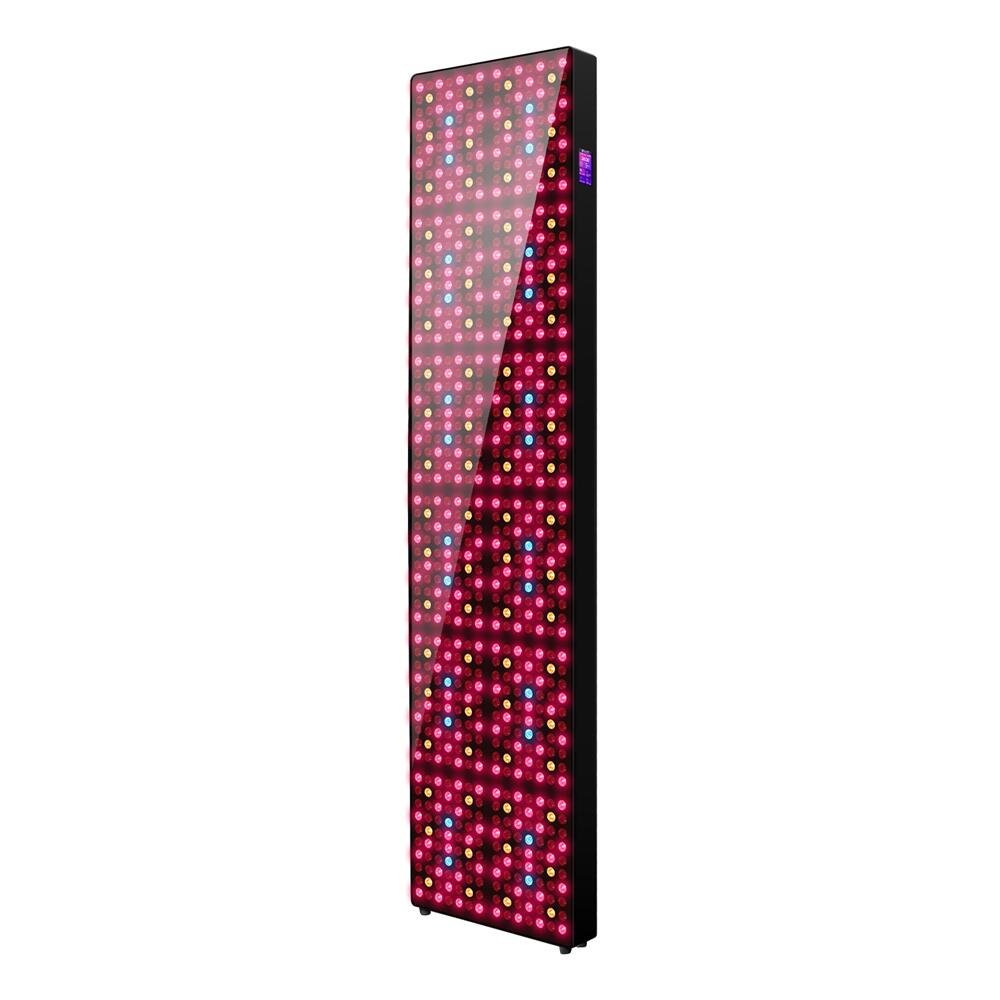
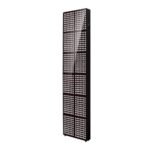
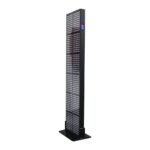
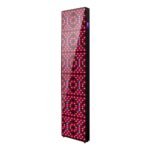
EL840 is a large adjustable red light therapy panel with stand options, designed for wellness centers, fitness recovery rooms, spa spaces, beauty clinics, recovery studios, hospitality wellness projects, and premium home wellness rooms.
This model uses a multi wavelength design:
• 480nm
• 630nm
• 660nm
• 810nm
• 830nm
• 850nm
• 940nm
How the wavelengths work:
• 480nm blue light
Often used in beauty care and skin-focused product positioning, depending on the final application and market requirements.
• 630/660nm red light
Commonly used for surface-level wellness, facial care, skin appearance support, and beauty-focused applications.
• 810/830/850/940nm near-infrared light
Invisible to the human eye and used when deeper light penetration is required for muscle recovery support, joint comfort, and recovery-focused wellness programs.
The device supports multiple working modes:
• Red
• NIR
• Blue
• Red + NIR
• Red + Blue
• NIR + Blue
• Red + NIR + Blue
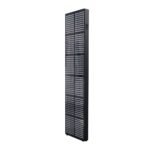
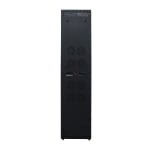
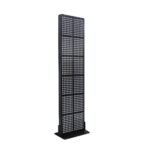
Compared with fixed wall-mounted panels, this red light therapy panel on stand offers more flexible positioning for different body areas and room layouts. It can be used as a vertical setup, paired with an adjustable red light therapy panel stand, or configured for horizontal treatment needs depending on the project setup.
For wellness rooms and recovery spaces, this red light therapy large panel gives stronger coverage than medium panels while remaining more flexible than a fixed full-body system.
Types of Adjustability in Red Light Panels
—
• Wavelength Customization: Most advanced panels allow you to switch between 660nm red light (for surface skin health and collagen) and 850nm near-infrared light (for deep tissue and muscle recovery), or run both concurrently.
• Physical & Angle Positioning: Devices feature built-in tilting desk stands, 180° to 360° rotatable heads, or floor stands adjustable from 45 to 60 inches to easily treat the face, back, or legs while sitting or lying down.
• Brightness & Pulse Control: High-quality panels offer multi-level dimming (such as 20% to 100% intensity) and 10Hz pulsed frequency modes to customize treatment for sensitive skin types.
How to Use Them Safely
—
• Wave Lengths: Red light (660nm) penetrates the skin’s surface for anti-aging and skin health, while near-infrared light (850nm) goes deeper into muscles and joints for recovery.
• Session Time: Most devices recommend 10 to 30 minutes of use per area per day.
• Eye Protection: Because the infrared lights are intense, be sure to wear protective goggles during your sessions.
Technical Specifications
—
| Item | Specification |
|---|---|
| Model | EL840 |
| Color | Black |
| LED Quantity | 840 pcs |
| Power Consumption | 1260W |
| Output Power | 1200W |
| Wavelengths | 480 / 630 / 660 / 810 / 830 / 850 / 940nm |
| Beam Angle | 30° |
| Irradiance at 3” / 6” / 9” / 12” / 15” / 18” | 200 / 104 / 93 / 89 / 85 / 81 mW/cm² |
| Energy at 3” / 6” / 9” / 12” / 15” / 18” | 0.2 / 0.104 / 0.093 / 0.089 / 0.085 / 0.081 J/cm² per second |
| Pulse | 0–10000 |
| Timer | 30 min |
| Dimmer | 0–100% |
| Working Modes | Red / NIR / Blue / Red + NIR / Red + Blue / NIR + Blue / Red + NIR + Blue |
| Preset Modes | 6 types |
| Synchronous Working | No |
| Input Voltage | 90–240V |
| Max Current | 13A |
| EMF Emission | 0 |
| Flicker | No |
| Material | Aluminum |
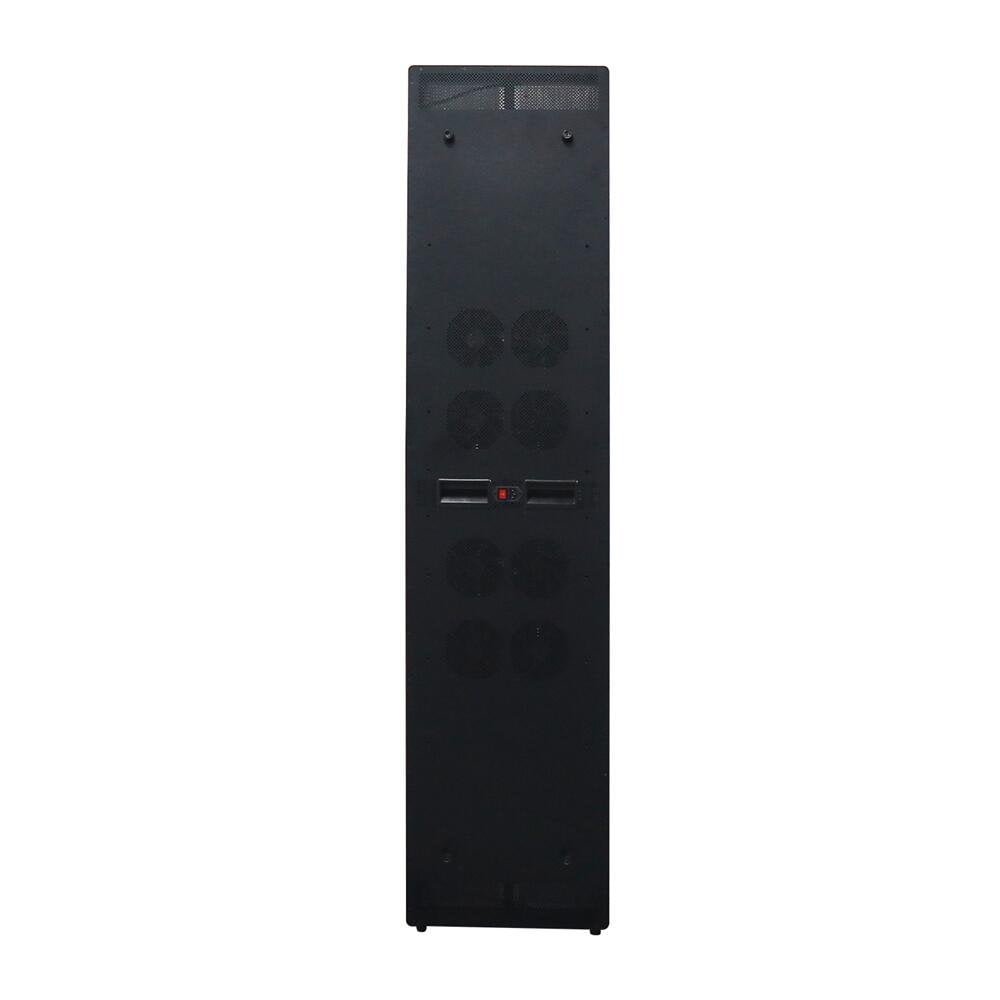
| Cooling Fans | 8 pcs |
| LED Lifespan | 100,000 hours |
| Working Temperature | -25°C to +65°C |
| Working Humidity | 15–90% RH |
| Accessories | Standard + Hanging Kit |
| Warranty | 3 years |
| Product Size | 171.3 × 41.5 × 7.1 cm |
| Unit Packaging Size | 185 × 14.8 × 49.5 cm |
| Net Weight | 32.5 kg |
| Gross Weight | 37 kg |
| Remote Control | Yes |
| Bluetooth & APP | No |
| Sound Level at 15cm | 45 dB |
| IP Level | IP21 |
Simple positioning:
| Product Need | Fit |
|---|---|
| Red light therapy panel horizontal stand setup | Suitable with matched stand configuration |
| Adjustable red light therapy panel stand project | Suitable |
| Red light therapy panel on stand | Suitable |
| Large red light therapy stand panel | Suitable |
| Big red light therapy panel | Suitable |
| Wellness or recovery room setup | Suitable |
| Compact desktop use | Better to choose a smaller model |
| Full-body multi-panel room | Can be discussed based on room layout |
Applications
—
This red light therapy big panel is suitable for spaces that need broad coverage and flexible positioning. It works well in wellness, beauty, recovery, fitness, and premium home wellness environments.
| Application Area | How It Can Be Used |
|---|---|
| Wellness Centers | Full-body wellness rooms, recovery lounges, member service upgrades |
| Fitness Recovery Facilities | Post-workout recovery rooms, athletic recovery zones, shoulder, back, and leg support |
| Spas & Beauty Clinics | Body care rooms, skin wellness spaces, relaxation services |
| Recovery Studios | Larger treatment rooms and recovery-focused wellness programs |
| Rehabilitation-Related Spaces | Flexible positioning for controlled wellness and recovery-support environments |
| Hospitality Wellness Projects | Spa suites, wellness lounges, and private treatment spaces |
| Premium Home Wellness | Home gyms, private recovery rooms, and personal wellness setups |
| OEM / Private Label | Branded adjustable led light therapy device product programs |
For treatment rooms, adjustable positioning helps one device support different body areas and room layouts. A red light therapy panel horizontal stand can be useful for massage-table style setups, while vertical positioning works better for standing or seated sessions.
For product brands, this model can work as a premium adjustable red light therapy product between large fixed panels and more complete full-body systems.
What’s Inside
—
A standard package usually includes:
• Red light therapy LED panel
• Power cable
• Remote control
• User manual
• Protective packaging
• Standard accessories
• Hanging kit
For private label and custom projects, packaging and documentation can be adjusted based on market needs.
Optional support may include:
• Logo customization
• Neutral packaging
• Custom color box
• Product label design
• User manual customization
• Outer carton design
• Barcode and SKU support
• Market-specific documentation support
• Sample support before bulk order
For adjustable panel projects, we can also discuss:
• Horizontal stand configuration
• Vertical stand configuration
• Wall or hanging layout
• Room size and treatment distance
• Plug type
• Usage environment
• Packaging and shipping protection
• Product positioning for different sales channels
The final package and configuration can be confirmed based on order quantity, installation method, target market, and branding requirements.
FAQ
—
1. Is red light therapy the same as infrared?
No, red light therapy is not exactly the same as infrared therapy. While both are types of light therapy, they use different light wavelengths. These different wavelengths determine how deeply the light penetrates your body and what they are used to treat.
2. Does red light therapy help eczema?
Yes, red light therapy (RLT) can help eczema. It uses safe, low-level wavelengths of light that do not use UV rays. RLT helps by boosting cellular energy, which reduces inflammation, relieves itching, and speeds up the repair of damaged skin.
3. What is the best red light therapy device?
The “best” device depends on what you want to treat. For wrinkles and skin health, masks are best. For muscle pain and joint relief, targeted pads and panels work best. Think of it like sunlight, but without the harmful UV rays. It is like watering a plant: the light acts as energy that helps your skin or muscles repair themselves.
4. Can you do too much red light therapy?
Technically, yes, but it’s rare, and usually tied to high-intensity sessions you’ve done too often or too long at a time. Most at-home devices require only 10 to 20 minutes of use per area, three to five times a week. Exceeding this can exhaust your cells, causing skin redness, dryness, or a plateau in your results.
5. Is red light therapy safe for cancer patients?
Red light therapy is generally safe and beneficial for cancer patients, but it must be medically supervised. It is often used to treat side effects like mouth sores and radiation burns. However, you should never place red light directly over an active tumor, as it can stimulate cell growth.
6. Can red light therapy regrow gums?
Red light therapy cannot regrow gums that have already pulled back. However, it is an excellent tool to support gum health. It works by reducing swelling, boosting blood flow, and helping cells repair themselves. Think of it like watering a wilted plant; it gives the tissue the energy it needs to heal and thrive, but it cannot replace missing leaves.
7. How to use red light therapy on face?
Wash your face with a gentle cleanser to remove all makeup and sunscreen. Dry your skin completely. Put on an LED face mask or hold a handheld device 6 to 12 inches away. Turn it on and relax for 10 to 20 minutes. Do this 3 to 5 times per week. Finish with moisturizer.
8. Does red light therapy help with weight loss?
Red light therapy works as a body contouring tool rather than a major weight-loss solution. It uses low-level laser light to temporarily open pores in fat cells, allowing stored fat to leak out. While it can help you lose inches, scale weight changes are usually modest.
9. Does red light therapy work for hair loss?
Yes, red light therapy (also called Low-Level Light Therapy) works for hair loss. It is most helpful for early to moderate male and female pattern baldness. It makes existing hair thicker and denser by stimulating weakened hair follicles.
10. How does red light therapy work?
Red light therapy (RLT) works by exposing your skin to low-level, specific wavelengths of red and near-infrared light (usually 600–850 nanometers). This process is known as photobiomodulation.