Overview
—
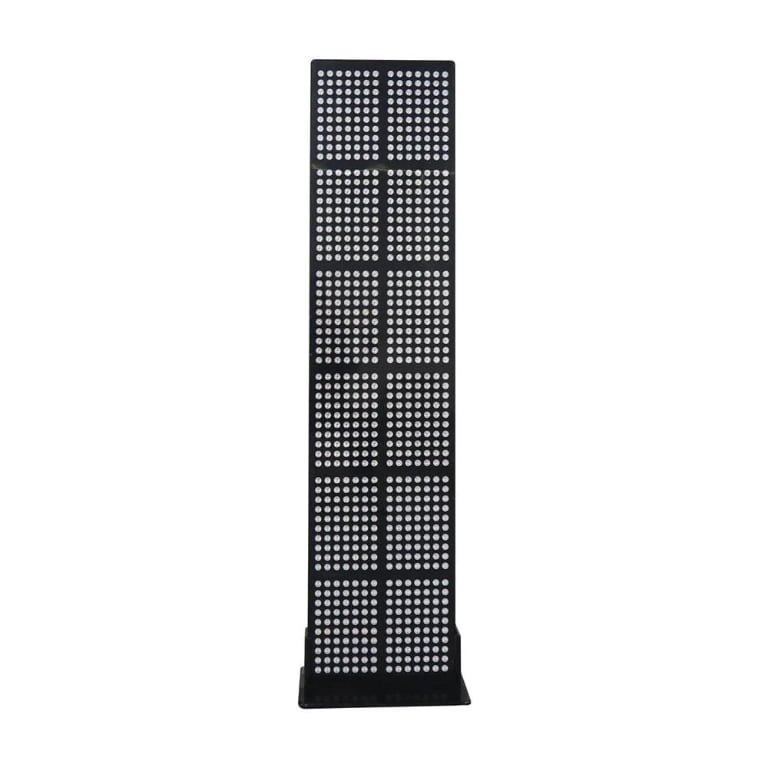
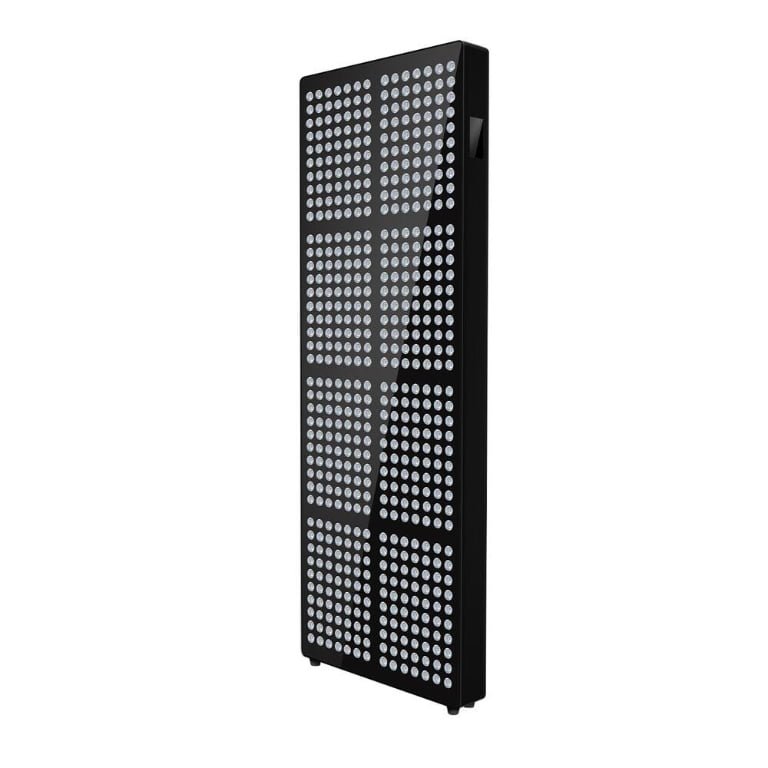
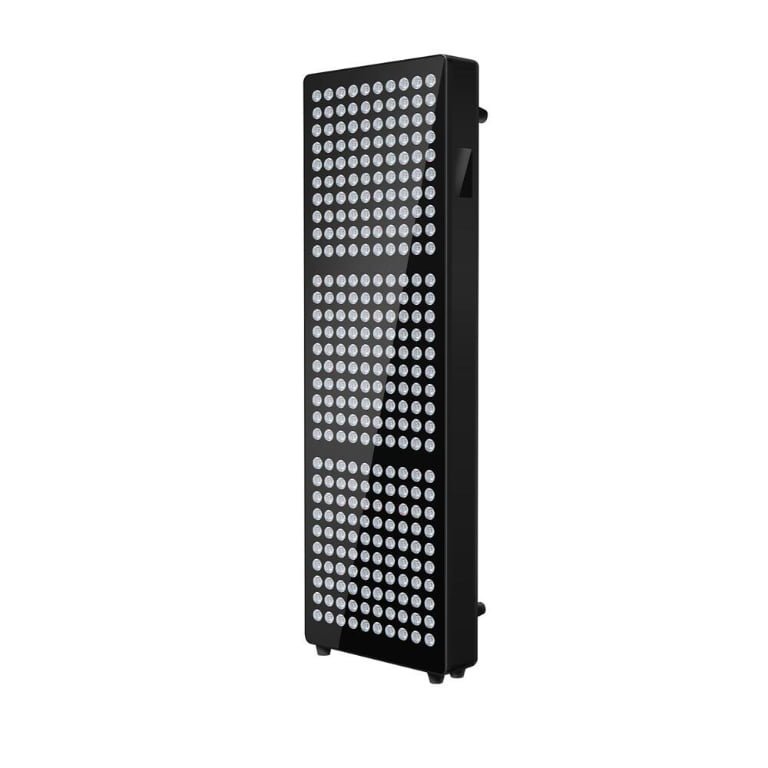
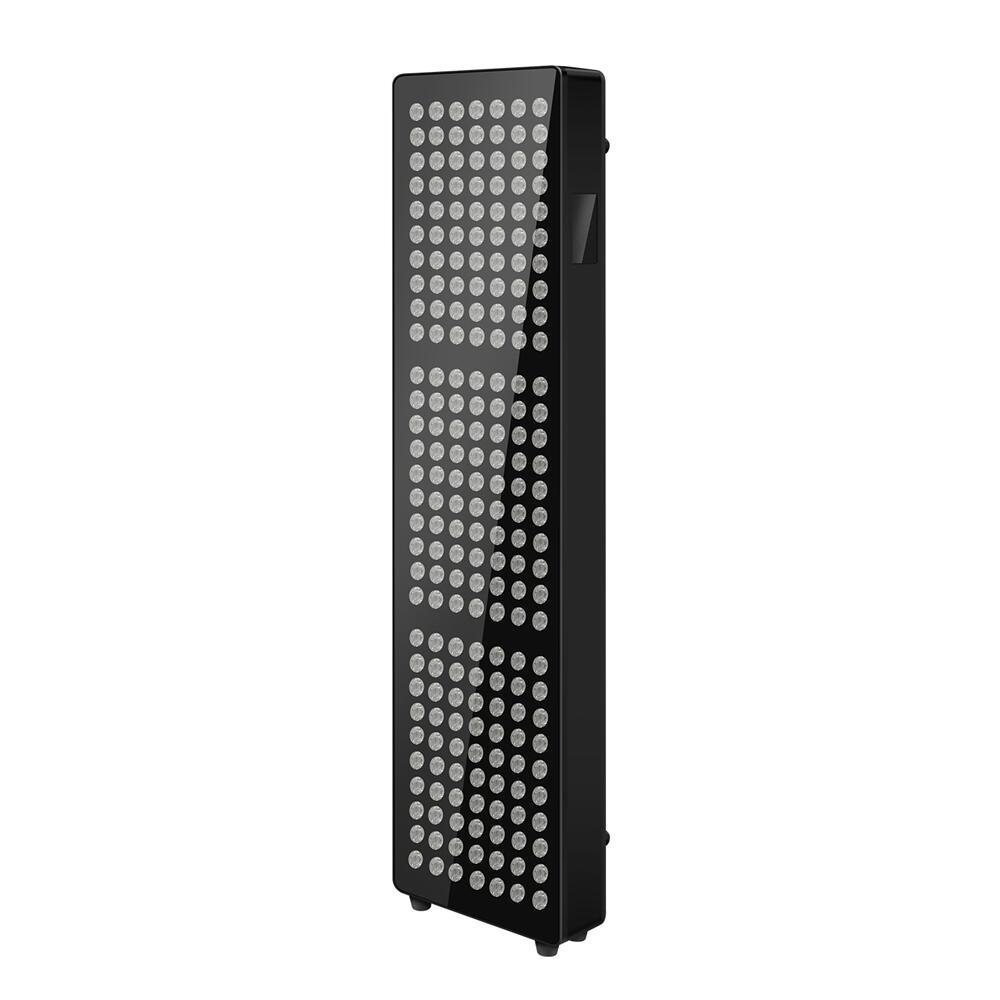
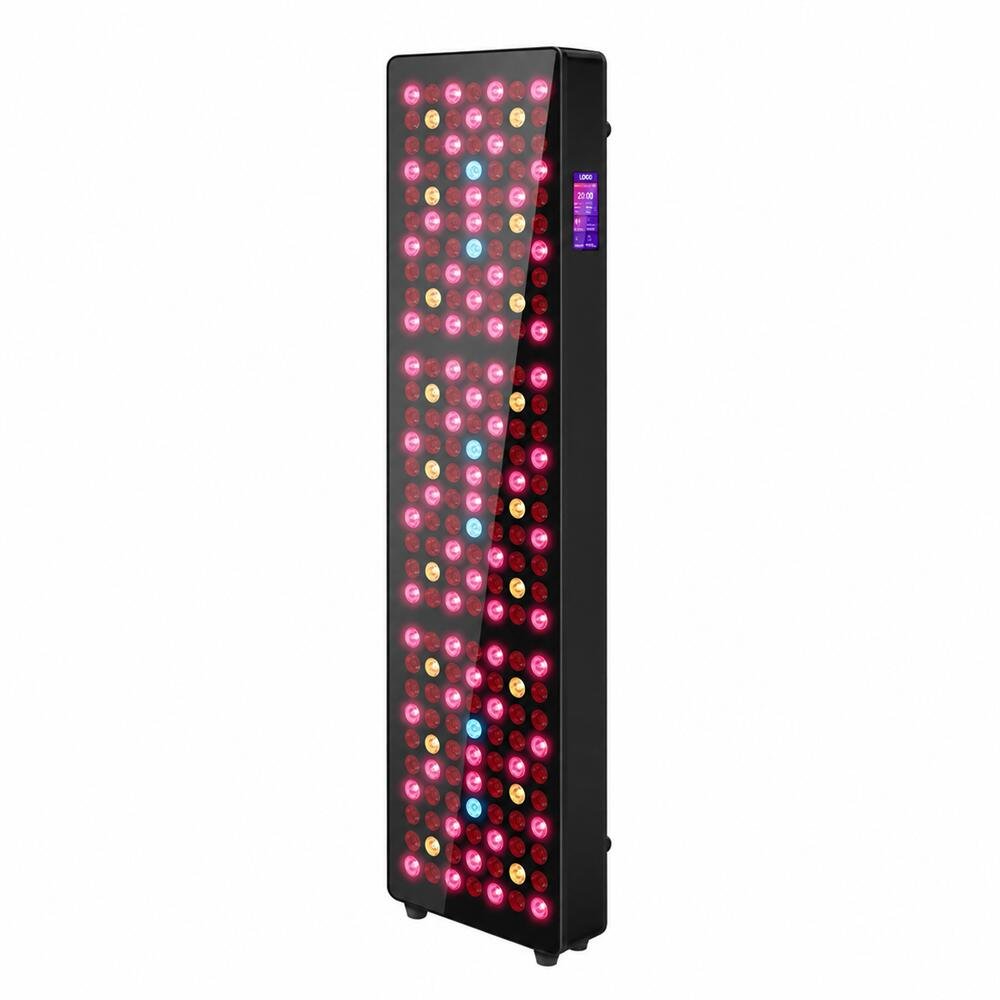
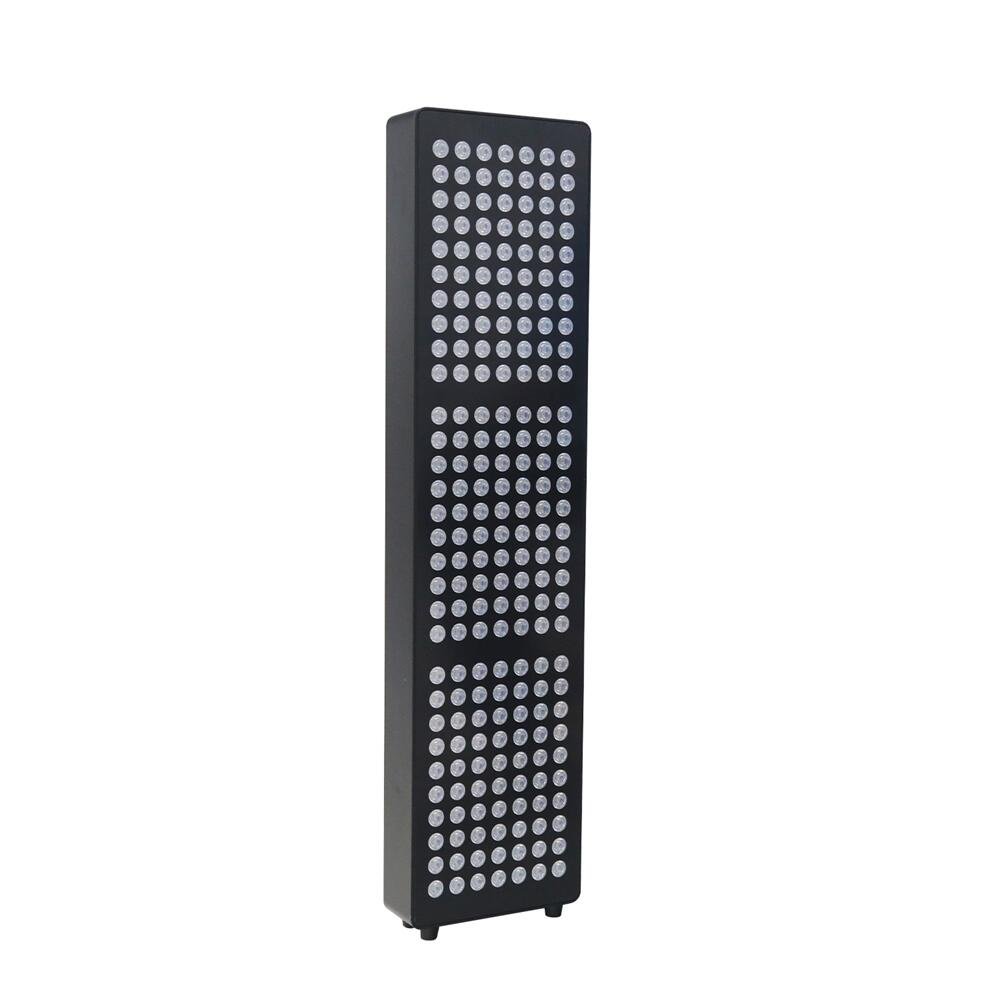
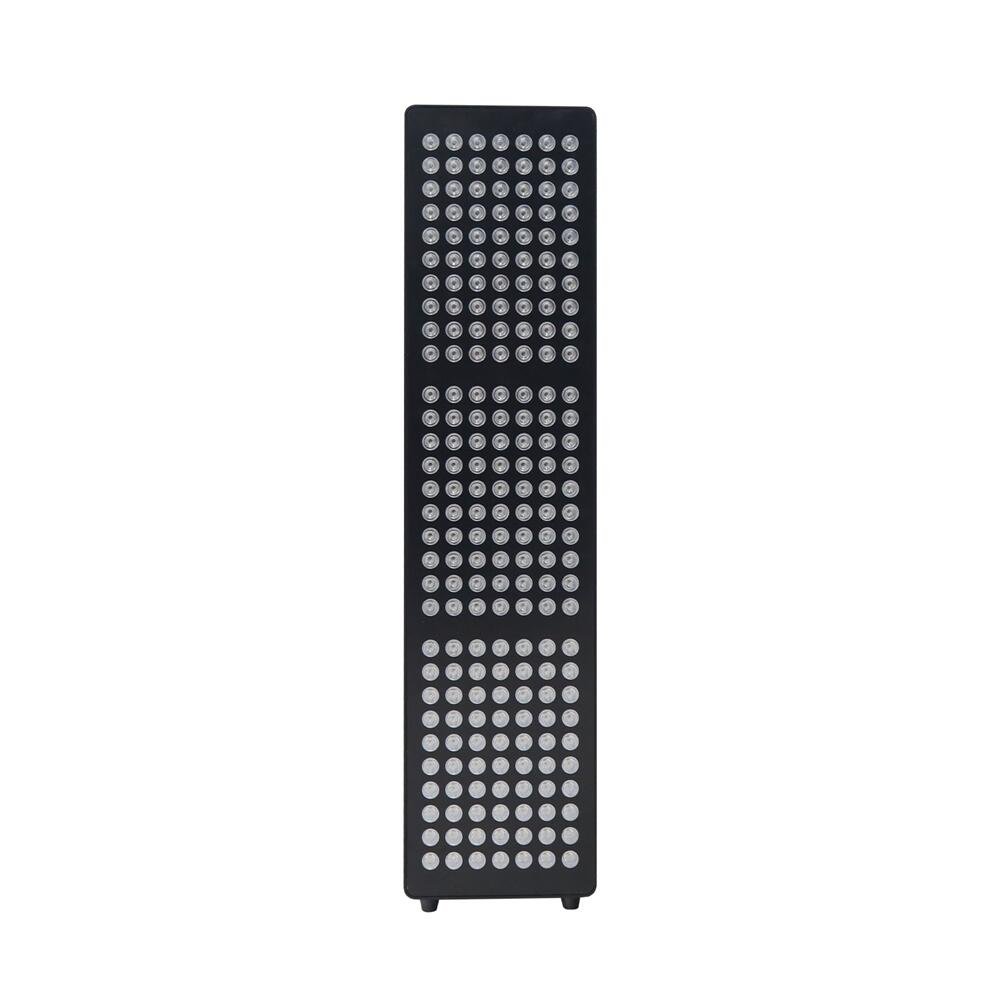
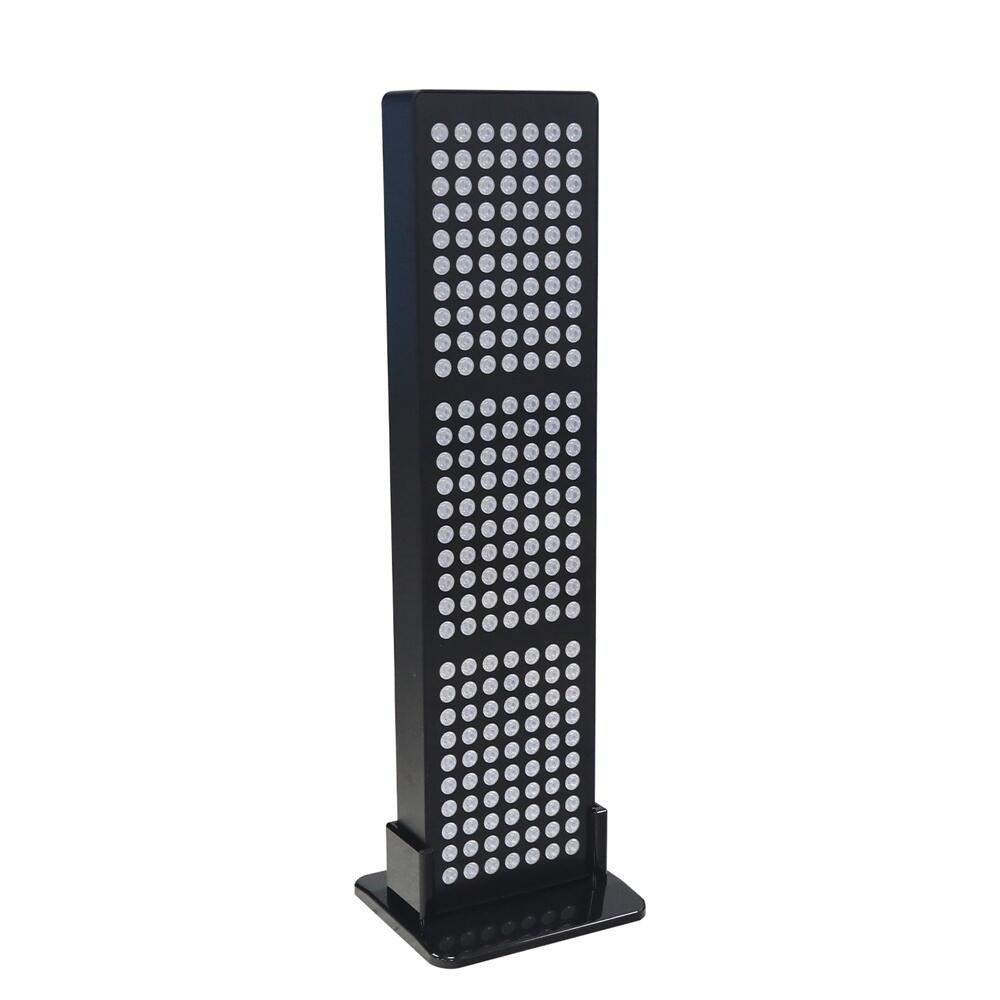
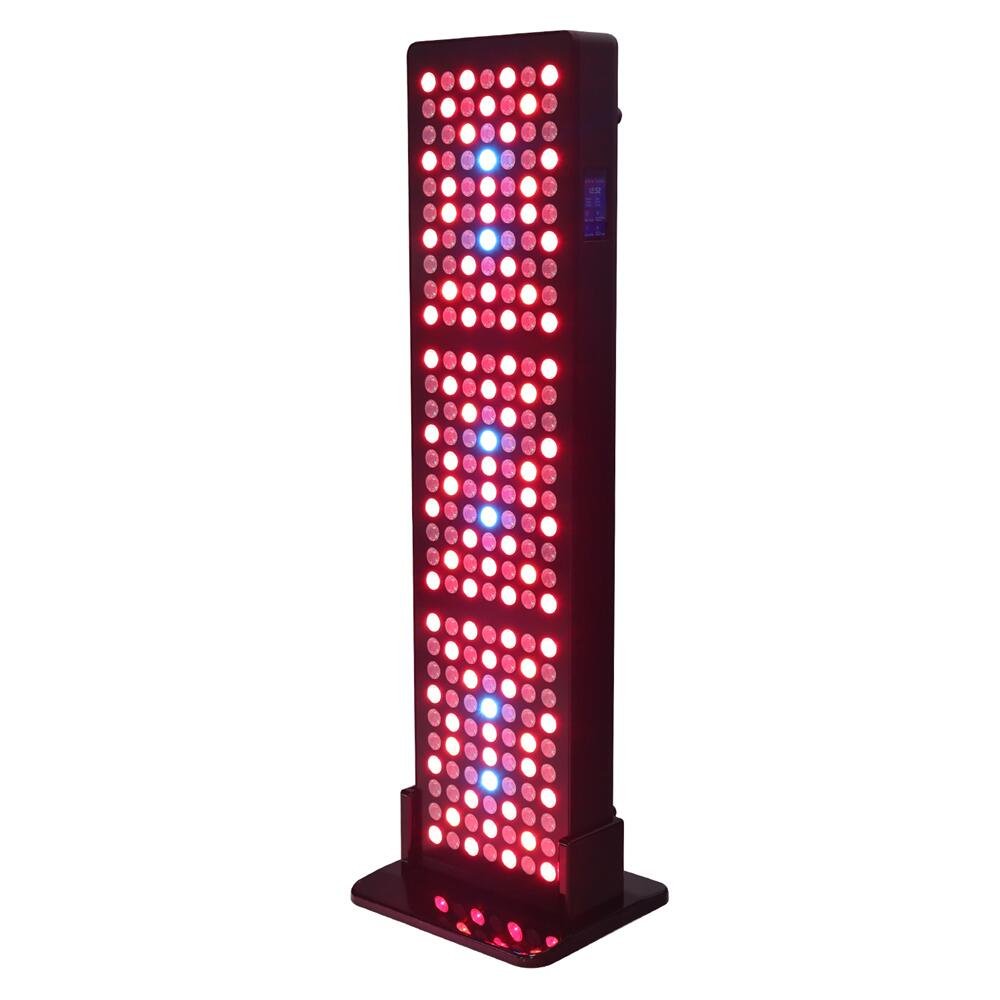
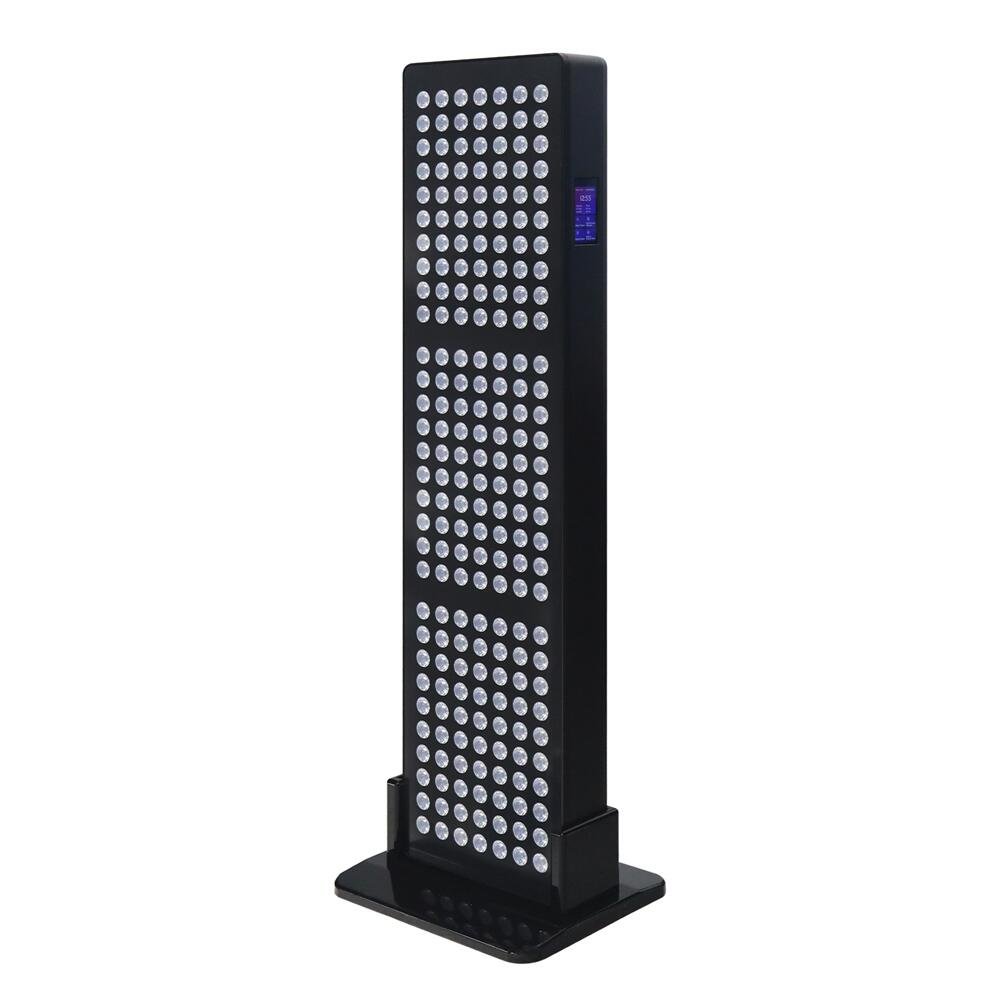
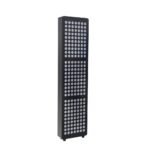
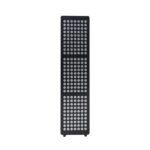
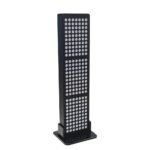
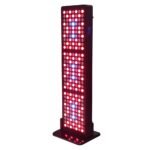
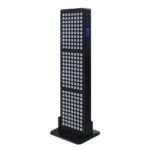
EL210 is a professional red light therapy stand panel designed for wellness centers, fitness recovery rooms, spa spaces, beauty clinics, recovery studios, rehabilitation-related environments, and premium wellness rooms.
This model uses a multi wavelength design:
• 480nm
• 630nm
• 660nm
• 810nm
• 830nm
• 850nm
• 940nm
How the wavelengths work:
• 480nm blue light
Often used in beauty care and skin-focused product positioning, depending on the final application and market requirements.
• 630/660nm red light
Commonly used for surface-level wellness, skin appearance support, facial care, and beauty-focused applications.
• 810/830/850/940nm near-infrared light
Invisible to the human eye and used when deeper light penetration is required for muscle recovery support, joint comfort, and recovery-focused wellness programs.
The device supports multiple working modes:
• Red
• NIR
• Blue
• Red + NIR
• Red + Blue
• NIR + Blue
• Red + NIR + Blue
Compared with compact desktop panels, this professional red light therapy stand panel offers a taller light coverage area, stronger output, and better flexibility for treatment-room setup. It can work as a standalone red light therapy device or as part of a wider led light therapy device product range for wellness, recovery, beauty, and professional service environments.
Key Metrics to Consider
—
To ensure you are purchasing a genuinely professional-grade panel rather than a low-powered consumer alternative, verify the following specifications:
• Irradiance: Look for panels providing at least >100 mW/cm² at a standard treatment distance (typically 6 inches). Higher irradiance ensures your cells receive a therapeutic dose of energy within a 10 to 20-minute window.
• Wavelength Customization: Professional treatments often require a blend of visible red light (630nm–660nm) for skin surface rejuvenation and near-infrared light (810nm–850nm+) to penetrate deeper into muscles, joints, and bones.
• EMF and Flicker Mitigation: Clinical environments require devices engineered with shielded internal components and advanced drivers to guarantee near-zero EMF emissions and flicker-free operation at close range.
To help me recommend or narrow down the best configuration for you, please let me know:
• Will this be used for a commercial business/clinic or for advanced personal home use?
• What are your primary health goals (skin care, muscle recovery, or chronic pain management)?
• Do you prefer a compact desktop panel or a massive full-body setup?
Technical Specifications
—
| Item | Specification |
|---|---|
| Model | EL210 |
| Color | Black |
| LED Quantity | 210 pcs |
| Power Consumption | 315W |
| Output Power | 300W |
| Wavelengths | 480 / 630 / 660 / 810 / 830 / 850 / 940nm |
| Beam Angle | 30° |
| Irradiance at 3” / 6” / 9” / 12” / 15” / 18” | 100 / 77 / 69 / 60 / 53 / 46 mW/cm² |
| Energy at 3” / 6” / 9” / 12” / 15” / 18” | 0.1 / 0.077 / 0.069 / 0.06 / 0.053 / 0.046 J/cm² per second |
| Pulse | 0–10000 |
| Timer | 30 min |
| Dimmer | 0–100% |
| Working Modes | Red / NIR / Blue / Red + NIR / Red + Blue / NIR + Blue / Red + NIR + Blue |
| Preset Modes | 6 types |
| Synchronous Working | No |
| Input Voltage | 90–240V |
| Max Current | 2.5A |
| EMF Emission | 0 |
| Flicker | No |
| Material | Aluminum |
| Cooling Fans | 2 pcs |
| LED Lifespan | 100,000 hours |
| Working Temperature | -25°C to +65°C |
| Working Humidity | 15–90% RH |
| Accessories | Standard + Hanging Kit |
| Warranty | 3 years |
| Product Size | 87.6 × 21.6 × 7.1 cm |
| Unit Packaging Size | 102 × 15.2 × 30 cm |
| Net Weight | 9.2 kg |
| Gross Weight | 11.5 kg |
| Remote Control | Yes |
| Bluetooth & APP | No |
| Sound Level at 15cm | 45 dB |
| IP Level | IP21 |
Simple positioning:
| Product Need | Fit |
|---|---|
| Professional red light therapy stand panel | Suitable |
| Medium treatment-room setup | Suitable |
| Spa or beauty treatment room | Suitable |
| Fitness recovery space | Suitable |
| Wellness studio or clinic room | Suitable |
| Private label red light therapy product | Suitable |
| Compact desktop use | Better to choose a smaller model |
| Full-body coverage | Better to choose a larger panel |
Applications
—
This panel is suitable for professional spaces that need stronger coverage than a desktop unit, but do not require a full-body system. It works well in wellness, beauty, recovery, fitness, and private label product programs.
| Application Area | How It Can Be Used |
|---|---|
| Wellness Centers | Private treatment rooms, recovery rooms, member wellness services |
| Fitness Recovery Facilities | Post-workout recovery zones, shoulder, back, waist, and leg support |
| Spas & Beauty Clinics | Facial rooms, body care rooms, beauty-focused wellness services |
| Recovery Studios | Targeted recovery support and professional wellness setups |
| Rehabilitation-Related Spaces | Controlled wellness rooms and recovery-support applications |
| Yoga & Pilates Studios | Post-class wellness rooms and private session add-ons |
| Premium Home Wellness | Larger personal wellness setups and home recovery areas |
| OEM / Private Label | Branded professional led light therapy device product programs |
For professional service spaces, this model helps create a more serious treatment-room experience without taking up the space of a large full-body panel.
For product brands, it can work as a middle-size red light therapy product between compact home devices and larger commercial systems.
What’s Inside
—
A standard package usually includes:
• Red light therapy LED panel
• Power cable
• Remote control
• User manual
• Protective packaging
• Standard accessories
• Hanging kit
For private label and custom projects, packaging and documentation can be adjusted based on market needs.
Optional support may include:
• Logo customization
• Neutral packaging
• Custom color box
• Product label design
• User manual customization
• Outer carton design
• Barcode and SKU support
• Market-specific documentation support
• Sample support before bulk order
For professional panel projects, we can also discuss:
• Installation method
• Stand or hanging structure
• Room size and treatment distance
• Plug type
• Usage environment
• Packaging and shipping protection
• Product positioning for different sales channels
The final package and configuration can be confirmed based on order quantity, installation method, target market, and branding requirements.
FAQ
—
1. Why Red Light Helps More Than Blue Light at Night?
Blue light tells the brain that it is still daytime. This may keep the body more alert and may suppress natural melatonin signals.
Red and near-infrared light are different. They are less disruptive to the body’s natural sleep rhythm and may help the body shift into a calmer, more relaxed state before bed.
For users, this makes red light therapy a better option for a nighttime wind-down routine than screens, bright white light, or blue-heavy lighting.
2. How do I use sleep mode to wind down my brain at night?
Sleep mode is best used as part of a quiet bedtime routine.
A practical routine is to use red light therapy around 30–60 minutes before bed for about 10–20 minutes. During this time, avoid phones, TVs, bright screens, and stressful tasks.
The goal is not to force sleep immediately. The goal is to help the body slow down and move into a more relaxed “rest and digest” state.
3. Does It Help You Stay Asleep or Just Fall Asleep?
Red light therapy may help with both, depending on the user.
For people who feel mentally active at night, it may help the body relax and fall asleep more easily. For people who wake up often, it may support a calmer nighttime state and help maintain more continuous rest.
It should not be described as a cure for sleep problems. It is better positioned as a natural support tool for better bedtime habits and sleep quality.
4. Can Kids Use Red Light Therapy for Better Rest?Is It the Same Timing as Adults?
Children may use red light therapy as part of a calm bedtime routine, but it should be done with adult supervision and proper device guidance.
The timing can be similar to adults: about 10–20 minutes, around 30–60 minutes before bed. For children, the routine should stay gentle, simple, and comfortable.
It should not replace good sleep habits, such as a regular bedtime, reduced screen exposure, and a quiet sleep environment.
5. Should I Use Red Light Right Before Bed or an Hour Before?
A good timing is usually 30–60 minutes before bed.
Some users may prefer starting earlier, around 60–90 minutes before sleep, especially if they need more time to relax. Using it too late may not give the body enough time to fully wind down.
For best results, red light therapy should be combined with lower screen exposure and a calm evening routine.
6. Can Red Light Help with Jet Lag or Shift Work?
Red light therapy may help support circadian rhythm adjustment, especially when the body feels “wired but tired” after travel or schedule changes.
It is not a magic fix for jet lag or shift work, but it may help the body settle into a calmer state and support better rest when used at the right time.
For users with irregular schedules, timing matters. Red light therapy should be used as part of a broader sleep routine, including light management, consistent rest windows, and reduced blue-light exposure before sleep.
7. Does Red Light Therapy Increase Natural Melatonin Production?
Red light therapy should not be described as directly increasing melatonin like a supplement.
A more accurate explanation is that red light is less likely to suppress melatonin compared with blue light. This means it may help protect the body’s natural sleep signals instead of disrupting them.
For users, the main benefit is not forcing melatonin production. It is helping the body keep a more natural nighttime rhythm.
8. What are the main distribution channels for light therapy devices?
Light therapy devices are sold through a variety of channels depending on the product category and target market. Consumer devices are commonly sold through direct-to-consumer e-commerce (brand websites, Amazon, and other online marketplaces), as well as through retail chains in the health, beauty, and sports categories. Professional and clinical devices are typically distributed through specialist medical aesthetics distributors, physiotherapy equipment suppliers, or direct B2B sales. Some brands operate across both channels with separate product lines differentiated by power output, feature set, and price point. Choosing the right distribution model early on influences product positioning, packaging requirements, and compliance obligations.
9. How competitive is the light therapy device market, and how can a new brand differentiate itself?
The light therapy device market has become increasingly competitive as awareness and consumer demand have grown. Established brands, direct-from-factory sellers, and new private-label entrants all compete across similar product categories. Differentiation opportunities exist at multiple levels: product performance (verified irradiance, accurate wavelengths, superior build quality), brand positioning (clinical credibility, scientific backing, lifestyle alignment), user experience (ease of use, ergonomic design, app integration), compliance and certifications (CE, FCC, FDA clearance where applicable), and customer service and after-sales support. Brands that invest in genuine product quality, clear intended use positioning, and consistent marketing tend to build stronger long-term market positions than those competing on price alone.
10. What are the typical price tiers in the consumer light therapy device market?
The consumer light therapy market spans a wide price range. Entry-level handheld and facial devices typically retail between $50 and $150, targeting price-sensitive consumers or those new to the category. Mid-range devices — including quality LED face masks and compact panels — generally fall between $150 and $500, offering better performance, broader treatment area, and improved build quality. Premium and professional-grade panels and full-body systems range from $500 to several thousand dollars, targeting serious wellness enthusiasts, clinic operators, and high-value consumer segments. Understanding where your brand intends to compete on the price spectrum is a key input into product specification, manufacturing cost targets, and packaging decisions.