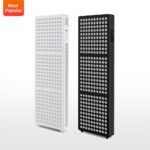
Overview
—
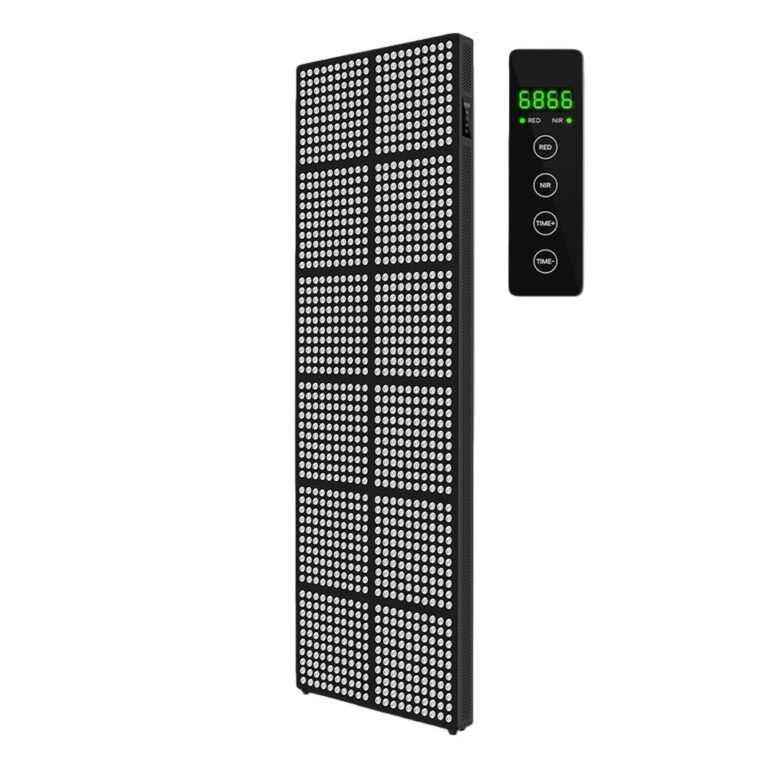
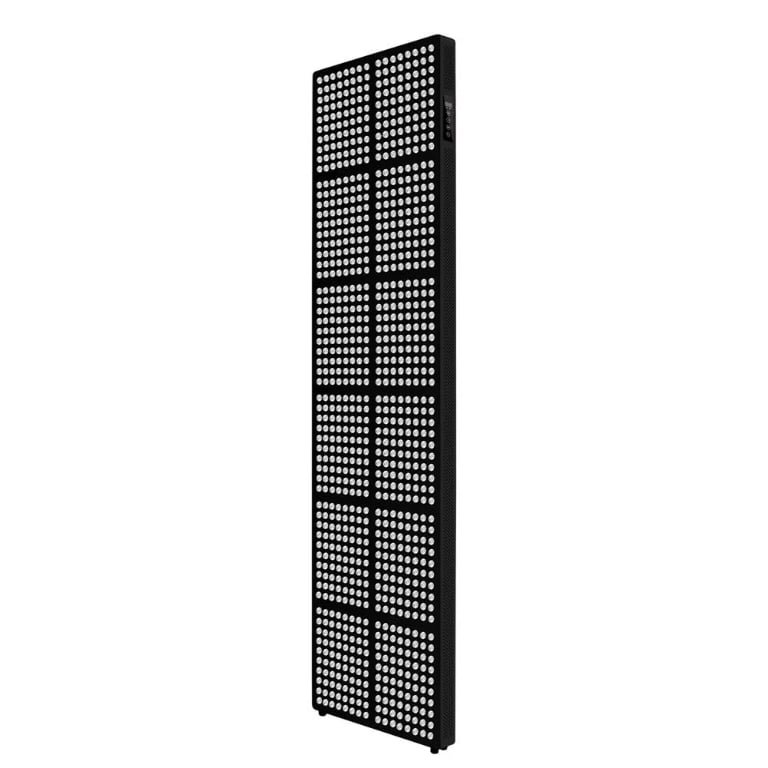
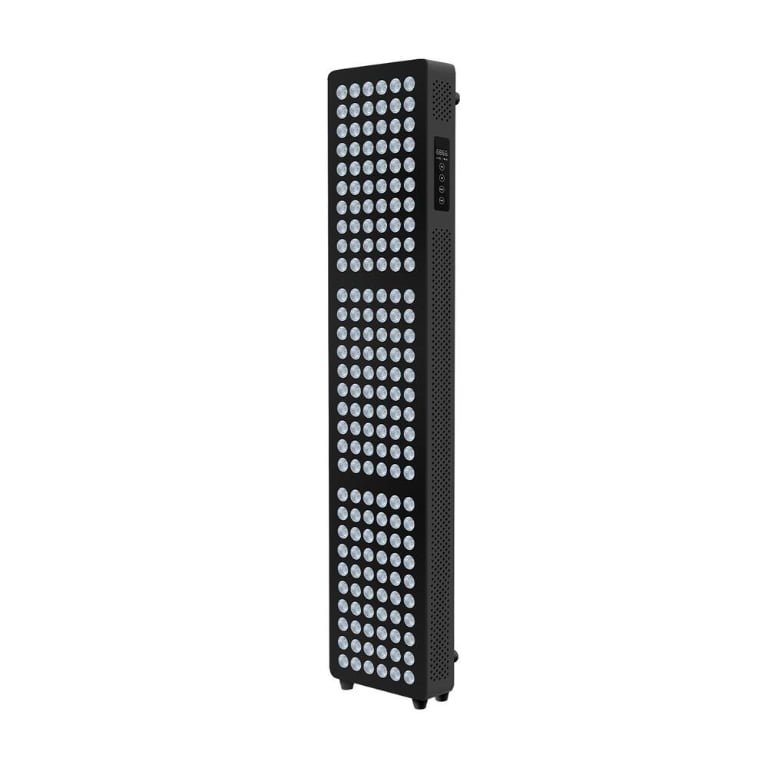
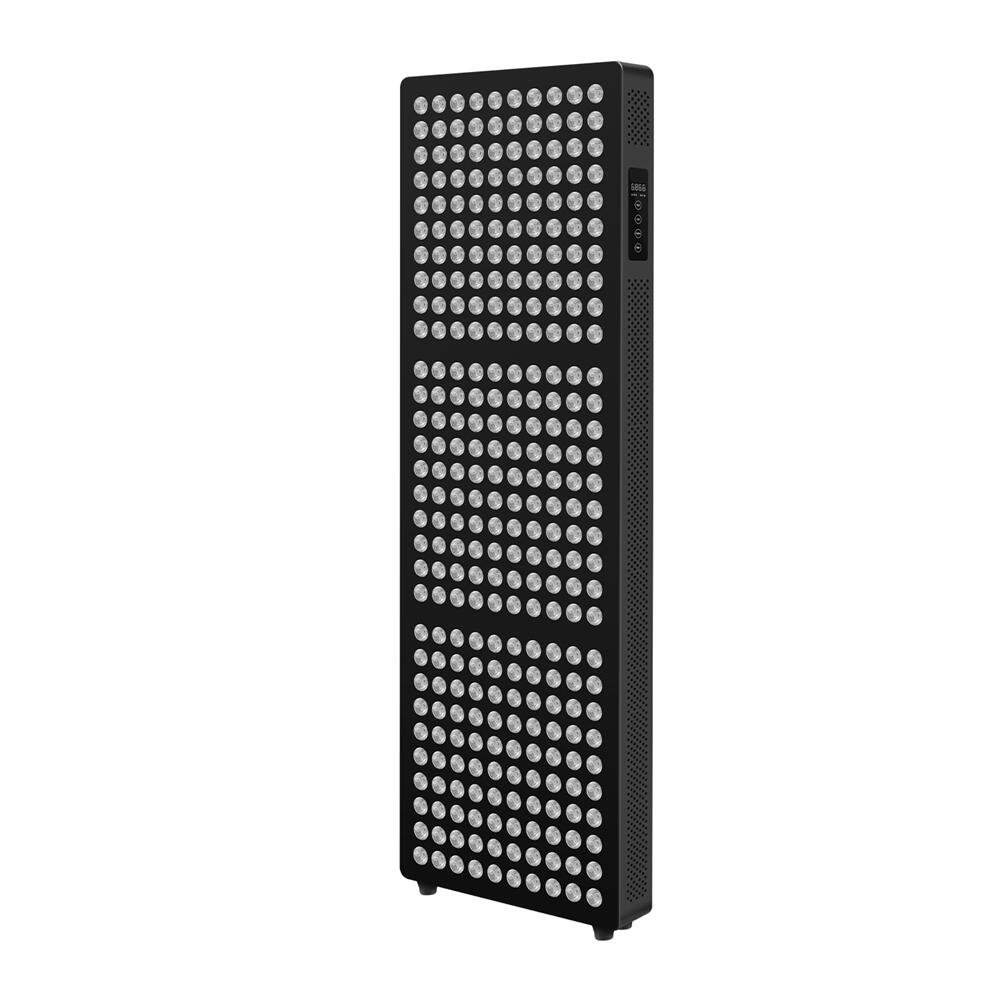
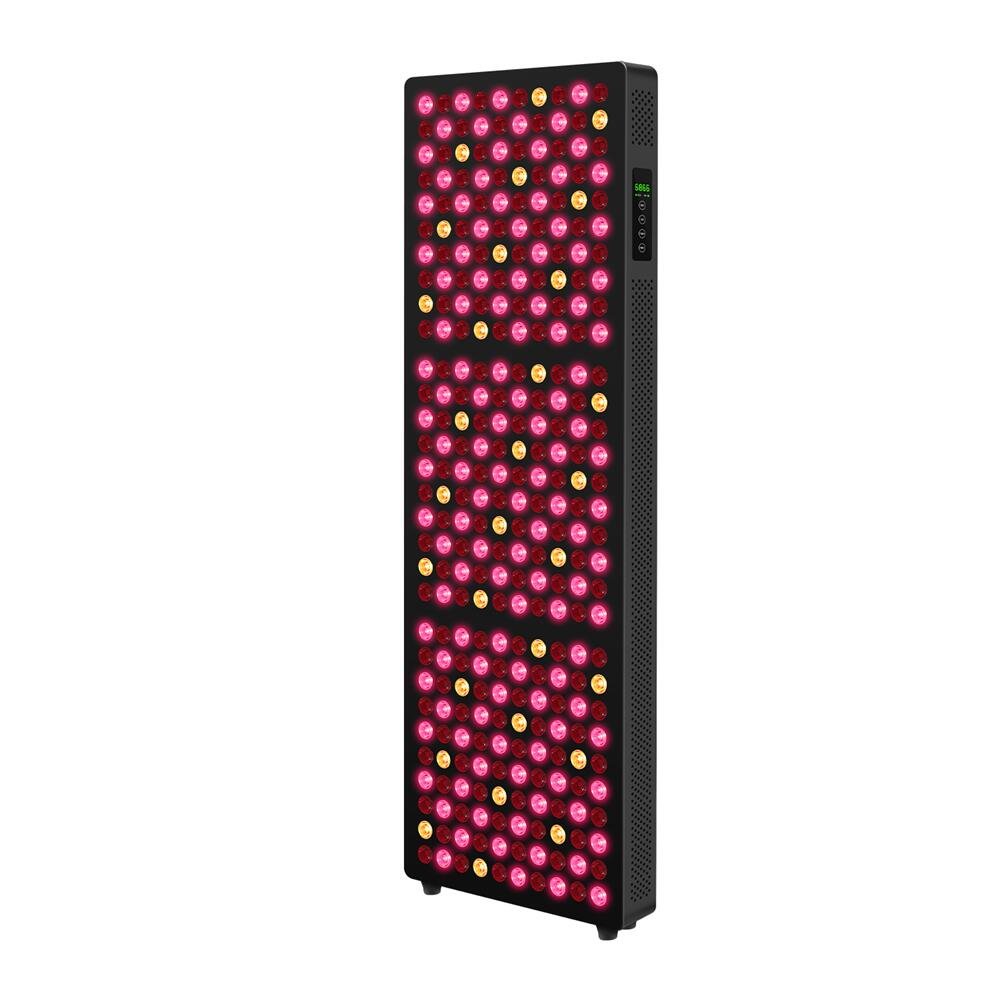
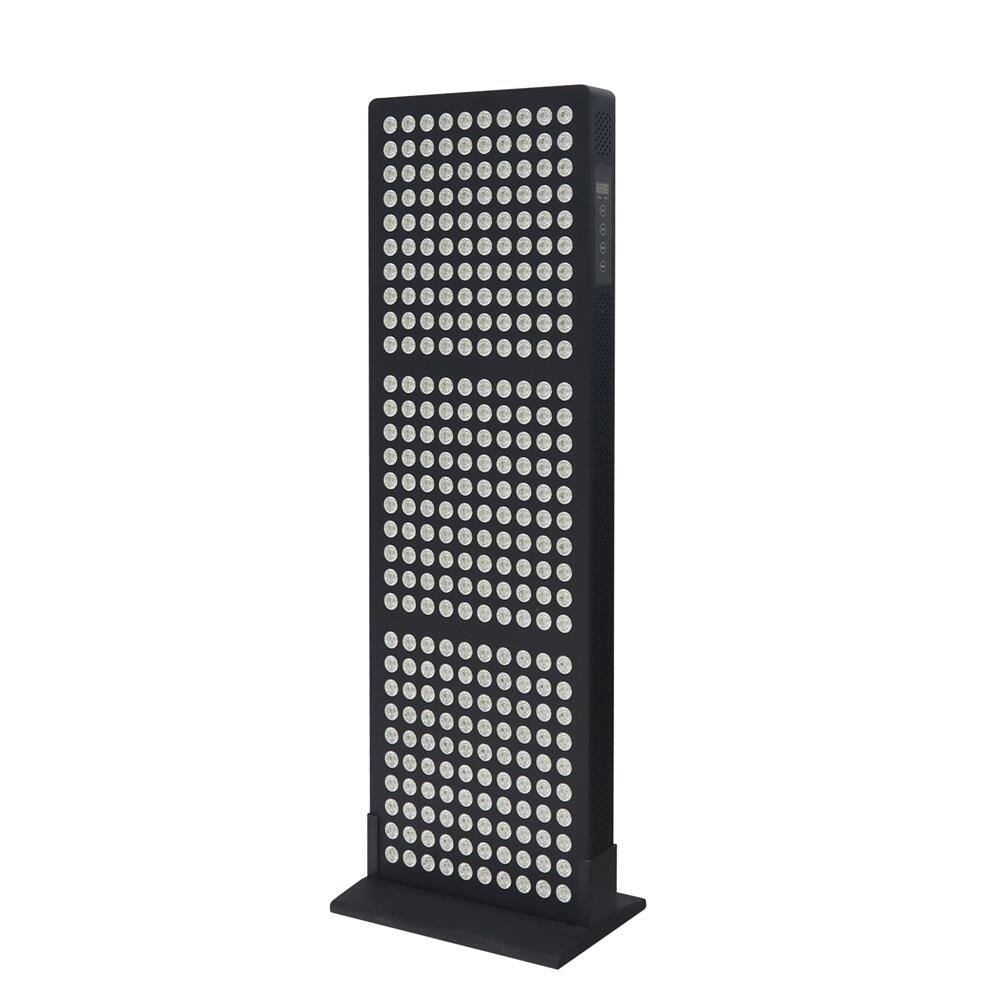
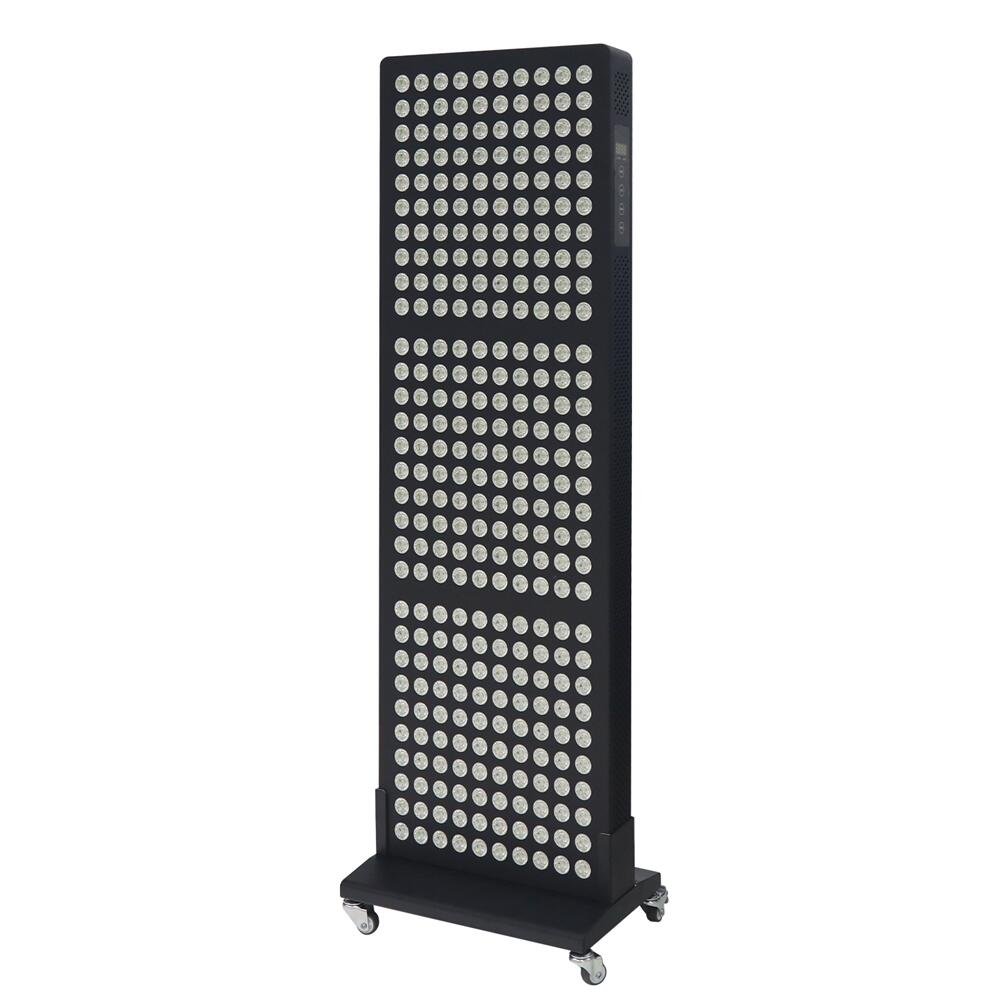
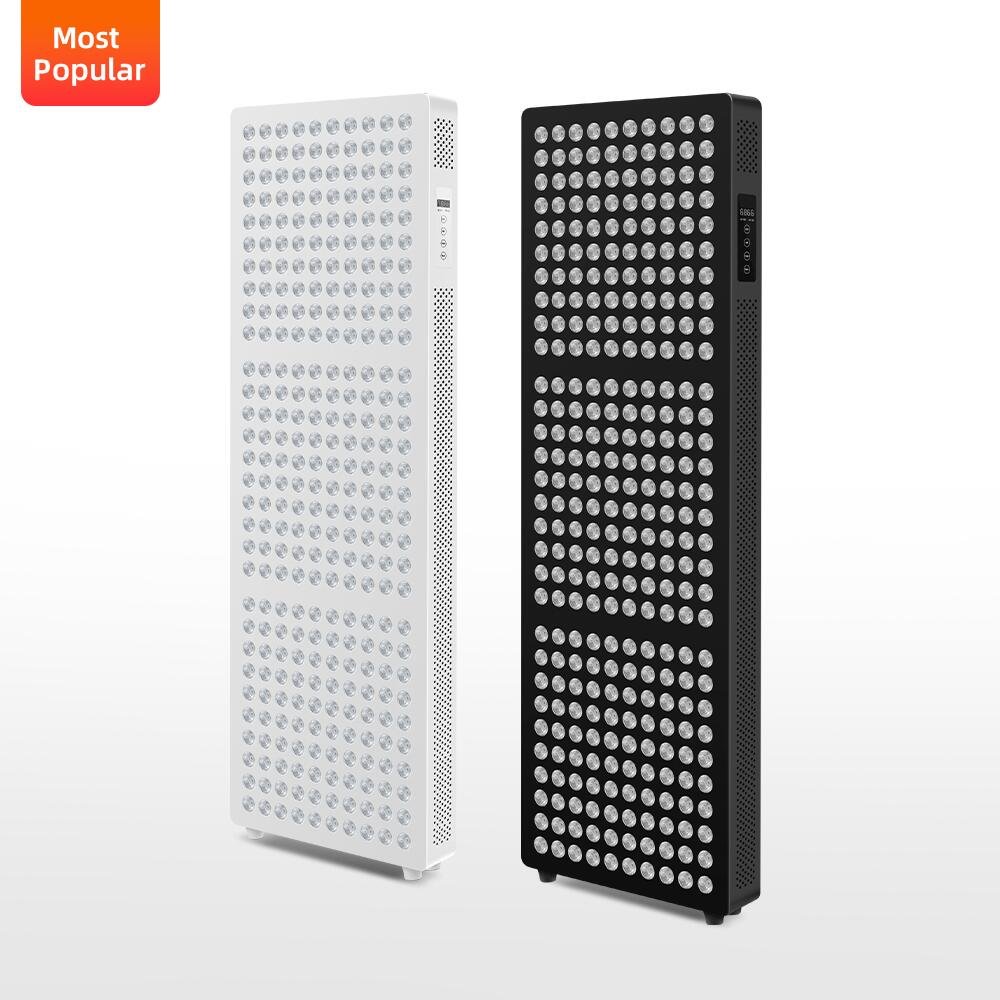
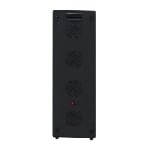
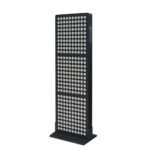
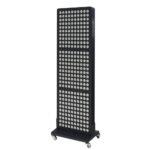
PL300 is a medium-size sauna red light therapy panel designed for wellness rooms, spa spaces, recovery studios, and sauna-related applications where a wider lighting area is needed.
It combines red light and near-infrared light in one LED light therapy device, making it suitable for both surface-level wellness applications and deeper light penetration needs.
How the wavelengths work:
• 630/660nm red light
Commonly used for skin appearance, beauty care, and surface-level wellness applications.
• 810/830/850nm near-infrared light
Invisible to the human eye and used when deeper light penetration is required for muscles, joints, and recovery-focused wellness programs.
The device supports three working modes:
• Red + NIR
• Red only
• NIR only
Compared with smaller panels, this model offers stronger coverage while still keeping the size manageable for installation, packaging, and daily operation. It can be used as a standalone red light therapy device or as part of a larger red light therapy product range.
For sauna applications, final installation should always consider temperature, humidity, ventilation, electrical safety, and the exact position of the panel inside or near the sauna room.
Key Factors for Sauna Integration
—
When selecting a red light therapy panel for a traditional, infrared, or tent sauna, look for these specific engineering requirements:
• Thermal Tolerance: The device must be rated for at least 150°F to 186°F depending on your sauna type.
• Waterproof Rating: An IP65 dust and moisture rating ensures the electronics are completely protected from heavy sweat, steam, and humidity.
• Fanless Construction: Standard cooling fans fail in high heat; sauna-safe units use heavy-duty aluminum heat sinks for passive dissipation.
• Wireless Control: A remote control is vital so you can safely adjust timers, pulsing modes, and light intensity while remaining seated on the bench.
Technical Specifications
—
| Item | Specification |
|---|---|
| Model | PL300 |
| Color | Black & White |
| LED Quantity | 300 pcs |
| Power Consumption | 430W |
| Output Power | 405W |
| Wavelengths | 630 / 660 / 810 / 830 / 850nm |
| Beam Angle | 30° |
| Irradiance at 3” / 6” / 9” / 12” / 18” | OL / 194 / 183 / 174 / 166 mW/cm² |
| Energy at 3” / 6” / 9” / 12” / 15” / 18” | 12.6 / 11.64 / 10.98 / 10.44 / 9.96 J/cm² per minute |
| Pulse | No |
| Timer | 30 min |
| Dimmer | No |
| Working Modes | Red + NIR / Red / NIR |
| Synchronous Working | Yes |
| Input Voltage | 90–240V |
| Max Current | 5A |
| EMF Emission | 0 |
| Flicker | No |
| Material | Steel |
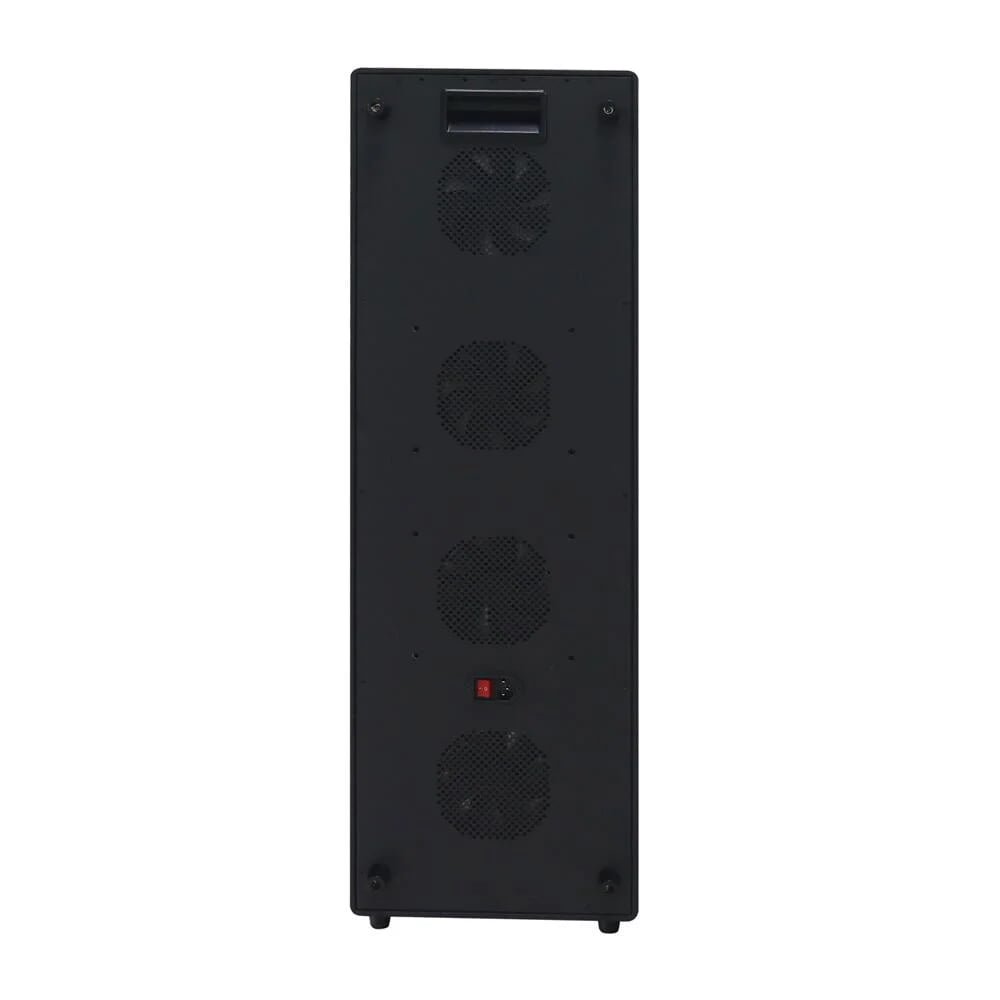
| Cooling Fans | 4 pcs |
| LED Lifespan | 100,000 hours |
| Working Temperature | -25°C to +65°C |
| Working Humidity | 15–90% RH |
| Accessories | Standard + Hanging Kit |
| Warranty | 2 years |
| Product Size | 91 × 29.8 × 6 cm |
| Unit Packaging Size | 103.2 × 14.7 × 38.3 cm |
| Net Weight | 8.7 kg |
| Gross Weight | 11 kg |
| Remote Control | Yes |
| Bluetooth & APP | No |
| Sound Level at 15cm | 45 dB |
| IP Level | IP21 |
Simple positioning:
| Product Need | Fit |
|---|---|
| Medium-size red light therapy product | Suitable |
| Sauna-related wellness application | Suitable with correct installation planning |
| Spa or wellness room setup | Suitable |
| Fitness recovery room | Suitable |
| Private label product line | Suitable |
| Small desktop use | Better to choose a smaller model |
| Full-body commercial setup | Better to choose a larger panel or multi-panel system |
Important note for sauna projects:
• This model should be installed according to the product manual and project requirements.
• For high-heat or high-humidity sauna rooms, the installation position, ventilation, ambient temperature, and moisture exposure must be reviewed before final use.
• For inside-sauna installation, please confirm whether the selected model and configuration match the actual sauna environment.
Applications
—
This panel is suitable for wellness spaces that need stronger treatment coverage and a more professional room presence. It can be used in sauna-related projects, spa rooms, recovery spaces, and private label product programs.
| Application Area | How It Can Be Used |
|---|---|
| Sauna Rooms | Sauna wellness upgrades, heat-and-light therapy concepts, room integration projects |
| Wellness Centers | Private recovery rooms, member wellness services, premium treatment spaces |
| Spas & Beauty Clinics | Beauty rooms, relaxation services, body care areas, premium spa packages |
| Fitness Recovery Facilities | Post-workout recovery zones, targeted muscle recovery support, recovery room upgrades |
| Yoga & Pilates Studios | Post-class wellness rooms and private session add-ons |
| Luxury Residential Wellness | Home sauna rooms, personal recovery spaces, private wellness rooms |
| Hospitality & Resorts | Spa suites, resort wellness rooms, relaxation lounges |
| OEM / Private Label | Branded sauna red light therapy panel and wellness product programs |
For sauna-related applications, the goal is not only to add a light panel into a hot room. The panel should match the room layout, treatment distance, user flow, ventilation, and electrical safety requirements.
For commercial spaces, a medium-size red light therapy panel in sauna or spa environments can help create a more complete wellness experience without requiring a large full-body installation.
What’s Inside
—
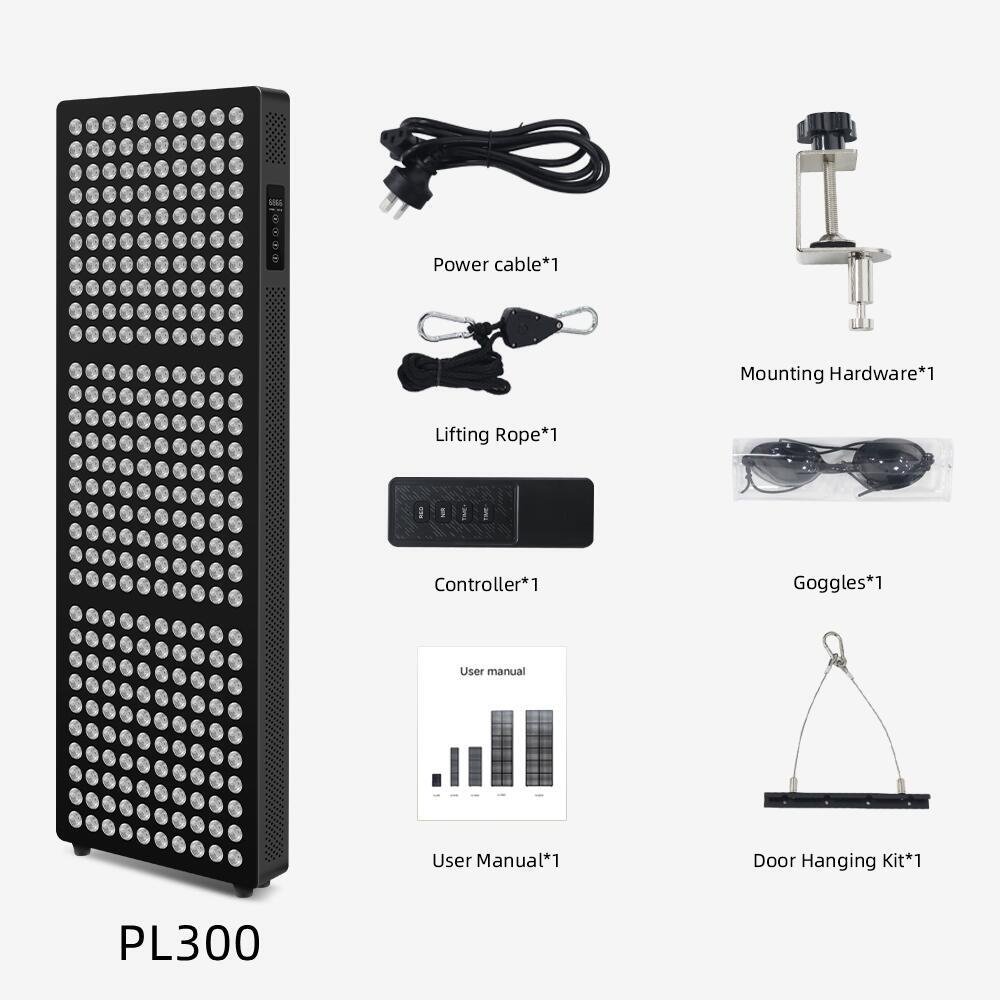
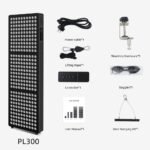
A standard package usually includes:
• Red light therapy LED panel
• Power cable
• Remote control
• User manual
• Protective packaging
• Standard accessories
• Hanging kit
For private label and custom projects, packaging and documentation can be adjusted based on market needs.
Optional support may include:
• Logo customization
• Neutral packaging
• Custom color box
• Product label design
• User manual customization
• Outer carton design
• Barcode and SKU support
• Market-specific documentation support
• Sample support before bulk order
For sauna application projects, we can also discuss:
• Installation method
• Room layout
• Usage environment
• Packaging requirements
• Target market positioning
• Model selection for different sauna room sizes
The final package and configuration can be confirmed based on order quantity, sales channel, installation method, and branding requirements.
FAQ
—
1. Are the lights safe for all ages?
Generally, yes. Red and near infrared light therapy are non-invasive and drug-free. Our lights are used by people of many ages. However, we advise consulting with your pediatrician before starting any new therapy. They will be able to provide personalized recommendations based on your child’s specific needs and health condition.
2. Can I use the light without a stand? Can I lay the light on its side?
Yes. Users often lean the panel against a wall, hang it over a door, or lie next to it on a yoga mat. Feel free to get creative!
3. Do I need to wear eye protection? Are the lights safe for my eyes?
The included goggles are optional. Light intensity, not wavelength, determines eye safety. Avoid staring directly into the LEDs and treat them as you would any bright light source. Many users close their eyes or look away during sessions.
4. What is the lifespan of the LEDs?
Our LEDs are rated for approximately 100,000 hours of use, which is around 15 years or more with normal use.
5. Do I need to replace the LEDs?
No. Our units use LEDs rather than traditional light bulbs, so the LEDs do not need to be routinely replaced. The average lifespan of the LEDs is approximately 100,000 hours, or around 15 years with normal use. Additionally, all of our lights include a full 3 year warranty, and we will replace the unit if it malfunctions for any reason during the warranty period.
6. Is red light therapy a legitimate fix for hair thinning?
Red light therapy may help support thinning hair, especially for common pattern hair thinning. It is not a quick cure, but it can be a real non-drug option for users who want to support healthier, fuller-looking hair over time. The key is consistency. Hair growth is slow, so users need to follow a regular routine for several months before judging the result.
7. Is 30 minutes of red light therapy too much?
Thirty minutes of red light therapy can be too much depending on the device. Most at-home devices (like masks or panels) have a therapeutic “sweet spot” of 10 to 20 minutes per area, 3 to 5 times a week. Exceeding 20 minutes can lead to diminishing returns or mild side effects like skin dryness, redness, and temporary fatigue.
8. What happens if I do red light therapy every day?
Using red light therapy (RLT) every day is generally considered safe, as it is non-invasive and lacks harmful UV rays. However, experts typically recommend moderation. While daily use can accelerate wound healing and pain relief, overusing it may actually reduce results or cause minor side effects.
9. What after-sales support do you provide to help us manage end-customer service?
We provide standard warranty coverage of 12-24 months depending on the product category andagreement terms. Our after-sales support includes technical troubleshooting assistance, spareparts supply, and formal failure analysis for returned units with written reports. For brand ownersoperating at scale, we can establish dedicated support protocols — including servicedocumentation, fault classification guides, and replacement part inventory programs — that allowyour team to resolve end-customer issues efficiently without routing every case back to us.Reducing your after-sales cost burden is a direct outcome of the way we build and document ourproducts.
10. What is OEM and ODM manufacturing, and which model is right for my business?
OEM (Original Equipment Manufacturer) refers to a manufacturing arrangement where the buyer provides the product design and specifications, and the manufacturer produces the product to those requirements. ODM (Original Design Manufacturer) refers to an arrangement where the manufacturer provides an existing product design or platform that the buyer can customize — typically with their own branding, color scheme, and packaging — without needing to develop a new design from scratch. ODM is generally faster to market and lower in upfront cost, making it well-suited for brands entering the market or testing a new category. OEM is appropriate for brands with specific performance requirements, proprietary features, or a desire for a fully differentiated product. Many clients begin with ODM and transition to OEM as their brand and order volumes grow.