Overview
—
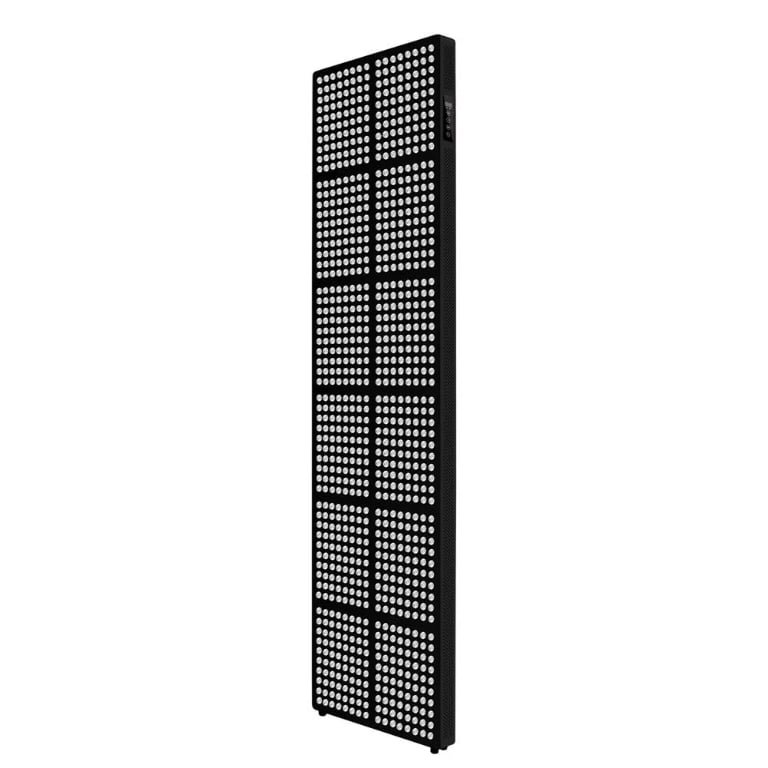
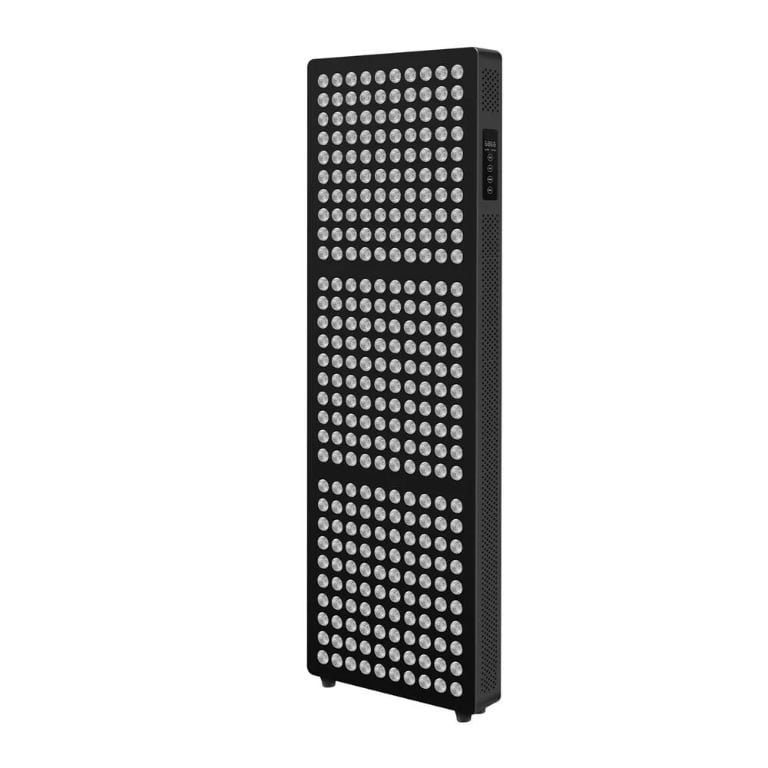
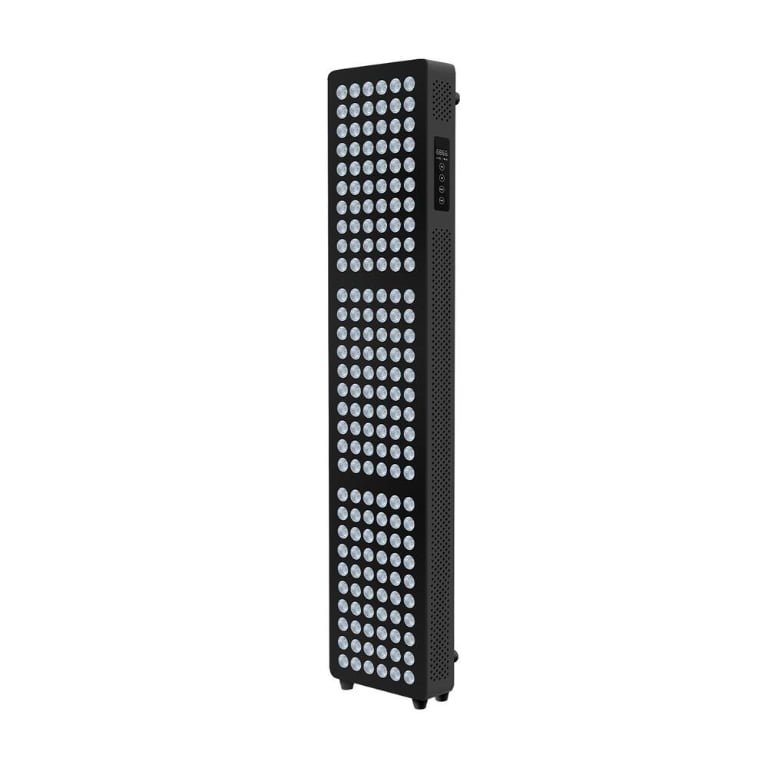
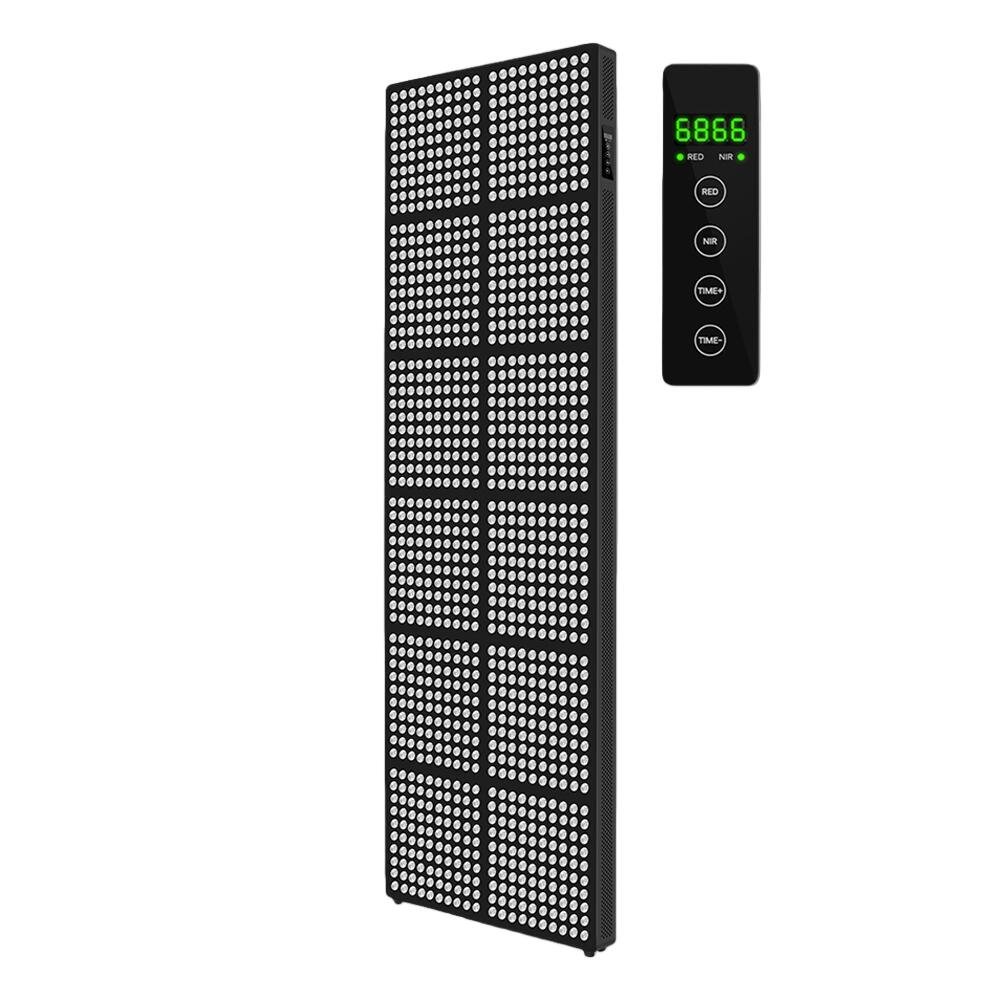
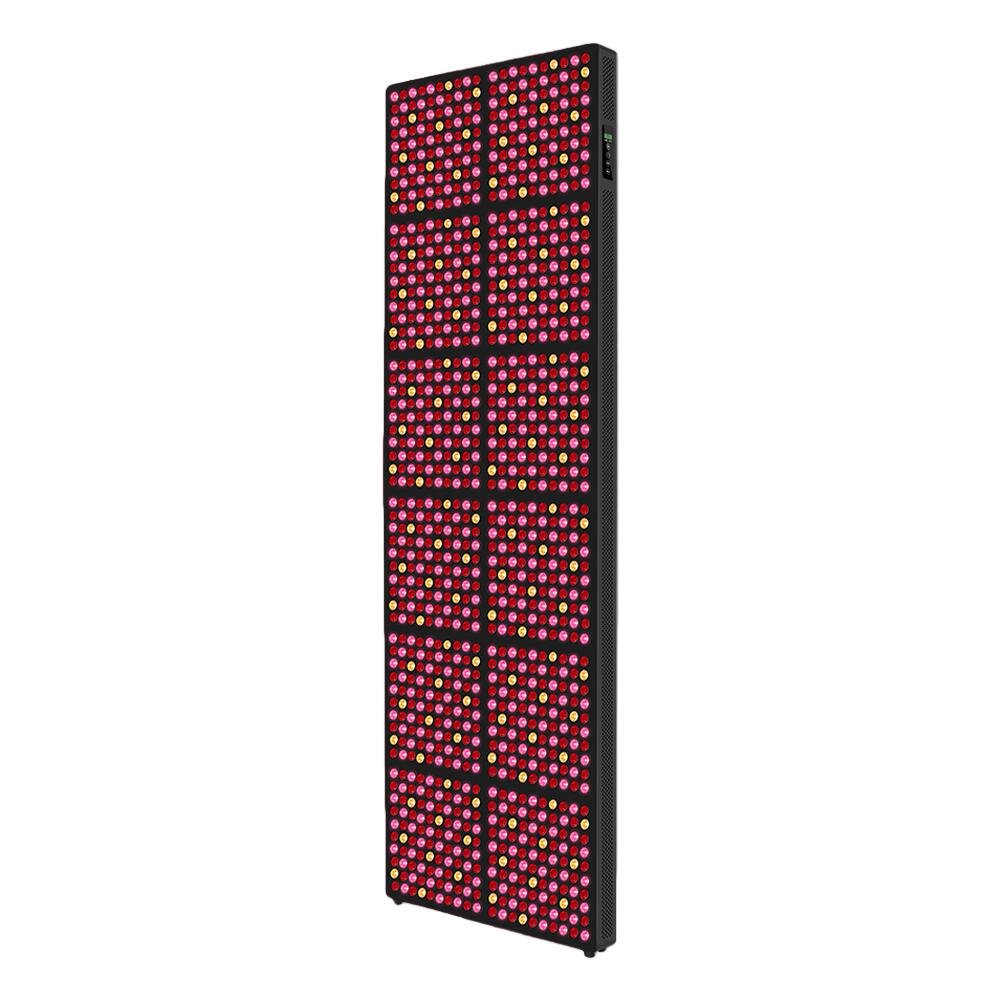
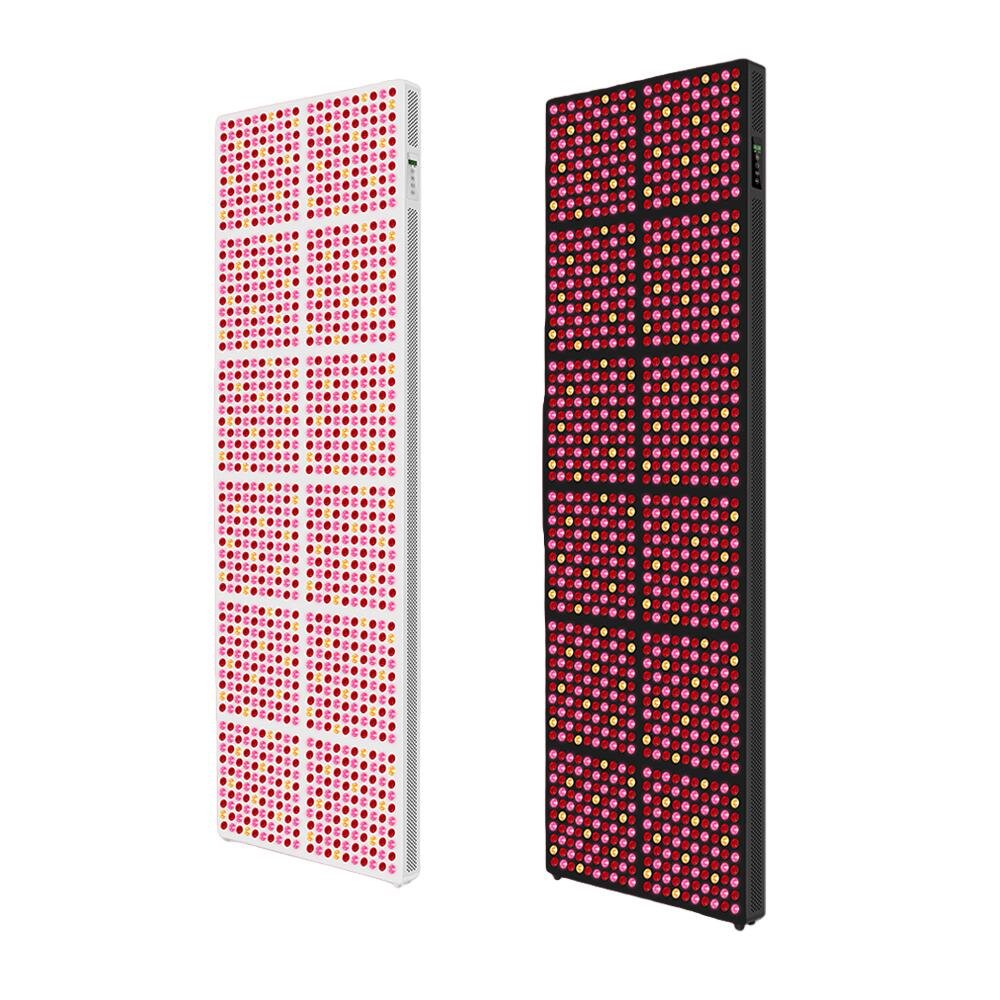
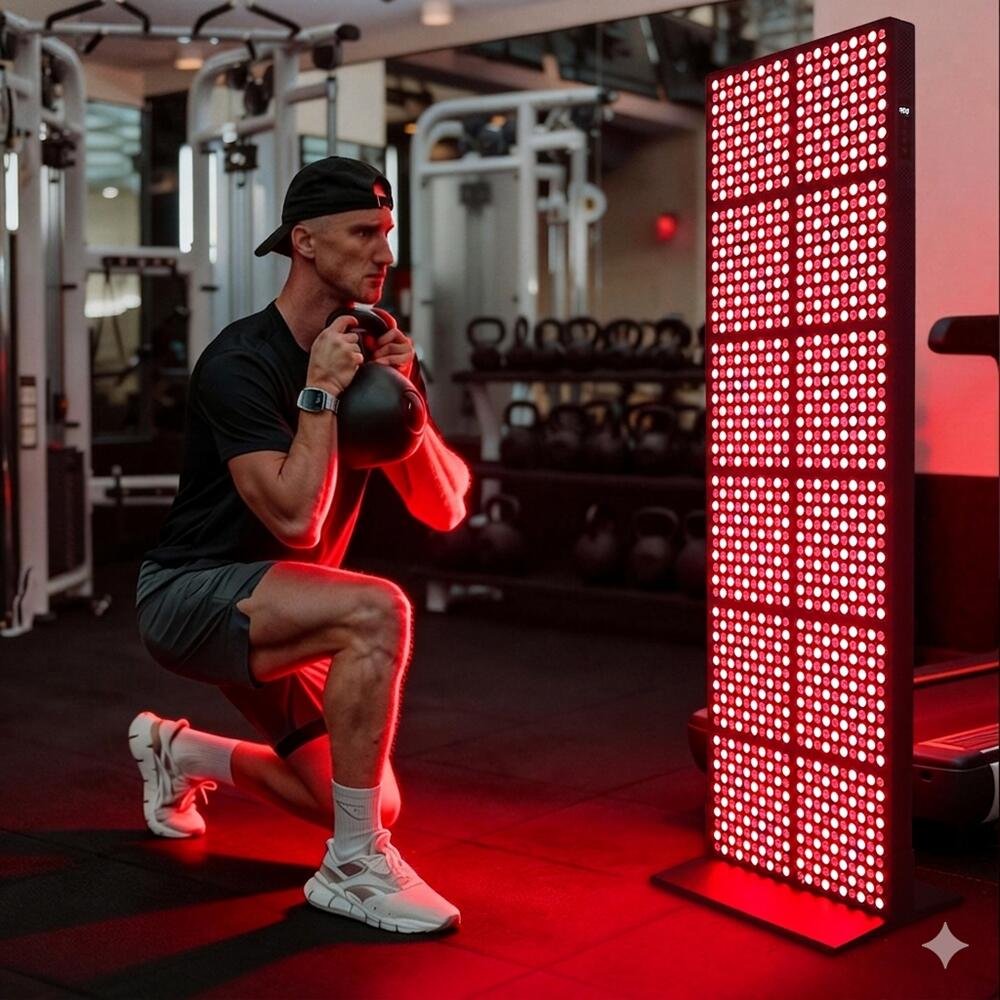
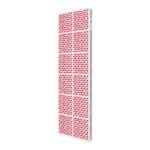
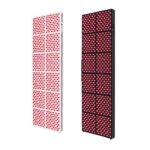
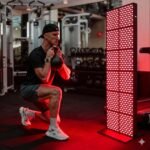
PL1200 is a large red light therapy full body panel designed for wide-area wellness, recovery, beauty, fitness, and professional treatment-room applications. It is built for spaces that need stronger coverage than a medium-size panel, without using several smaller units together.
This model uses a multi wavelength design:
• 630nm
• 660nm
• 810nm
• 830nm
• 850nm
How the multi wavelengths work:
• 630/660nm red light
Commonly used for surface-level wellness, beauty care, skin appearance support, and facial or body care applications.
• 810/830/850nm near-infrared (NIR) light
Invisible to the human eye and used when deeper light penetration is required for muscle recovery support, joint comfort, and general recovery-focused wellness programs.
The device supports three working modes:
• Red + NIR
• Red only
• NIR only
Compared with compact or medium panels, this whole body red light therapy panel offers a larger lighting surface, higher total output, and stronger room presence. It is suitable for wellness centers, recovery rooms, spa spaces, fitness facilities, premium home wellness rooms, and private label red light therapy product programs.
Key Factors to Evaluate
—
When shopping for a full-body setup, consider these technical specifications rather than manufacturer marketing claims:
• Wavelengths: Look for devices explicitly splitting light output between visible red (around 630nm–660nm) for surface skin collagen and invisible near-infrared (810nm–850nm) to penetrate deep into muscles and joints.
• Irradiance: This measures the power density of the light hitting your body. Top-tier medical panels typically deliver over 100 mW/cm² at a 6-inch distance, which is necessary to trigger significant cellular ATP production.
• EMF & Flicker Mitigation: Because you stand close to these high-powered electronics, confirm that the manufacturer provides low-EMF shielding (zero milligauss at treatment distance) and flicker-free drivers to protect your eyes and nervous system.
• Mounting & Stands: True full-body setups require stability. Check whether the panel includes heavy-duty door-hanging kits or if you need to budget for a specialized wheeled mobile floor stand for vertical positioning.
To help tailor a recommendation, what is your primary goal (e.g., muscle recovery, anti-aging, chronic pain) and what is your approximate budget or space setup?
Technical Specifications
—
| Item | Specification |
|---|---|
| Model | PL1200 |
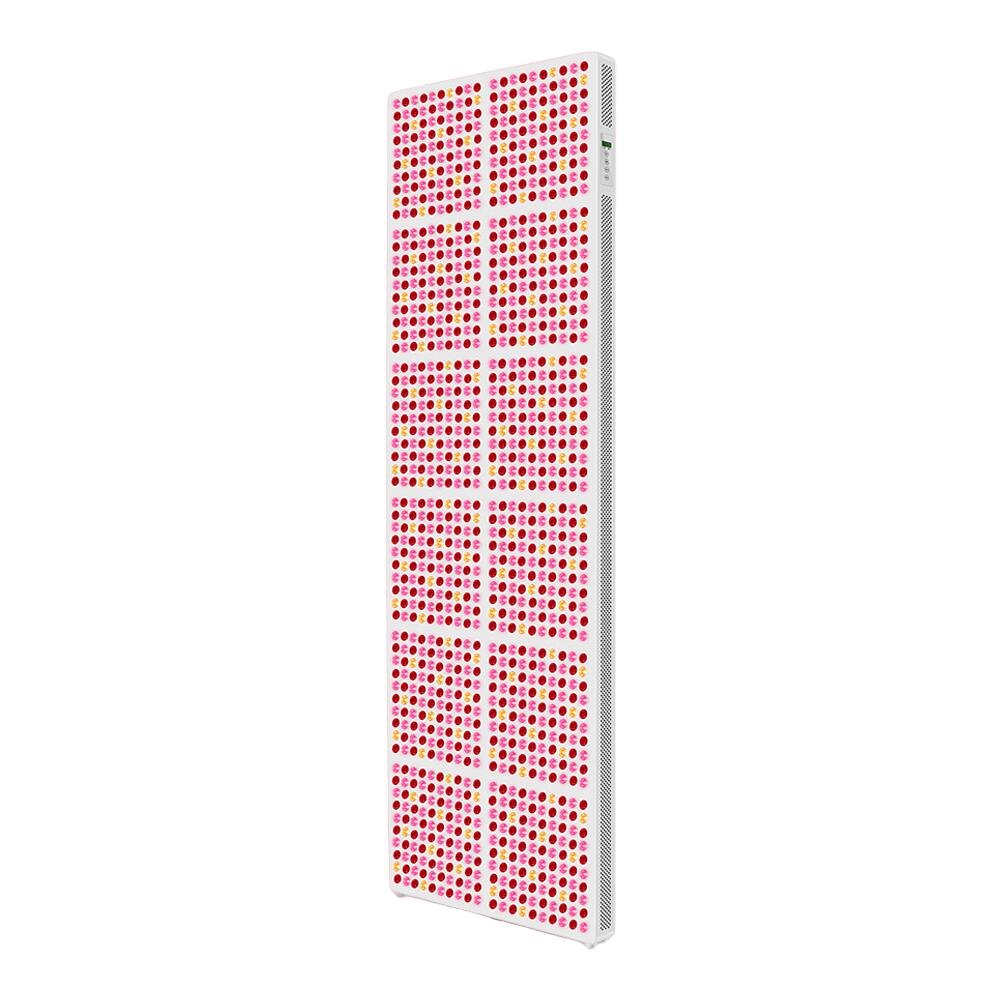
| Color | Black & White |
| LED Quantity | 1200 pcs |
| Power Consumption | 1800W |
| Output Power | 1710W |
| Wavelengths | 630 / 660 / 810 / 830 / 850nm |
| Beam Angle | 30° |
| Irradiance at 3” / 6” / 9” / 12” / 18” | OL / 207 / 190 / 180 / 168 mW/cm² |
| Energy at 3” / 6” / 9” / 12” / 15” / 18” | 12.6 / 11.64 / 10.98 / 10.44 / 9.96 J/cm² per minute |
| Pulse | No |
| Timer | 30 min |
| Dimmer | No |
| Working Modes | Red + NIR / Red / NIR |
| Synchronous Working | Yes |
| Input Voltage | 90–240V |
| Max Current | 18.5A |
| EMF Emission | 0 |
| Flicker | No |
| Material | Steel |
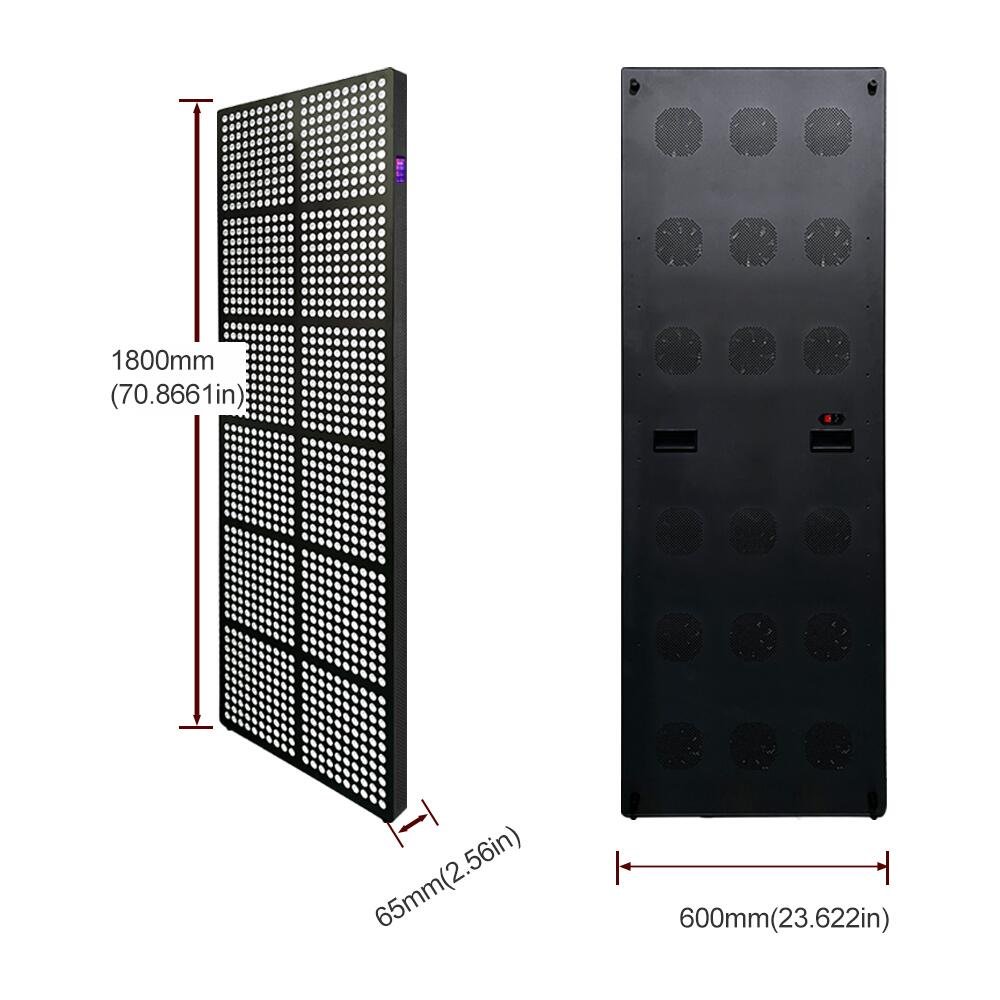
| Cooling Fans | 18 pcs |
| LED Lifespan | 100,000 hours |
| Working Temperature | -25°C to +65°C |
| Working Humidity | 15–90% RH |
| Accessories | Standard + Hanging Kit |
| Warranty | 2 years |
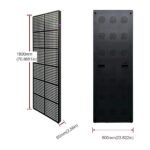
| Product Size | 180 × 58 × 6.5 cm |
| Unit Packaging Size | 193 × 13.5 × 65 cm |
| Net Weight | 36.9 kg |
| Gross Weight | 42.3 kg |
| Remote Control | Yes |
| Bluetooth & APP | No |
| Sound Level at 15cm | 45 dB |
| IP Level | IP21 |
Simple positioning:
| Product Need | Fit |
|---|---|
| Red light therapy panel full body setup | Suitable |
| Wide-area body coverage | Suitable |
| Wellness center room setup | Suitable |
| Fitness recovery space | Suitable |
| Spa or beauty treatment room | Suitable |
| Premium home wellness room | Suitable |
| Compact desktop use | Better to choose a smaller model |
| Modular multi-panel system | Can be discussed based on room layout |
Applications
—
This red light therapy panel for body applications is suitable for spaces that need larger coverage and a more professional setup. It works well in wellness, fitness, spa, beauty, recovery, and private label product programs.
| Application Area | How It Can Be Used |
|---|---|
| Wellness Centers | Full-body wellness rooms, recovery suites, member service upgrades |
| Gyms & Fitness Studios | Post-workout recovery rooms, athletic recovery zones, premium member areas |
| Spas & Beauty Clinics | Body care rooms, skin wellness programs, relaxation services |
| Recovery Studios | Larger treatment rooms, recovery-focused programs, professional wellness setups |
| Yoga & Pilates Studios | Post-class recovery rooms, private wellness sessions, studio service upgrades |
| Hospitality & Resorts | Spa suites, wellness lounges, luxury treatment rooms |
| Premium Home Wellness | Personal full-body recovery rooms and private wellness spaces |
| OEM / Private Label | Branded red light therapy body panel product programs |
For commercial spaces, the main advantage is efficiency. A larger red light therapy body panel can cover more area in one session, making the room experience more complete and professional.
For product brands, this model helps build a premium line together with smaller led light therapy device options.
What’s Inside
—
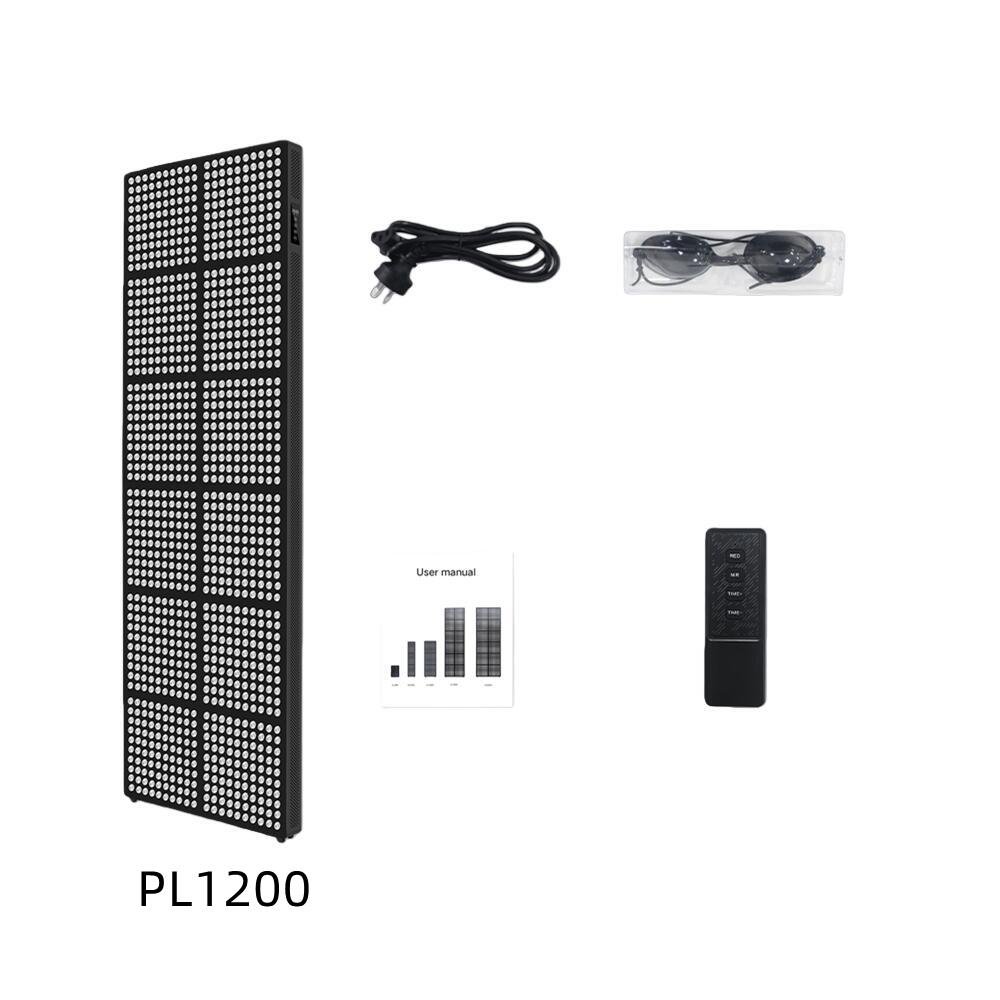
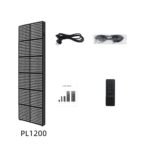
A standard package usually includes:
• Red light therapy LED panel
• Power cable
• Remote control
• User manual
• Protective packaging
• Standard accessories
• Hanging kit
For private label and custom projects, packaging and documentation can be adjusted based on market needs.
Optional support may include:
• Logo customization
• Neutral packaging
• Custom color box
• Product label design
• User manual customization
• Outer carton design
• Barcode and SKU support
• Market-specific documentation support
• Sample support before bulk order
For full-body panel projects, we can also discuss:
• Installation method
• Wall-mounted layout
• Optional stand requirements
• Room size and treatment distance
• Packaging and shipping protection
• Product positioning for different sales channels
The final package and configuration can be confirmed based on order quantity, installation method, sales channel, and branding requirements.
FAQ
—
1. What are the main benefits of red light therapy?
Red light therapy (RLT) uses low-wavelength red light to penetrate the skin, stimulating cellular energy (mitochondria) and promoting natural healing. It is widely used to boost collagen production, accelerate wound healing, reduce inflammation, relieve muscle and joint pain, and stimulate hair growth.
2. Can red light therapy cause cancer?
No, red light therapy does not cause cancer. It uses safe, non-ionizing light that cannot damage your DNA. Unlike ultraviolet (UV) rays from the sun or tanning beds, it does not mutate cells. In fact, it is often used medically to heal skin after cancer treatments.
3. What is the science behind hair regrowth with red light therapy?
The main idea is mitochondrial support. Red and near-infrared light may help follicle cells produce more ATP, which is the energy cells need to work properly.
It may also help reduce follicle-area inflammation and improve blood flow to the scalp. Together, these effects may support the hair growth cycle and help slow the miniaturization process, where hair gradually becomes thinner and weaker.
4. Is red light therapy real or a gimmick?
Red light therapy (RLT) is real science, not a gimmick, but it is heavily over-marketed as a cure-all. It relies on photobiomodulation—using low-level wavelengths of red and near-infrared light to stimulate the mitochondria in your cells, promoting healing and reducing inflammation.
5. How often should you use red light on your face?
For most people, using a red light therapy mask or device on your face 3 to 5 times per week is ideal. Each session should last about 10 to 20 minutes. Use this routine for 4 to 12 weeks to build up results in your cells. After that, do 1 to 2 sessions a week to maintain your progress. Consistency is more effective than daily use, as it gives your skin cells time to respond and repair.
6. Does red light therapy help with weight loss?
Red light therapy (RLT) can help with weight loss, but mostly as a body-contouring tool rather than a magic fix for the scale. It penetrates your skin to shrink fat cells. The fat releases out of the cells and your body flushes it away. It is most effective when combined with a calorie deficit, diet, and exercise.
7. Who should not use red light therapy?
People who are pregnant, have photosensitive conditions, take photosensitizing medications, have active cancer in the treatment area, or have seizure sensitivity to pulsed light should consult a healthcare professional before using red light therapy. For a fuller list, see contraindications for red light therapy.
8. Is red light therapy safe for the eyes?
Red and near-infrared light should not be directed into open eyes at high intensity. Quality face mask devices are designed for normal use conditions, but direct eye exposure to panels or high-output handheld devices should be avoided. When using panels, eye protection is often recommended.
9. What conditions is red light therapy used for?
Red light therapy is used in both clinical and at-home settings for goals such as skin rejuvenation, fine lines, acne routines, wound-healing support, muscle recovery, joint discomfort, hair growth, and general recovery practices. Evidence strength varies by application, device type, dose, and study quality, so it should not be treated as a substitute for medical care.
10. What is the difference between red light therapy and near-infrared therapy?
Red light, usually in the 630–660 nm range, is visible and is more relevant for skin and superficial tissue targets. Near-infrared light, usually in the 810–850 nm range, is invisible and penetrates more deeply into muscles, joints, connective tissue, and in some research applications, neural tissue. Many devices combine both to address different tissue depths in one session.