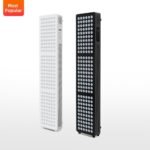
Overview
—
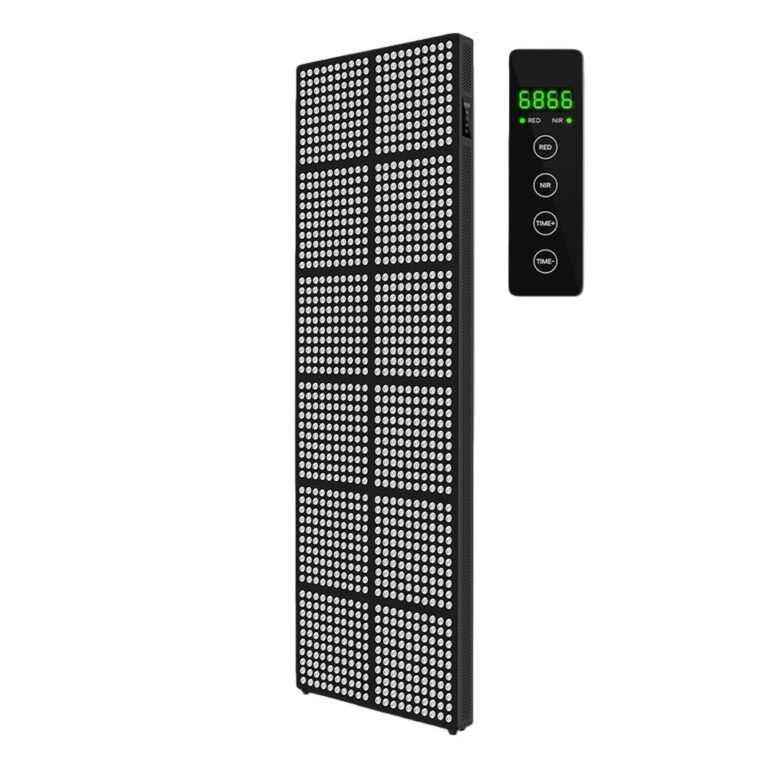
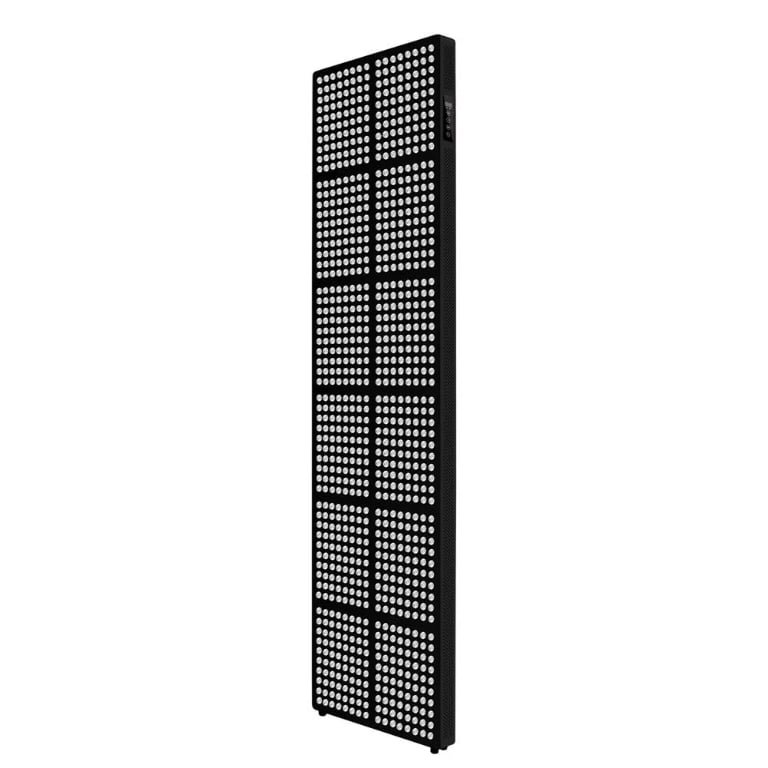
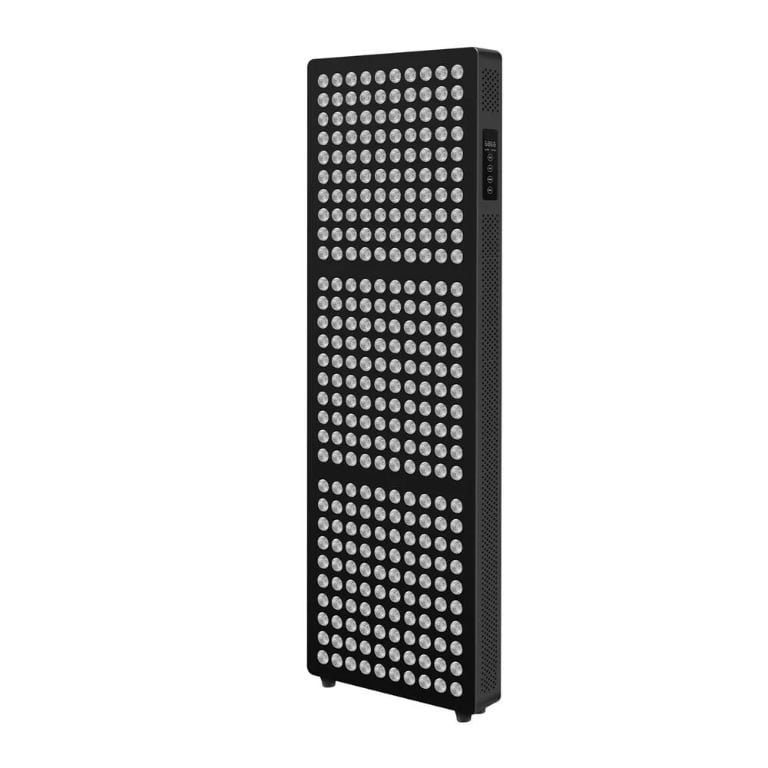
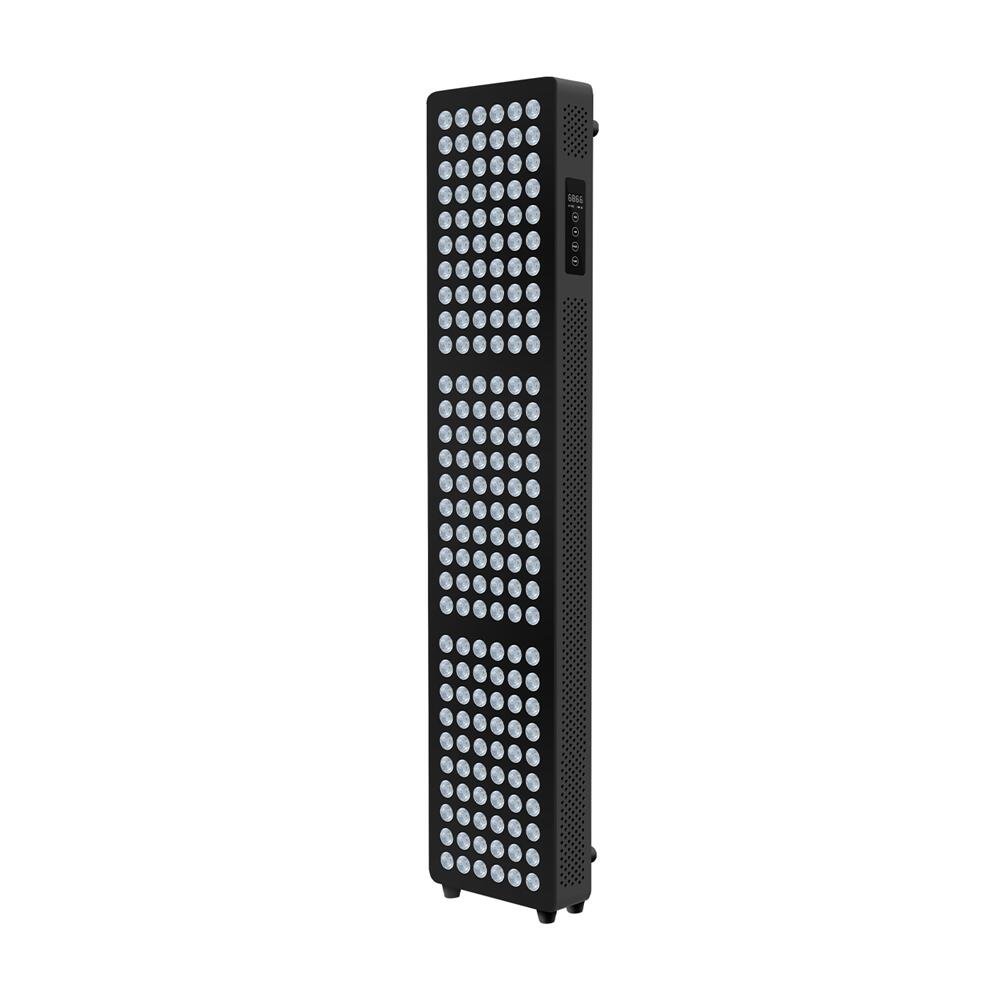
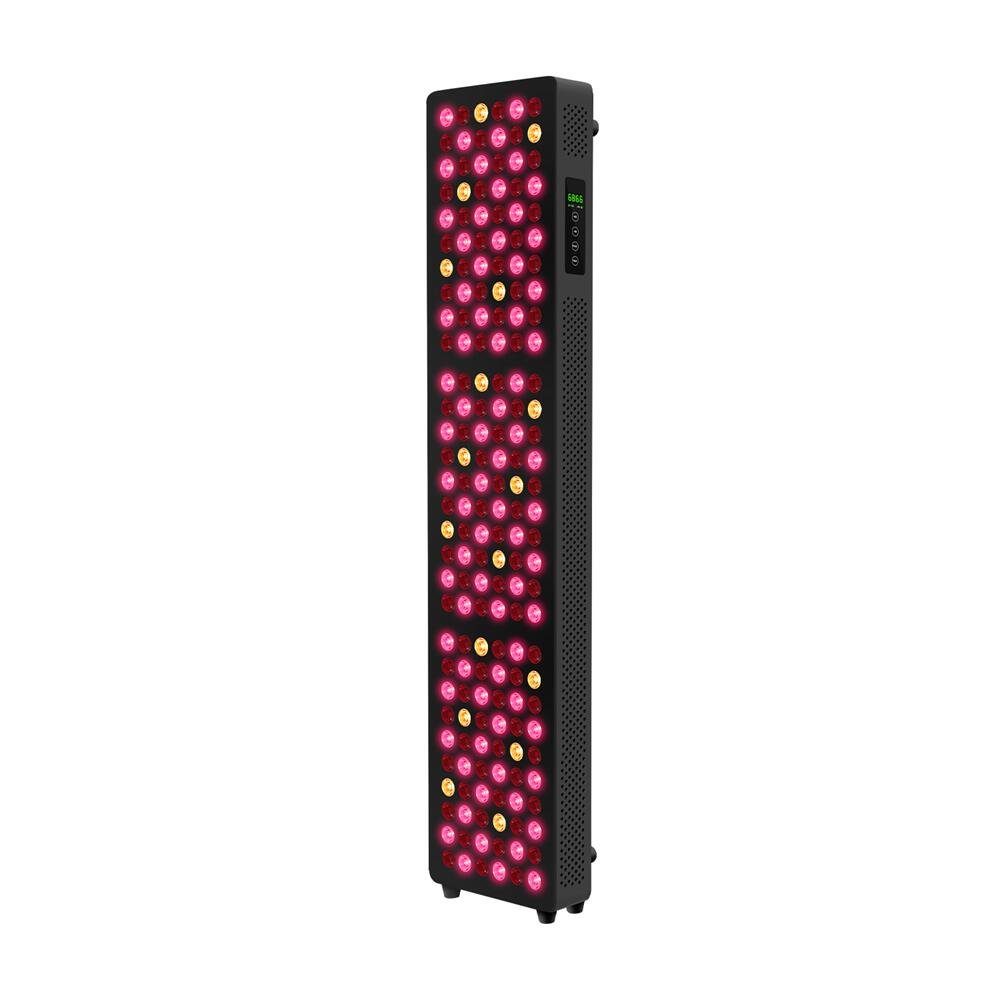
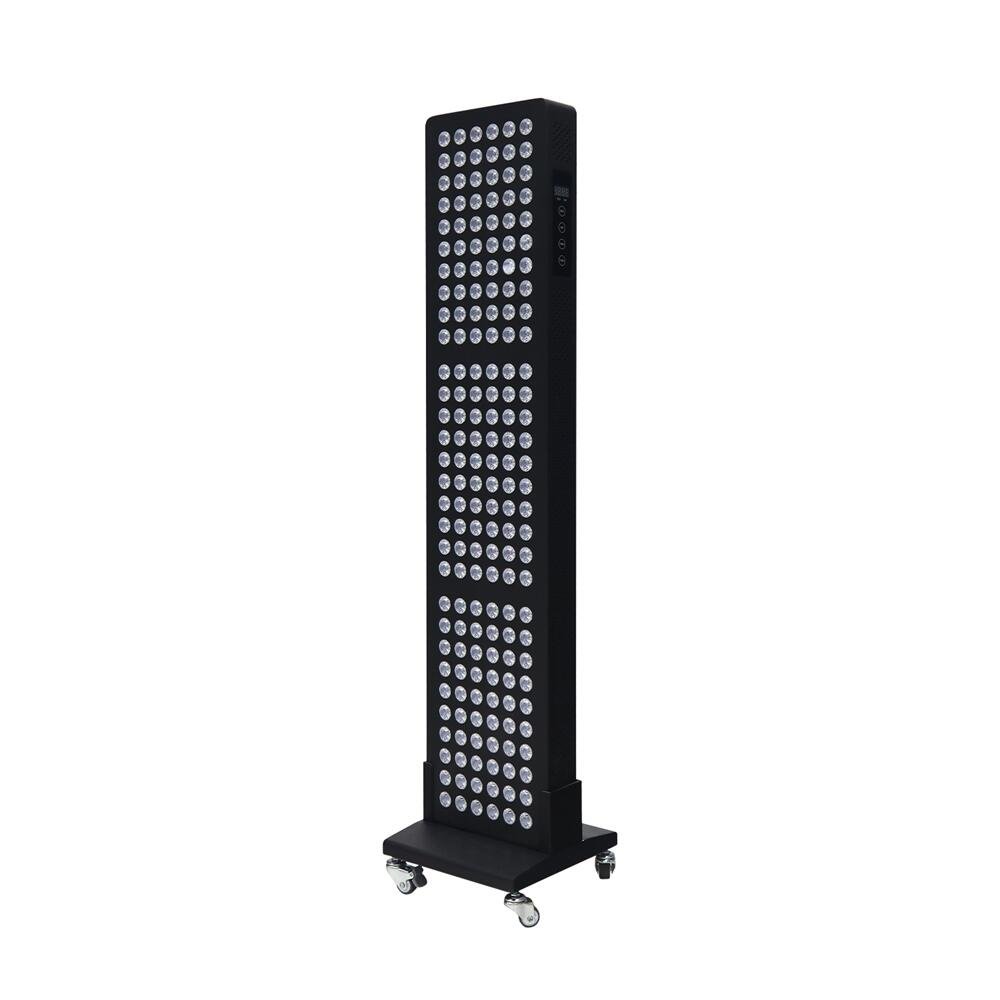
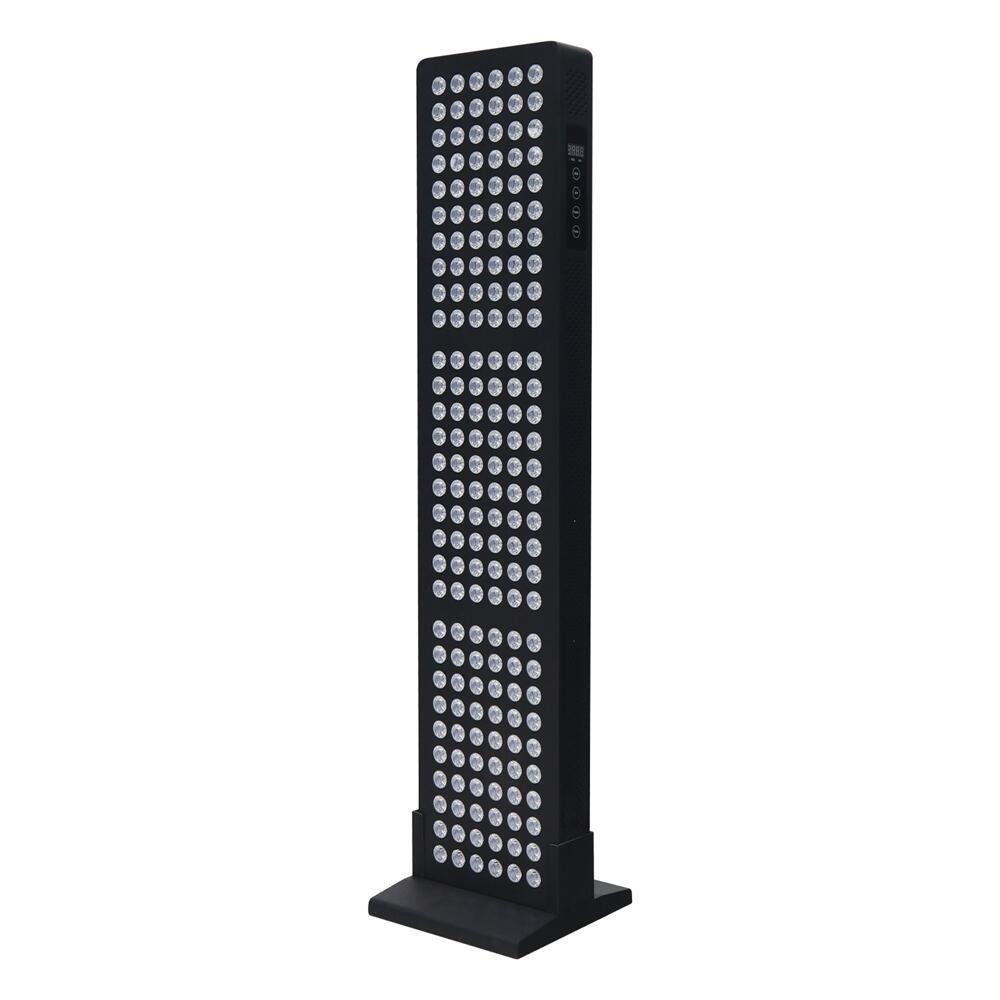
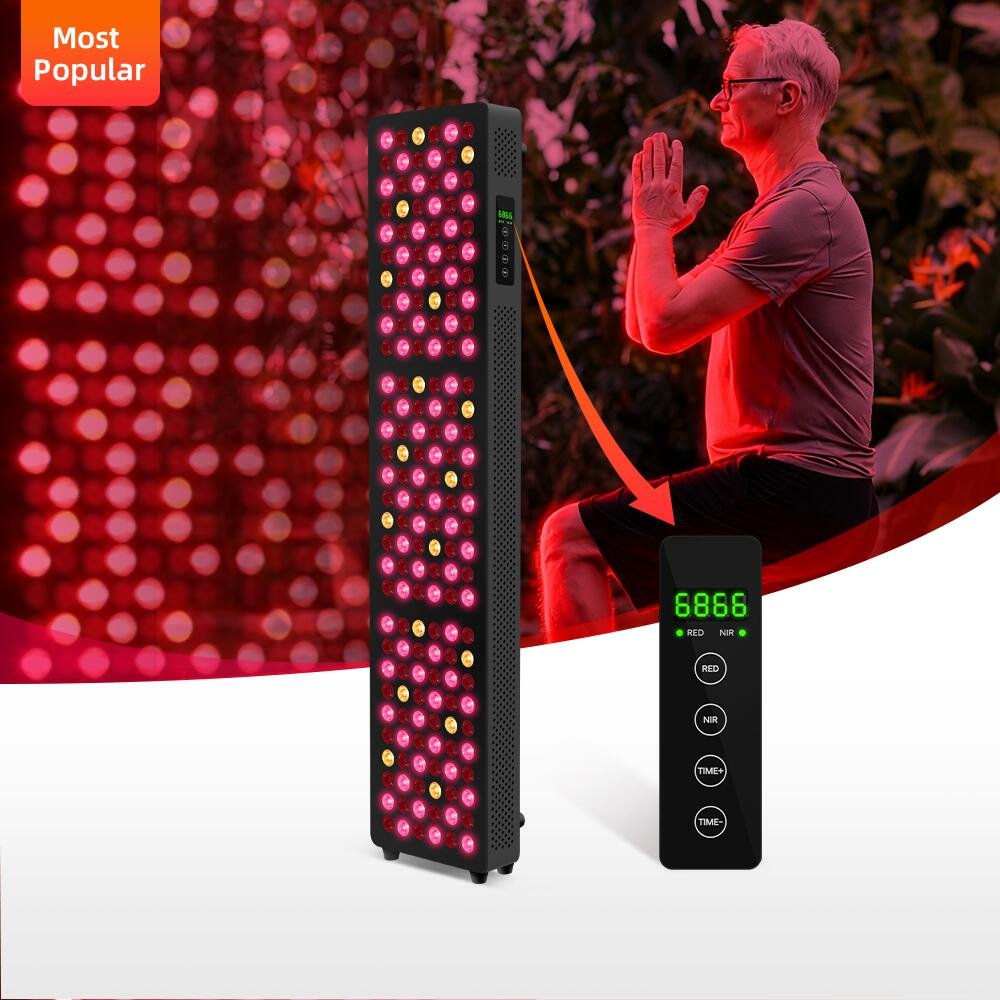
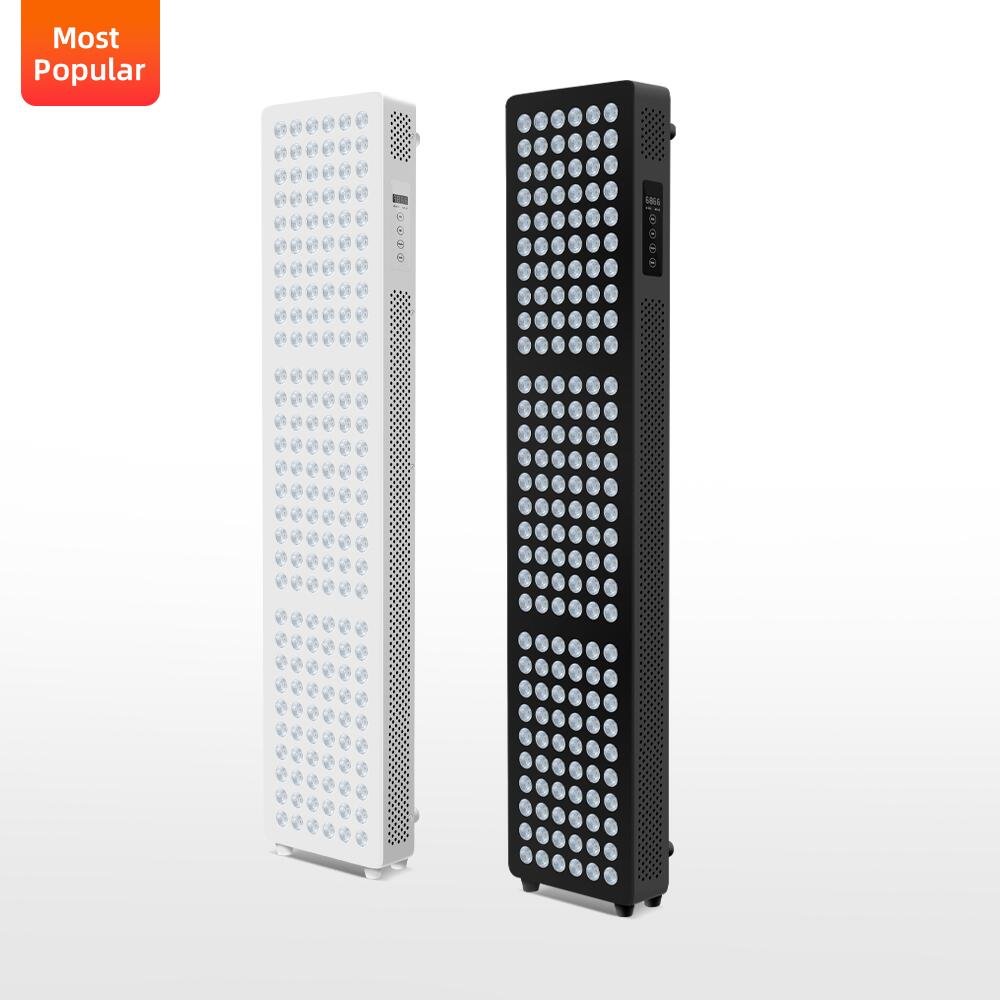
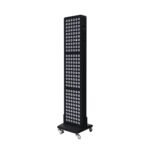
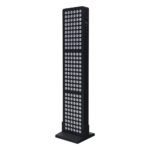
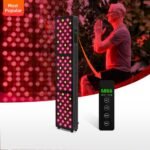
PL180 is a slim near infrared red light therapy panel designed for targeted wellness, beauty care, recovery support, and compact commercial use. It combines red light and near-infrared light in one panel, making it suitable for home wellness products, studio treatment rooms, spa services, fitness recovery zones, and private label red light therapy product programs.
How the Dual Wavelengths Work
• 630/660nm Red Light: This visible wavelength targets the surface of the skin. It is widely used to promote collagen production, smooth fine lines, speed up superficial wound healing, and improve overall skin texture.
• 810/830/850nm Near-Infrared (NIR) Light: This wavelength is invisible to the human eye and penetrates much deeper into the body. It reaches muscles, joints, and deep tissues to alleviate pain, boost blood circulation, reduce inflammation, and accelerate post-workout recovery.
The device supports three working modes:
• Red + NIR
• Red only
• NIR only
Compared with smaller desktop panels, this red near infrared LED therapy light panel offers a taller lighting area and better body coverage while still keeping the product easy to install, ship, and operate. It can work as a standalone red light therapy device or as part of a wider led light therapy device product range.
Key Features to Look For
—
When choosing a therapy panel, focus on these technical specifications rather than marketing claims:
| Feature | What to Look For | Why It Matters |
|---|---|---|
| Irradiance | Look for >100 mW/cm² at 6 inches. | Measures the actual power output and energy your cells receive. |
| Wavelength Accuracy | Standard 660nm and 850nm configurations. | Ensures the light accurately triggers cellular photobiomodulation. |
| Control Switches | Independent toggles for RED and NIR modes. | Allows you to customize sessions for skin-only or deep-tissue treatment. |
| EMF Output | Look for low or zero EMF at treatment distance. | Ensures safe, daily use without exposing your body to radiation. |
If you are looking to purchase a panel, telling me your budget range and whether you prefer a small targeted device or a large full-body setup will help narrow down the options.
Technical Specifications
—
| Item | Specification |
|---|---|
| Model | PL180 |
| Color | Black & White |
| LED Quantity | 180 pcs |
| Power Consumption | 260W |
| Output Power | 245W |
| Wavelengths | 630 / 660 / 810 / 830 / 850nm |
| Beam Angle | 30° |
| Irradiance at 3” / 6” / 9” / 12” / 18” | OL / 185 / 167 / 164 / 139 mW/cm² |
| Energy at 3” / 6” / 9” / 12” / 15” / 18” | 12.6 / 11.64 / 10.98 / 10.44 / 9.96 J/cm² per minute |
| Pulse | No |
| Timer | 30 min |
| Dimmer | No |
| Working Modes | Red + NIR / Red / NIR |
| Synchronous Working | Yes |
| Input Voltage | 90–240V |
| Max Current | 3A |
| EMF Emission | 0 |
| Flicker | No |
| Material | Steel |
| Cooling Fans | 3 pcs |
| LED Lifespan | 100,000 hours |
| Working Temperature | -25°C to +65°C |
| Working Humidity | 15–90% RH |
| Accessories | Standard + Hanging Kit |
| Warranty | 2 years |
| Product Size | 91 × 19.4 × 6 cm |
| Unit Packaging Size | 103 × 14.7 × 27.3 cm |
| Net Weight | 6.1 kg |
| Gross Weight | 8 kg |
| Remote Control | Yes |
| Bluetooth & APP | No |
| Sound Level at 15cm | 45 dB |
| IP Level | IP21 |
Simple positioning:
| Product Need | Fit |
|---|---|
| Home wellness product line | Suitable |
| Medium targeted body area use | Suitable |
| Spa or studio treatment room | Suitable |
| Recovery zone add-on | Suitable |
| Private label panel program | Suitable |
| Small desktop use | Better to choose a smaller model |
| Full-body coverage | Better to choose a larger panel |
Applications
—
This panel is suitable for users who need more coverage than a compact unit but do not need a full-body system. It works well in personal wellness spaces, small studios, treatment rooms, and branded product lines.
| Application Area | How It Can Be Used |
|---|---|
| Home Wellness | Daily wellness routines, personal recovery areas, compact home setups |
| Beauty Care | Face, neck, shoulder, back, and surface-level beauty care applications |
| Fitness Recovery | Post-workout recovery support for back, legs, waist, and shoulders |
| Wellness Centers | Private treatment rooms, compact recovery rooms, member wellness services |
| Spas & Beauty Clinics | Facial rooms, body care rooms, relaxation services, premium wellness packages |
| Yoga & Pilates Studios | Post-class wellness add-ons and private session support |
| Rehabilitation & Recovery Studios | Targeted recovery support in professional service environments |
| OEM / Private Label | Branded red light therapy product lines for different sales channels |
For home wellness brands, this red light therapy product has a stronger visual presence than a small desktop device while still being manageable for shipping and packaging.
For studios and clinics, it can be used as a practical treatment-room panel without taking up the space required by large full-body systems.
What’s Inside
—
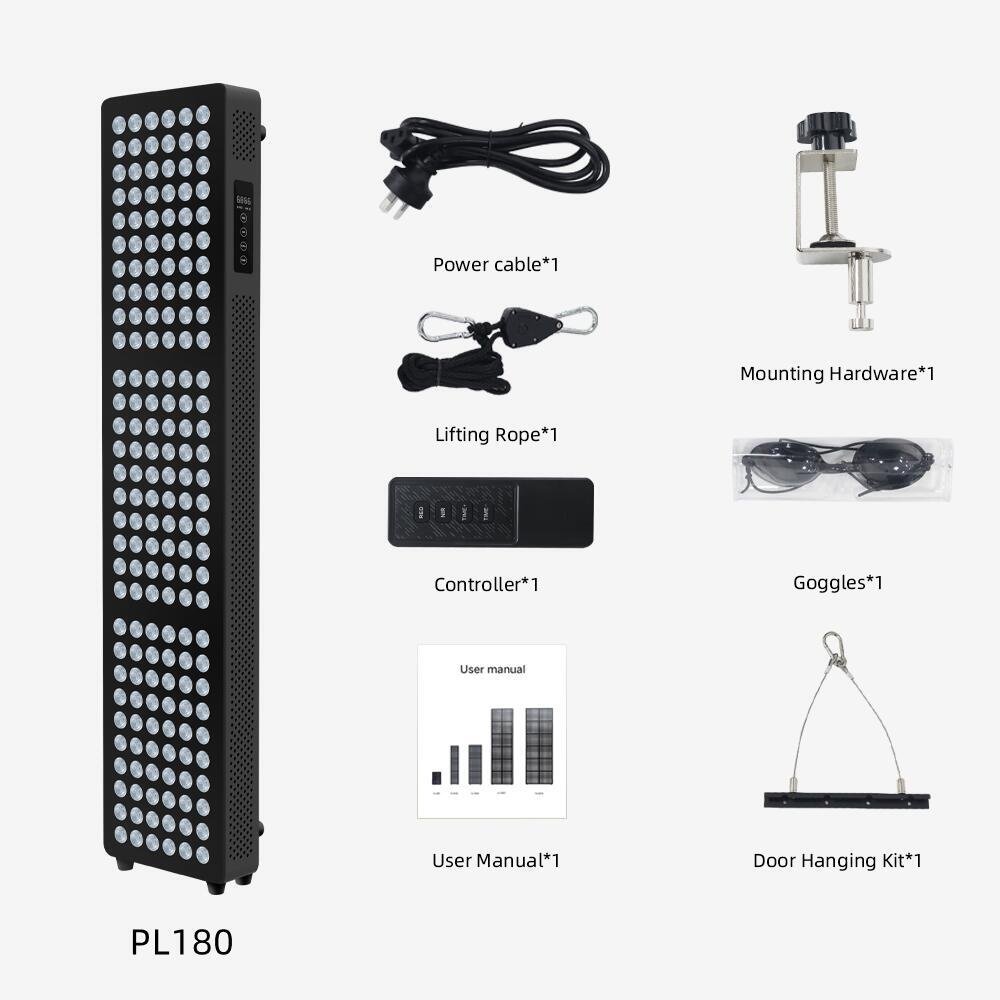
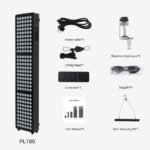
A standard package usually includes:
• Red light therapy LED panel
• Power cable
• Remote control
• User manual
• Protective packaging
• Standard accessories
• Hanging kit
For private label and custom projects, packaging and documentation can be adjusted based on market needs.
Optional support may include:
• Logo customization
• Neutral packaging
• Custom color box
• Product label design
• User manual customization
• Outer carton design
• Barcode and SKU support
• Market-specific documentation support
• Sample support before bulk order
The final package can be confirmed based on order quantity, sales channel, installation method, and branding requirements.
FAQ
—
1. How to get glowing, healthy skin?
Glowing, healthy-looking skin usually comes from good daily habits and consistent skin support, not one quick treatment.
Red light therapy may help by supporting skin cell energy, microcirculation, collagen production, and natural repair. Over time, this may help the skin look calmer, fresher, and more radiant.
For better results, users should keep a regular routine, use the device correctly, and combine it with basic skincare, hydration, sleep, and sun protection.
2. Can red light therapy help with redness, acne, and scars?
Yes, red light therapy may help improve the appearance of redness, acne-related marks, and some scar texture over time.
Red light in the 630–660nm range may help calm inflammation, support microcirculation, and assist the skin’s natural repair process. It may also support fibroblast activity, which is related to collagen production and smoother-looking skin.
It should not be described as a cure for acne or a way to erase scars. A better way to position it is skin repair support, redness relief, and clearer-looking skin care.
3. What is the skin repair setting on the device?
The skin repair setting is usually designed to combine different wavelengths for broader skin support.
Red light may help support collagen production and calm visible irritation, while near-infrared light may reach deeper layers to support repair and recovery. Together, they can help address both surface-level skin concerns and deeper skin wellness needs.
This setting is suitable for users who want support for skin texture, redness, acne marks, and overall skin repair.
4. Is red light therapy safe for sensitive skin, or can it cause a reaction?
Red light therapy is generally considered a gentle, non-invasive, and non-thermal option, so many people with sensitive skin can tolerate it well.
Unlike harsh peels or aggressive topical treatments, it does not rely on heat or strong chemicals. However, users with special skin conditions, light sensitivity, or medical concerns should check with a healthcare professional before use.
For sensitive skin users, it is better to start with shorter sessions, proper distance, and consistent but moderate use.
5. Can red light therapy help with skin conditions like eczema and psoriasis?
Red light therapy may help support skin comfort and appearance for some inflammatory skin concerns by helping modulate inflammation and support skin repair.
However, it should not be presented as a cure for eczema, psoriasis, or any medical skin condition. Users with diagnosed skin conditions should follow professional medical advice.
For product positioning, it is safer to describe red light therapy as a supportive skin wellness tool for calming, recovery, and comfort.
6. Does red light therapy help with sun damage and age spots?
Red light therapy may help improve the appearance of sun-damaged skin and uneven tone indirectly.
It does not work like a bleaching treatment or strong pigment-removal procedure. Instead, it may support healthier skin function, collagen production, and natural repair. With consistent use, the skin may look fresher, smoother, and more even.
For age spots or pigmentation concerns, results are usually gradual and may vary by user.
7. How many times a week should I use red light therapy for glowing and healthy skin?
For glowing and healthier-looking skin, red light therapy is commonly used 3–5 times per week, with each session lasting around 10–20 minutes.
Some users may notice early changes in 2–4 weeks, while more visible improvements in skin quality, texture, and tone often take 8–12 weeks of consistent use.
Red light therapy works best as a regular skin wellness routine. More time does not always mean better results, so users should follow the recommended session time, distance, and frequency for their device.
8. What is the light therapy device industry, and how large is the market?
The light therapy device industry encompasses the design, manufacture, and distribution of devices that use specific wavelengths of light — including red, near-infrared, blue, and other spectra — to support health, wellness, and aesthetic outcomes. The global photobiomodulation and light therapy market has been growing steadily, driven by increasing consumer awareness of non-invasive wellness solutions, the expansion of at-home device categories, and growing adoption in clinical, aesthetic, and sports performance settings. The market spans a wide range of product types, from professional clinic equipment to consumer wearables, and is served by a mix of established medical device companies and emerging wellness brands.
9. Who are the typical buyers and end users of light therapy devices?
Light therapy devices serve a broad range of buyers and end users. On the B2B side, buyers include wellness brands and private-label distributors, medical aesthetics clinics and MedSpas, physiotherapy and rehabilitation centers, fitness studios and sports performance facilities, and online retailers and e-commerce sellers. On the consumer side, end users range from individuals seeking skin rejuvenation and anti-aging benefits, to athletes and fitness enthusiasts focused on recovery, to people managing chronic pain or general wellness goals. Understanding your target end user is a critical first step in defining the right product specification for your brand.
10. What is the difference between a wellness device and a medical device in this industry?
The distinction between a wellness device and a medical device is primarily determined by the intended use claims made in product labeling and marketing. A wellness device makes general health promotion claims — such as supporting recovery, improving skin appearance, or promoting relaxation — and is typically subject to standard consumer electronics safety regulations (e.g., CE, FCC). A medical device makes specific diagnostic or therapeutic claims for a named medical condition — such as treating chronic pain, managing a skin disorder, or healing wounds — and is subject to more stringent regulatory requirements, including FDA premarket clearance or EU MDR conformity assessment. Defining your intended use claims correctly at the outset is essential for determining your regulatory pathway and compliance obligations.