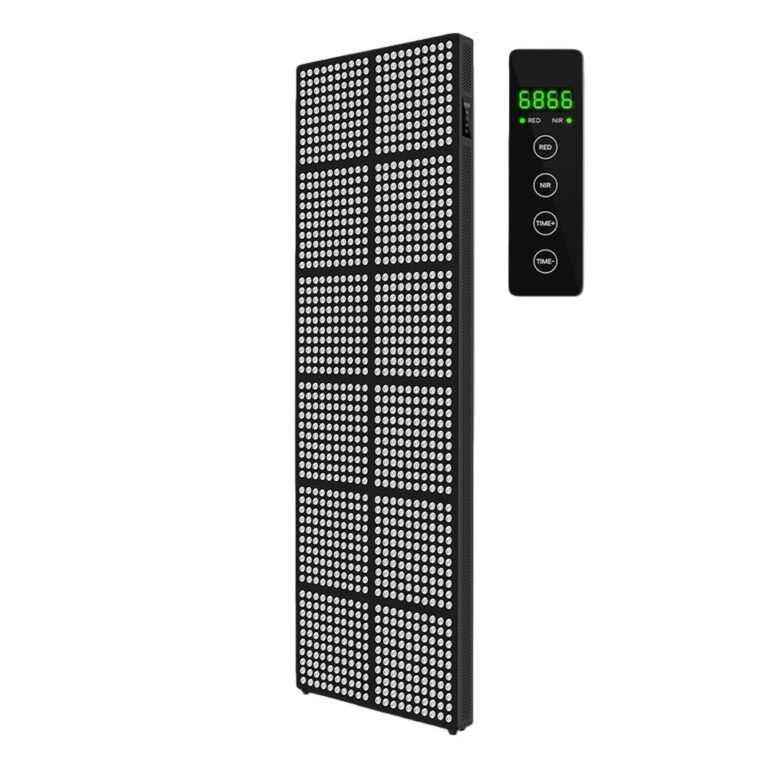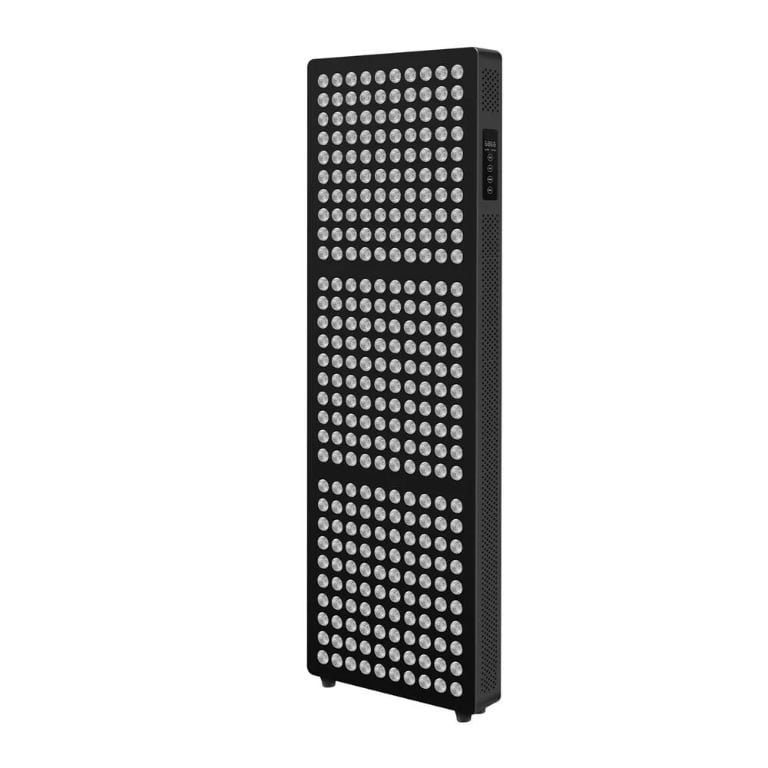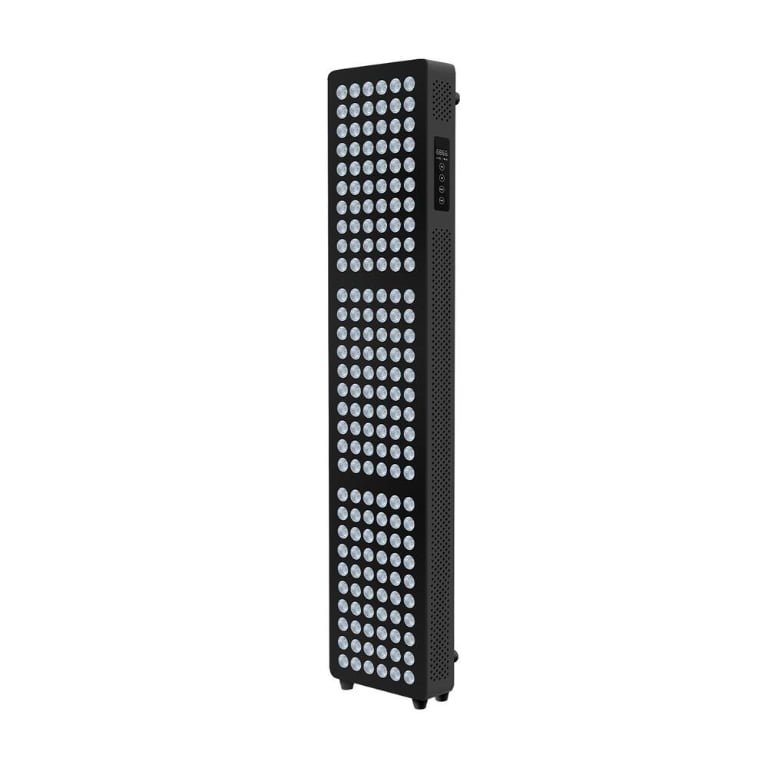
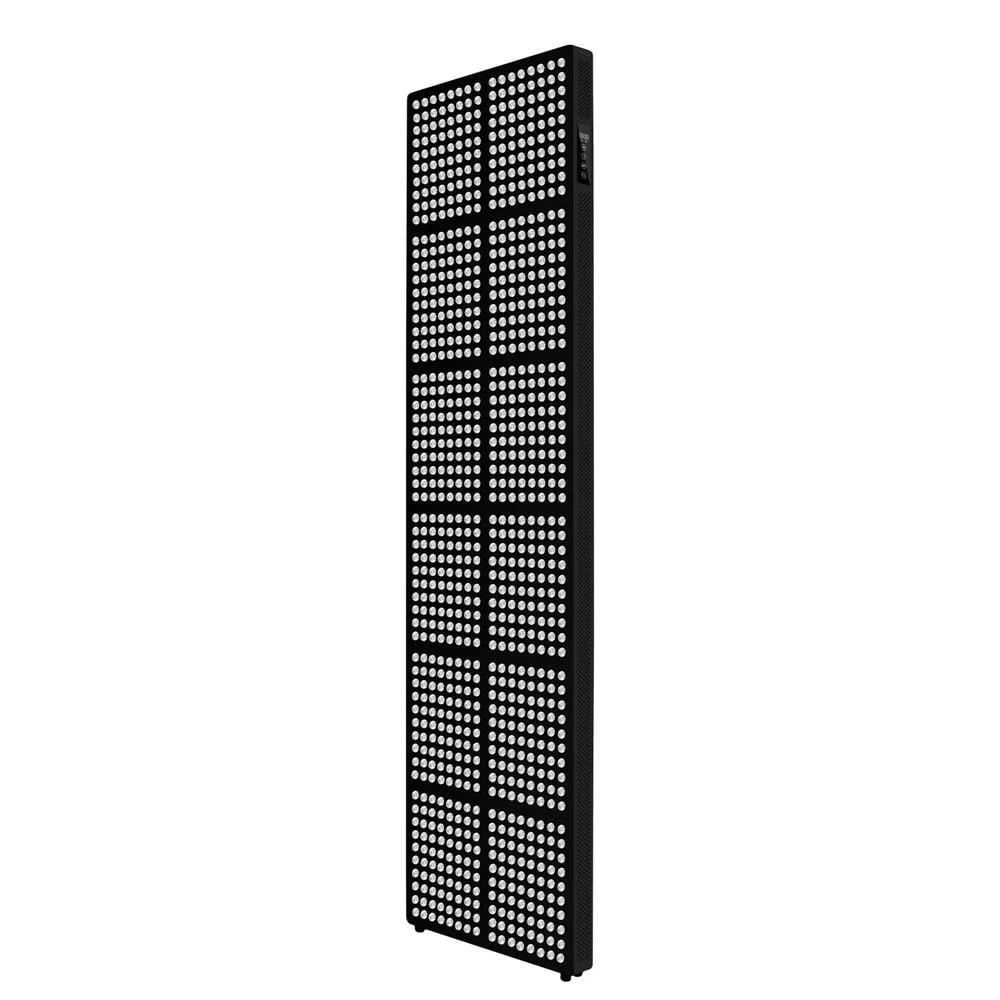
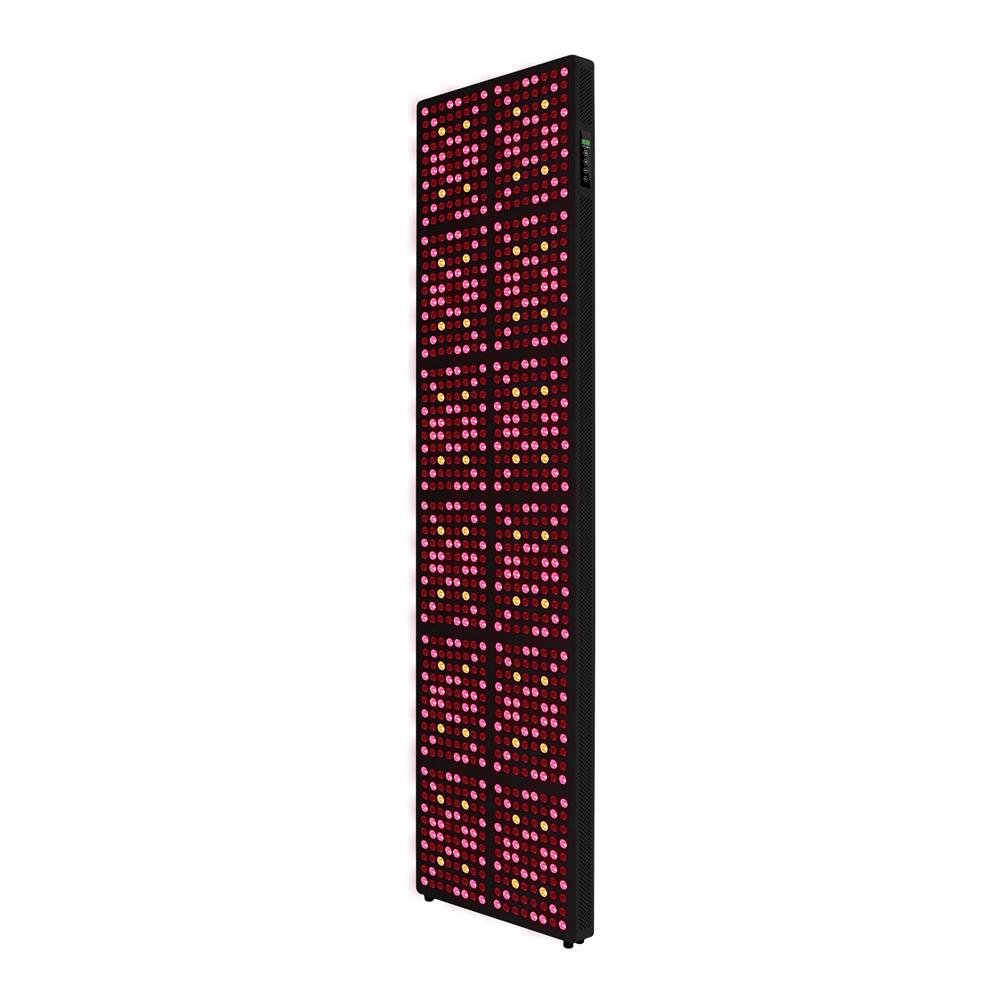
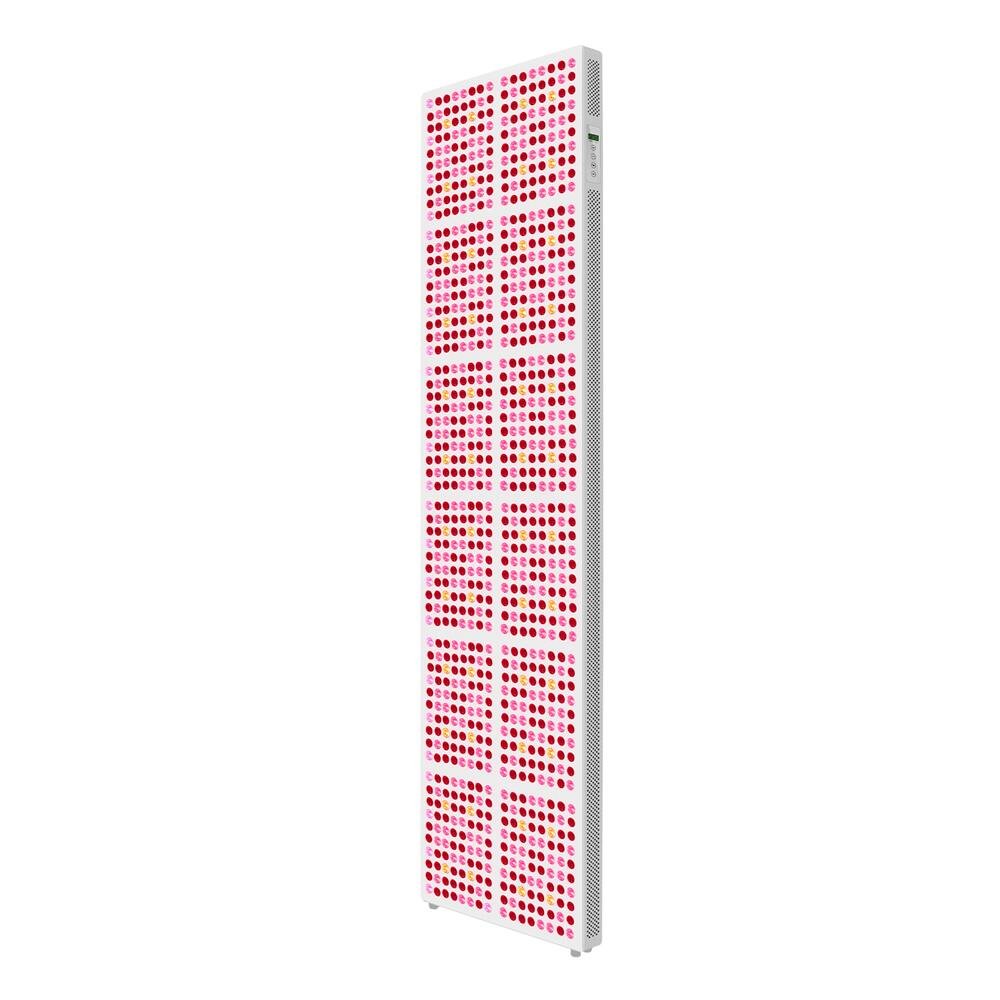
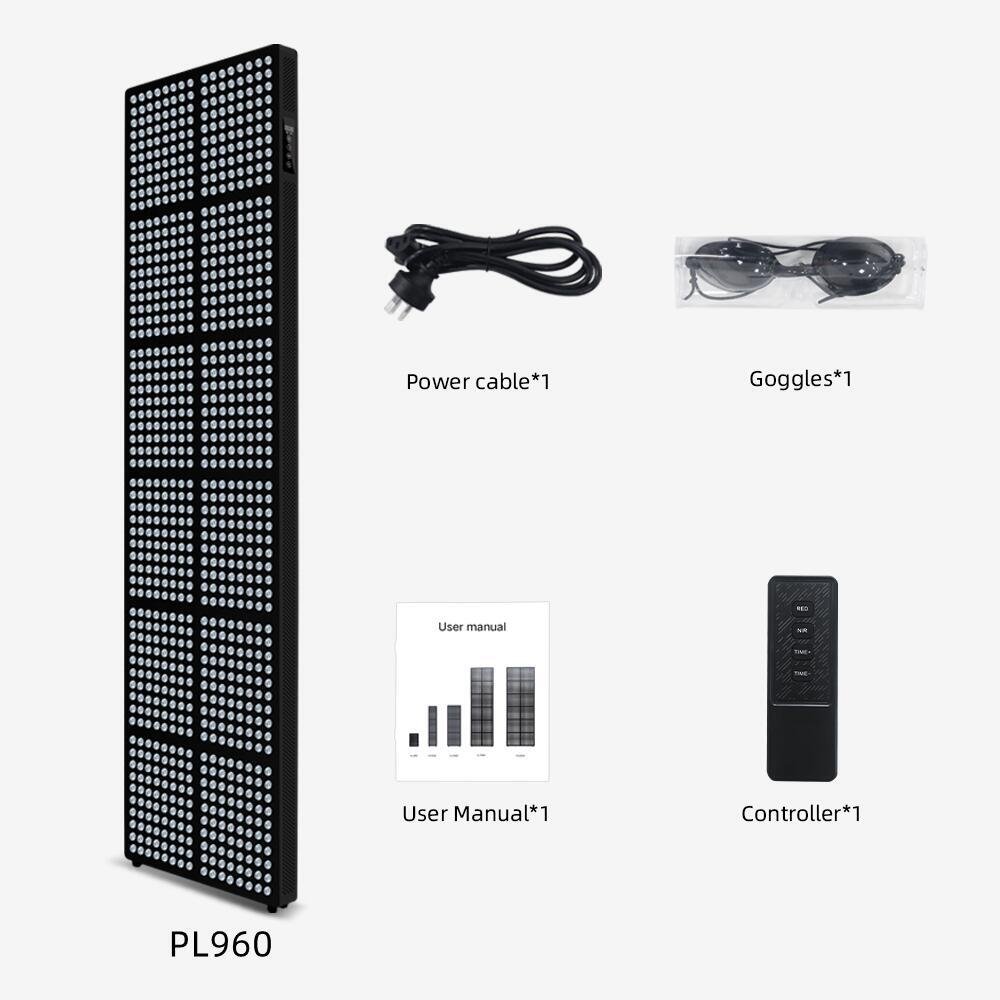
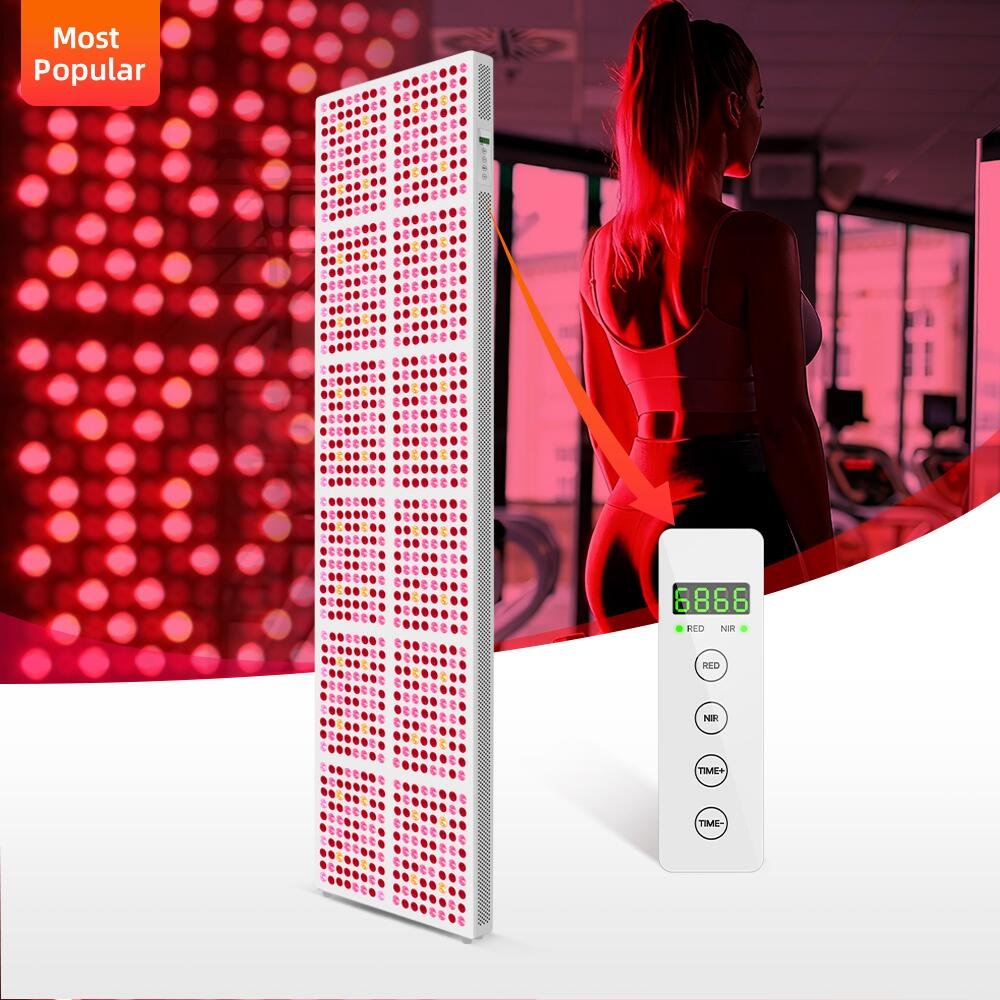
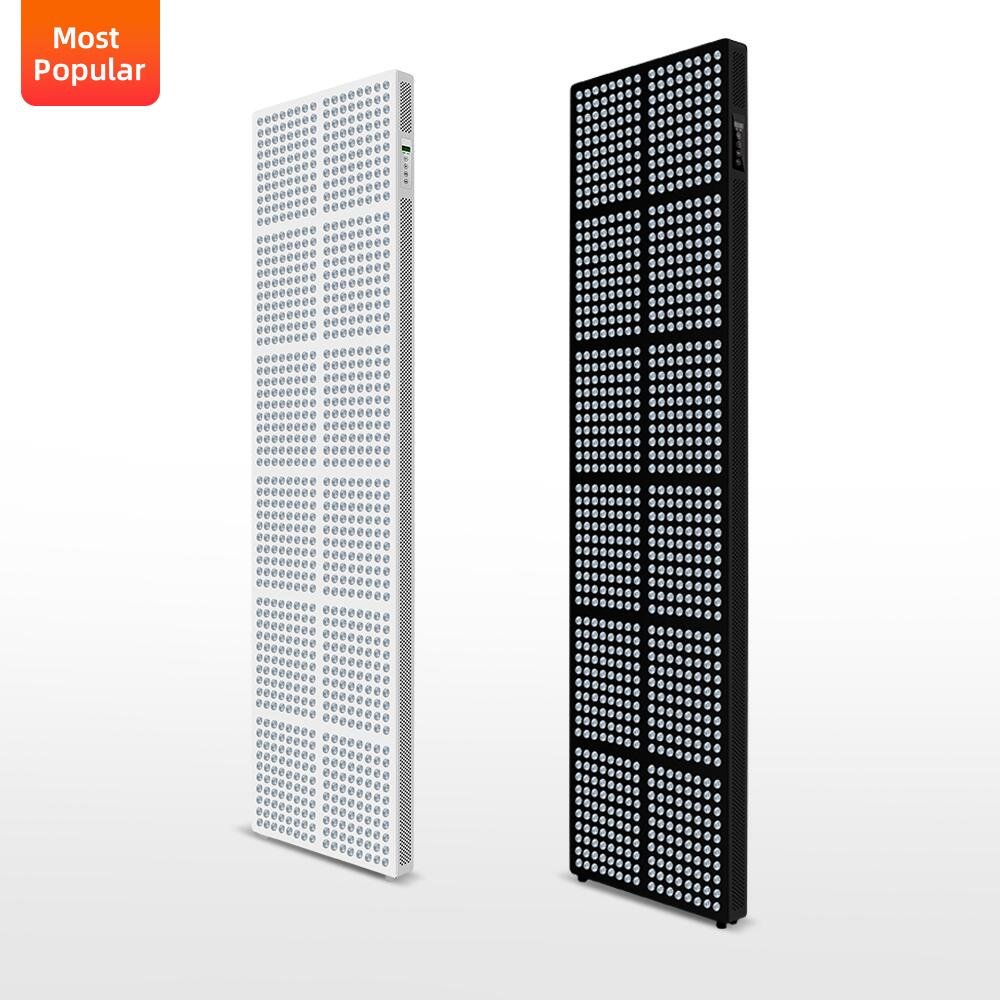
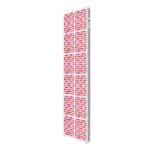
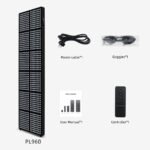
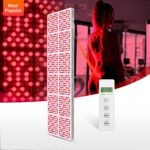
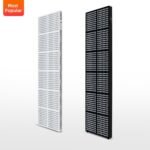
Dual Wavelength Red Light Therapy Panel
Dual wavelength red light therapy panels are LED based photobiomodulation devices designed with two commonly used wavelengths: red light and near infrared light. The most widely adopted configuration is 660nm red light combined with 850nm near infrared light, which allows one device to support both surface level wellness applications and deeper tissue related recovery programs.
For B2B buyers, this product category is not only a wellness device, but also a flexible product platform suitable for private label development, wholesale distribution, commercial wellness facilities, fitness recovery rooms, spa projects, and OEM/ODM product lines.
As red light therapy continues to expand across the wellness, beauty, fitness, rehabilitation, and home health markets, dual wavelength panels have become one of the most common and commercially accepted product structures in the industry.
What Is a Dual Wavelength Red Light Therapy Panel?
A dual wavelength red light therapy panel is a light therapy device that integrates two different LED wavelength outputs into one panel system.
The standard configuration usually includes:
- 660nm red light
- 850nm near infrared light
660nm red light is generally used for surface level applications such as skin wellness, beauty care, and facial treatment programs. 850nm near infrared light is commonly used for deeper tissue applications, including muscle recovery, joint comfort, post workout recovery, and general wellness support.
This combination makes dual wavelength panels suitable for a wide range of commercial and personal use scenarios.
Why 660nm and 850nm Are Commonly Used
660nm Red Light
660nm red light is one of the most frequently used wavelengths in red light therapy devices. It is commonly selected for applications related to:
- Skin wellness
- Facial care
- Beauty device programs
- Surface level recovery
- Collagen support
- Spa and skincare treatments
For beauty clinics, spas, wellness centers, and skincare device brands, 660nm red light is often considered an important wavelength for product positioning and customer education.
850nm Near Infrared Light
850nm near infrared light is widely used because it penetrates deeper than visible red light. It is commonly applied in:
- Muscle recovery
- Joint comfort
- Fitness recovery programs
- Sports recovery
- Rehabilitation support
- Deep tissue wellness applications
For gyms, recovery studios, rehabilitation centers, and wellness facilities, 850nm NIR is an important feature when positioning a panel for performance recovery and full body wellness applications.
Key Advantages of Dual Wavelength Panels
Broader Application Coverage
A dual wavelength design allows one device to serve multiple usage scenarios. This is useful for distributors and brand owners because the same product platform can be promoted to different market segments.
Typical market segments include:
- Home wellness
- Spa and beauty
- Fitness recovery
- Wellness centers
- Rehabilitation facilities
- Yoga and Pilates studios
- Commercial recovery rooms
Better Product Versatility
Compared with single wavelength devices, dual wavelength panels provide more flexibility for product development and market positioning.
For example:
- A compact panel can be positioned for facial care and localized recovery.
- A medium panel can be used for home wellness and fitness recovery.
- A large panel can be developed for full body therapy and commercial wellness rooms.
This makes the dual wavelength structure suitable for both entry level product lines and professional grade commercial equipment.
Stronger B2B Product Value
For wholesale buyers and OEM customers, dual wavelength panels are easier to explain, easier to sell, and easier to integrate into different product ranges.
They can be developed into:
- Private label red light therapy panels
- Commercial recovery room equipment
- Spa and beauty treatment devices
- Fitness recovery products
- Home wellness devices
- Full body red light therapy systems
Common Product Configurations
Dual wavelength red light therapy panels are available in different structures depending on the target market and application scenario.
Compact Panels
Compact panels are suitable for localized treatment areas and smaller product lines.
Common applications include:
- Facial wellness
- Neck and shoulder recovery
- Desktop use
- Portable wellness products
- Entry level private label programs
These models are often preferred by brands that want to start with a lower MOQ or develop a lightweight product range.
Medium Size Panels
Medium size panels are widely used in home wellness, spa rooms, and small commercial environments.
They are suitable for:
- Half body use
- Fitness recovery
- Beauty treatment rooms
- Wellness studios
- Distributor product lines
This category usually balances product performance, cost, packaging size, and market acceptance.
Large Full Body Panels
Large panels are designed for wider body coverage and professional use environments.
Typical applications include:
- Full body therapy
- Commercial wellness centers
- Recovery studios
- Rehabilitation rooms
- Premium home wellness spaces
For B2B buyers, large panels usually require stronger attention to structure, cooling design, power stability, packaging safety, and shipping cost.
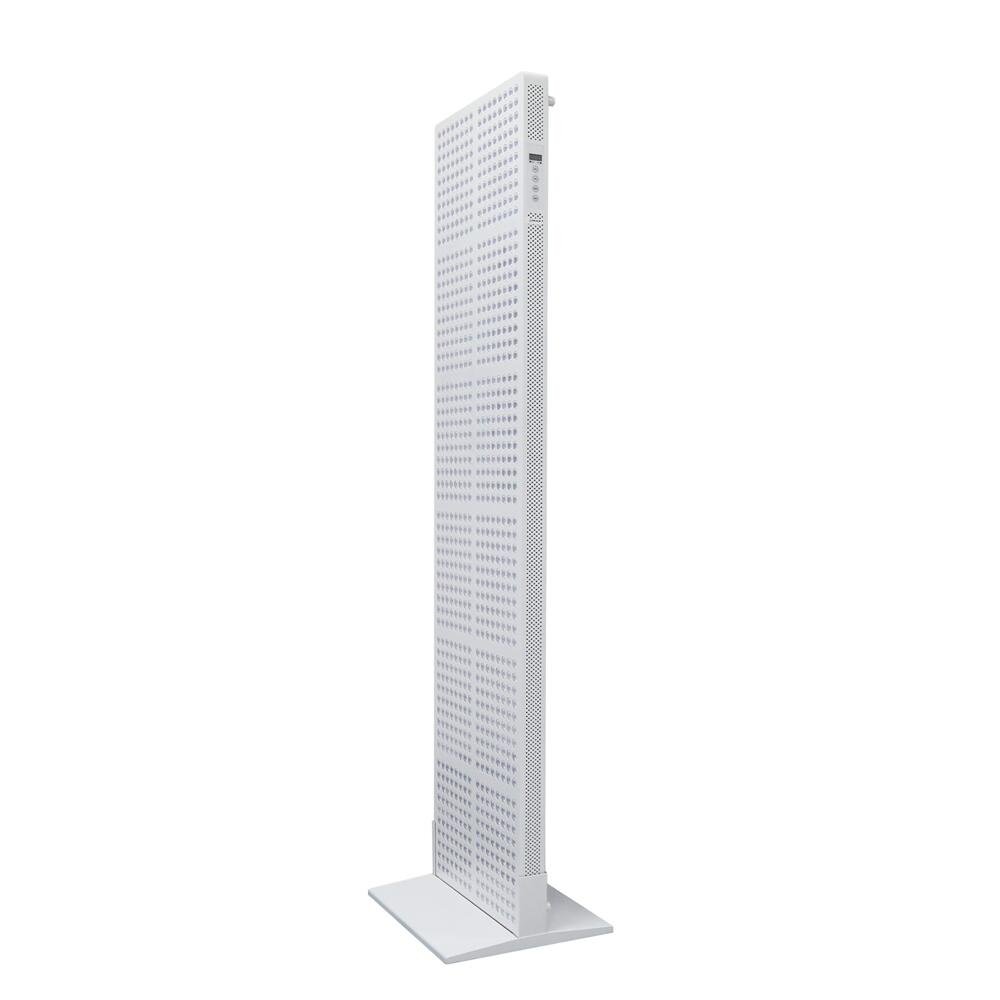
Stand Mounted and Modular Systems
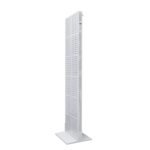
Some dual wavelength panels can be used with floor stands, mobile stands, or multi panel frames.
These systems are commonly used in:
- Gyms
- Recovery rooms
- Spa facilities
- Wellness chains
- Commercial therapy spaces
Modular systems allow buyers to create scalable product solutions for different room sizes and customer needs.
Important Technical Parameters for B2B Buyers
When sourcing dual wavelength red light therapy panels, professional buyers should not evaluate the product only by LED quantity or appearance. Several technical and manufacturing details are more important for long term commercial success.
Wavelength Accuracy
Stable wavelength output is one of the core technical factors of the product.
Common wavelength options include:
| Wavelength | Common Application |
|---|---|
| 630nm | Skin and beauty applications |
| 660nm | Skin wellness and surface level support |
| 810nm | Recovery and deeper tissue applications |
| 830nm | Wellness and recovery programs |
| 850nm | Muscle recovery and near infrared therapy |
The 660nm and 850nm combination remains the most common configuration for dual wavelength panels.
Irradiance Output
Irradiance refers to the light energy delivered to a specific area. It is one of the most important performance indicators for red light therapy panels.
For commercial buyers, irradiance affects:
- Session efficiency
- Treatment distance
- Product positioning
- Customer experience
- Competitive performance
Higher irradiance models may support shorter session times, while lower output models may be better suited for entry level or compact product lines.
LED Quantity and LED Layout
LED quantity does not directly equal performance. LED quality, beam angle, wavelength consistency, and layout design also matter.
A well designed LED layout helps improve:
- Light distribution
- Treatment coverage
- User experience
- Product consistency
For full body panels, balanced LED distribution is especially important.
Dual Chip LED Design
Many modern dual wavelength panels use dual chip LED structures. This means one LED package may contain both red light and near infrared light chips.
The main advantage is more even wavelength distribution across the panel surface.
For B2B buyers, dual chip LED design can help improve:
- Product appearance
- Light coverage
- Panel efficiency
- Marketing clarity
- User experience
Cooling System
Thermal management is important for LED lifespan and stable operation.
Common cooling designs include:
- Active cooling fans
- Aluminum housing heat dissipation
- Ventilation structures
- Low noise cooling systems
For commercial facilities, stable cooling is especially important because the devices may be used more frequently than home use products.
Housing and Structural Design
The housing structure affects product durability, appearance, heat dissipation, and perceived quality.
Common housing materials include:
- Aluminum alloy
- Powder coated metal housing
- Reinforced structural frame
For OEM projects, housing design can also be customized based on brand positioning and market requirements.
Certifications and Compliance
B2B buyers usually need certification support for local market entry.
Common compliance requirements may include:
- CE
- FCC
- RoHS
- EMC testing
- Electrical safety testing
- FDA related registration or documentation, depending on market and product claims
For distributors and brand owners, certification readiness is an important factor when selecting a long term supplier.
Commercial Application Scenarios
Home Wellness Product Lines
Dual wavelength panels are widely used by wellness brands developing home use devices.
The product can be positioned for:
- Daily wellness routines
- Beauty and recovery
- Home fitness recovery
- Personal relaxation programs
For brand owners, compact and medium panels are suitable for online sales channels, retail packaging, and private label projects.
Spa and Beauty Clinics
Beauty and spa facilities use red light therapy panels as part of non invasive wellness and skincare programs.
Common uses include:
- Facial wellness
- Skin care support
- Beauty recovery rooms
- Premium spa services
For this market, product appearance, user comfort, low noise design, and easy operation are important.
Gyms and Fitness Recovery
Fitness facilities and recovery studios often use dual wavelength panels for post workout recovery areas.
Typical buyer concerns include:
- High irradiance
- Durable structure
- Full body coverage
- Easy installation
- Stable operation
This segment is suitable for medium panels, full body panels, and modular systems.
Wellness Centers and Recovery Rooms
Wellness centers often prefer larger panel systems that can support professional treatment rooms or integrated recovery environments.
Common configurations include:
- Wall mounted panels
- Stand mounted panels
- Multi panel systems
- Full body recovery systems
For B2B projects, installation flexibility and long term reliability are key.
Rehabilitation and Therapy Related Facilities
Some rehabilitation and therapy related facilities use red and near infrared light therapy devices as part of non invasive wellness support programs.
For this sector, buyers usually pay close attention to:
- Product consistency
- Safety compliance
- Technical documentation
- Stable supply
- Professional after sales support
OEM and ODM Customization Options
Dual wavelength red light therapy panels are well suited for OEM and ODM development because the core structure can be adjusted according to different market needs.
Common customization options include:
- Wavelength combination
- LED quantity
- Panel size
- Housing color
- Logo printing
- Control panel design
- Timer settings
- Dimming function
- Pulse mode
- Remote control
- Touch screen
- App control
- Packaging design
- User manual
- Plug type
- Certification support
For brand owners and distributors, OEM/ODM customization helps build a differentiated product line instead of selling generic devices with limited market recognition.
Procurement Considerations for Wholesale Buyers
When purchasing dual wavelength red light therapy panels in bulk, buyers should evaluate the supplier from both product and manufacturing perspectives.
Important questions include:
- Can the supplier provide stable wavelength consistency?
- Is the irradiance data tested under clear conditions?
- What is the LED lifespan and supplier source?
- Does the product support long time operation?
- Can the housing, logo, and packaging be customized?
- Are certifications available for the target market?
- Can the supplier support samples before bulk orders?
- Is the production capacity stable for repeat orders?
- How is the product packed for international shipping?
- What after sales support is available?
These questions are more important for B2B buyers than simple retail pricing comparison.
Typical Usage Recommendations
Usage time may vary depending on the product power, irradiance, treatment distance, and application purpose.
For general reference, common usage settings include:
- 10 to 30 minutes per session
- Several sessions per week
- Proper treatment distance according to irradiance output
- Shorter sessions for high intensity panels
- Longer sessions for lower output or wider distance use
For commercial environments, operators should create usage guidance based on the actual device output, installation distance, customer profile, and local compliance requirements.
Commercial Value of Dual Wavelength Red Light Therapy Panels
Dual wavelength red light therapy panels offer strong commercial value because they can serve multiple industries with one core technology platform.
For B2B buyers, the main value includes:
- Wide market acceptance
- Flexible product positioning
- Suitable for both home and commercial use
- Easy to develop into private label products
- Scalable from compact panels to full body systems
- Strong compatibility with wellness, beauty, fitness, and recovery markets
This makes dual wavelength panels one of the most practical product categories for distributors, wellness brands, and OEM customers entering the red light therapy device market.
Recommended SEO Keywords
This content can support the following SEO keyword directions:
- Dual Wavelength Red Light Therapy Panel
- 660nm 850nm Red Light Therapy Panel
- Red and Near Infrared Light Therapy Panel
- OEM Red Light Therapy Panel
- Wholesale Red Light Therapy Panels
- Commercial Red Light Therapy Panel
- Full Body Red Light Therapy Panel
- Red Light Therapy Panel Manufacturer
- Private Label Red Light Therapy Device
- Red Light Therapy Panel for Wellness Centers
- Red Light Therapy Panel for Gyms
- Red Light Therapy Panel for Spa and Beauty Clinics
Frequently Asked Questions
What is a dual wavelength red light therapy panel?
A dual wavelength red light therapy panel is an LED therapy device that combines red light and near infrared light in one panel. The most common configuration is 660nm red light and 850nm near infrared light.
Why are 660nm and 850nm commonly used together?
660nm red light is commonly used for surface level wellness and skin related applications, while 850nm near infrared light is used for deeper tissue and recovery related applications. The combination provides broader application coverage.
Are dual wavelength panels suitable for commercial use?
Yes. Dual wavelength panels are widely used in wellness centers, gyms, spas, recovery rooms, rehabilitation facilities, and beauty clinics.
What should B2B buyers consider when sourcing these panels?
Key factors include wavelength accuracy, irradiance output, LED quality, cooling system, housing structure, certifications, OEM capability, packaging, and long term supply stability.
Can dual wavelength red light therapy panels be customized?
Yes. Manufacturers can usually customize wavelengths, LED quantity, panel size, housing color, logo, packaging, control system, timer, plug type, and other details based on OEM or ODM requirements.
What types of businesses can sell dual wavelength therapy panels?
This product category is suitable for wellness brands, beauty device companies, fitness equipment distributors, rehabilitation product suppliers, spa equipment companies, online retailers, and private label health device brands.