If you’re evaluating red light therapy devices for your product portfolio, you’ve likely run into conflicting signals. Clinics report strong client retention around RLT treatments. Online reviews trend positive. Yet skepticism persists — is this a well-supported modality, or an expensive trend that’s about to plateau?
This guide addresses that question from a buyer’s perspective — not just with “yes it works,” but with the nuance that matters when you’re making sourcing decisions, building a brand, and managing client outcomes at scale.
Bottom line upfront: Red light therapy does work — but results are device-dependent. The clinical evidence is solid across multiple applications, yet the difference between an effective device and an ineffective one often comes down to engineering specifications that are invisible to the end consumer. This is exactly where your sourcing decision carries the most leverage.
What Is Red Light Therapy?
Red light therapy (RLT) — also referred to as photobiomodulation (PBM), low-level laser therapy (LLLT), or near-infrared therapy — involves applying specific wavelengths of light (typically 630-850 nm) to body tissue to trigger biological responses at the cellular level.
Unlike UV light, which damages skin, or high-powered surgical lasers, red and near-infrared light penetrates tissue without generating heat — it does not burn or damage. Modern devices use LEDs to deliver consistent, scalable, and safe therapeutic doses across a wide range of form factors.
Red Light (630-680 nm)
Absorbed primarily in superficial tissue layers. Most effective for skin-surface applications: collagen synthesis, wound healing, acne treatment, and facial rejuvenation.
Near-Infrared (810-850 nm)
Penetrates deeper into muscle, joint, and neural tissue. The key wavelength range for pain relief, muscle recovery, inflammation reduction, and fat cell disruption.
Devices delivering this therapy include:
-
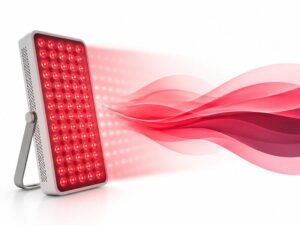
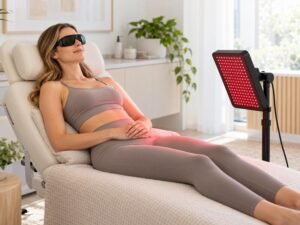
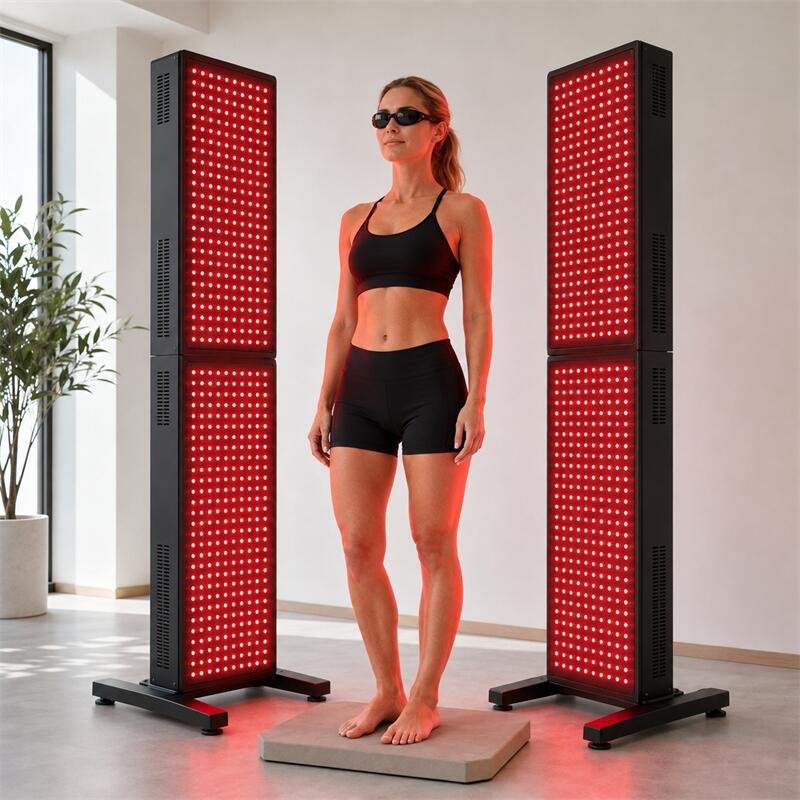
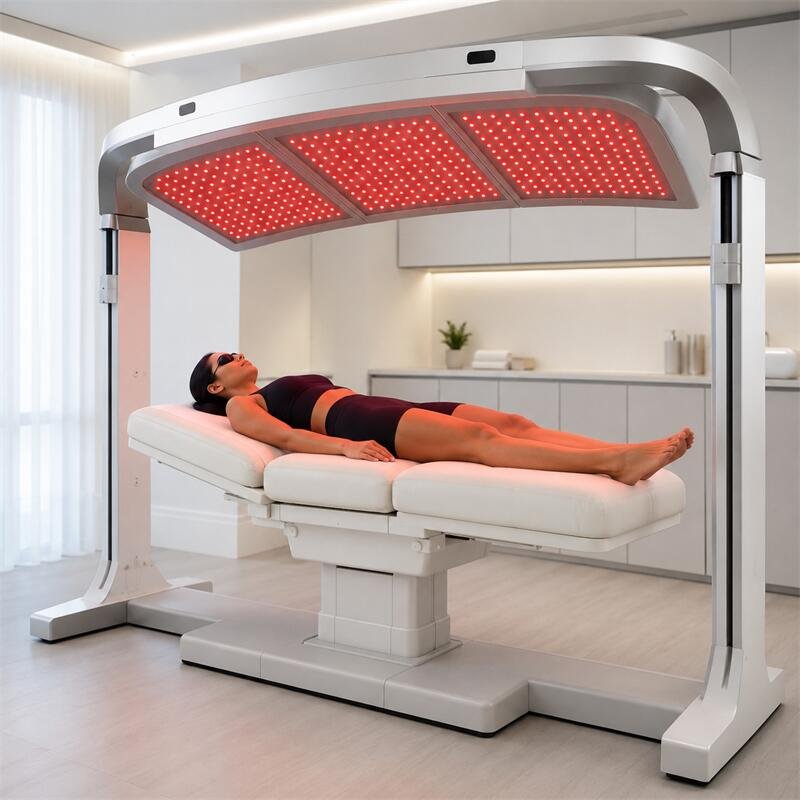
Full-Body LED Panels & Systems
Large-format panels delivering whole-body coverage for comprehensive treatment sessions.
-
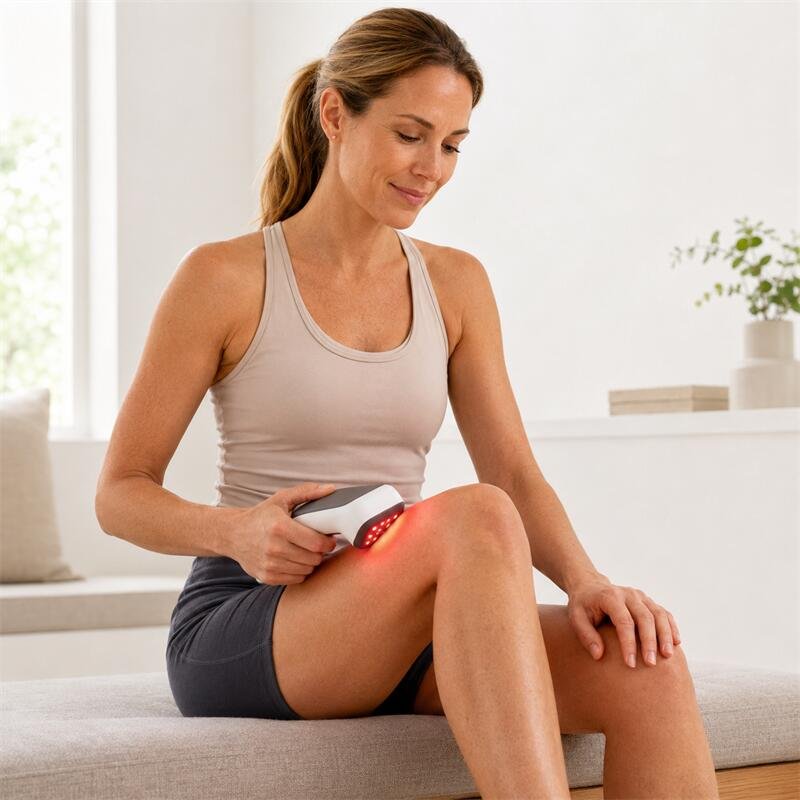
Targeted Handheld Devices
Compact, portable units designed for precise, localized treatment of specific body areas.
-
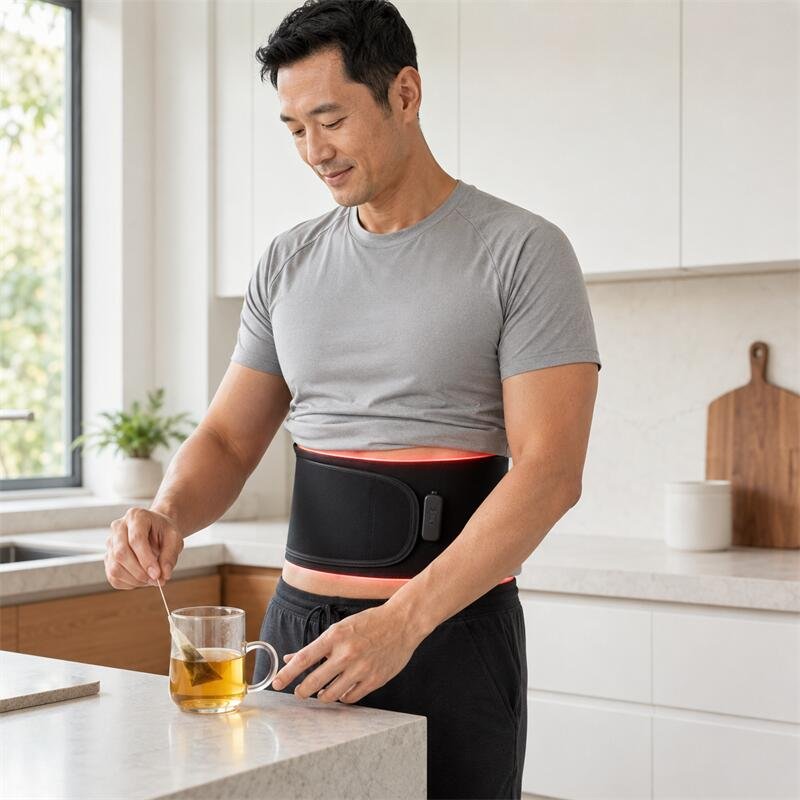
Wearable Wrap Belts
Form-fitting wearables for hands-free, contoured treatment of targeted body zones during daily activity.
-
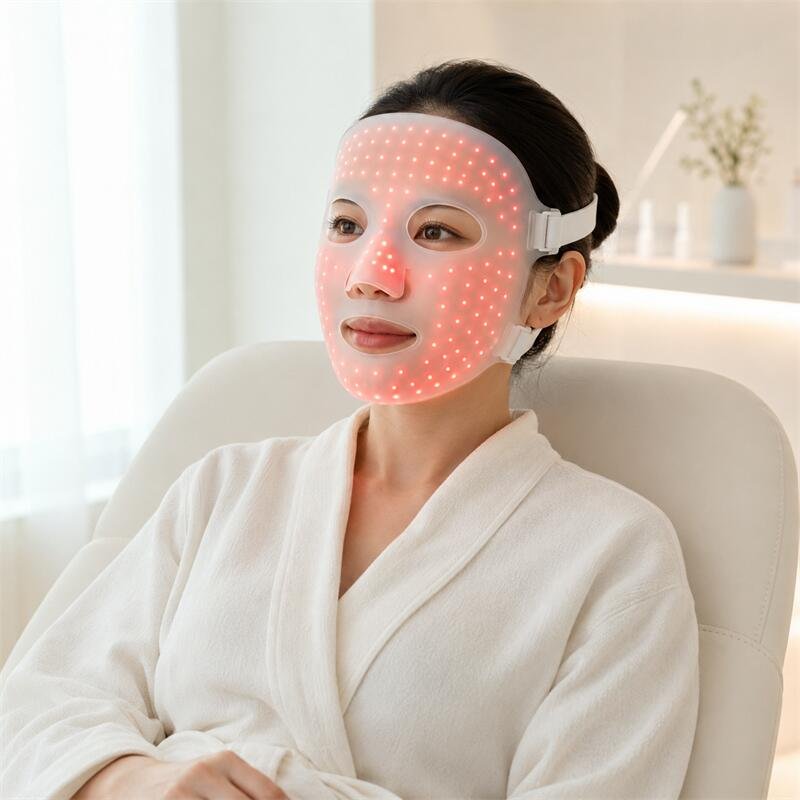
LED Face Masks
Clinically contoured LED face masks delivering targeted red and near-infrared wavelengths for skin rejuvenation, anti-aging, and acne management.
-
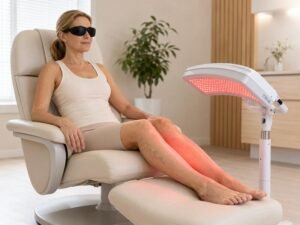
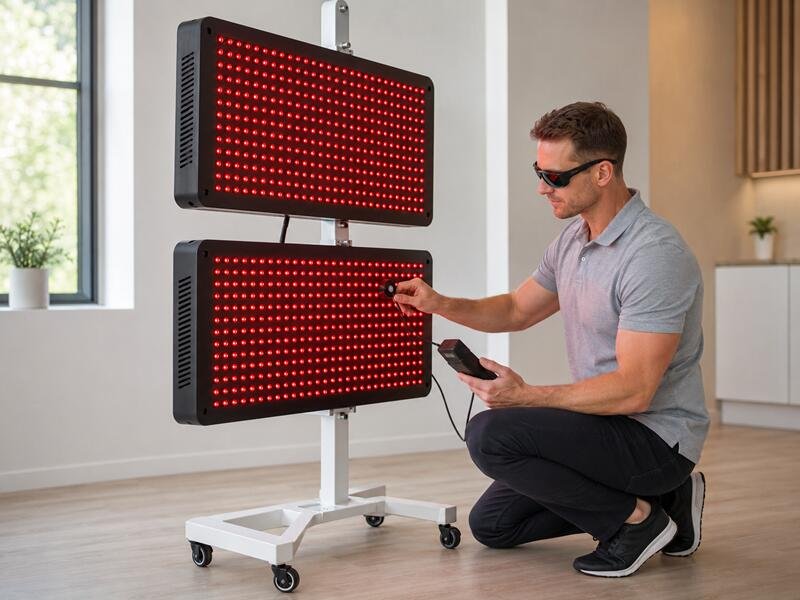
In-Clinic Overhead & Pod Systems
Professional-grade fixed installations built for high-throughput clinical and medspa environments.
-
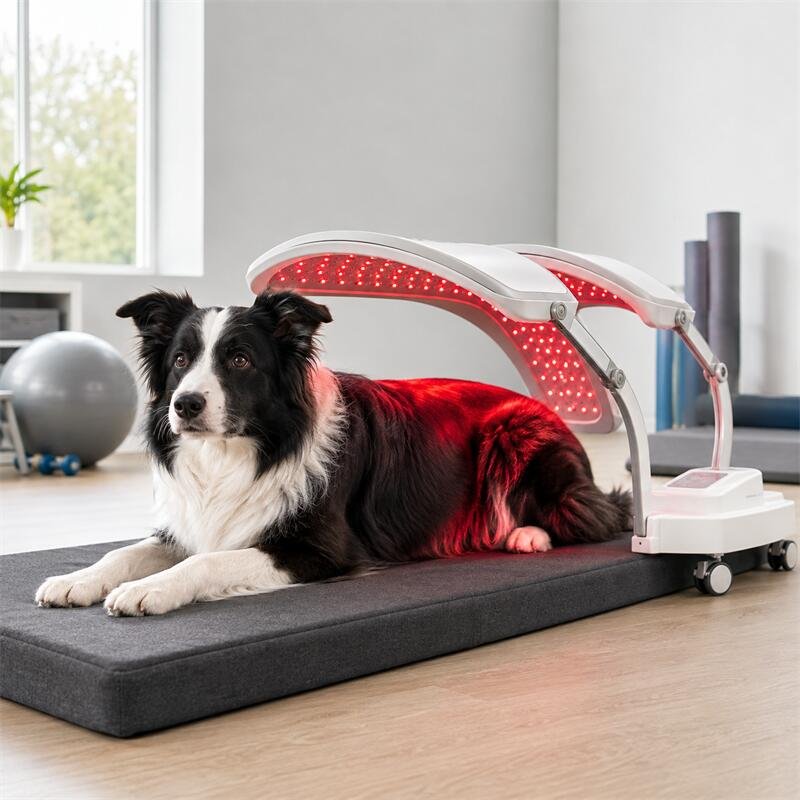
Specialty Pet Care & Veterinary Devices
Purpose-engineered devices adapted for animal physiology, supporting veterinary and pet wellness applications.
The Science: How It Works at a Cellular Level
The mechanism matters — it’s what explains why RLT produces results across a wide range of applications, and why broad efficacy claims are scientifically defensible rather than marketing overreach.
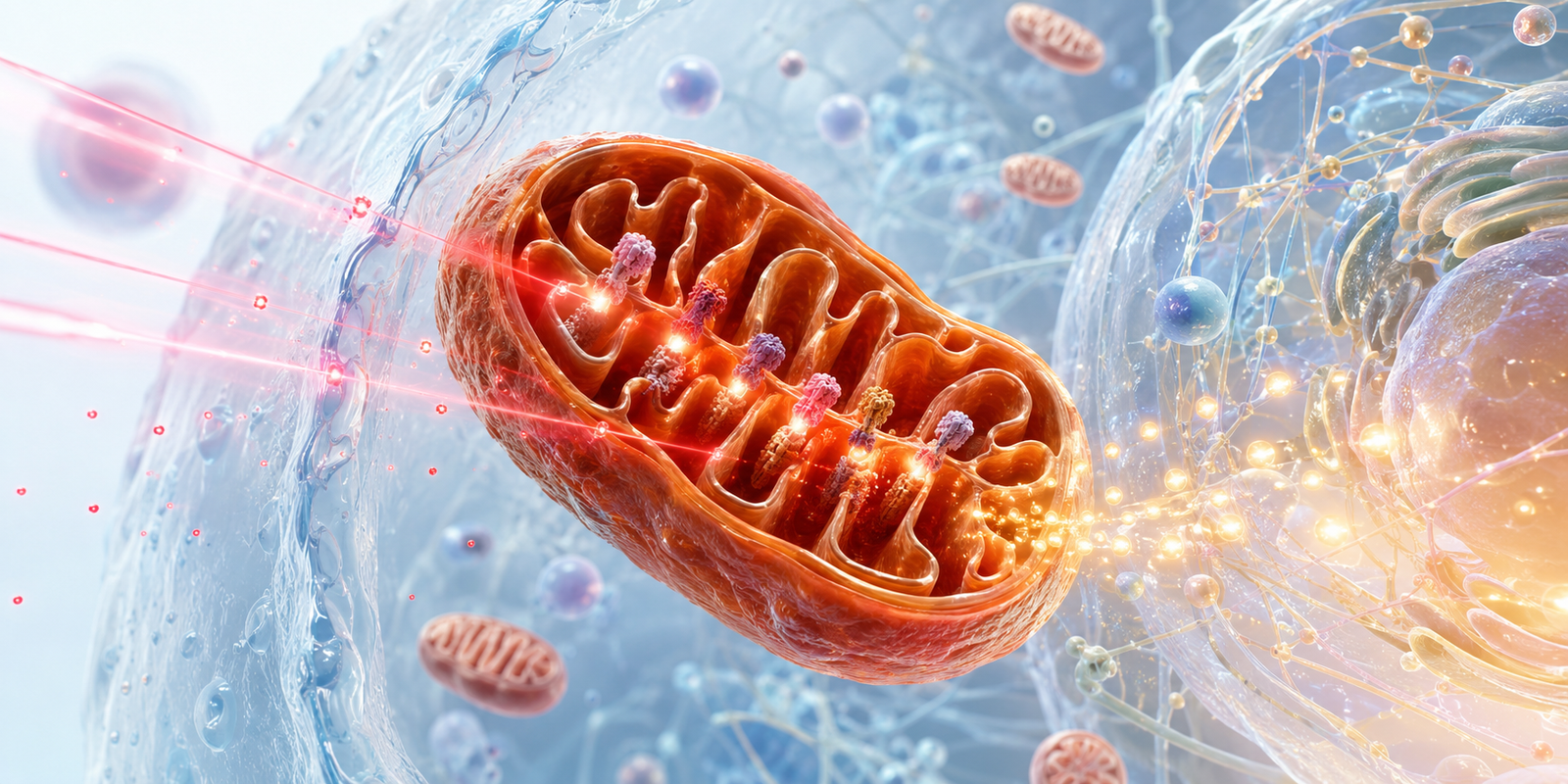
Mitochondrial Activation (ATP Production)
Red and NIR photons are absorbed by cytochrome c oxidase (CCO), a key enzyme in the mitochondrial electron transport chain. This stimulates increased ATP (adenosine triphosphate) synthesis — the cell’s primary energy currency. More ATP means cells can repair, replicate, and function more efficiently.
Reactive Oxygen Species (ROS) Modulation
Light therapy produces a controlled, transient increase in ROS within the cell, which acts as a signaling molecule. This triggers downstream anti-inflammatory and antioxidant responses — not cellular damage.
Nitric Oxide Release
RLT displaces nitric oxide (NO) from CCO — at high concentrations, NO inhibits cellular respiration. Once released, NO acts as a vasodilator, improving local blood flow, oxygen delivery, and tissue oxygenation.
Gene Expression Changes
These upstream cellular changes activate gene transcription factors, including NF-κB and AP-1, leading to upregulation of collagen synthesis, growth factors, and anti-inflammatory cytokines.
Buyer implication: Because the mechanism operates at the cellular level rather than being tissue-specific, a single well-engineered device platform can support multiple therapeutic claims — making RLT devices versatile SKUs for multi-segment distribution.
Clinical Evidence by Application
The following covers the clinical evidence across the primary application categories. It’s intended to help you assess product-market fit and build defensible claims into your marketing and sales materials.
Skin Rejuvenation & Anti-Aging
Strong Evidence
Target markets: Medical aesthetics clinics, MedSpas, skincare brands
Multiple peer-reviewed studies and systematic reviews confirm RLT’s efficacy for stimulating collagen and elastin production, reducing wrinkle depth, and improving skin tone and texture. A 2014 controlled trial published in Photomedicine and Laser Surgery (Wunsch & Matuschka) demonstrated significant improvements in skin complexion, collagen density, and elasticity across 90 subjects after 30 sessions of combined 633/830 nm treatment.
- Collagen density improvement: consistent across multiple RCTs
- Wrinkle reduction: documented in 8-12 week treatment protocols
- Post-procedure recovery acceleration: used adjunctively with ablative treatments
Pain Relief & Inflammation
Strong Evidence
Target markets: Pain management clinics, physical therapy, rehabilitation
The World Association for Laser Therapy (WALT) and multiple Cochrane-level reviews support photobiomodulation for musculoskeletal pain, neck pain, tendinopathy, and osteoarthritis. NIR wavelengths (810-850 nm) show superior tissue penetration for joint and muscle applications. A 2009 Cochrane review concluded that LLLT significantly reduces pain and disability in neck pain patients.
- Neck and back pain: Cochrane-reviewed evidence of efficacy
- Joint inflammation: anti-inflammatory cytokine modulation documented
- Fibromyalgia and chronic pain: growing evidence base
Muscle Recovery & Athletic Performance
Strong Evidence
Target markets: Fitness centers, sports recovery facilities, gyms
Pre- and post-exercise RLT application has been studied extensively, particularly in competitive sports contexts. Research published in Lasers in Medical Science and other indexed journals consistently shows reduced DOMS (delayed onset muscle soreness), faster recovery, improved strength output, and lower oxidative stress markers.
- DOMS reduction: significant results across multiple RCTs with elite athletes
- Pre-exercise priming: shown to increase short-term strength output
- Recovery acceleration: reduced biomarkers of muscle damage (CK, LDH)
Hair Growth (Androgenetic Alopecia)
Moderate-Strong Evidence
Target markets: Hair clinics, dermatology, DTC brands
Low-level laser/light therapy (LLLT) for hair loss is FDA-cleared in the US (510(k) pathway) for both male and female pattern hair loss — a meaningful regulatory signal for buyers. The mechanism involves stimulating follicle stem cells and extending the anagen (growth) phase. Multiple RCTs show statistically significant increases in hair density and terminal hair count.
- FDA-cleared devices exist for this indication (regulatory precedent established)
- Hair count increase: documented across 16-26 week study timelines
- Helmet and cap form factors: validated in published trials
Body Contouring & Fat Reduction
Moderate Evidence
Target markets: MedSpas, body contouring clinics, wellness centers
At specific parameters — particularly 635 nm at higher power densities — RLT has been shown to create transient pores in fat cell membranes (adipocytes), enabling lipid release and measurable circumference reduction. This is distinct from thermal lipolysis and requires precise irradiance dosing to produce results. FDA 510(k)-cleared devices exist for this indication (e.g., Zerona-type protocols).
- Circumference reduction: documented in RCTs with specific device parameters
- Results are highly parameter-dependent (wavelength, irradiance, session time)
- Best combined with exercise and nutrition protocols in a clinical setting
Veterinary & Pet Therapy
Growing Evidence
Target markets: Veterinary clinics, pet wellness brands, equine therapy
Photobiomodulation is increasingly used in veterinary medicine for wound healing, post-surgical recovery, arthritis, and pain management in dogs, cats, and horses. The cellular mechanism is identical across mammalian tissue. Veterinary-specific RLT devices are currently underpenetrated relative to their growth potential.
Why Device Quality Determines Results
This is the most commercially important point for buyers: the clinical studies validating RLT were conducted using devices with tightly controlled engineering parameters. A poorly manufactured device can be completely ineffective — and worse, can generate negative user experiences that directly damage your brand equity.
The Dosimetry Problem
Light therapy efficacy follows a biphasic dose-response curve (the Arndt-Schulz law): too little light is ineffective, the correct dose is therapeutic, and too much can be inhibitory. The therapeutic window is real — and hitting it consistently requires precise, validated device engineering. A device delivering 30% less irradiance than specified will produce meaningfully worse outcomes. That’s a manufacturing quality problem, not a question about whether the therapy works.
Irradiance (Power Density)
Measured in mW/cm². Must be validated at the treatment surface distance — not at the LED chip face. Many low-cost devices overstate this figure by measuring at zero distance from the emitter.
Wavelength Accuracy
LEDs must emit at the clinically validated wavelengths (±10 nm). Off-spec wavelengths miss the absorption peaks of chromophores in target tissue. LED bin selection quality determines this directly.
Treatment Coverage & Uniformity
Irradiance must be consistent across the treatment area. Poor optical design creates hotspots and dead zones, resulting in uneven therapeutic dosing — which translates to inconsistent client outcomes.
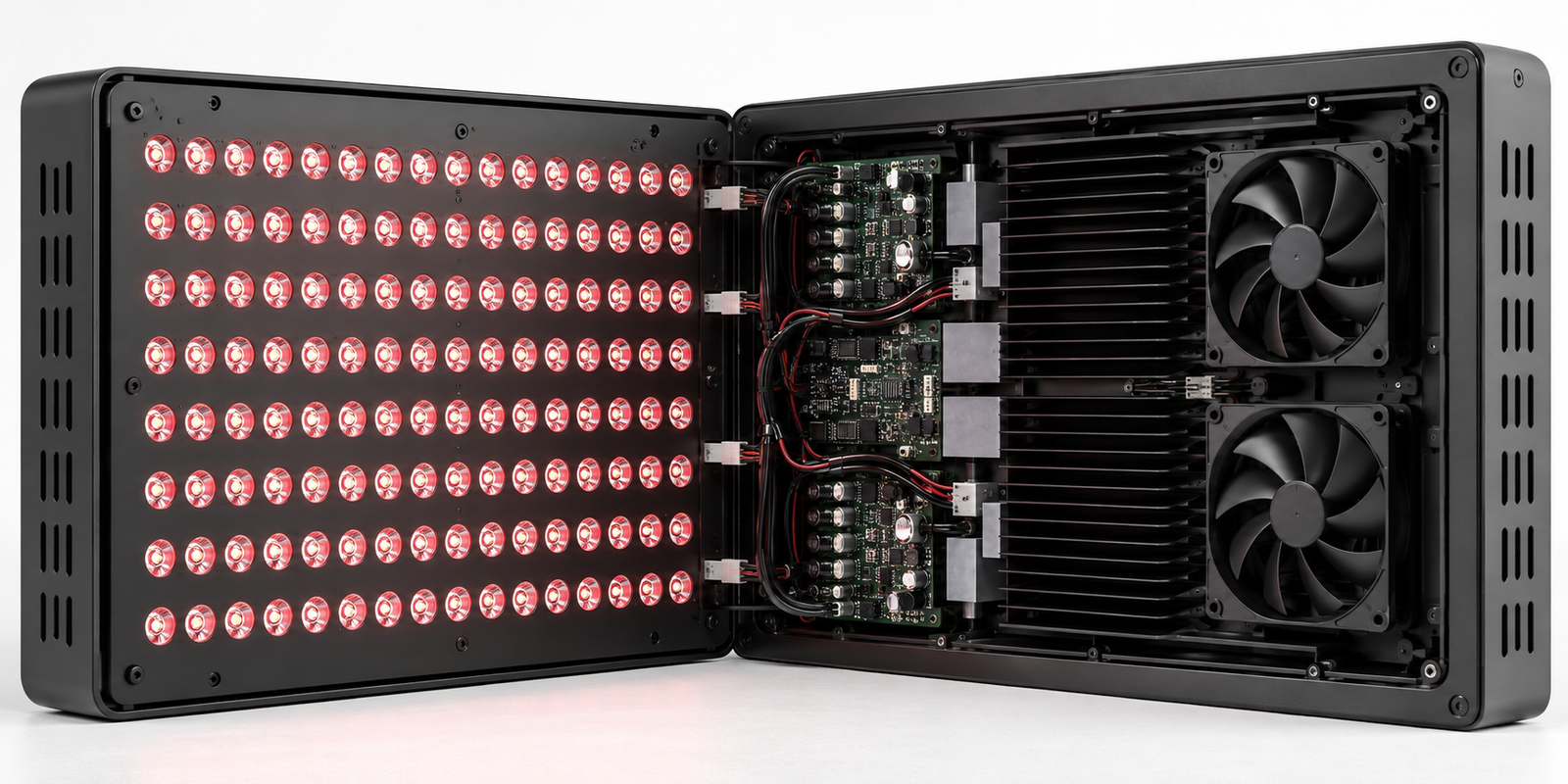
Thermal Management
LEDs generate heat. Without adequate heat sinking, junction temperatures rise — shifting wavelength output, reducing efficacy, and shortening LED lifespan. A device that degrades prematurely is a supply chain and warranty liability.
EMI Shielding & Electrical Safety
Devices without proper EMI shielding and power supply design will fail CE/FCC certification. These are not optional features for regulated markets — they are market access requirements.
LED Longevity & Lumen Maintenance
Quality LEDs maintain ≥70% initial output (L70) for 50,000+ hours. Low-grade LEDs degrade quickly. For B2B buyers, this directly affects warranty costs, return rates, customer complaints, and long-term brand trust.
Procurement Criteria: What Separates Effective Devices from Ineffective Ones
The following table functions as a procurement evaluation framework. These are the engineering and manufacturing specifications that determine whether a device will deliver clinical outcomes in real-world use — not just in a factory demo.
| Parameter | Minimum Acceptable | Clinical Grade | Verification Method |
|---|---|---|---|
| Irradiance at 6″ | ≥50 mW/cm² | ≥100 mW/cm² | Third-party spectrometer test report |
| Wavelength Accuracy | ±15 nm | ±5 nm | Spectral power distribution report |
| LED Lifespan (L70) | ≥20,000 hrs | ≥50,000 hrs | Manufacturer LM-80 data or TM-21 projection |
| EMF Emission | <3 µT at treatment distance | <1 µT | EMF meter test report at stated distance |
| Flicker Rate | <30% modulation depth | 0% (flicker-free) | Flicker meter or oscilloscope trace |
| Operating Temp | <50°C surface temp | <40°C | Thermal imaging after 30-min runtime |
| Certifications | CE or FCC (one market) | CE + FCC + ISO 13485 | Valid certification documentation |
Market Applications & Positioning Opportunities
Knowing where the evidence is strongest helps you match product selection to market positioning. Here’s how clinical confidence maps to commercial opportunity in practice.
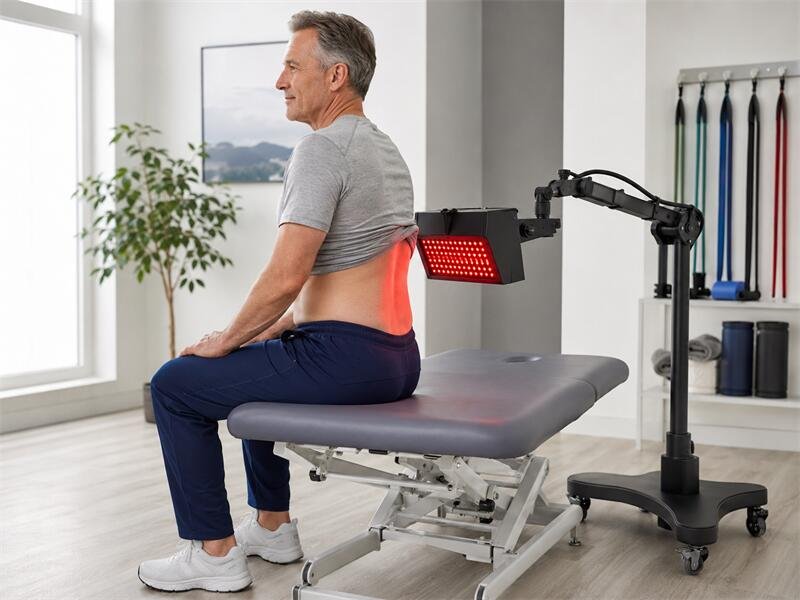
Medical Aesthetics & MedSpas
Highest revenue per device. Clients are outcome-literate and expect clinical-grade results. LED facials, full-body panels, and post-treatment recovery applications are the main use cases. Premium positioning is well-supported by the skin and pain evidence base.
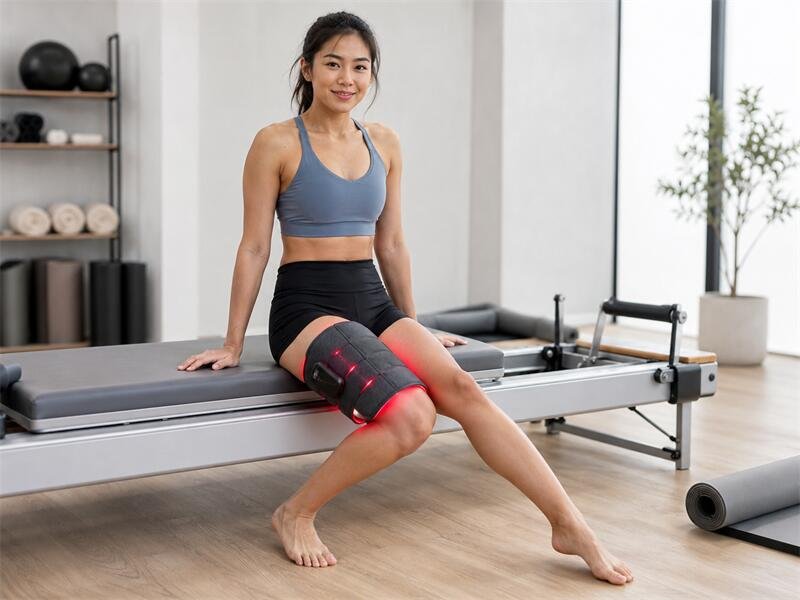
Fitness & Sports Recovery
Volume-driven segment. Gyms, Pilates studios, and recovery centers add RLT as a premium upsell service. The muscle recovery evidence base is strong. Full-body panels and targeted pads are the primary SKUs for this channel.
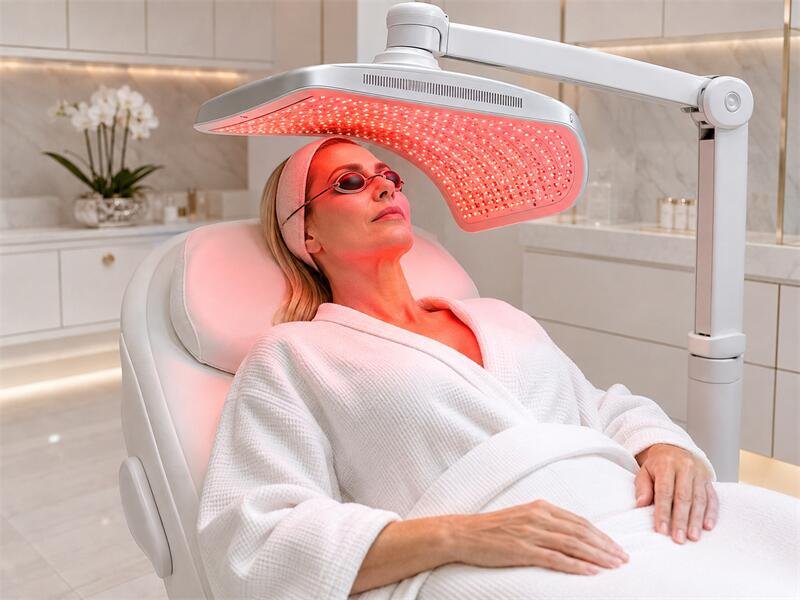
Physical Therapy & Rehabilitation
High-evidence segment with longer purchasing cycles. Clinical buyers require documentation, certifications, and peer-reviewed support before purchasing. Pain and anti-inflammatory applications dominate. Post-sale reliability and support matter as much as upfront specs.
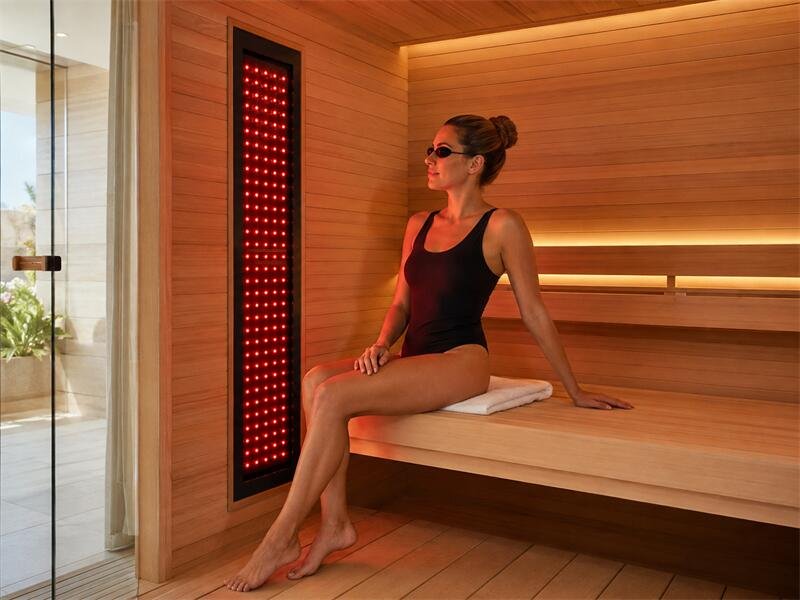
Wellness Centers, Spas & Saunas
Lifestyle and relaxation positioning. Saunas increasingly integrate RLT panels as a standard feature. Clinical scrutiny is lower than in medical segments, but build quality and aesthetics matter significantly in client-facing environments.
Compliance, Certifications & Risk Management
Regulatory compliance isn’t something to address after product launch — it determines whether you can sell at all in your target market, and it protects your brand from liability exposure. Here’s what buyers need to know about the certification landscape for RLT devices.
CE Marking (EU / UK)
Required for sale in the European market. For RLT devices positioned as general wellness products, the applicable directives are typically the Low Voltage Directive (LVD) and EMC Directive. Devices marketed with specific medical claims fall under the EU MDR 2017/745 — a significantly more rigorous and time-intensive pathway.
Buyer action: Clarify the intended claim level with your legal team before determining which CE pathway applies to your product. This decision affects product design, documentation, and timeline.
FCC Certification (USA)
Required for all electronic devices sold in the US market. Covers electromagnetic interference compliance. FCC certification is separate from FDA — holding FCC does not constitute medical device clearance. For US market entry, FCC is mandatory regardless of the claim level you’re marketing under.
Buyer action: Require genuine FCC ID documentation from your manufacturer — not self-declarations. Verify the FCC ID is registered to the actual device model you’re purchasing.
FDA 510(k) Clearance (USA Medical Device)
Required when marketing with specific therapeutic claims — hair growth, pain relief, and similar indications. Requires demonstrating substantial equivalence to a predicate device. Average processing times run 12-18 months. This pathway is typically reserved for brands targeting the professional clinical market with specific, measurable outcome claims.
Buyer action: Most general wellness RLT products sell under the general wellness device exemption. Define your claim strategy with regulatory counsel before finalizing product design — it affects documentation requirements and manufacturing controls.
ISO 13485 (Quality Management System)
The international standard for medical device quality management systems. A manufacturer holding ISO 13485 certification has demonstrated that their production processes, design controls, and complaint handling meet medical-grade requirements. This is a key differentiator when assessing OEM/ODM partners for clinical market product lines.
Buyer action: For any clinical-grade product line, require valid ISO 13485 certification documentation as a baseline supplier qualification criterion — not an optional nice-to-have.
Frequently Asked Questions
Common questions we hear at the sourcing and evaluation stage.
How long does a red light therapy session need to be to produce results?
Session duration depends on the device’s irradiance output and the depth of the target tissue. A high-irradiance panel (≥100 mW/cm²) can deliver a therapeutic dose in 10-20 minutes at 6 inches. Lower-powered devices may need 30-45 minutes or longer to reach the same energy density (J/cm²). For clinical protocols, total dose matters — not just session time. Devices marketed with vague “10-minute session” claims, without specifying irradiance, are typically underperforming. When evaluating devices for your portfolio, always request a dose calculator or irradiance chart — not just a recommended session duration.
What is the difference between red light therapy and near-infrared therapy — do I need both?
Red light (630-680 nm) penetrates skin to roughly 1-2 mm depth, making it most effective for surface-level applications: collagen stimulation, wound healing, acne, and facial rejuvenation. Near-infrared light (810-850 nm) reaches 3-5 cm into tissue — deep enough for muscle, joints, and neural structures. For pain relief, muscle recovery, and joint inflammation, NIR is the clinically active wavelength range. Most full-body panels and professional-grade devices combine both (typically 660 nm + 850 nm) to cover the broadest range of applications. A skincare-only SKU can work as a red-only device. For anything involving pain, recovery, or rehabilitation claims, NIR is not optional.
Are red light therapy devices safe? What are the contraindications buyers should know?
Red and near-infrared light therapy carries a strong safety record across decades of research. It is non-ionizing, non-thermal at therapeutic doses, and does not damage DNA or tissue. That said, buyers distributing into professional markets should be aware of standard contraindications that need to be documented clearly by your manufacturer: direct eye exposure without shielding (all devices require appropriate eye protection warnings), use over active malignancies, use during pregnancy (due to lack of safety data, not confirmed harm), concurrent photosensitizing medications, and proximity to implanted electronic devices. From a product liability standpoint, ensure your OEM partner provides complete contraindication documentation and appropriate labeling as part of the product file. A properly written IFU (Instructions for Use) is a CE and FDA compliance requirement — not an optional add-on.
How many LED chips does a device need, and does higher chip count mean better performance?
LED chip count is a commonly misused marketing metric. What actually matters is total irradiance at treatment distance, coverage uniformity, and optical design — not raw chip numbers. A panel with 300 high-quality, properly driven LEDs can outperform one with 600 inferior chips running at reduced drive currents to manage heat buildup. When evaluating specifications, always request third-party irradiance data (mW/cm²) measured at 6 and 12 inches. Chip count figures presented without accompanying irradiance measurements are a red flag in supplier communications.
What is the minimum order quantity (MOQ) for OEM red light therapy devices, and how does it affect pricing?
MOQ varies significantly by product category and manufacturer. For standard catalog OEM products — panels, masks, handheld devices — MOQ typically ranges from 50 to 500 units depending on the model and customization level. ODM projects involving custom tooling, firmware, or industrial design generally require higher volumes (300 to 1,000+ units) to recover development costs. Pricing follows tiered volume breaks, with meaningful reductions at the 100, 500, and 1,000+ unit thresholds. For brand owners entering a new product category, working with a manufacturer offering flexible MOQ on proven platform designs is a lower-risk starting point than committing to full ODM development before you’ve validated the market.
How do I verify that a manufacturer’s irradiance and wavelength specifications are accurate?
Specification verification is one of the most important steps in supplier qualification. Request third-party test reports — not manufacturer self-declarations — showing irradiance measured at multiple distances (typically 0, 6, and 12 inches) using a calibrated spectrometer or radiometer. Wavelength accuracy should be confirmed via a spectral power distribution (SPD) report from an accredited laboratory. For prototype evaluation, consider commissioning independent testing before placing production orders. Manufacturers with genuinely clinical-grade devices will have no hesitation providing this documentation. Any evasiveness around test data should be treated as a disqualifying signal.
Can the same device platform be used across multiple applications — skin, pain, and recovery?
Yes — and this is one of the genuine commercial advantages of photobiomodulation. A full-body panel with a 660/850 nm dual-wavelength configuration covers the clinically validated range for skin rejuvenation (red), pain and inflammation (NIR), and muscle recovery (NIR). The same hardware can be marketed across wellness, fitness, and aesthetics verticals with different messaging, packaging, and recommended protocols. This versatility makes multi-application platforms high-value SKUs for distributors managing diverse customer segments. That said, form factor still matters: a full-body panel isn’t the right tool for localized joint pain, where a wearable belt or targeted pad will deliver better user experience and treatment compliance. Platform decisions should always be made with the end user’s actual use case in mind.
How long does it take to see results from red light therapy, and what should I tell my end customers?
Timelines vary by application. For acute pain relief and muscle recovery, users often report noticeable improvement within 1-4 sessions. For skin rejuvenation and collagen remodeling, clinically documented improvements typically emerge at 4-8 weeks of consistent use (3-5 sessions per week). Hair growth protocols show statistically significant results at 16-26 weeks. Setting accurate expectations at point of sale is critical for retention and customer satisfaction — overselling speed of results is one of the main drivers of returns and negative reviews in this category. Building evidence-referenced protocol guides into your packaging or onboarding materials significantly reduces user dropout and the support burden that comes with it. Your OEM partner should be able to support you in developing this documentation as part of the product file.
What warranty terms should I expect from an OEM manufacturer, and how do I manage after-sales risk?
Industry-standard warranty terms for OEM LED therapy devices range from 12 to 36 months for manufacturing defects. Clinical-grade devices with quality LED components should carry at least a 2-year warranty given their expected L70 lifespans of 50,000+ hours. When negotiating OEM agreements, clarify: what qualifies as a warranty claim, who covers return shipping costs, what the replacement unit turnaround time is, and whether spare parts are kept in stock. After-sales risk can be further managed by requiring incoming inspection (IQC) reports, pre-shipment burn-in testing, and holding safety stock buffer inventory. Manufacturers who provide detailed quality control documentation as part of the supply agreement are consistently lower-risk partners over the long term.
What is pulsed vs. continuous wave light delivery, and does it matter for device selection?
Continuous wave (CW) delivers steady, uninterrupted light output. Pulsed mode cycles the light on and off at specific frequencies — typically between 1 Hz and 10,000 Hz — which some research suggests may enhance certain biological responses, particularly for neural and brain tissue applications. For the established core applications — skin rejuvenation, pain relief, and muscle recovery — continuous wave at the correct irradiance dose is well-validated and clinically sufficient. Pulsed mode adds firmware complexity and requires accurate frequency calibration to be meaningful. For premium devices targeting neurological wellness or cognitive performance positioning, pulsed capability adds differentiation value. For standard wellness and aesthetics applications, prioritize validated irradiance output over pulsed mode as a headline feature.
Conclusion: The Buyer’s Verdict
✓ Red Light Therapy Works — With The Right Device
The scientific consensus is clear: photobiomodulation is a validated, mechanism-backed therapeutic modality with a well-established evidence base across skin rejuvenation, pain relief, muscle recovery, hair growth, and body contouring. It is not pseudoscience. It is not a trend that is about to fade. It is a maturing clinical modality moving steadily into mainstream wellness and medical channels globally.
So here’s the bottom line: red light therapy isn’t magic — it’s physics, biology, and a whole lot of peer-reviewed papers that took decades to accumulate. The photons don’t care about your branding. They care about irradiance, wavelength, and exposure time. Get those right, and your customers see results. Get them wrong, and you’ve basically sold a very expensive nightlight.
The real competitive advantage in this market isn’t finding the cheapest panel — it’s finding the manufacturer who actually knows the difference between 660 nm and 670 nm, and why it matters. Your sourcing decision is, quite literally, the moment where clinical evidence either reaches your customer or quietly disappears into the packaging foam.
That’s exactly where MedLight comes in. With OEM/ODM manufacturing built around verified specifications, CE and FCC compliance support, and engineering that doesn’t treat thermal management as an afterthought — we help your brand deliver what the science actually promises. Because when your customers get real results, they come back. And that’s a better growth strategy than any marketing campaign.