Overview
—
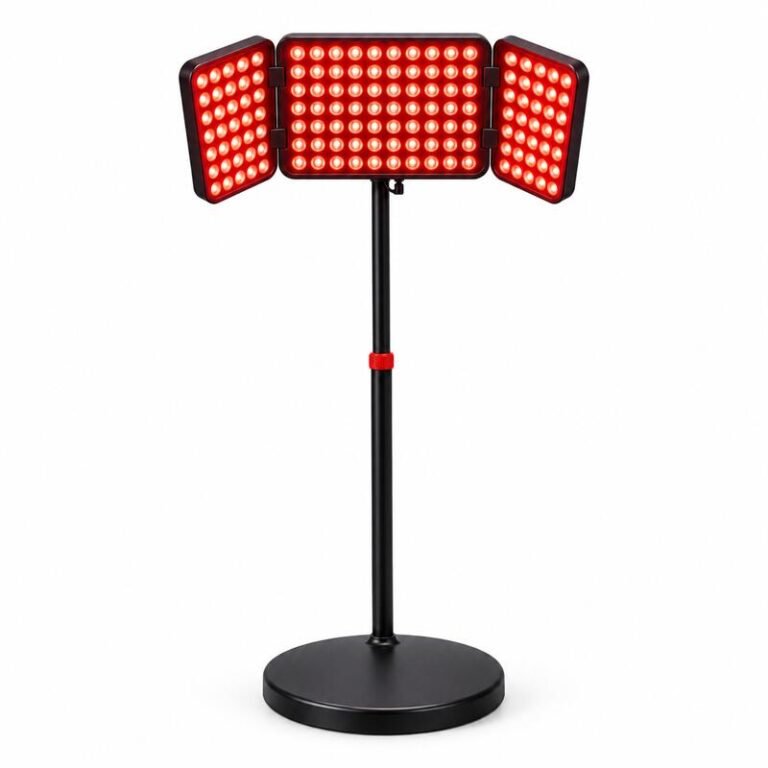
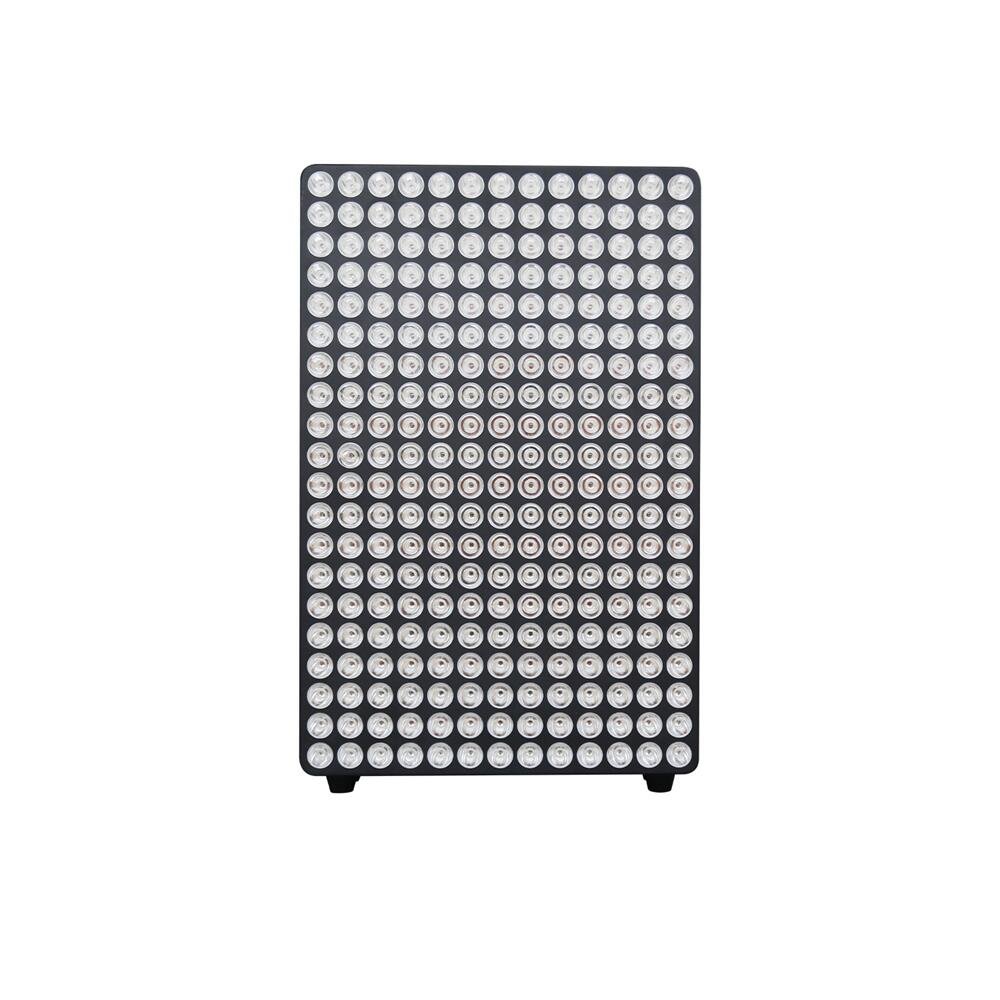
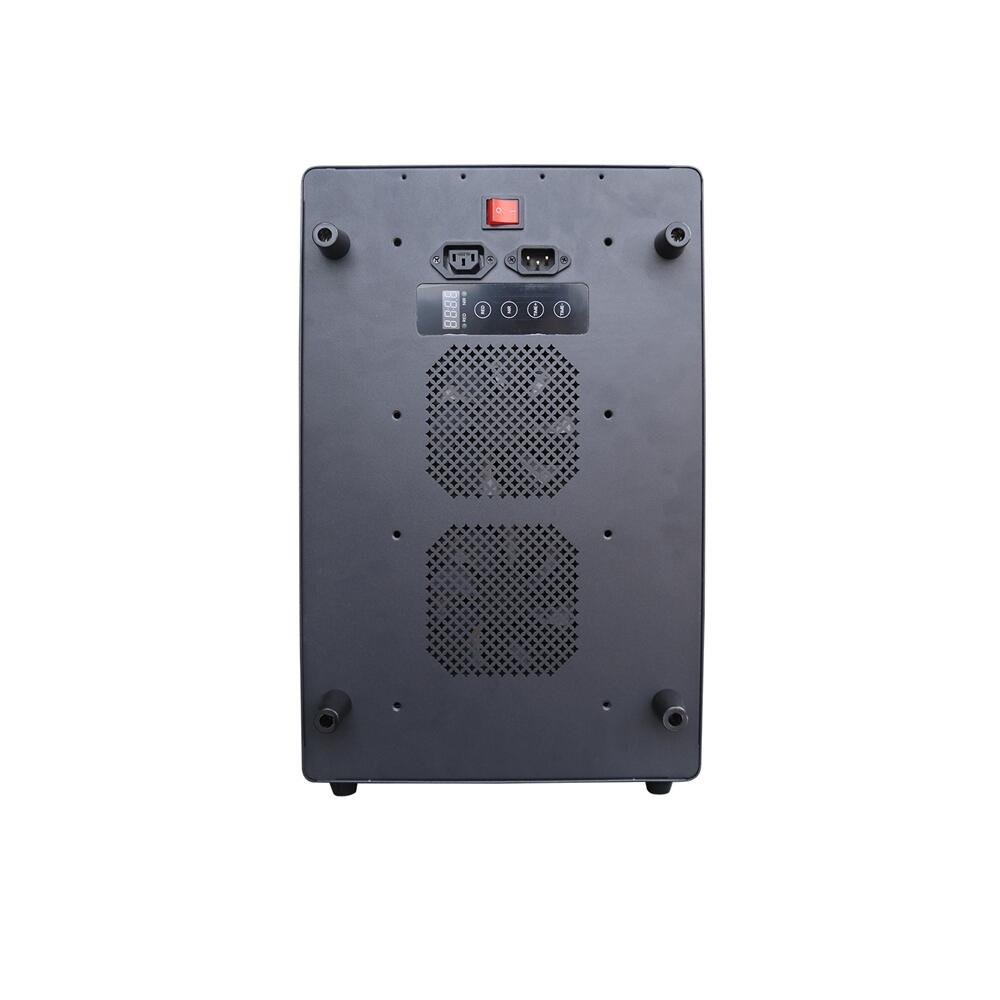
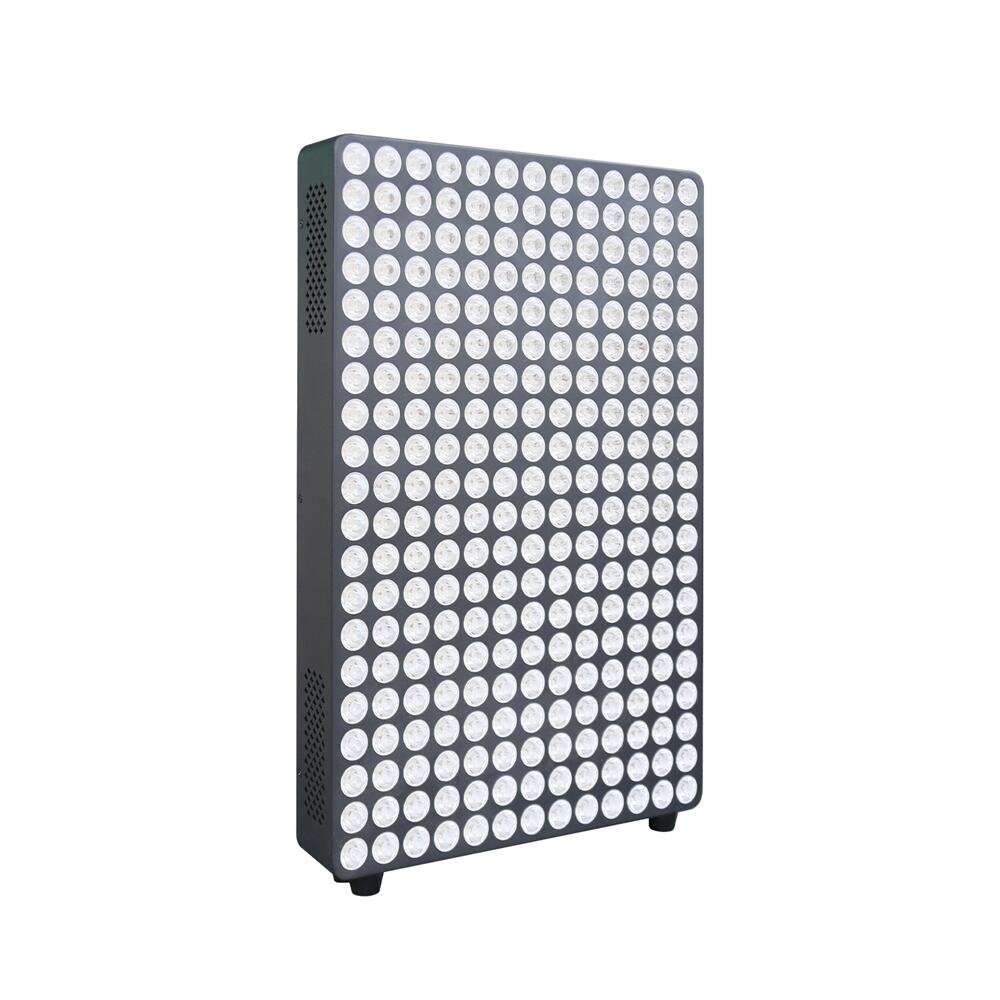
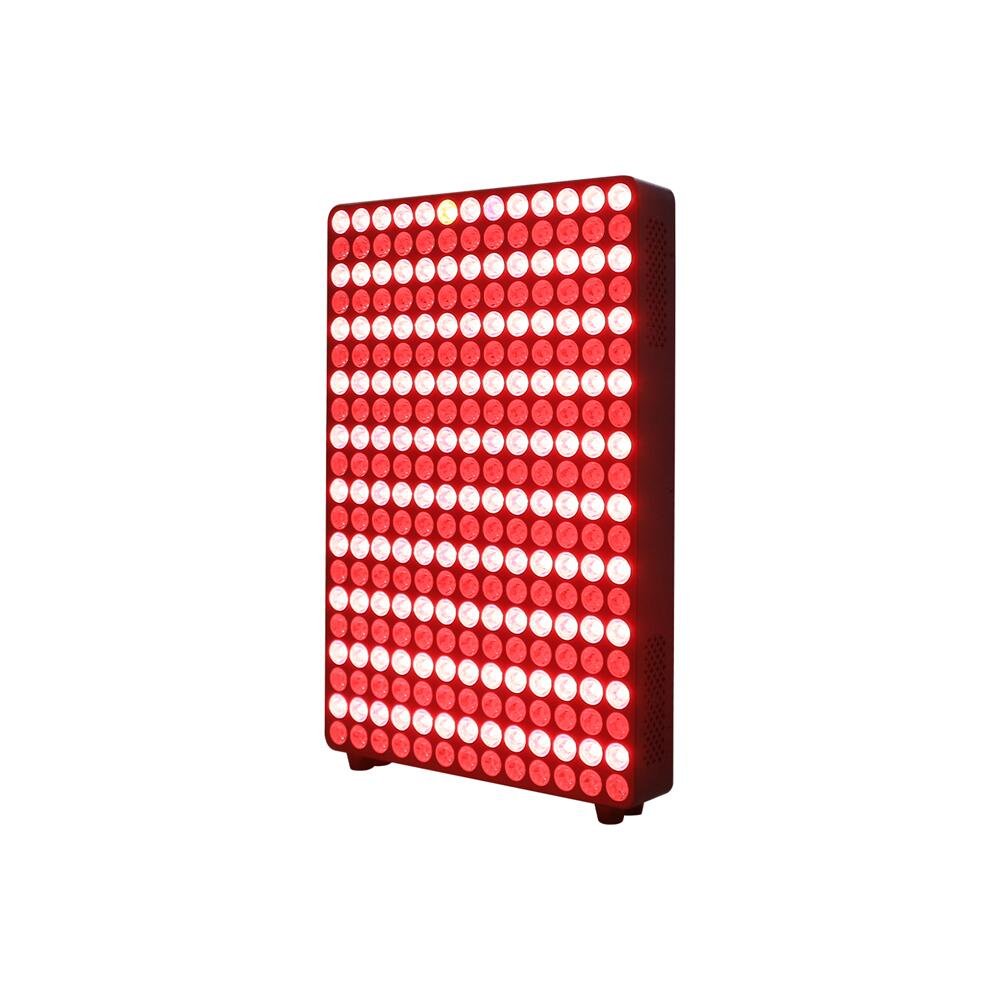
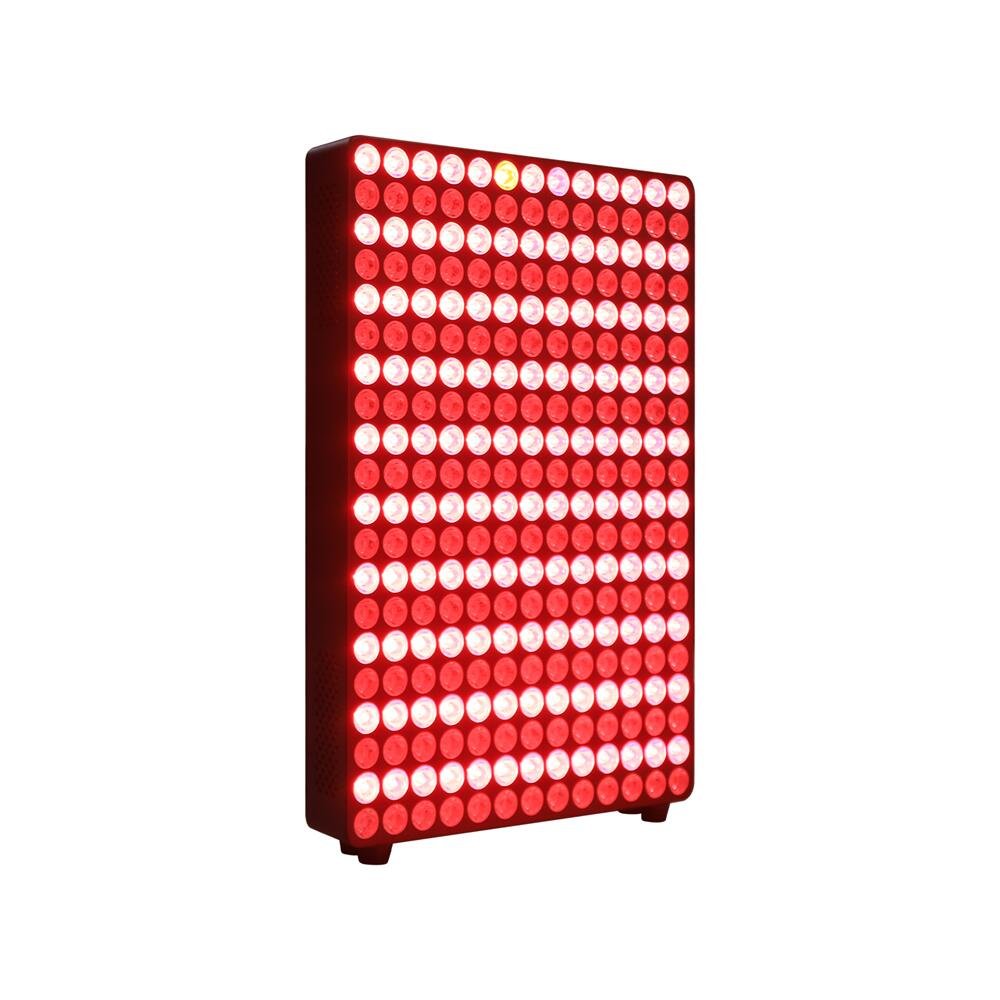
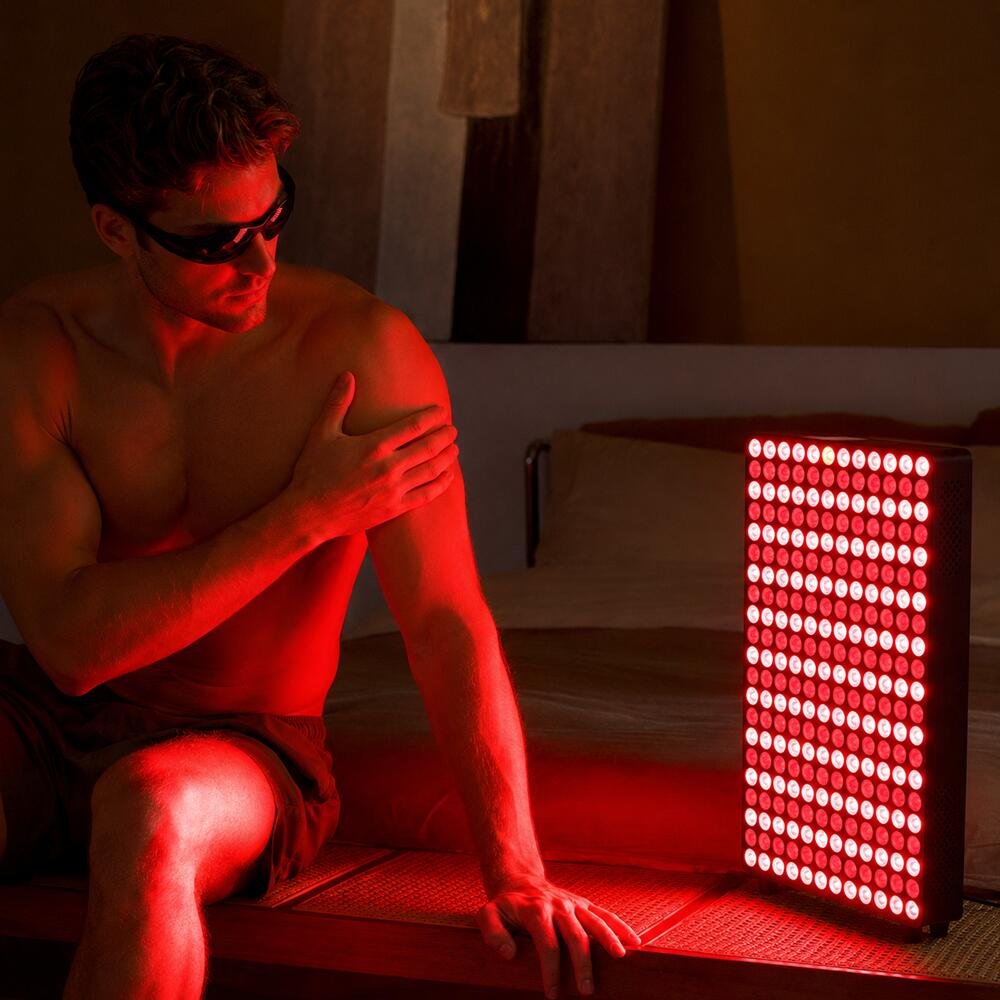
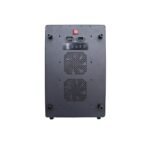
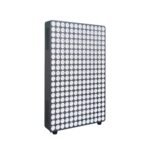
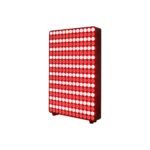
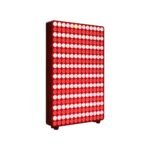
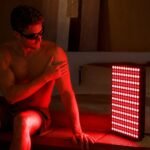
ML260 is a targeted compact LED red light therapy panel designed for focused red and near infrared light therapy applications. It is suitable for home wellness product lines, beauty studios, small treatment rooms, tabletop use, and private label product projects.
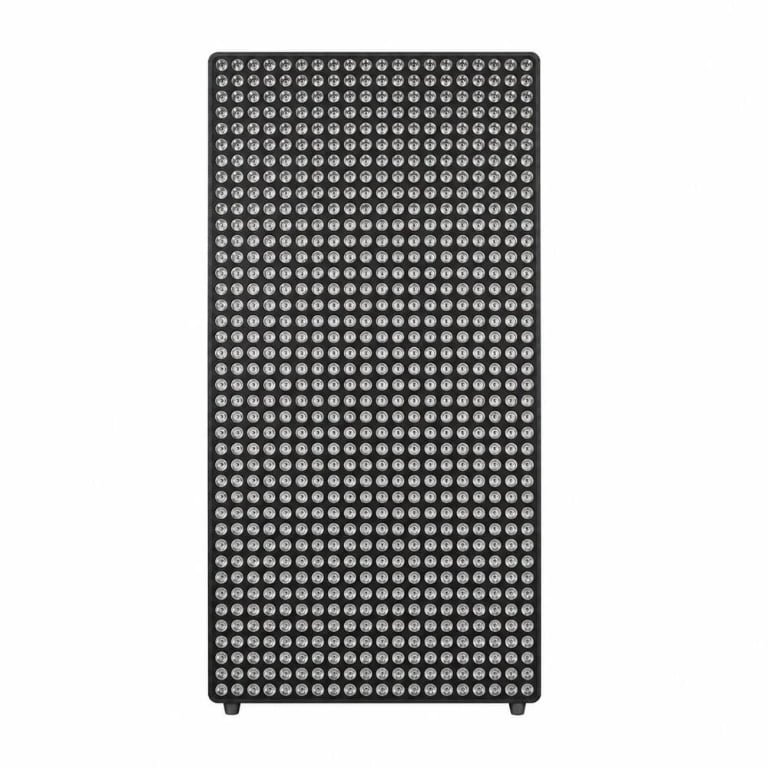
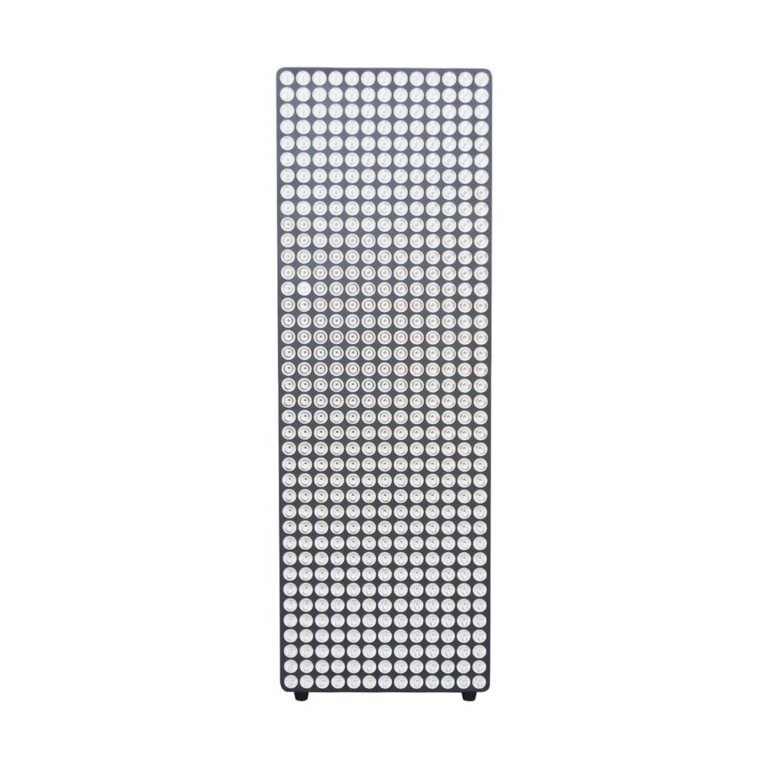
This model is compact in size, but it is not a basic entry-level panel. With 260 LEDs, 5 wavelengths, and a high-density LED layout, it offers stronger specification value than many small red light therapy panels in the same size range.
This model uses five wavelengths:
• 630nm
• 660nm
• 810nm
• 830nm
• 850nm
How the wavelengths work:
• 630/660nm red light
Commonly used for surface-level wellness routines, skin appearance support, facial care, and beauty-focused applications.
• 810/830/850nm near-infrared light
Invisible to the human eye and used when deeper light penetration is required for localized body support, muscle and joint wellness, recovery, and relaxation routines.
The device supports three working modes:
• Red + NIR
• Red Light
• NIR
Compared with a standard compact red light therapy panel, ML260 provides a higher LED quantity and stronger irradiance output within a small steel housing. It can work as a standalone red light therapy device or as an entry model in a wider led light therapy product range.
Benefits
—
ML260 is designed for projects that need compact size, strong output, and flexible product positioning.
| Benefit | What It Means |
|---|---|
| Compact panel size | Easy to place on a table, shelf, treatment cart, or small therapy corner |
| High-density 260 LED layout | More LEDs in a compact body for stronger specification value |
| 5-wavelength design | Combines red light and near infrared light in one device |
| Targeted application | Suitable for face, shoulders, knees, back, joints, and local body areas |
| Strong irradiance output | Helps position the product as a compact but powerful led red light therapy panel |
| Simple working modes | Red + NIR, Red Light, and NIR modes are easy to understand |
| Steel housing | Stronger structure for regular use and repeated handling |
| Low EMF and no flicker | Suitable for wellness-focused product positioning |
| Remote control included | Easier operation for personal use and small treatment rooms |
| Private label friendly | Suitable for logo, packaging, manual, and product line customization |
This model works well when a big panel is not necessary, but a simple low-power device is not enough.
For product brands, ML260 can be positioned as a compact red light therapy panel, small red light therapy panel, targeted red light therapy panel, or tabletop red light therapy panel.
Technical Specifications
—
| Item | Specification |
|---|---|
| Product Name | Targeted Compact Led Light Therapy Panel |
| Model | ML260 |
| LED Quantity | 260 pcs |
| Wavelengths | 630 / 660 / 810 / 830 / 850nm |
| Power Consumption | 361W |
| Output Power | 358W |
| Beam Angle | 30° |
| Timer | 0–30 minutes |
| Working Modes | Red + NIR / Red Light / NIR |
| Input Voltage | 90–240V |
| Max Current | 1A |
| Cooling Fans | 2 pcs |
| Material | Steel |
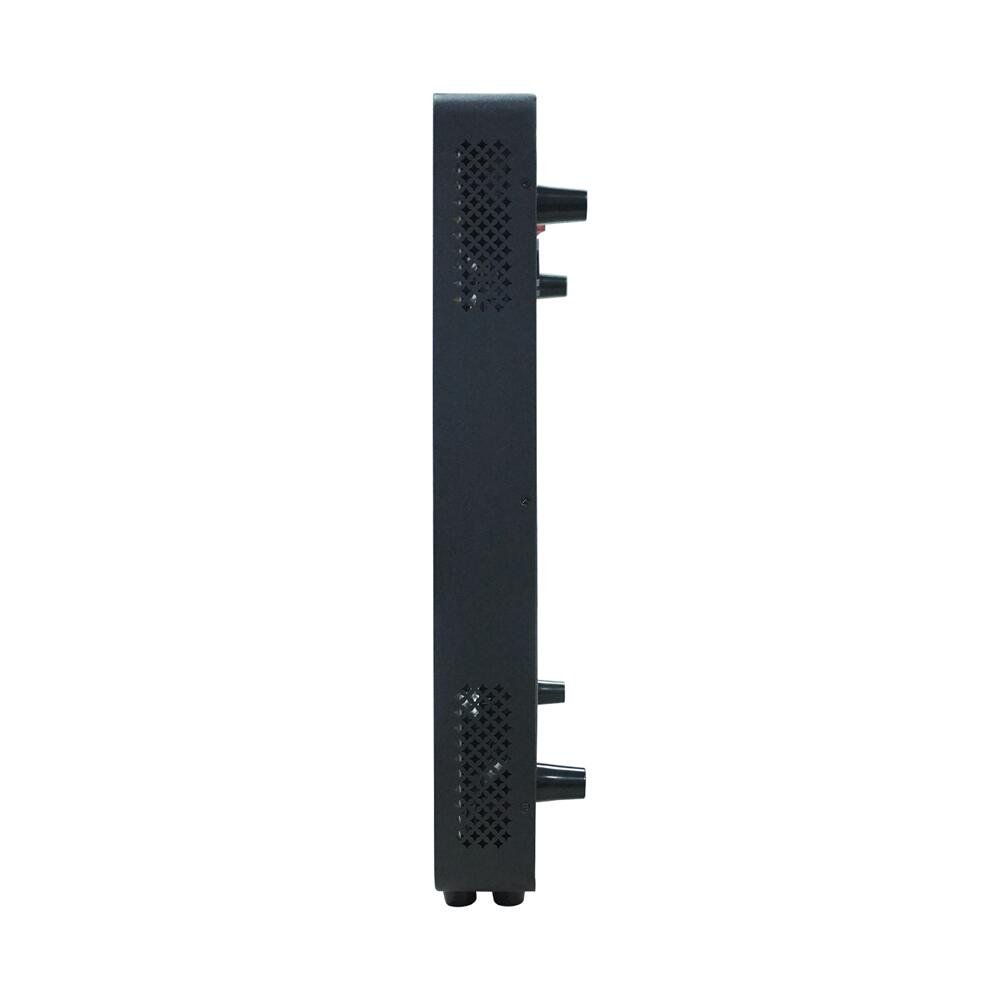
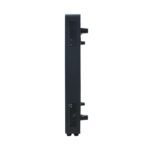
| Product Size | 46.2 × 30.1 × 6 cm |
| Net Weight | 5.8 kg |
| EMF Emission | 0 |
| Flicker | No |
| Sound Level | 45 dB at 15cm |
| Remote Control | Yes |
| Bluetooth / App | No |
| IP Level | IP21 |
| LED Lifespan | 100,000 hours |
| Warranty | 2 years |
Irradiance output:
| Distance | Irradiance |
|---|---|
| 3 inches | 300 mW/cm² |
| 6 inches | 250 mW/cm² |
| 9 inches | 220 mW/cm² |
| 12 inches | 210 mW/cm² |
| 18 inches | 210 mW/cm² |
Wavelength configuration:
| Wavelength | Type | Application Focus |
|---|---|---|
| 630nm | Red Light | Surface-level skin wellness routines |
| 660nm | Red Light | General red light therapy applications |
| 810nm | Near Infrared | Deeper body support routines |
| 830nm | Near Infrared | Muscle and joint wellness support |
| 850nm | Near Infrared | Recovery and relaxation routines |
Simple positioning:
| Product Need | Fit |
|---|---|
| Compact red light therapy panel | Suitable |
| Small red light therapy panel | Suitable |
| Targeted red light therapy panel | Suitable |
| Tabletop red light therapy panel | Suitable |
| High density red light therapy panel | Suitable |
| Red and near infrared light therapy panel | Suitable |
| Full-body coverage | Better to choose a larger panel |
| Large commercial room setup | Better to choose a larger model |
Applications
—
ML260 is suitable for targeted applications where compact size and strong output are both important. It is a practical option for small spaces, focused treatment areas, and product lines that need a compact but competitive red light therapy led panel.
| Application Area | How It Can Be Used |
|---|---|
| Home Wellness Devices | Compact size, simple operation, and easy daily placement |
| Beauty and Skincare Use | Red light wavelengths for surface-level care and facial routines |
| Small Treatment Rooms | Strong output without requiring a large installation space |
| Targeted Body Use | Suitable for face, shoulder, knee, back, joints, and local areas |
| Tabletop Use | Easy to place in small rooms, clinics, studios, or treatment corners |
| Wellness Studios | Useful as a compact add-on device for focused sessions |
| Online Retail Products | Lower shipping volume and easier stock planning |
| OEM / Private Label | Suitable for branded compact led light therapy device programs |
For distributors and brand owners, ML260 can work well as an entry model in a wider panel series. It gives customers a smaller product option while still keeping a strong technical story.
It can also be used together with larger near infrared light devices and full-body panels to build a complete red light therapy product range.
What’s Inside
—
A standard package usually includes:
• ML260 led light therapy panel
• Power cable
• Remote control
• User manual
• Protective packaging
• Standard accessories
For private label and custom projects, packaging and documentation can be adjusted based on market needs.
Optional support may include:
• Logo branding
• Housing color options
• Neutral or customized user manual
• Retail packaging design
• Model naming and product line planning
• Technical specifications and marketing materials
• Product images and content support
• Sample testing before bulk production
For compact product programs, we can also discuss:
• Target market positioning
• Plug type
• Label design
• Carton design
• Starter kit configuration
• E-commerce packaging needs
• Matching larger models for a complete product series
The final package can be confirmed based on order quantity, sales channel, branding requirements, and target market.
Direct Buying Guide Comparison
—
Choosing the right device format depends on your lifestyle, target area, and workspace:
| Panel Type | Best For | Typical Features | Advantages |
|---|---|---|---|
| Tabletop / Compact | Targeted facial care, neck, and small muscle groups | Integrated kickstands, compact frames, single-button operation | Portable, highly affordable, fits easily on desks or nightstands |
| Flexible / Contoured | Joint wrapping, full face, and direct skin contact | Soft silicone or multi-hinge molds, strapping systems | Zero distance from skin ensures maximum absorption and coverage |
| Full Body Vertical | Athletes, full body rejuvenation, and deep tissue recovery | Door-mounting hanging kits, heavy stands, cooling fans | Massive surface area coverage; saves time by treating the entire torso at once |
If you are looking for localized treatment, consider searching for high-quality providers locally, such as Wylder Esthetics or Lemon Lounge Skincare Studio, which offer specialized in-office sessions.
To help me find your ideal device, what are your primary health or skincare goals (e.g., anti-aging, acne, muscle recovery)? Additionally, do you prefer a portable desktop unit or a full-body setup?
FAQ
—
1. How does red light therapy help me get physically stronger?
Red light therapy may help improve strength by supporting how muscles produce and use energy. Red and near-infrared wavelengths may work on the mitochondria inside muscle cells, helping them produce more ATP.
When muscles have better energy support, they may contract more efficiently, resist fatigue better, and recover faster between workouts. It does not replace exercise. It helps create a better environment for muscles to become stronger through training.
2. Can red light therapy help prevent muscle loss as we get older?
Red light therapy may help support muscle quality and function as people age, especially when used together with resistance training and proper nutrition.
As we get older, muscle loss is often linked with lower mitochondrial function, chronic inflammation, and slower recovery. Red and near-infrared light may help support mitochondrial efficiency, reduce oxidative stress, and assist muscle repair. This makes it useful for healthy aging, fitness recovery, and long-term strength maintenance.
3. Should I use red light therapy before or after workouts?
Both can be useful, but the timing depends on the goal.
Before a workout, red light therapy may help support muscle energy, blood flow, power output, and fatigue resistance. This can be useful before training, sports, or competition.
After a workout, it may help reduce exercise-related inflammation, support muscle repair, improve recovery time, and reduce soreness. For most users, post-workout use is often the more practical choice for recovery.
4. Does red light therapy stimulate the production of new muscle cells?
Red light therapy may support muscle regeneration indirectly. It may help activate satellite cells, which are involved in repairing and rebuilding muscle fibers after training.
This does not mean red light therapy creates muscle without exercise. It works best when combined with strength training, nutrition, and rest. Its main value is supporting the repair and recovery process that allows muscles to grow stronger over time.
5. Is staring at the sun beneficial?
Natural sunlight is important for the body, but staring directly at the sun is not recommended.
The eyes can receive natural light safely through normal outdoor exposure, but direct sun-gazing may damage the retina and affect vision. For wellness routines, it is better to use sunlight safely and avoid looking directly at the sun.
6. Can light therapy improve grip strength or grip endurance?
Red light therapy may support grip strength and endurance by helping the muscles produce energy more efficiently and recover better.
For hands, forearms, or sports that rely heavily on grip, red light therapy may help support mitochondrial function, muscle repair, and reduced muscle damage after repeated use. This can be useful for athletes, fitness users, and people focused on functional strength.
7. How does red light therapy impact oxygen levels in muscles?
Red light therapy may help muscles use oxygen more efficiently. It is not only about sending more oxygen to the muscle, but also helping the cells use that oxygen better.
Red and near-infrared light may support mitochondrial activity, improve cellular respiration, and assist blood flow. As a result, muscles may perform better during exercise and recover more smoothly afterward.
8. Is there too much when it comes to red light therapy?
Yes. More red light therapy does not always mean better results.
The body usually responds best to the right dose. Too little light may have limited effect, while too much may reduce the benefit temporarily. For many users, a typical session is around 10–20 minutes per treatment area, depending on device power, distance, wavelength design, and treatment goal.
For superficial use, a longer distance may be suitable. For deeper muscle work, a closer distance may be needed. Users should always follow the product guidance provided with the device.
9. What product categories and therapeutic applications do you cover?
We manufacture across the full range of light therapy form factors: modular LED panels (tabletop and floor-standing), full-body therapy systems, facial masks and targeted treatment heads, wearable therapy belts, handheld spot-treatment devices, and pet therapy devices. Each category is configurable for specific clinical or consumer applications — including pain relief, muscle and sports recovery, skin rejuvenation, fat reduction, hair growth stimulation, and wound healing support. Whether you’re sourcing for a MedSpa, a rehab clinic, a fitness brand, or a retail wellness line, we can match the right form factor and specification to your market.
10. How do you handle supply continuity for repeat orders and long-term partnerships?
Supply stability is a primary concern for distributors and procurement managers, and we take it seriously. We maintain safety stock of critical components for active product lines, lock in component specifications to prevent mid-cycle substitutions, and offer blanket order arrangements that give you pricing certainty while allowing flexible call-off schedules. For established partnerships, we assign a dedicated account contact who manages your production slots, communicates lead time updates proactively, and coordinates logistics. Our goal is to function as a reliable extension of your supply chain — not just a transactional vendor.