
Red Light Therapy
for Hair Growth
A comprehensive guide to low-level light therapy (LLLT) protocols, device selection, and clinical evidence -- designed for practitioners, brand owners, and wellness professionals.
In This Guide
How Red Light Stimulates Hair Follicles
Red light therapy -- also referred to as photobiomodulation (PBM) or low-level laser therapy (LLLT) -- works by delivering specific wavelengths of light energy directly into the scalp tissue. This energy is absorbed by photoreceptors within the mitochondria of hair follicle cells, triggering a cascade of biological responses that promote growth.
ATP Production
Photons stimulate cytochrome c oxidase in mitochondria, increasing ATP synthesis and providing follicle cells with the energy needed for active growth.
Microcirculation
Nitric oxide release improves blood flow to the scalp, delivering oxygen and nutrients to dormant follicles and accelerating the anagen (growth) phase.
Follicle Activation
Light energy shifts follicles from the telogen (resting) phase into the anagen (active growth) phase, extending the growth cycle and reducing shedding.
Clinical Evidence
Multiple peer-reviewed studies have validated the efficacy of LLLT for androgenetic alopecia and other forms of hair loss. A landmark meta-analysis published in Lasers in Surgery and Medicine demonstrated statistically significant increases in hair density and thickness following consistent LLLT treatment across both male and female subjects.
The FDA has cleared several LLLT devices for hair growth promotion, establishing photobiomodulation as a recognized, non-invasive therapeutic modality for hair loss management.
Optimal Wavelengths for Hair Growth
Not all wavelengths are equally effective. Hair growth applications require specific ranges that penetrate deep enough to reach the hair bulb without causing thermal damage.
630-670 nm -- Visible Red
Primary RangeThe most studied wavelength range for hair growth. Penetrates the scalp to a depth of 2-5 mm, directly reaching the hair follicle bulge region where stem cells reside. Strongly absorbed by cytochrome c oxidase.
810-850 nm -- Near Infrared
Synergistic RangeNear-infrared wavelengths penetrate deeper (5-10 mm), improving microcirculation and reducing scalp inflammation. When combined with 630-670 nm, they create a synergistic effect that enhances overall follicle stimulation and recovery.
904 nm -- Super Pulsed NIR
Advanced ApplicationsUsed in advanced clinical devices for deeper tissue penetration and anti-inflammatory effects. Particularly effective for scalp conditions involving chronic inflammation that contribute to follicle miniaturization.
MedLight Device Recommendation
MedLight's hair therapy devices are engineered with dual-wavelength configurations (660 nm + 850 nm) to deliver both surface-level follicle activation and deep microcirculatory enhancement in a single treatment session.
Step-by-Step Treatment Protocol
Consistent application is the single most important factor in achieving measurable results. Follow this evidence-based protocol for optimal outcomes.
Prepare the Scalp
Cleanse the scalp with a gentle, residue-free shampoo. Remove any product buildup, oils, or dry shampoo that could block light penetration. Dry thoroughly -- light penetrates dry hair and scalp more effectively than wet.
Position the Device Correctly
Place the device at the recommended distance from the scalp -- typically 0-5 cm for wearable caps and helmets, or 15-30 cm for panel-style devices. Ensure even coverage across the treatment area. For thinning areas, focus additional time on zones with the highest concern.
Set Treatment Duration
Treatment sessions should last between 10 and 25 minutes depending on device power output (irradiance). The goal is to deliver a therapeutic dose of 4-6 J/cm² to the scalp tissue. Over-treatment does not accelerate results -- adhere to recommended durations.
10-25
Minutes per session
4-6
J/cm² target dose
3-5×
Sessions per week
Establish a Consistent Schedule
Treat 3-5 times per week for the first 12-16 weeks. Hair growth cycles are long -- consistent stimulation over months is required to see measurable density improvements. After an initial growth phase, maintenance at 2-3 sessions per week is typically sufficient.
Post-Treatment Care
After each session, the scalp may feel slightly warm -- this is normal. Avoid applying heavy oils or occlusive products immediately after treatment. Consider pairing therapy with topical minoxidil or caffeine-based serums, as improved circulation may enhance absorption of topical treatments.
Choosing the Right Device
Device format significantly impacts treatment convenience, coverage area, and clinical outcomes. Each form factor suits different use cases -- from clinical settings to personal home use.
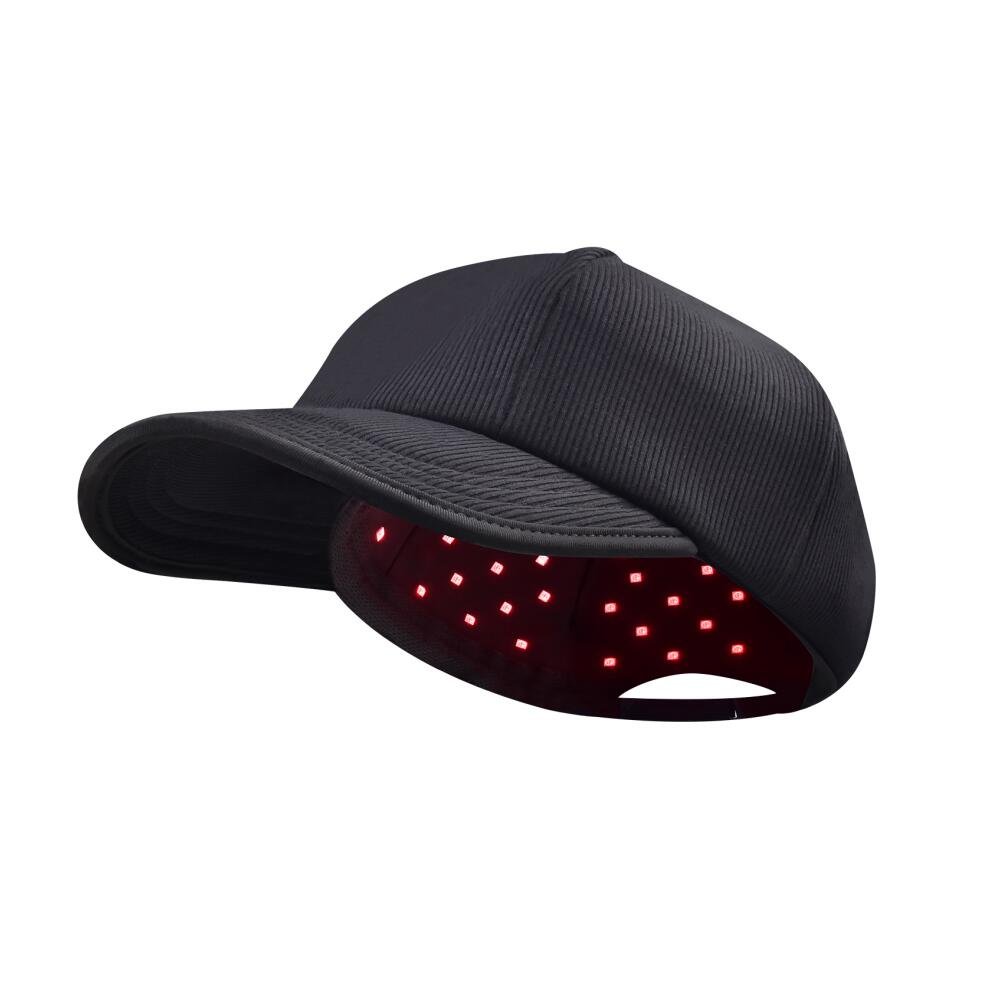
Therapy Caps & Helmets
Best for: Home & Clinic UseWearable devices that conform to the scalp for hands-free, full-coverage treatment. Ideal for patients with diffuse thinning across the crown and top of the scalp. LED arrays are positioned at zero distance for maximum irradiance delivery.
- ✦ Full scalp coverage in one session
- ✦ Hands-free operation
- ✦ High patient compliance
- ✦ Suitable for OEM/private label
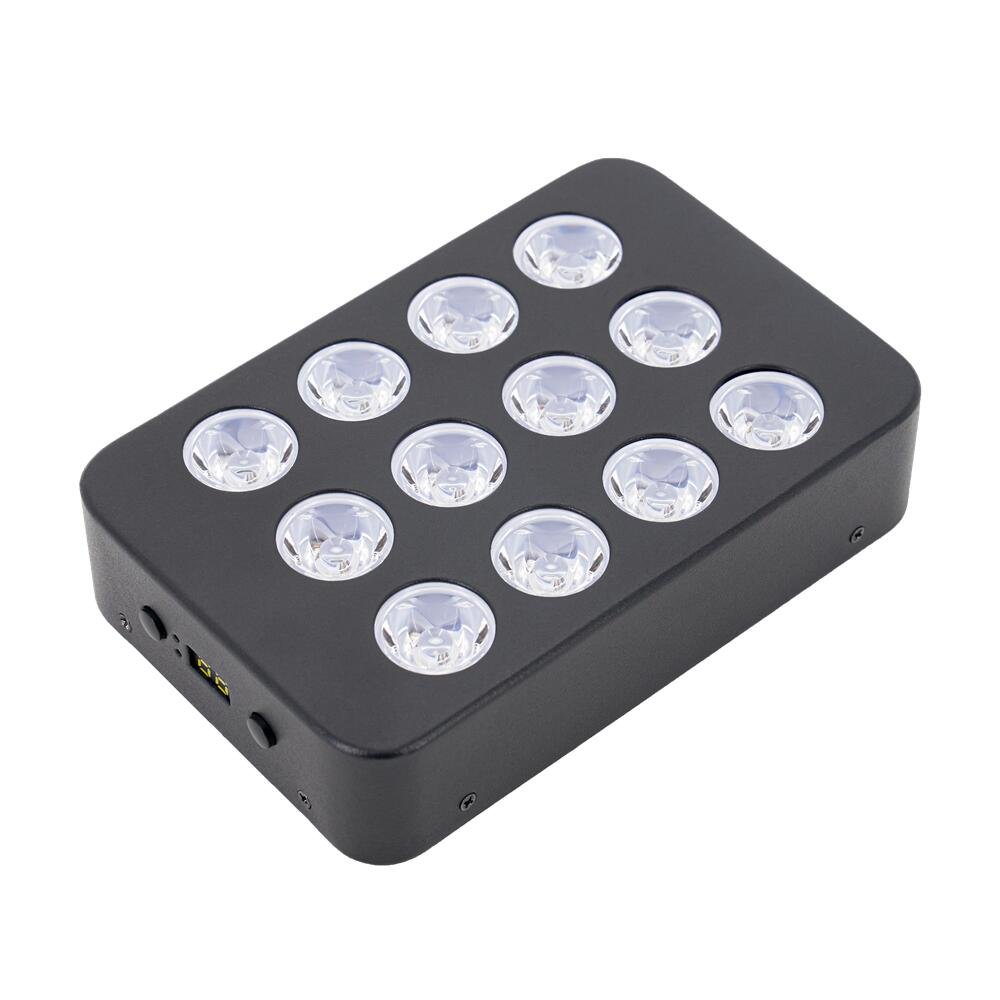
Handheld Devices
Best for: Targeted TreatmentCompact, portable devices designed for targeted application to specific thinning zones such as the hairline, temples, or crown. Practitioners can deliver precise doses to areas of greatest concern.
- ✦ Targeted zone treatment
- ✦ High portability
- ✦ Lower entry cost
- ✦ Suitable for retail distribution
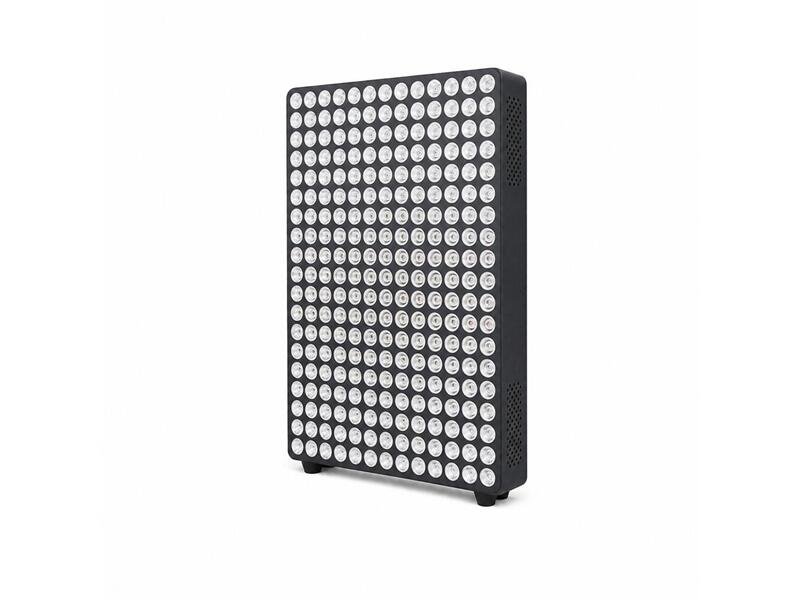
Panel Devices
Best for: Clinic & SalonWall-mounted or freestanding panels deliver broad-area light coverage. Clients sit or stand at a fixed distance while the panel treats the scalp. Particularly effective in clinical environments where throughput and consistency are priorities.
- ✦ High power output
- ✦ Multi-client throughput
- ✦ Dual-wavelength configurations
- ✦ Professional-grade results
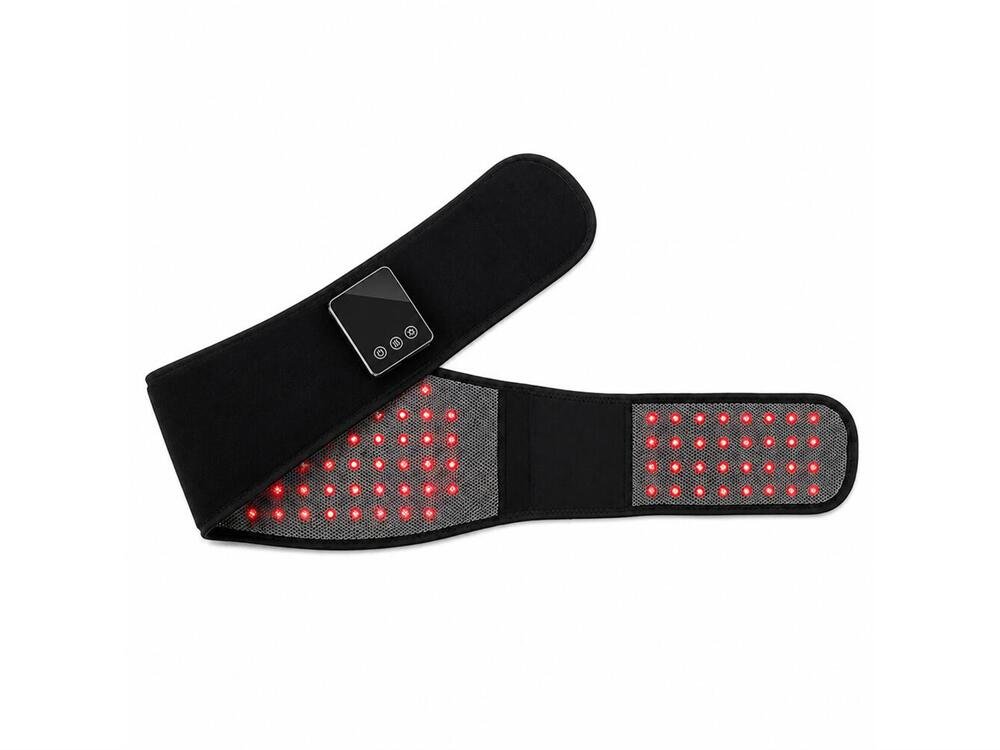
Flexible Wearable Devices
Best for: Daily Lifestyle UseFlexible LED pads or wraps that conform to the scalp contours. Lightweight and discreet, enabling users to continue daily activities during treatment. Ideal for subscription-model retail and high-compliance programs.
- ✦ Wearable during daily activities
- ✦ Flexible LED arrays
- ✦ High compliance potential
- ✦ Consumer market appeal
Key Specifications to Evaluate
| Specification | Recommended Range | Why It Matters |
|---|---|---|
| Wavelength | 630-670 nm + 810-850 nm | Dual-band maximizes both surface and deep follicle stimulation |
| Irradiance | 20-100 mW/cm² | Determines treatment time needed to reach therapeutic dose |
| Energy Dose | 4-6 J/cm² per session | The therapeutic window for hair follicle photobiomodulation |
| LED Count | Varies by form factor | Higher LED density = more even coverage across the scalp |
| Beam Angle | 60° for caps, 30° for panels | Affects light distribution uniformity across treatment area |
Hair Conditions Red Light Therapy Addresses
Photobiomodulation has demonstrated clinical utility across a spectrum of hair loss conditions, making it a versatile addition to any hair restoration program.
Androgenetic Alopecia
The most common form of hair loss in both men and women. LLLT is FDA-cleared for this indication, with studies showing significant increases in hair count and thickness in treated subjects.
Alopecia Areata
An autoimmune condition causing patchy hair loss. Red light therapy helps modulate the inflammatory response and stimulate regrowth in affected patches, often used as a complementary approach alongside medical treatment.
Chemotherapy-Induced Hair Loss
Emerging research supports LLLT as a supportive therapy to accelerate hair regrowth following chemotherapy-induced alopecia, reducing the psychological impact of treatment.
Telogen Effluvium
Stress or nutritional deficiency-induced diffuse shedding. Red light therapy helps shift follicles back into the anagen phase, reducing excessive shedding and restoring normal hair cycling.
Post-Transplant Recovery
Used pre- and post-hair transplant surgery to improve graft survival rates, accelerate healing of donor and recipient sites, and enhance overall transplant outcomes.
General Hair Thinning & Density
Even in the absence of diagnosed alopecia, LLLT improves overall hair density, shaft diameter, and tensile strength -- making it an effective preventive and cosmetic treatment for hair wellness programs.
Expected Timeline & Results
Hair growth is a slow biological process. Setting realistic expectations is essential for patient satisfaction and treatment compliance. Here is what to expect at each stage.
Weeks 1-4
Reduced shedding. Scalp health improves. Follicles begin transitioning from telogen to anagen phase. No visible regrowth yet.
Weeks 4-8
Early fine regrowth may appear in treated areas. Hair texture often improves. Continued reduction in daily shedding counts.
Weeks 8-16
Measurable improvement in hair density and coverage. New terminal hairs becoming visible. Most studies measure primary outcomes at this stage.
6+ Months
Significant density and thickness improvements. Ongoing maintenance sustains results. Combination with topical treatments maximizes long-term outcomes.
Managing Expectations
Results vary based on the severity of hair loss, patient age, hormonal status, and device quality. Red light therapy is most effective when hair follicles are still present but miniaturized or dormant. It cannot regenerate follicles that have been completely destroyed by scarring alopecia.
Safety Considerations & Contraindications
Red light therapy has an excellent safety profile when used correctly. Understanding the few contraindications ensures safe, effective treatment delivery.
General Safety Profile
- ✓ Non-ionizing, non-thermal at therapeutic doses
- ✓ No UV radiation -- no risk of sunburn or DNA damage
- ✓ Suitable for all skin tones and hair types
- ✓ No downtime or recovery period required
- ✓ Compatible with most topical treatments
- ✓ Suitable for long-term use without cumulative harm
Contraindications & Precautions
- ! Active scalp cancer or history of skin malignancy in treatment area
- ! Photosensitizing medications (consult prescribing physician)
- ! Active scalp infections or open wounds
- ! Pregnancy -- insufficient safety data, use with caution
- ! Epilepsy sensitive to light stimulation
- ! Direct eye exposure -- always use appropriate eye protection
Eye Safety
While red and near-infrared wavelengths are not UV radiation, prolonged direct exposure to high-intensity LEDs can cause retinal fatigue. Always ensure devices used near the scalp include appropriate shielding, or provide patients with protective eyewear. MedLight devices are engineered with emission angles that minimize direct eye exposure during normal use.
OEM & Private Label Opportunities
The global hair restoration market is expanding rapidly, driven by increasing awareness and growing demand for non-invasive treatments. MedLight enables brands, clinics, and distributors to capitalize on this opportunity with purpose-built, compliance-ready devices.
For Brand Owners
- ✦ Custom wavelength configurations for your target indication
- ✦ Private label packaging and branding
- ✦ CE, FCC, and FDA compliance support
- ✦ Concept-to-commercialization development
- ✦ Scalable production from MOQ to mass volume
For Clinics & Distributors
- ✦ Consistent device performance across batches
- ✦ Clinical-grade irradiance specifications
- ✦ Competitive wholesale pricing
- ✦ International shipping and logistics support
- ✦ After-sales technical support
Hair Growth Device Categories We Manufacture
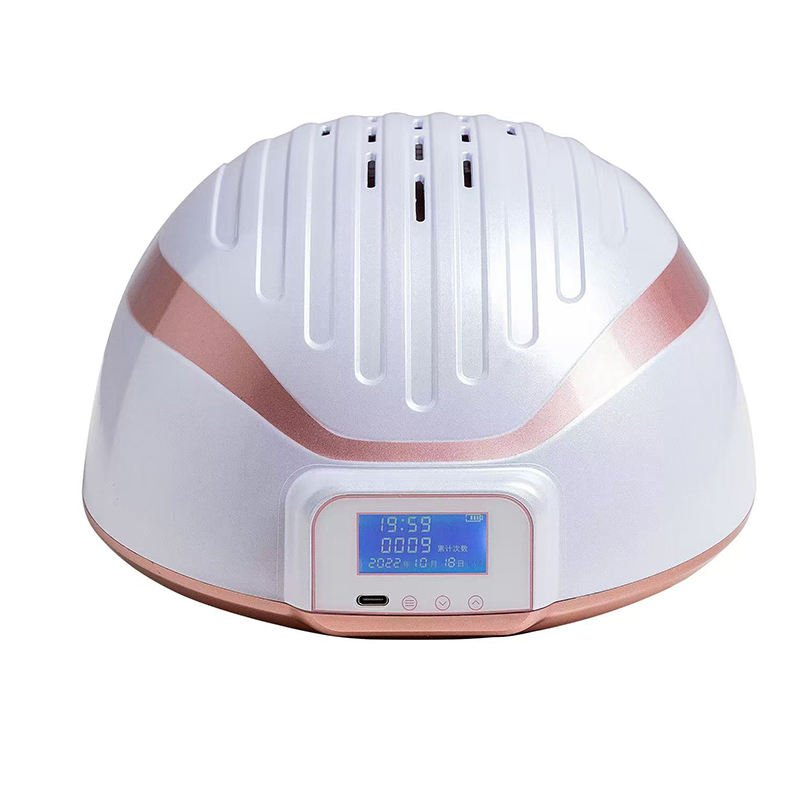
Therapy Caps
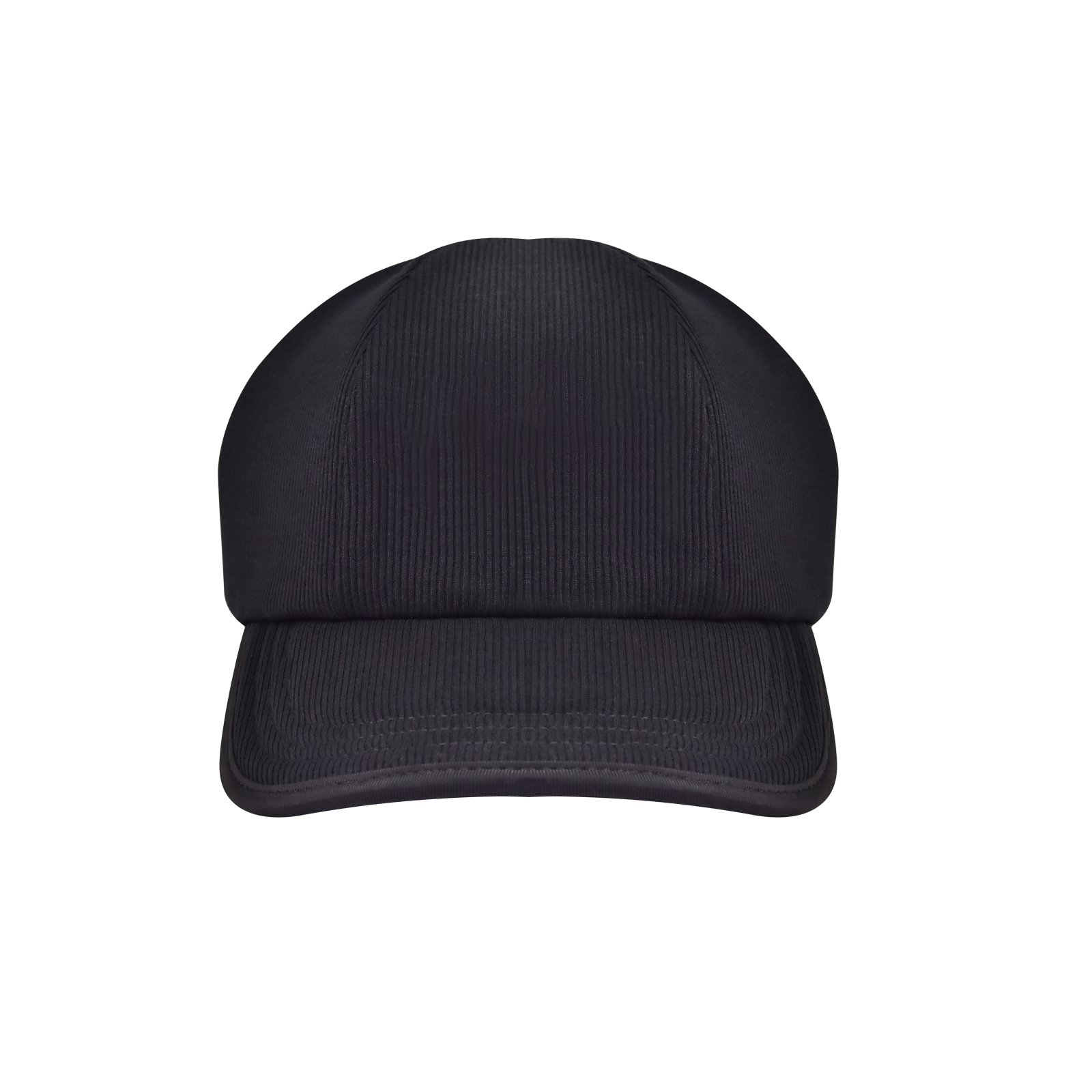
Therapy Hats
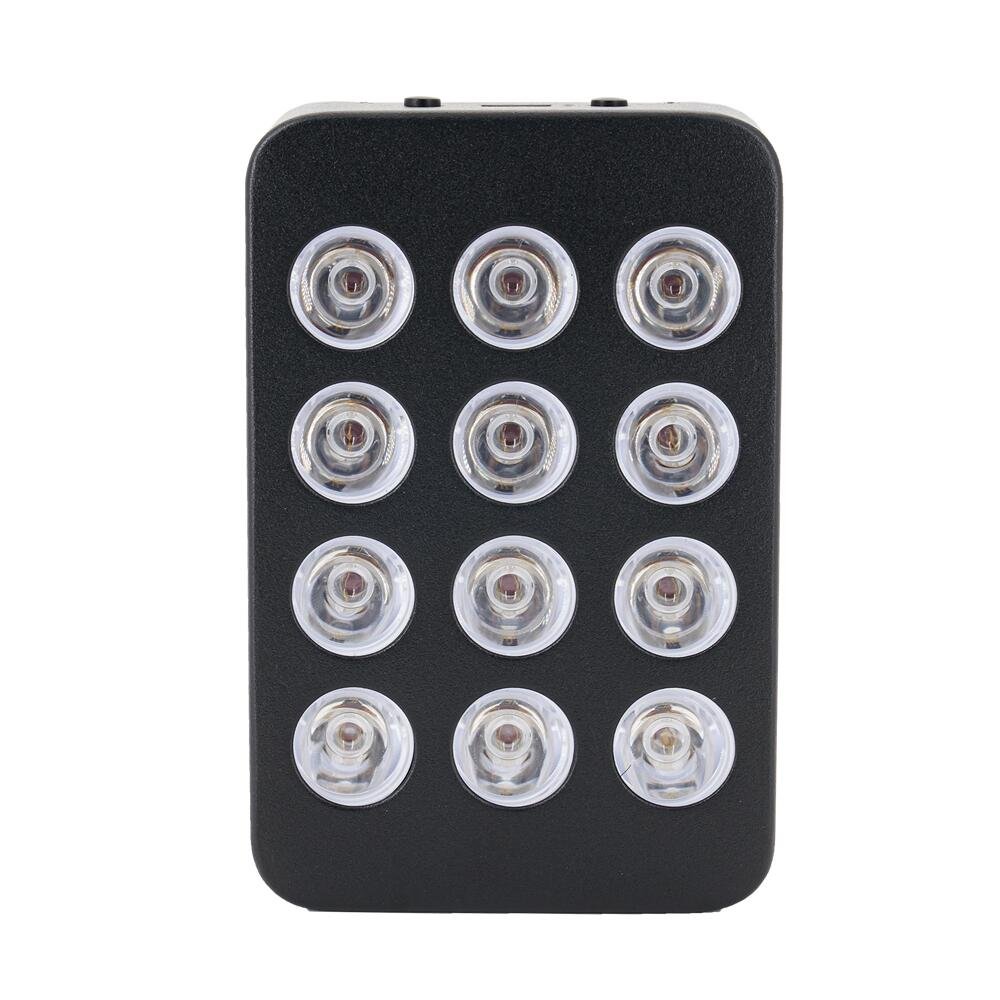
Handheld Devices
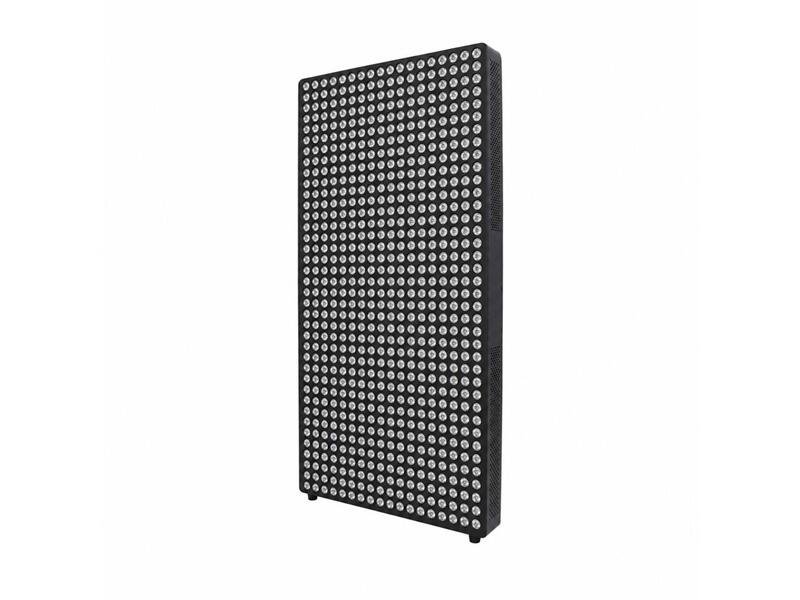
Panel Devices
Frequently Asked Questions
Common questions from practitioners and brand owners about red light therapy for hair growth.
How long does it take to see results from red light therapy for hair growth?
Can red light therapy be combined with minoxidil or finasteride?
What is the minimum order quantity for OEM hair therapy devices?
Does red light therapy work for all types of hair loss?
What certifications do MedLight hair therapy devices carry?
What wavelengths are most effective for stimulating hair follicle activity?
Can I add my own branding and packaging to MedLight devices?
How does MedLight support buyers who are new to sourcing light therapy devices?
What is the typical lead time from order confirmation to delivery?
How should clinics or MedSpas position red light therapy for hair growth to their clients?
Ready to Launch Your
Hair Growth Device Line?
MedLight provides end-to-end OEM and ODM manufacturing for hair therapy devices. From wavelength engineering to compliance certification -- we handle the complexity so you can focus on your brand.