
Red Light Therapy:
Hoax, Hype, or Hard Science?
Cutting through the noise with peer-reviewed research, clinical evidence, and transparent explanations of how photobiomodulation actually works -- and where the limits are.
What Is Red Light Therapy, Exactly?
Red light therapy (RLT) -- also known as photobiomodulation (PBM) or low-level laser/light therapy (LLLT) -- is the therapeutic application of specific wavelengths of red and near-infrared (NIR) light to biological tissue.
Unlike UV light (which damages DNA) or high-powered lasers (which ablate tissue), RLT operates at non-thermal, non-ionizing intensities. The light is absorbed by chromophores in the mitochondria and triggers a cascade of beneficial biological responses -- without heating or harming the tissue.
The key wavelength windows are 630-700 nm (red) and 800-850 nm (near-infrared). Red light penetrates the skin surface; NIR light penetrates deeper into muscle, joint, and bone tissue.
Light Spectrum: Where RLT Sits
A Brief History
Photobiomodulation research began in the 1960s with Hungarian physician Endre Mester, who accidentally discovered that low-powered laser light stimulated hair regrowth and wound healing in mice. Decades of research followed, culminating in thousands of peer-reviewed publications today.
The Biological Mechanism: How Light Interacts with Cells
This is where the science becomes compelling. The effects of RLT are not placebo -- they are rooted in well-understood cellular biology.
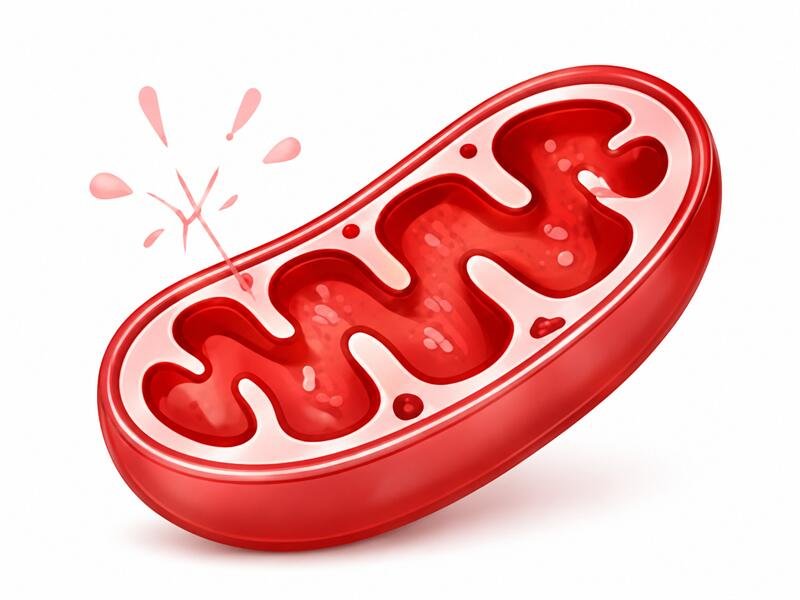
Photon Absorption
Red and NIR photons penetrate tissue and are absorbed by cytochrome c oxidase (CCO), a key enzyme in the mitochondrial electron transport chain.
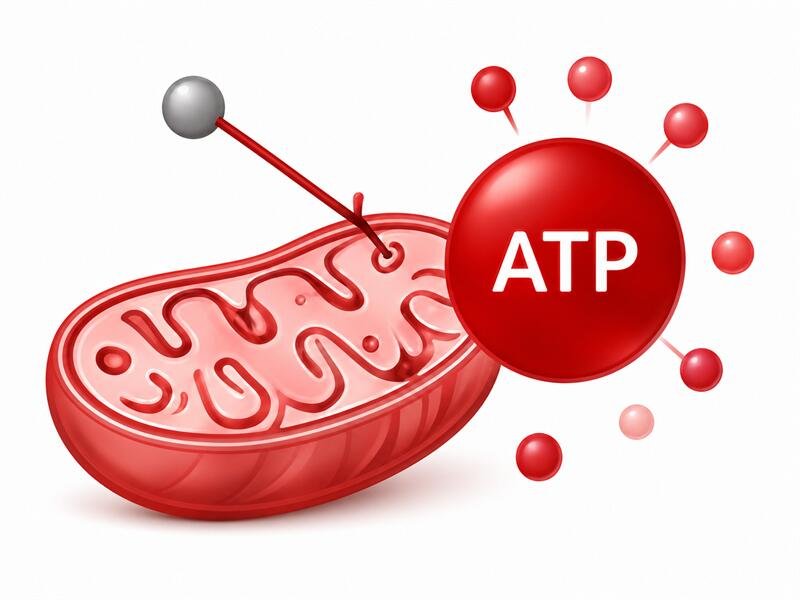
Mitochondrial Activation
Photon absorption dissociates inhibitory nitric oxide (NO) from CCO, restoring oxygen binding and accelerating ATP (cellular energy) production.
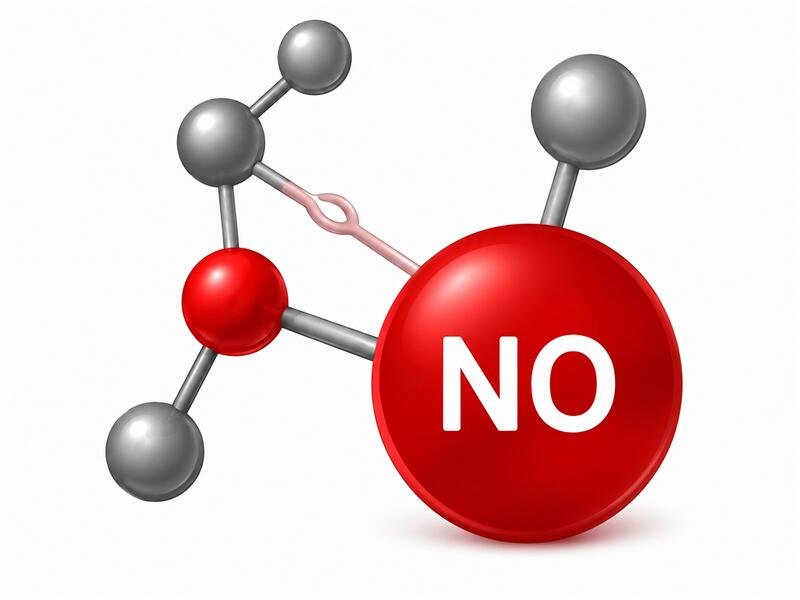
Signaling Cascade
Elevated ATP and released NO trigger downstream signaling pathways, activating transcription factors (NF-κB, AP-1) that regulate gene expression for repair and growth.
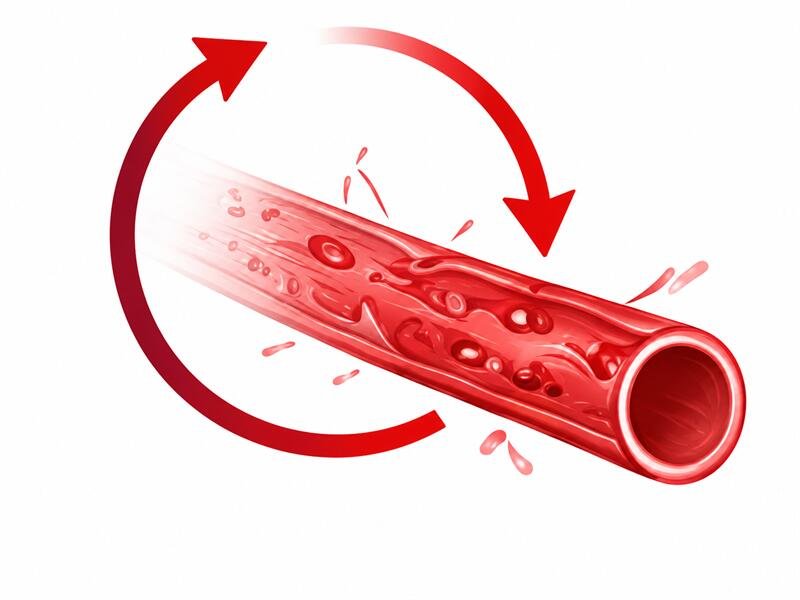
Biological Outcomes
The result: increased collagen synthesis, reduced oxidative stress, modulated inflammation, improved circulation, and accelerated tissue regeneration.
The Key Insight: Cytochrome c Oxidase
The discovery that cytochrome c oxidase is a primary photoacceptor for red and NIR light is one of the most significant findings in photobiology. Published by Tiina Karu and colleagues, this mechanism explains why specific wavelengths work while others don't.
This is not vague "energy healing" -- it is a specific, measurable, enzyme-level interaction with a well-characterized biological pathway. The same pathway that makes your cells produce energy.
Mechanism published in peer-reviewed journals including Photochemistry and Photobiology
Reproducible in vitro (cell studies) and in vivo (animal and human trials)
Accepted by NASA, the Department of Defense, and multiple hospital systems for wound healing
What the Science Actually Says
The PubMed database contains over 6,000 published studies on photobiomodulation. Here's a structured overview of the evidence quality across key application areas.
Strong Evidence
Multiple RCTs + systematic reviews
-
Wound Healing & Tissue Repair
Accelerated healing in chronic wounds, surgical incisions, and ulcers. Supported by NASA-funded research and military medical applications.
-
Musculoskeletal Pain Relief
Cochrane-reviewed evidence supports RLT for neck pain, knee osteoarthritis, and tendinopathy. Significant reduction in pain scores vs. placebo.
-
Oral Mucositis (Cancer Treatment)
FDA-cleared for prevention of oral mucositis in chemotherapy patients. One of the most rigorously studied RLT applications.
-
Hair Loss (Androgenetic Alopecia)
Multiple FDA-cleared devices. RCTs demonstrate statistically significant increases in hair density and follicle activity.
Moderate / Emerging Evidence
Promising RCTs, larger trials needed
-
Skin Rejuvenation & Anti-Aging
Multiple RCTs show improvements in wrinkle depth, skin tone, and collagen density. Effect sizes are real but modest; results vary by protocol.
-
Muscle Recovery & Athletic Performance
Studies show reduced DOMS, faster lactate clearance, and improved endurance. Used by professional sports teams. Larger standardized trials ongoing.
-
Acne Treatment
Blue + red light combinations show antibacterial and anti-inflammatory effects. FDA-cleared devices available. Evidence base growing.
-
Neurological Applications (TBI, Depression)
Transcranial PBM is an active research area with promising early results for traumatic brain injury and mood disorders. Still pre-clinical for many indications.
Clinically Supported Applications
These are the use cases where scientific evidence is strongest and clinical adoption is highest.
Pain Management
Reduces chronic and acute pain by modulating inflammatory cytokines, improving circulation, and reducing nerve sensitization. Effective for arthritis, back pain, and sports injuries.
Skin Rejuvenation
Stimulates fibroblasts to produce collagen and elastin. Clinical studies show measurable improvements in wrinkle reduction, skin tone, and texture after consistent treatment protocols.

Muscle Recovery
Pre- and post-exercise RLT reduces delayed onset muscle soreness (DOMS), accelerates lactate clearance, and improves performance metrics. Used by elite athletes and sports medicine clinics.

Hair Regrowth
Stimulates hair follicles in the anagen phase. Multiple FDA-cleared devices for androgenetic alopecia. RCTs show statistically significant increases in hair count and thickness.
Wound Healing
Accelerates healing of diabetic ulcers, surgical wounds, and burns. NASA-funded research established efficacy for wound care in space missions. Widely used in clinical settings.
Acne & Skin Conditions
Red light reduces inflammation; blue light kills P. acnes bacteria. Combined protocols show significant reduction in active lesions. Multiple FDA-cleared combination devices available.
Separating Fact from Overclaim
RLT is legitimate science -- but the wellness industry has a habit of overstating results. Here's an honest breakdown of what's real and what's marketing.
What Is Real
Measurable cellular effects at correct doses
ATP production increases, oxidative stress decreases, collagen synthesis upregulates -- all measurable in controlled studies.
Pain reduction in specific musculoskeletal conditions
Cochrane reviews support RLT for neck pain and knee osteoarthritis with clinically meaningful effect sizes.
Wavelength and dose specificity matter
Not all wavelengths or power densities work. The "optical window" of 630-850 nm is supported by absorption spectra data.
FDA clearance is real and meaningful
Devices cleared for hair loss, wound care, and pain relief have passed regulatory scrutiny -- not just marketing review.
What Is Overclaimed
"Cures" or "treats" serious diseases
RLT is not a cure for cancer, autoimmune diseases, or neurological disorders. Claims of this nature are not supported by evidence and are often illegal.
Any light = same results
Cheap devices with incorrect wavelengths, insufficient power density, or poor irradiance uniformity will not replicate clinical study results. Device quality is critical.
Instant or dramatic results
Clinical studies show effects after consistent use over weeks to months. Single-session "transformations" in marketing content are not realistic expectations.
More power = better results
PBM follows a biphasic dose-response curve (Arndt-Schulz law). Too little light has no effect; too much can inhibit or harm. Optimal dosing is essential.
The Biphasic Dose-Response: Why Dosing Matters
One of the most important -- and most misunderstood -- aspects of PBM is the Arndt-Schulz biphasic dose-response relationship. Low doses stimulate; optimal doses maximize benefit; high doses inhibit or cause harm.
This is why device specifications matter enormously. A device with the correct wavelengths but incorrect power density (irradiance) or session duration will either underperform or potentially cause inhibitory effects. Clinical protocols specify irradiance (mW/cm²), total fluence (J/cm²), and treatment duration precisely for this reason.
What Makes a Device Clinically Effective?
Not all red light devices are created equal. The gap between a clinical-grade device and a consumer toy can be enormous. Here are the parameters that determine real-world efficacy.
Wavelength Accuracy
Effective wavelengths are 630-670 nm (red) and 810-850 nm (NIR). Devices must emit within ±10 nm of specified wavelengths. Cheap LEDs often drift significantly from stated specs.
Power Density (Irradiance)
Clinical studies typically use 10-100 mW/cm² at the treatment surface. Too low and there's no biological effect; too high risks inhibition. Must be measured at the actual treatment distance.
Total Fluence (Dose)
The total energy delivered per unit area (J/cm²) determines therapeutic outcome. Most protocols target 3-50 J/cm² depending on indication. This is irradiance × time.
Treatment Area Coverage
Larger panels provide full-body or large-area treatment in a single session. Uniform irradiance distribution across the panel surface ensures consistent dosing without hot spots.
Regulatory Compliance
CE marking (EU), FCC (USA), and FDA clearance indicate the device has passed electromagnetic compatibility, electrical safety, and in some cases clinical efficacy testing.
LED Quality & Lifespan
Medical-grade LEDs maintain consistent output over 50,000+ hours. Consumer-grade LEDs can degrade significantly within months, reducing efficacy without any visible indication.
Frequently Asked Questions
Honest answers to the most common questions about red light therapy.
Is red light therapy safe?
How long does it take to see results?
Can I use red light therapy at home?
What's the difference between red light and near-infrared light?
Does red light therapy work for fat loss?
Is red light therapy the same as infrared sauna?
How do I know if a device is high quality?
Can red light therapy help with muscle recovery?
What session duration and frequency is recommended?
What certifications should a commercial device have?
Neither Hoax Nor Pure Hype --
It's Legitimate Science, Applied Carefully
Red light therapy is a real, evidence-based modality with a well-understood biological mechanism, thousands of peer-reviewed studies, and FDA-cleared clinical applications. The skepticism it attracts is largely deserved -- not toward the science itself, but toward the consumer market's tendency to overstate results and undersell the importance of device quality and proper dosing.
When implemented with the correct wavelengths, appropriate power density, evidence-based protocols, and compliant devices, red light therapy delivers measurable, reproducible clinical outcomes. The key is separating rigorous science from marketing noise.
Real Mechanism
Photobiomodulation via cytochrome c oxidase is a verified, reproducible biological pathway -- not pseudoscience.
Clinical Evidence
6,000+ studies, Cochrane-reviewed applications, and FDA-cleared devices for specific indications provide a solid evidentiary foundation.
Nuance Required
Results depend critically on device quality, correct wavelengths, dosing protocols, and realistic expectations. Not a cure-all.
Looking for Clinically Effective RLT Devices?
MedLight manufactures red and near-infrared light therapy devices with verified wavelengths, certified compliance, and transparent technical specifications -- built for brands that take the science seriously.