
Red Light Therapy:
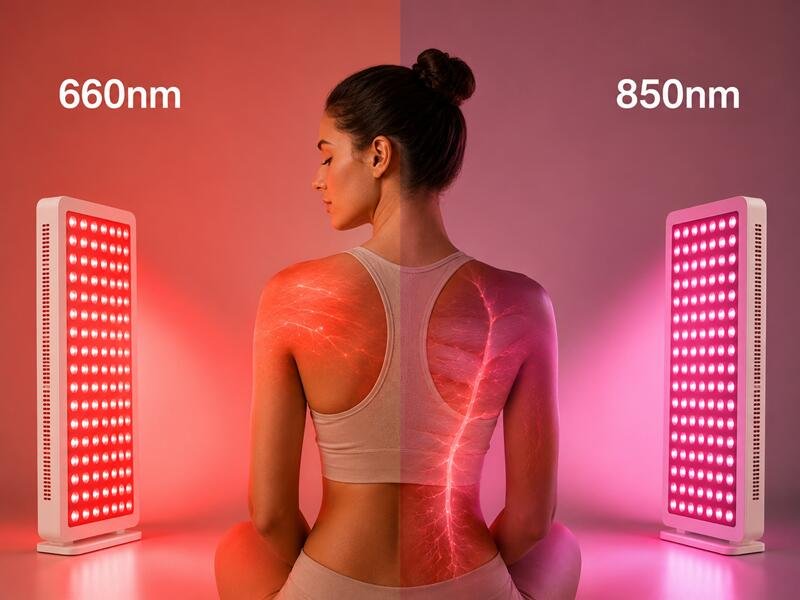
660 nm
vs
850 nm
A comprehensive guide to the science, biological mechanisms, and clinical applications of the two most studied photobiomodulation wavelengths -- essential knowledge for B2B buyers, brand owners, and product developers.
Table of Contents
The Light Spectrum Basics
Understanding where 660 nm and 850 nm fall within the electromagnetic spectrum is the foundation for appreciating their distinct therapeutic roles.
Electromagnetic Spectrum Position
660 nm -- Visible Red
Falls within the visible red light range (620-700 nm). Appears as a bright red glow visible to the naked eye. Classified as photobiomodulation (PBM) therapy in the red light window.
850 nm -- Near-Infrared
Falls within the near-infrared (NIR) range (700-1100 nm). Invisible to the human eye -- devices appear to emit only a faint glow. Penetrates significantly deeper into biological tissue.
Key Insight
Both wavelengths fall within the "therapeutic window" (600-1100 nm) -- the range where light penetrates tissue most efficiently without being absorbed by water or hemoglobin to a degree that prevents therapeutic depth.
Biological Mechanisms
Both wavelengths work through photobiomodulation -- but they activate different cellular pathways and chromophores with distinct biological outcomes.
Shared Primary Mechanism: Mitochondrial Activation
Both wavelengths are absorbed by cytochrome c oxidase (CCO) -- the terminal enzyme of the mitochondrial electron transport chain. This absorption triggers a cascade of beneficial cellular events:
↑ ATP Production
Increased cellular energy fuels repair and regeneration processes
↓ Oxidative Stress
Reduction in reactive oxygen species and cellular inflammation markers
↑ Nitric Oxide
Release of NO improves blood flow and supports vascular health
660 nm Mechanisms
Visible Red Light
-
✦
Superficial Chromophore Activation
Primarily absorbed by porphyrins and flavoproteins in epidermal and dermal layers, stimulating fibroblast activity and collagen synthesis.
-
✦
Enhanced Collagen Synthesis
Stimulates fibroblasts to upregulate Type I and III collagen production, improving skin elasticity and wound healing speed.
-
✦
Surface-Level Anti-Inflammation
Modulates pro-inflammatory cytokines (IL-1β, TNF-α) in superficial tissues, reducing redness and accelerating skin recovery.
-
✦
Hair Follicle Stimulation
Activates stem cells in the hair follicle bulge region, extending the anagen (growth) phase of the hair cycle.
850 nm Mechanisms
Near-Infrared Light
-
✦
Deep Tissue CCO Activation
Reaches mitochondria in muscle, tendon, bone, and neural tissue at depths of 5-7 cm, driving ATP production in hard-to-reach structures.
-
✦
Systemic Anti-Inflammatory Action
Suppresses NF-κB signaling pathways, reducing systemic inflammation markers associated with chronic pain and autoimmune conditions.
-
✦
Neuroprotective Effects
Penetrates the skull to influence neural tissue. Research shows potential for neurological recovery, cognitive function support, and nerve regeneration.
-
✦
Accelerated Muscle Recovery
Reduces exercise-induced muscle damage markers (CK, LDH), decreases DOMS, and improves performance metrics in clinical sports studies.
Penetration Depth Comparison
Tissue penetration depth is the most clinically significant difference between these two wavelengths -- and the primary driver of product design decisions.
Tissue Layer Penetration Model
Max effective depth: ~2-3 cm
Max effective depth: ~5-7 cm
* Penetration values are relative approximations based on published photobiomodulation research. Actual depth varies with tissue type, pigmentation, hydration, and irradiance parameters.
S Superficial Targets
Best addressed by 660 nm
- • Epidermis & dermis
- • Hair follicles
- • Sebaceous glands
- • Superficial wounds
- • Facial skin tissue
D Deep Targets
Best addressed by 850 nm
- • Skeletal muscle
- • Tendons & ligaments
- • Bone & periosteum
- • Neural tissue
- • Lymph nodes
C Combined Targets
Both wavelengths together
- • Full-body recovery
- • Post-surgical healing
- • Comprehensive pain relief
- • Athletic performance
- • Anti-aging protocols
Clinical Applications
Evidence-based applications organized by therapeutic category, helping product developers and buyers match wavelength selection to target market needs.
Skin Rejuvenation & Aesthetics
Primary: 660 nm Supportive: 850 nmThe most established aesthetic application. 660 nm directly stimulates fibroblasts in the dermis, increasing collagen and elastin production. Clinical studies demonstrate measurable reductions in wrinkle depth, improved skin texture, and accelerated wound closure.
Pain Management & Inflammation
Primary: 850 nm Supportive: 660 nm850 nm penetrates to muscle and joint depth where chronic pain originates. Evidence supports reduction of inflammatory cytokines, modulation of pain receptor sensitivity, and improvement in joint mobility for conditions like arthritis, back pain, and tendinopathy.
Sports Recovery & Performance
Primary: 850 nm Dual-wavelength idealMultiple RCTs confirm that pre- and post-exercise NIR light therapy reduces DOMS, lowers creatine kinase levels, and improves time to recovery. 850 nm reaches skeletal muscle at the depth required for meaningful cellular intervention.
Hair Growth & Scalp Health
Primary: 660 nm660 nm is the most studied wavelength for hair regrowth therapy. FDA-cleared LLLT devices for androgenetic alopecia predominantly use 650-670 nm. The mechanism involves stimulation of follicular stem cells and extension of the anagen phase.
Body Contouring & Fat Reduction
Primary: 850 nm Dual-wavelength idealNIR light at 850 nm penetrates subcutaneous adipose tissue, triggering transient pore formation in fat cell membranes (lipolysis). Combined with 660 nm for skin tightening, dual-wavelength protocols show improved circumference reduction outcomes in clinical trials.
Side-by-Side Comparison
A structured reference table for procurement managers, product developers, and clinical protocol designers.
| Parameter |
660 nm
|
850 nm
|
|---|---|---|
| Spectrum Category | Visible Red Light | Near-Infrared (NIR) |
| Visible to Human Eye | Yes -- bright red glow | No -- invisible |
| Max Penetration Depth | ~2-3 cm | ~5-7 cm |
| Primary Chromophore | Porphyrins, Flavoproteins | Cytochrome c Oxidase |
| Primary Tissue Target | Skin, epidermis, dermis | Muscle, bone, neural tissue |
| Top Application | Skin rejuvenation, hair growth | Pain relief, muscle recovery |
| Collagen Stimulation | ●●●● Strong | ●●○○ Moderate |
| Anti-Inflammatory Effect | ●●○○ Surface | ●●●● Deep/Systemic |
| ATP Production Boost | ●●●○ Good | ●●●● Excellent |
| Typical Power Density | 20-100 mW/cm² | 20-100 mW/cm² |
| Typical Session Duration | 10-20 minutes | 10-20 minutes |
| Best Market Segment | MedSpas, Aesthetics, Dermatology | Sports, Rehab, Pain Clinics |
| Regulatory Clearance (Example) | FDA-cleared for hair loss (LLLT) | FDA-cleared for pain relief |
Why Combination Therapy Works Best
The majority of professional-grade devices now combine both wavelengths -- and for good reason. The synergistic effect addresses both superficial and deep tissue simultaneously.
Broader Tissue Coverage
Simultaneously treats skin surface and deep musculoskeletal structures in a single session, maximizing treatment efficiency for clinical settings.
Enhanced ATP Cascade
Research suggests dual-wavelength protocols produce additive mitochondrial activation effects, with higher total ATP output than single-wavelength exposure.
Wider Market Appeal
A dual-wavelength product addresses aesthetics AND recovery markets, enabling broader distribution and higher average order values for brand owners.
Clinical Protocol Flexibility
Practitioners can configure wavelength ratios (e.g., 3:1 red-to-NIR) to tailor protocols for specific patient needs without requiring separate devices.
Common LED Ratio Configurations in Professional Devices
Ideal for: Facial panels, masks, skin rejuvenation devices
Ideal for: Full-body panels, pods, general wellness devices
Ideal for: Sports recovery beds, rehabilitation clinic devices
B2B Buyer's Selection Guide
Practical guidance for brand owners, distributors, and procurement managers selecting wavelength specifications for OEM product development.
Wavelength Selection by Target Market
Key OEM Specifications to Define
-
✦
Wavelength ratio -- Percentage of 660 nm vs 850 nm LEDs in the array
-
✦
Irradiance (mW/cm²) -- Power density at treatment distance; must match clinical evidence parameters
-
✦
LED chip quality -- Narrow spectral bandwidth (±10 nm) ensures wavelength accuracy
-
✦
Pulsing vs. continuous -- Some protocols use pulsed light; ensure firmware supports both modes
-
✦
Independent wavelength control -- Premium devices allow separate intensity control per wavelength
Compliance & Regulatory Considerations
-
✦
FDA 510(k) clearance -- Required for medical claims in the US; predicate devices exist for both wavelengths
-
✦
CE marking (EU MDR) -- Class IIa classification typical for therapeutic light devices in Europe
-
✦
IEC 60601-1 -- Electrical safety standard for medical electrical equipment; required for clinical devices
-
✦
FCC / CE EMC -- Electromagnetic compatibility certification for consumer and professional devices
-
✦
Claims language -- Wellness claims (no clearance needed) vs. medical claims (clearance required)
Ready to Develop Your Product?
MedLight provides OEM and ODM manufacturing for 660 nm, 850 nm, and multi-wavelength light therapy devices -- from concept to certified product.
Frequently Asked Questions
Common questions from brand owners, clinic operators, and procurement managers evaluating red light therapy products.
Is 660 nm or 850 nm better for skin rejuvenation?
Can 850 nm light be used without 660 nm in the same device?
What LED ratio should I specify for an OEM full-body panel?
Are there safety concerns with 850 nm near-infrared light?
How does wavelength accuracy affect product quality?
What is the minimum order quantity for custom wavelength configurations?
Relevant MedLight Products
Explore our multi-wavelength therapy devices featuring optimized 660 nm + 850 nm configurations.
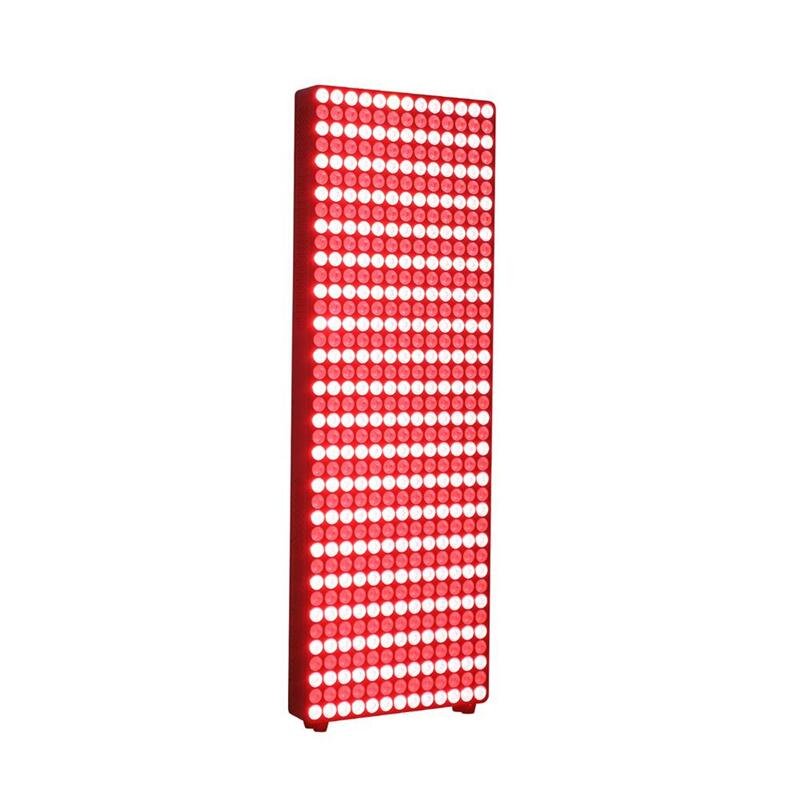
High Power - Mad Light Series ML507
Designed with a zero-gap LED layout and customizable wavelengths for wider coverage, higher irradiance, and more efficient light delivery.
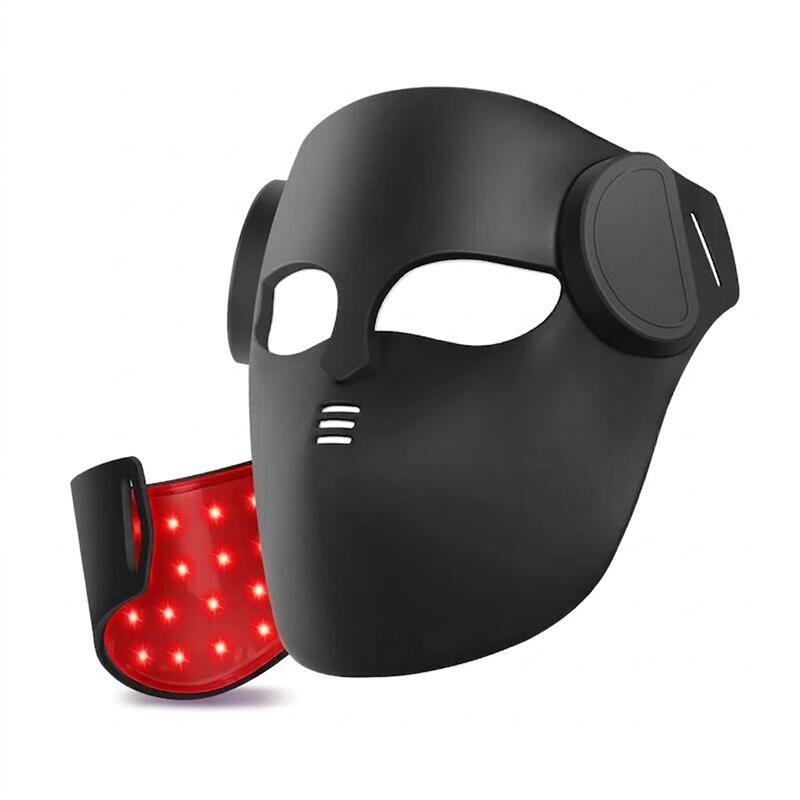
LED Facial Mask - FM011
Wearable skincare devices that use low-level, safe wavelengths of red and near-infrared light to stimulate cellular activity.
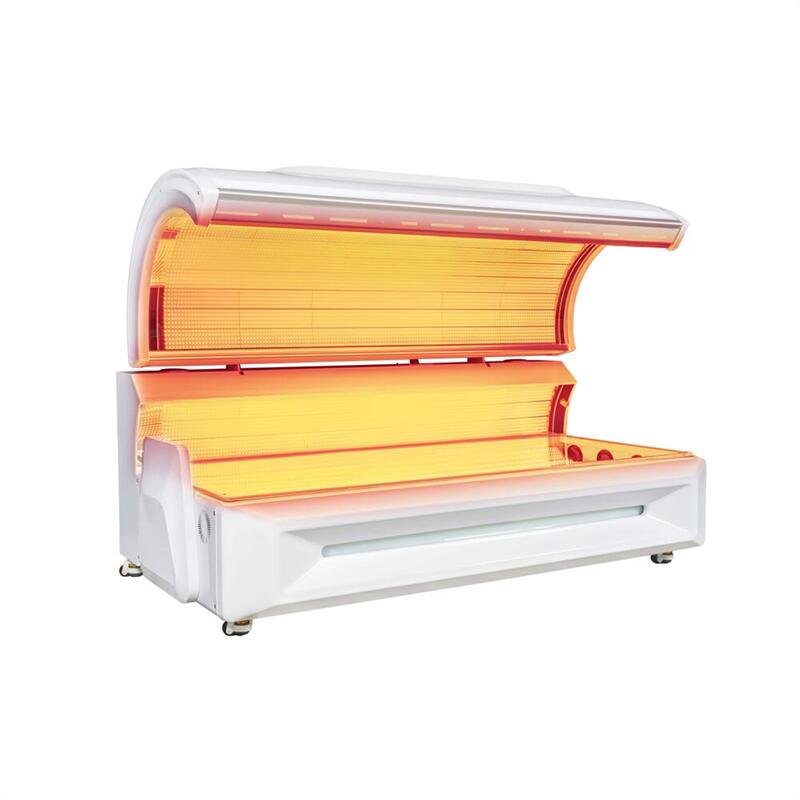
Multi-Wavelength Therapy Pod - M6
an enclosed, full-body capsule lined with LED panels that emit specific wavelengths of light for total-body cellular rejuvenation, pain relief, and skin health.
Educational Content Disclaimer
This article is intended for educational and B2B product development purposes. The information provided is based on published photobiomodulation research and should not be construed as medical advice. Clinical applications and regulatory claims should be validated by qualified medical and regulatory professionals for your specific product and target market. MedLight provides manufacturing services and compliance support, not medical guidance.